REVIEW · KOTOR
Handmade Pasta Cooking Class with Italian Chef in Montenegro
Book on Viator →Operated by Pasta by Beppe · Bookable on Viator
Pasta-making beats any cooking demo. In a Kotor-area villa, you learn the full rhythm of handmade pasta with guidance from an Italian chef, then sit down to eat what you made with a glass of local Montenegrin wine. You’ll also get to choose what you make: ravioli with spinach and ricotta, or tagliatelle with Ragù.
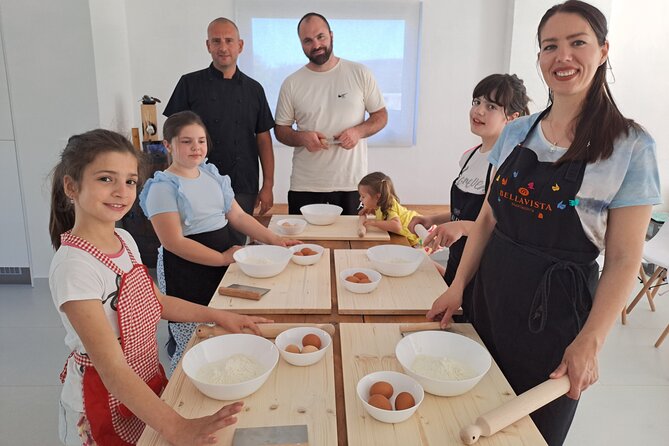
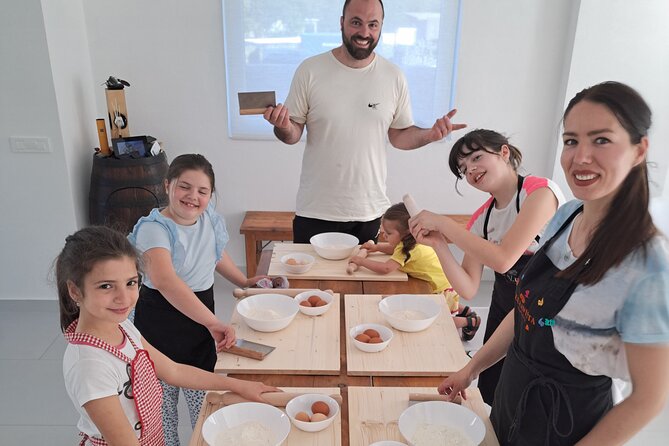
I loved how hands-on the whole class feels. You don’t just watch—you mix dough, roll it, cut it, and help prep the sauce. I also liked the hosting style from Monika and chef Giuseppe: friendly, patient, and easy to talk with while you cook.
One consideration: you’ll need to match your preference to the time slot, since the class runs in a morning or afternoon format with different pasta choices. And at about 3 hours, it’s perfect for learning, but not long enough for serious experimentation.
In This Review
- Key Things I’d Bookmark Before You Go
- Why This Kotor Pasta Class Feels More Personal Than a Workshop
- Meeting in Đuraševići: Villa Arrival and Your Welcome
- Morning vs Afternoon: Ravioli With Spinach and Ricotta or Tagliatelle With Ragù
- Sauce First: Learning the Flavor Base Before You Touch the Dough
- Making the Dough: Rolling, Cutting, and Safe Hands-On Practice
- Cooking the Pasta and Sitting Down to Eat Your Work
- The Printed Recipe: Your Ticket Back to Homemade Pasta Night
- Price and Value: What You’re Really Paying For
- Who This Pasta Class Fits Best
- Should You Book This Handmade Pasta Class in Kotor?
- FAQ
- Where does the class start?
- How long is the pasta cooking class?
- What pasta can I make?
- Will I taste the pasta I make?
- Do I get a recipe to take home?
- Is the tour private?
- What if I have dietary restrictions?
- Cancellation and Safety Notes (Quick Hits)
Key Things I’d Bookmark Before You Go
- Choose your pasta style: morning ravioli with spinach and ricotta, afternoon tagliatelle with Ragù
- Real villa-kitchen vibe instead of a showroom setup
- You taste your own finished pasta with a glass of local Montenegrin wine
- Clear food-safety focus with HACCP certification for Food Hygiene and Safety (2023)
- You leave with a printed recipe to recreate the pasta at home
- Private group format so the chef can give more attention to your class
Why This Kotor Pasta Class Feels More Personal Than a Workshop
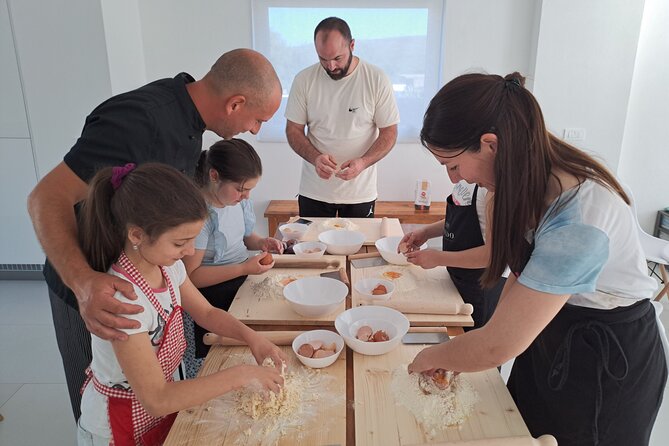
A handmade pasta class in Montenegro can sound like a tourist activity, but this one works because it’s built around doing. You’re not just learning facts about Italian food—you’re making dough, shaping it, and watching it turn into something you can actually eat right there.
I also like the balance here: it’s Italian technique guided in a home setting, but it finishes with a Montenegrin wine pairing. That mix makes the experience feel local, not staged. Plus, it’s not a huge production. The format is private, so the energy stays relaxed and practical.
The biggest value is skill you can repeat. If you’ve ever tried to make pasta at home and felt like everything happened too fast, this class gives you a sequence you can follow again later. You’ll understand what to look for in dough and filling, not just what to do.
You can also read our reviews of more tours and experiences in Kotor.
Meeting in Đuraševići: Villa Arrival and Your Welcome
You’ll meet at 9MWM+5XJ, Đuraševići, Montenegro, and the activity ends back at the same meeting point. That matters because it reduces stress: you’re not trying to coordinate multiple transfers after a meal and cooking session.
When you arrive, you’ll be welcomed at the villa where the class takes place. This is where you start connecting the dots—your Italian chef host (chef Giuseppe) and your group. You also get the basics of what you’ll do during the three hours, which helps a lot if you’re a beginner.
The vibe is clearly meant to be friendly and patient. One thing I’d watch for: come ready to work with your hands. Even if you’re not a confident cook, the class includes guidance through each step, including safe dough handling and cutting procedures.
Morning vs Afternoon: Ravioli With Spinach and Ricotta or Tagliatelle With Ragù
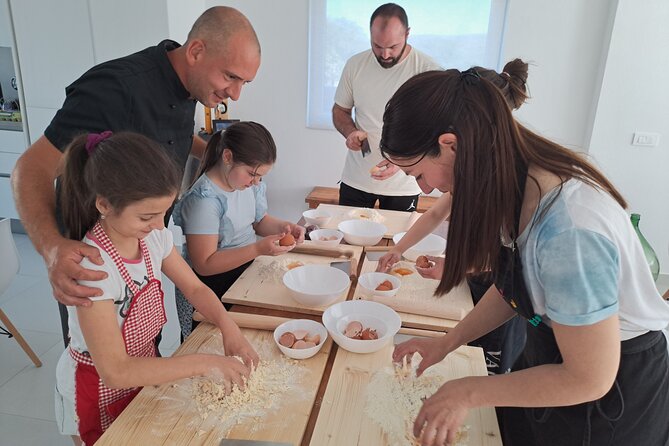
The class gives you a real choice, and that’s one reason it’s worth your time. In the morning, you prepare ravioli with a filling of spinach and ricotta. In the afternoon, you prepare tagliatelle with Ragù—basically the classic Bolognese-style meat sauce approach.
Picking the time slot is the only “decision” that really changes your experience. Ravioli is about portioning and sealing filled pasta, so you’ll get more practice with stuffing and shaping. Tagliatelle is more about rolling and cutting into long strips, plus building the Ragù flavor through the sauce process.
If you like the idea of variety and want to learn different pasta types, note that you’re choosing one style per class. So choose based on what you want to eat and what technique you want to repeat at home.
Sauce First: Learning the Flavor Base Before You Touch the Dough
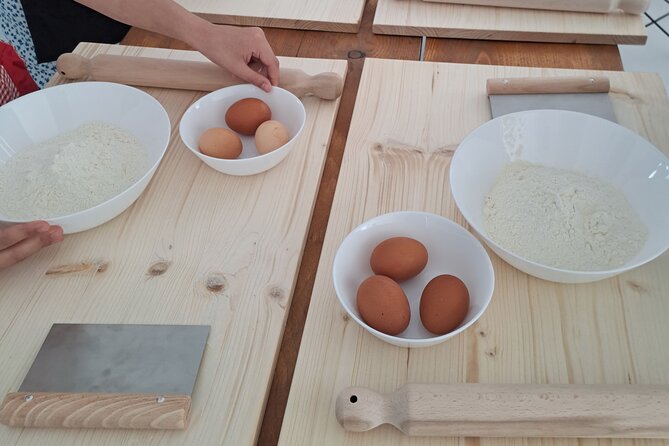
After introductions, the flow shifts quickly into the cooking you can’t skip: preparing the sauce. The chef guides you, and you assist on the parts of the sauce that will become your foundation—then you move to the pasta dough once the sauce is underway.
This order matters for two reasons. First, it keeps you busy the entire time, not waiting around while someone else cooks. Second, it teaches a key Italian logic: pasta is only half the story. If your sauce is right, the pasta becomes easier to love.
I like that the chef explains the sauce as you go. Even when you’re doing small tasks, you’re learning why they matter. That means you’re not just following steps; you’re picking up cues you can use later—texture, timing, and how the sauce ties into the pasta.
Making the Dough: Rolling, Cutting, and Safe Hands-On Practice
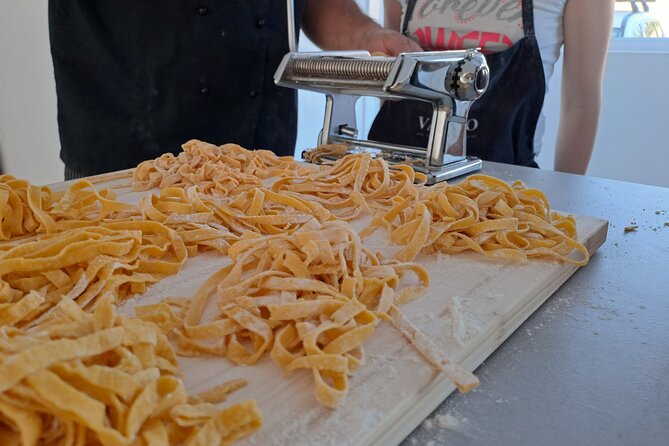
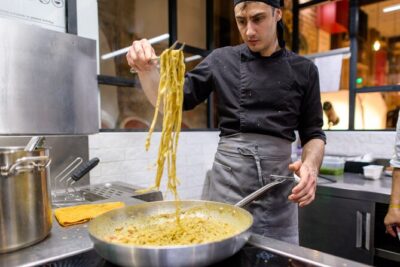
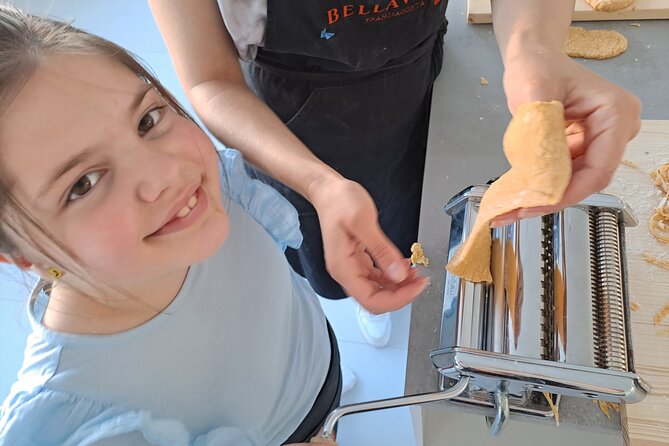
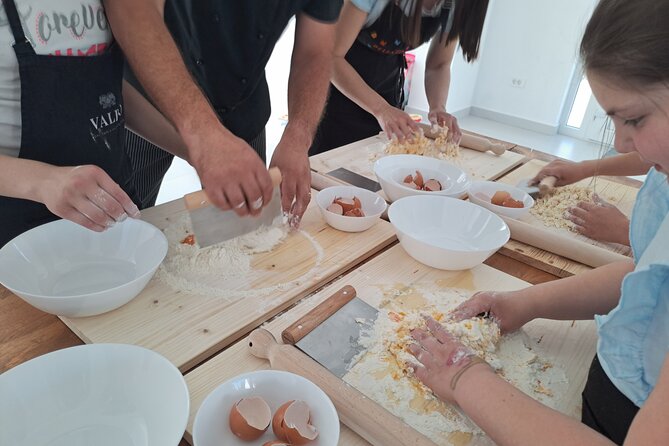
Once the sauce is ready, it’s your turn to make the pasta. You’ll mix and work the dough, then roll and cut it using food cutting procedures designed for safety. That’s a helpful detail because pasta can be intimidating if you worry you’ll mess up or get hurt.
During this stage, your goal isn’t perfection. It’s understanding the feel. When dough behaves well, it rolls and shapes more predictably. When it doesn’t, you’ll know quickly because the process stops cooperating.
For ravioli, you’ll be shaping filled pasta pieces, so consistency in portions and sealing matters. For tagliatelle, the emphasis leans toward rolling and cutting into strips. Either way, you’re learning a repeatable workflow: mix → roll → cut → prep for cooking.
This is one of the class’s strongest points: you get real practice time, not a quick demonstration. And because it’s private, the chef can adjust guidance without the pressure of a big crowd.
Cooking the Pasta and Sitting Down to Eat Your Work
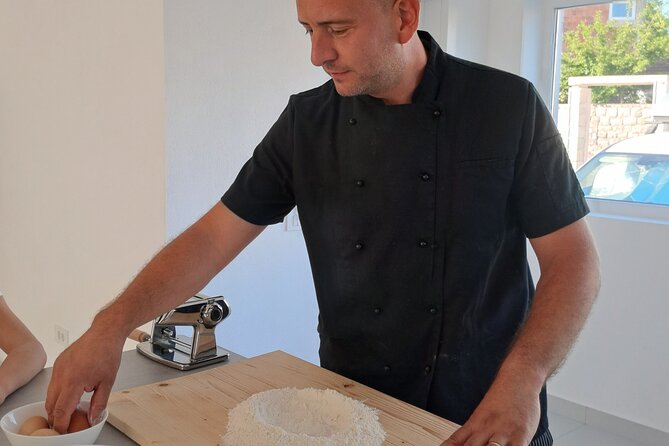
At some point, everything comes together: your pasta is perfectly cooked and ready to serve. This is the moment that turns cooking class into a meal you actually remember.
You sit down to taste your handmade pasta, and it comes with a glass of local Montenegrin wine. That pairing does more than add a nice flourish. It gives you an immediate benchmark for success: how the sauce and pasta taste when it’s all fresh and hot, not reheated later.
I also like the timing and pacing. You’re not rushed through the meal part. You can relax and enjoy the kitchen atmosphere—the smells from sauce and dough work in your favor while you wait for the final cook.
If you’re the type who worries you won’t understand cooking steps without tasting, this format helps. You learn, then you eat what you made, right away. That makes the lessons stick.
The Printed Recipe: Your Ticket Back to Homemade Pasta Night
When the course ends, you’ll receive a printed recipe of the handmade pasta. This is a small detail that feels big later.
At home, having a written recipe saves you from guessing what the chef meant by specific steps. It’s also useful if you want to recreate the process when you’re not standing in the same kitchen with the same guidance. You can also show the recipe to someone else in your group who wants to try.
I’d treat it like a reference, not a perfect copy. The fun is that pasta is hands-on. Your dough might behave a little differently depending on humidity and flour. But the class teaches enough fundamentals that the recipe becomes workable.
Price and Value: What You’re Really Paying For
The price is $51.59 per person for about 3 hours, and it’s a private experience. On paper, that might look like a bargain or like a splurge depending on how you compare it to restaurant meals. The real comparison is value of learning time plus the full meal you eat at the end.
You’re paying for:
- hands-on time making pasta dough and shaping it
- sauce preparation with chef guidance
- cooking and tasting what you produced
- a glass of local Montenegrin wine
- a printed recipe you take home
- private-group attention
If you’ve ever done a “watch and snack” food experience, this won’t feel like that. It’s built around doing, not observing. That’s the key value driver.
Also, the fact that it sells often in advance—about 16 days on average—suggests it’s not just a casual add-on. It’s a popular way to experience local hospitality and Italian technique in the same afternoon.
Who This Pasta Class Fits Best
This class is ideal if you want a real food activity without needing advanced cooking skills. The format supports beginners because you’re guided through each stage, and the chef hosts keep the atmosphere friendly and patient.
It’s also a great pick if you’re traveling as a small group and want something different from sitting at a table for yet another meal. You get the meal and the lesson, and both feel connected.
I’d steer you toward this course if you’re curious about handmade pasta and want to make either ravioli or tagliatelle styles specifically. If you’re only hoping for a quick tasting, you might find it a bit more hands-on than you expected.
Should You Book This Handmade Pasta Class in Kotor?
Yes, I’d book it—especially if you care about learning by doing. The standout reasons are the hands-on pasta making, the warm hosting from Monika and chef Giuseppe, and the payoff of eating your own pasta with Montenegrin wine.
Book it when you can commit to the pasta style you want (morning ravioli or afternoon tagliatelle). And plan to treat the 3 hours as a focused experience, not a side trip you’ll multitask through.
If you want a cooking class that feels like a home kitchen lesson with real results you can repeat, this one is a strong choice.
FAQ
Where does the class start?
The class starts at 9MWM+5XJ, Đuraševići, Montenegro, and it ends back at the same meeting point.
How long is the pasta cooking class?
The experience is about 3 hours.
What pasta can I make?
You can choose between a morning group making ravioli with spinach and ricotta filling, or an afternoon group making tagliatelle with Ragù.
Will I taste the pasta I make?
Yes. After the pasta is cooked, you’ll sit down to taste your handmade pasta, served with a glass of local Montenegrin wine.
Do I get a recipe to take home?
Yes. At the end of the course, all participants receive a printed recipe of the handmade pasta.
Is the tour private?
Yes. This is a private tour/activity, and only your group participates.
What if I have dietary restrictions?
If you have specific dietary requirements or restrictions, you should advise at time of booking.
Cancellation and Safety Notes (Quick Hits)
You can cancel for a full refund if you cancel up to 24 hours in advance of the experience start time. The provider is HACCP Certified for Food Hygiene and Safety (2023).