REVIEW · BARI
Polignano : Typical Cooking Class with Aperitif and wine included
Book on Viator →Operated by Pugliamare · Bookable on Viator
Two hours. Big Apulian flavor. This typical cooking class in Polignano a Mare is interesting because you get a practical pasta lesson plus an aperitif, wine, and a real sit-down meal right after. I love the hands-on pasta shaping (orecchiette and even cavatelli in some sessions with chefs like Daniela and Anna Maria), and I also love that the wine and limoncello show up as part of the evening, not just as an afterthought. One drawback to plan around: recipe copies are not clearly provided, and one guest specifically wished they’d received them after the class.
This is set up for a small group (up to 12 people) and it runs in English, which keeps questions flowing and makes the pace feel manageable. You’re also given the tools, so you can focus on learning rather than figuring out equipment on the fly. I find that matters for a 2-hour format, because you want time to actually make the pasta, not just watch.
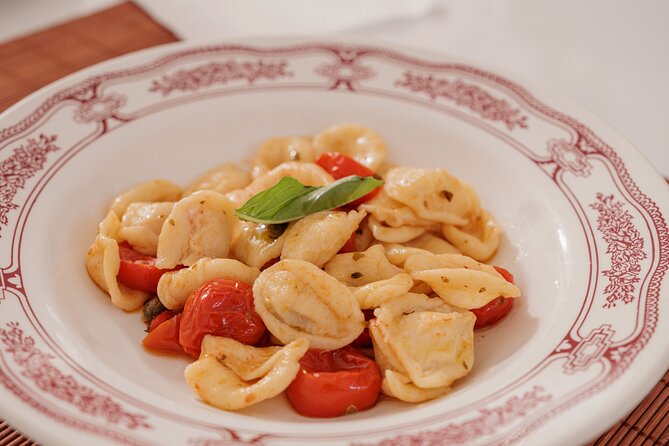
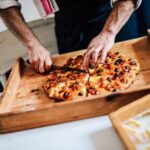
You’ll typically cook and eat orecchiette with tomato and basil sauce, along with Bari-style focaccia and a starter spread of olives, taralli, and pickles. It’s a cozy way to understand Puglia food in a single evening—practical, not performative—and it’s a good match if you want something more hands-on than a standard food stop.
In This Review
- Key highlights you should know
- Polignano a Mare pasta class: why this 2-hour format works
- Meeting on Via S. Vito: getting there without stress
- Hands-on pasta lesson: orecchiette (and cavatelli) shaping skills
- Aperitif, wine, and Apulian starters before dinner
- What you eat: orecchiette, tomato-basil sauce, and Bari-style focaccia
- Small-group vibe with chefs like Anna Maria and Daniela
- Price and value: is $78.09 worth it?
- Should you book this Polignano pasta class?
- FAQ
- FAQ
- How long is the cooking class in Polignano a Mare?
- Is the class in English?
- What pasta dish do you make?
- What’s included with the price?
- Are drinks included?
- Where do I meet for the class?
- Can I cancel for a full refund?
Key highlights you should know
- Expert chef-led, hands-on pasta time so you shape what ends up on your plate
- Aperitif, wine, and dinner included which makes the cost feel more “all-in” than some classes
- Small group (max 12) for faster help and more interaction
- Orecchiette-focused menu plus starters like olives, taralli, and pickles
- Focaccia included in the meal and often taught or discussed by the host
Polignano a Mare pasta class: why this 2-hour format works
This class is built for a quick, satisfying evening. In about two hours, you go from learning basics to eating what you made, which is exactly what I look for when I’m in a new town and I don’t want to sacrifice half a day. If you’ve ever tried to make pasta at home and thought, I need someone to show me the tricks, this format gives you that nudge—fast.
The pacing also helps you stay interested. You start with the food vibe (aperitif and drinks), then you switch to technique (fresh pasta prep), and you end with the payoff (a full meal). That structure is one reason the class earns strong marks for being fun, not just educational.
One thing to keep in mind: the experience description emphasizes orecchiette and dinner, and one clarification notes tiramisu isn’t part of what’s included. So if dessert is your main goal, set expectations accordingly.
You can also read our reviews of more tours and experiences in Bari.

Meeting on Via S. Vito: getting there without stress
The meeting point is Via S. Vito, 20, 70044 Polignano a Mare BA, Italy. Several people found it easy, but at least one guest said their map app struggled and they ended up in the wrong area before someone guided them over. That’s usually a quick fix—just arrive a few minutes early and double-check you’re near the main strip.
You don’t need private transportation, since the class itself covers the chef-led experience, cooking tools, and the meal. Practically, that means you’ll want to plan your day so you’re already in Polignano a Mare (on foot, or with whatever local transit you’re using) when it’s time to go.
Also note the basics: mobile ticket, English offered, and confirmation comes at booking. Nothing fancy, but it helps you show up ready and avoid last-minute scrambling.
Hands-on pasta lesson: orecchiette (and cavatelli) shaping skills
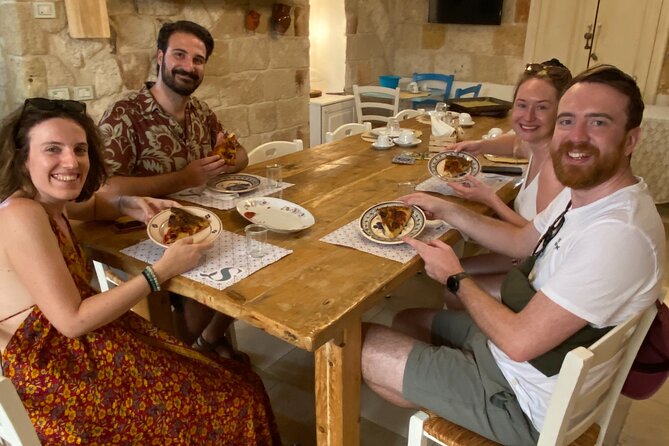
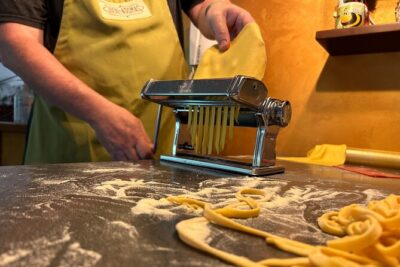
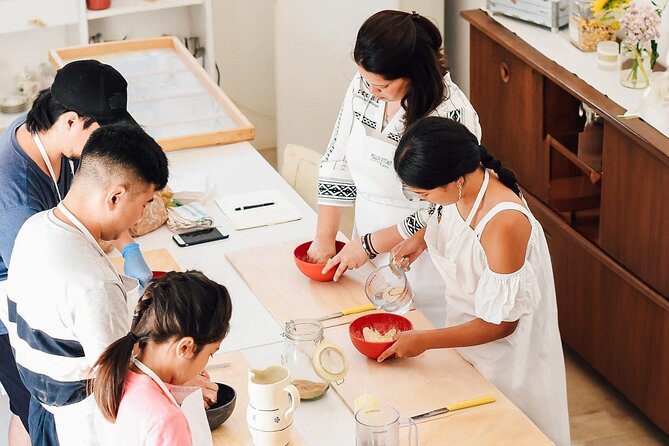
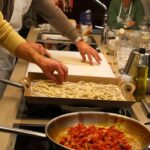
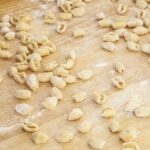
This is the core of the night. You learn to make fresh homemade pasta with a guide, using the necessary tools provided. In the sample menu, the main focus is orecchiette with tomato and basil sauce, and that lines up with the typical Puglian approach: short, shaped pasta that catches sauce.
What you’re really paying for isn’t just the end result—it’s the method. Multiple guests praised the instruction style and the way the chef steps in to correct and encourage as you roll, shape, and work the dough. Some classes are described as making orecchiette alongside cavatelli, so if you’re hoping for variety, you might get it depending on the evening and the chef’s flow.
Skill level matters here. One guest described orecchiette as more challenging than expected, but also said the chef was right there to help. So go in with the mindset of learning a new technique, not with the idea that you’ll instantly nail the perfect shape.
A realistic consideration: at least one review suggested that some elements felt pre-prepared (like parts of the pasta or sauce). That doesn’t necessarily ruin the class—two hours is short—but it’s worth knowing if you strongly want to do every single step from scratch.
Aperitif, wine, and Apulian starters before dinner
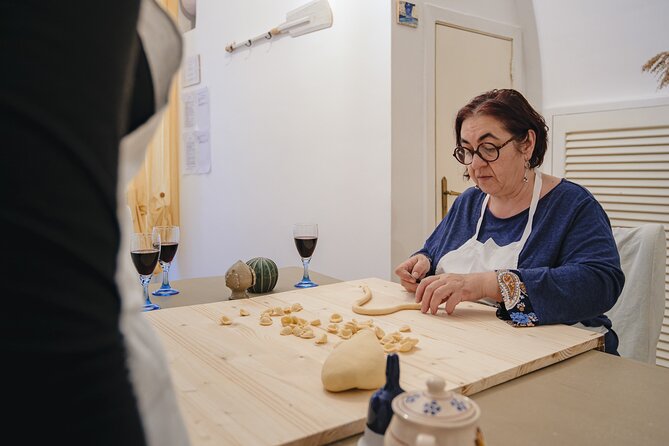
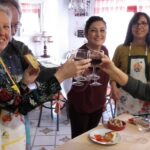
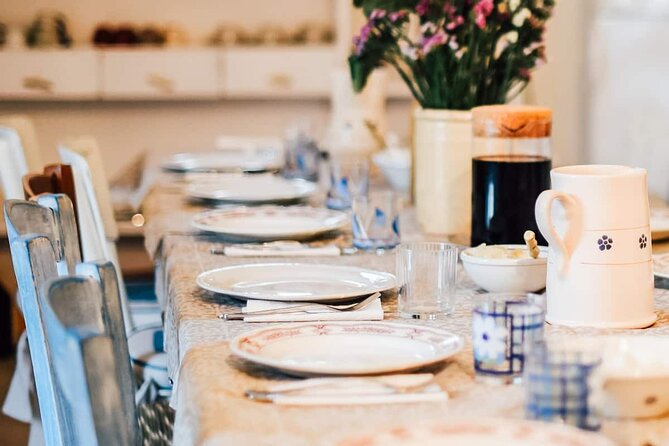
The drinks are part of the experience package. The class includes an aperitif and wine, and some guests also mentioned limoncello, which fits the Puglia habit of turning a meal into a social pause, not a rushed production. You’ll start your evening with local bites while you get oriented, which helps you relax before you start handling dough.
Expect starters that feel genuinely local: olives, taralli, and pickles show up in the menu. This matters because it’s not just filler food. These are the kinds of simple, salty, snackable flavors you’d actually see around southern Italian tables—things that wake up your appetite and make the later pasta taste even better.
If you’re the kind of person who likes to eat while you learn, you’ll probably enjoy this structure. It also makes the class feel less like a workshop and more like a hosted evening.
One practical note: one guest was not thrilled with the tableware, saying the pasta was served on what looked like plastic plates. That’s not something you can fully predict, but it’s a reminder that the focus is food and technique, not fancy presentation.
What you eat: orecchiette, tomato-basil sauce, and Bari-style focaccia
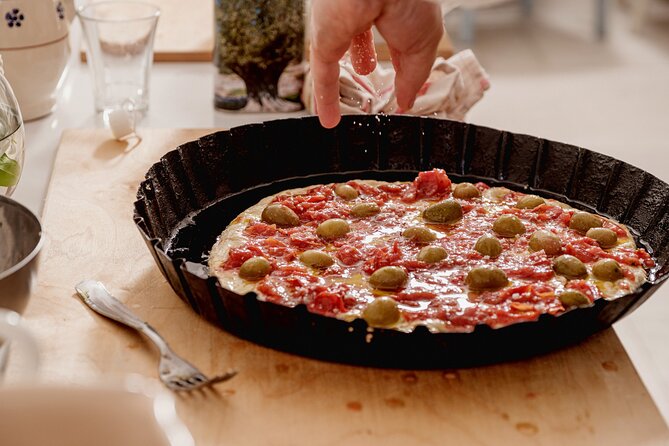
Your meal centers on orecchiette with tomato and basil sauce, plus Bari-style focaccia. That’s a clean, Puglia-forward lineup: simple sauce, strong herbs, and a bread that’s made for tearing and dipping. In other words, it’s the kind of combination that works even if you mess up one batch of pasta—because the rest of the meal still delivers.
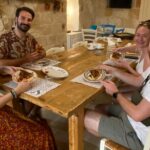
The starter spread (olives, taralli, pickles) keeps the table moving and gives you different textures: crunchy, briny, tangy. Then the pasta brings the comfort. Guests praised the quantity too, saying there was lots to eat, and that the final results tasted great.
And yes, there’s always a social element. A few reviews highlighted hosts who told stories and added humor while teaching. Anna Maria and Daniela came up more than once as engaging, knowledgeable chefs who kept the group smiling while still coaching technique.
One more expectation check: one guest noted the class description seemed to promise tiramisu, but the clarification made it clear the included menu focuses on orecchiette with an aperitif. So if you’re shopping this class as a dessert-focused cooking night, you may feel shortchanged.

Small-group vibe with chefs like Anna Maria and Daniela
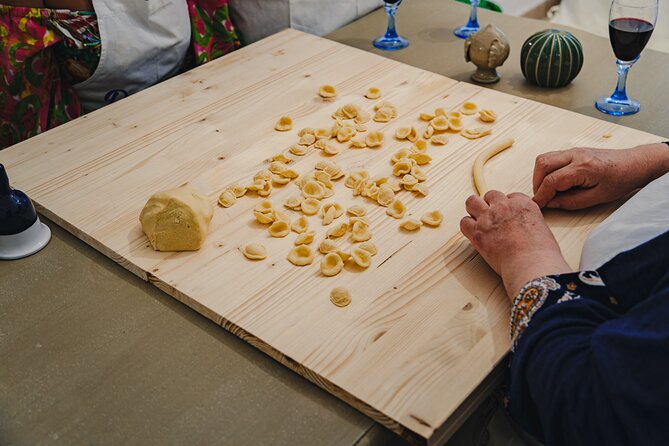
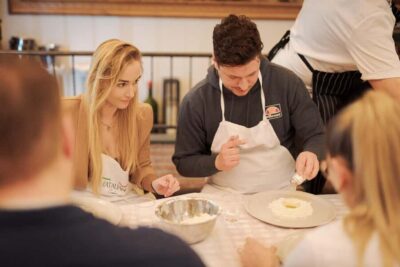
With a maximum of 12 people, you’re not stuck in a lecture hall. The best part of small groups is the feedback loop: when your dough feels off or your shaping isn’t quite right, you can get help quickly. Multiple guests praised the way their chef answered questions and guided them step by step.
The personality of the host seems to matter a lot here. Daniela was described as fun and responsive, while Anna Maria was described as warm, welcoming, and full of stories—someone who teaches with both knowledge and charm. That combination is why this class feels like an evening with good food people, not a rigid cooking demonstration.
Also pay attention to the experience role split: you’re guided by a chef, but you’re doing the work. The cooking is hands-on, which is why families especially seem to like it—kids and adults both get a task they can take seriously without needing advanced cooking skills.
Price and value: is $78.09 worth it?
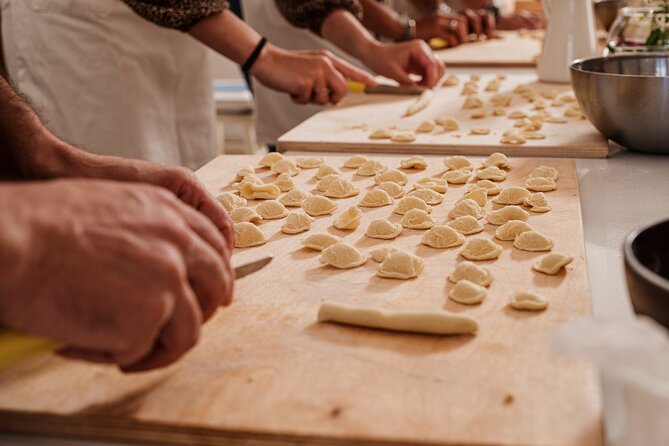
At $78.09 per person for a roughly 2-hour evening, this pricing only feels fair if you account for what’s included: professional chef, cooking lesson, tools, tasting of typical products, dinner, and drinks (including wine and aperitif). If you’ve compared it to doing a meal plus a separate class, the bundle is the value play.
The group size cap (up to 12) helps justify the cost too. It’s not a mass event with one instructor for a hundred people. You’re paying for hands-on attention plus a meal that’s actually part of the program.
The two potential value bumps to watch are the parts that affect how much you personally “make.” If your ideal class is absolutely every ingredient step from scratch, you might want to ask what’s prepared ahead of time. And if you’re picky about table presentation, one review’s complaint about plate type suggests it’s not a luxury dining setup.
Still, the strongest signal here is the repeat praise for instruction quality, fun atmosphere, and a satisfying final plate. For many visitors, that’s the difference between a class you remember and a class you forget.
Should you book this Polignano pasta class?
Book it if you want a hands-on Apulian cooking evening that ends with a real meal and included wine, without committing to a full day. It’s a smart choice for couples, friends, and families who like learning by doing—and for anyone who’s curious about why orecchiette is such a big deal in Puglia.
Consider passing or asking questions first if dessert is a must (tiramisu is not part of the included menu focus), or if you expect every single step to be made from absolute scratch. Also arrive early-ish and double-check your location, because finding Via S. Vito is easy for some people and tricky for others.
FAQ
FAQ
How long is the cooking class in Polignano a Mare?
The experience lasts about 2 hours.
Is the class in English?
Yes, English is offered.
What pasta dish do you make?
The sample menu centers on orecchiette with tomato and basil sauce. Some sessions may include other shapes like cavatelli.
What’s included with the price?
You get a professional chef, the cooking lesson, tools, a tasting of typical products, dinner, and drinks (including an aperitif and wine).
Are drinks included?
Yes. The experience includes drinks, including wine as part of the aperitif.
Where do I meet for the class?
You start at Via S. Vito, 20, 70044 Polignano a Mare BA, Italy, and it ends back at the same meeting point.
Can I cancel for a full refund?
Yes. You can cancel up to 24 hours in advance for a full refund.