REVIEW · BARI
Cooking Class for Pasta Lovers in Polignano a Mare
Book on GetYourGuide →Operated by Puglia Cooking Class · Bookable on GetYourGuide
Fresh pasta beats any package. In Polignano a Mare, this class turns family recipes into a hands-on lesson you can actually use. I like that you cook in a real home setting, not a factory-style demo, and you end with the satisfying payoff of tasting what you made.
My favorite part is the structure: you learn to make two classic Apulian pastas together, orecchiette and cavatelli, instead of just watching one method once. You also get help in English and Italian, plus a nice glass of wine while you work, which keeps the mood relaxed and social.
One thing to consider: it is not suitable for children under 6 years, so if you’re traveling as a family with little ones, you’ll need a backup plan. The class is also only 2.5 hours, so people who want a slow, leisurely craft day might feel slightly rushed.
In This Review
- Key Things That Make This Pasta Class Worth Your Time
- Cooking in Polignano a Mare: Why This Class Feels Different
- Your 2.5-Hour Pasta Sprint: Orecchiette and Cavatelli
- From Flour and Water to Fresh Dough: What You Actually Learn
- Meeting the Host: Instruction That Keeps the Mood Light
- The Wine-and-Cooking Rhythm: Turning Work Into an Afternoon
- What’s Included for $67.97: A Real Value Check
- Tasting and Serving: The Part You’ll Actually Remember
- Who This Class Suits Best (And Who Should Skip It)
- Should You Book This Pasta Cooking Class in Polignano a Mare?
- FAQ
- Where does this cooking class take place?
- How long is the cooking class?
- What pasta types will I make?
- What languages is the instructor able to use?
- Is this class suitable for children?
- What’s included in the price?
- Can I get a refund if my plans change?
- Is it possible to book without paying right away?
Key Things That Make This Pasta Class Worth Your Time
- Two pasta shapes, not one: you’ll work on both orecchiette and cavatelli.
- Learn from flour and water basics: the point is turning simple ingredients into high-quality results.
- A home setting with warm hosting: you cook in an environment described as kind, welcoming, and attentive.
- Wine during the cooking: it helps the class feel like an afternoon with locals, not a workshop chore.
- You eat your own work: the tasting is tied directly to what you shaped by hand.
- Practical take-homes: recipes plus a souvenir photo with your smartphone.
Cooking in Polignano a Mare: Why This Class Feels Different
This pasta class in Apulia is built around one idea: if you can make pasta from scratch, you’ll feel more confident eating (and cooking) Italian food at home. You start with the basics—flour and water—and then build toward dough you can shape and cook properly.
What makes it genuinely appealing is the tone. The host invites you into the kitchen as if you’re there for a family meal, and the experience finishes with tasting the dishes you made. That combination—hands-on learning plus real hospitality—is why people give it a strong rating of 4.7 out of 5.
At 2.5 hours, it’s also a realistic activity for a travel day. You get enough time to learn the method, work with your hands, and sit down to eat, without turning your afternoon into a half-day commitment.
You can also read our reviews of more tours and experiences in Bari.
Your 2.5-Hour Pasta Sprint: Orecchiette and Cavatelli
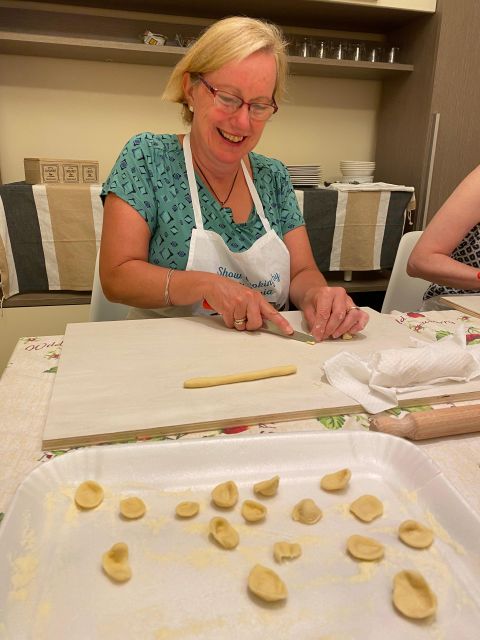
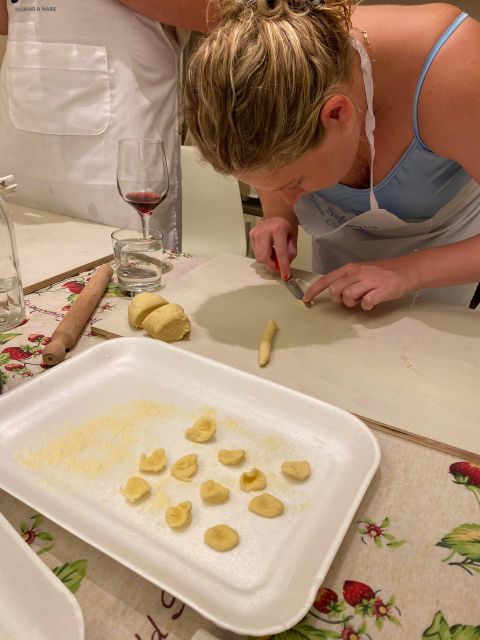
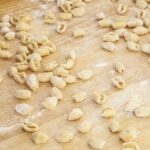
This class is centered on making fresh handmade pasta, and you’ll learn two different types: orecchiette and cavatelli. That matters because these aren’t just different shapes for looks. The texture and form affect how sauce clings and how the pasta feels when you bite into it.
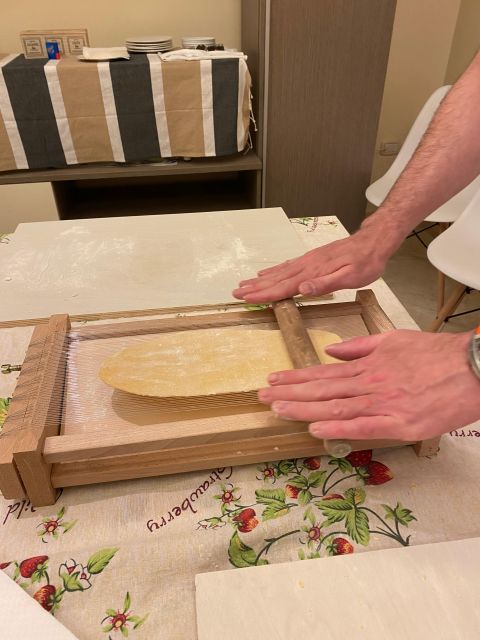
Orecchiette is often associated with rustic Apulian cooking, and the technique for shaping it helps you understand dough consistency. Cavatelli, with its distinctive hollow shape, is another great training step because it teaches you how to create a piece that holds sauce rather than letting it slide off.
Instead of a long lecture, you’re actively forming dough. I like that this class doesn’t treat pasta as a fragile mystery. You’re guided through a repeatable process, so you leave knowing what to do if you want to recreate it later.
And yes, you’ll do it while staying in a friendly group atmosphere. People describe the experience as well-organized and enjoyable, with instruction that keeps you from feeling lost.
From Flour and Water to Fresh Dough: What You Actually Learn
The core learning goal here is simple: start with basic ingredients and end with high-quality pasta. You’ll understand how dough should come together and how small adjustments can change the outcome.
You’re given a workstation for each guest, and the setup includes tools needed for the experience. That’s a practical detail with real value. When you’re cooking at your own station, you’re not constantly sharing one work area while everyone waits their turn.
You also use high-quality ingredients, which makes a difference. Cheap flour or overly dry ingredients can turn pasta-making into a guessing game. With better basics, you can focus on technique instead of fighting the dough.
This is the kind of lesson that pays off later. Even if you don’t replicate the exact shape, the confidence you gain—how pasta dough behaves and what to look for—changes how you cook and how you judge other Italian meals.
Meeting the Host: Instruction That Keeps the Mood Light
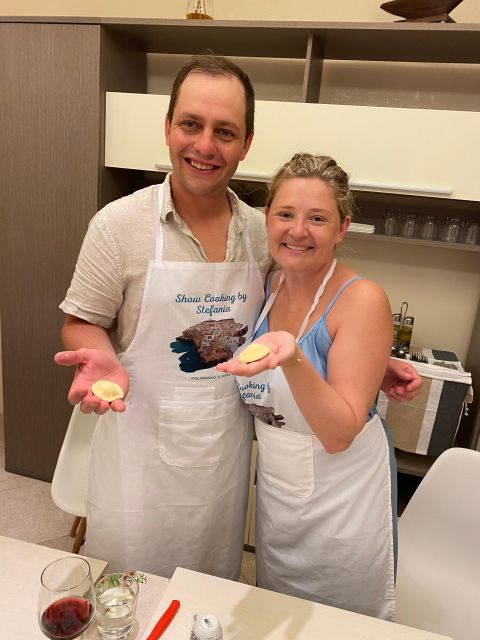
In recent experiences, the host is described as Stephania, and the vibe matches what you want from a pasta class: kind, attentive, and focused on getting you to the finish line. The best cooking teachers don’t just explain; they keep you moving and correct small things before they become big problems.
Because the instructor can work in English and Italian, you’re less likely to get stuck waiting for someone else to translate. That flexibility helps if you have a mixed group of languages in your traveling party.
I also like that the class emphasizes family recipes handed down for generations. You’re not only learning how to make pasta—you’re learning how a household thinks about food. That’s why people leave talking about the flavors and not just the technique.
The Wine-and-Cooking Rhythm: Turning Work Into an Afternoon
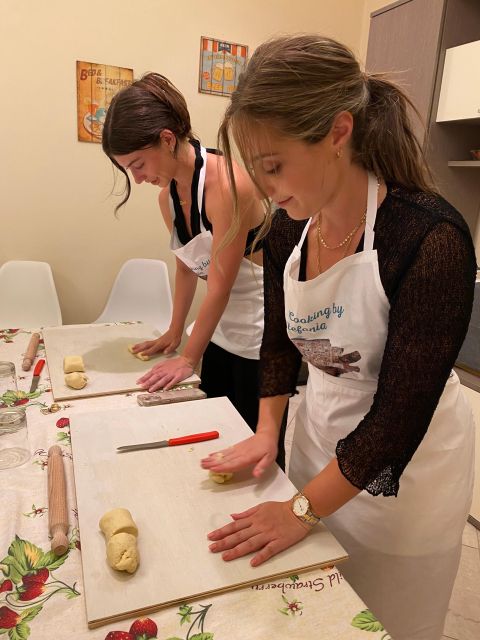
This isn’t a silent culinary lab. You’ll cook together and enjoy a nice glass of wine during the process. That small detail matters more than it sounds, because pasta-making is tactile and timing-sensitive. When the mood is relaxed, you make better choices with your hands.
The pacing also helps. You’ll work through the dough, shape the pasta, and then move into cooking and tasting. By the time you sit down, you’re not just hungry—you’re curious, because you already know how your version of the pasta turned out.
The class also includes drinks, so you’re not scrambling to find something to sip while you cook. That keeps the experience smooth and reduces the mental load of “what do we do now?”

What’s Included for $67.97: A Real Value Check
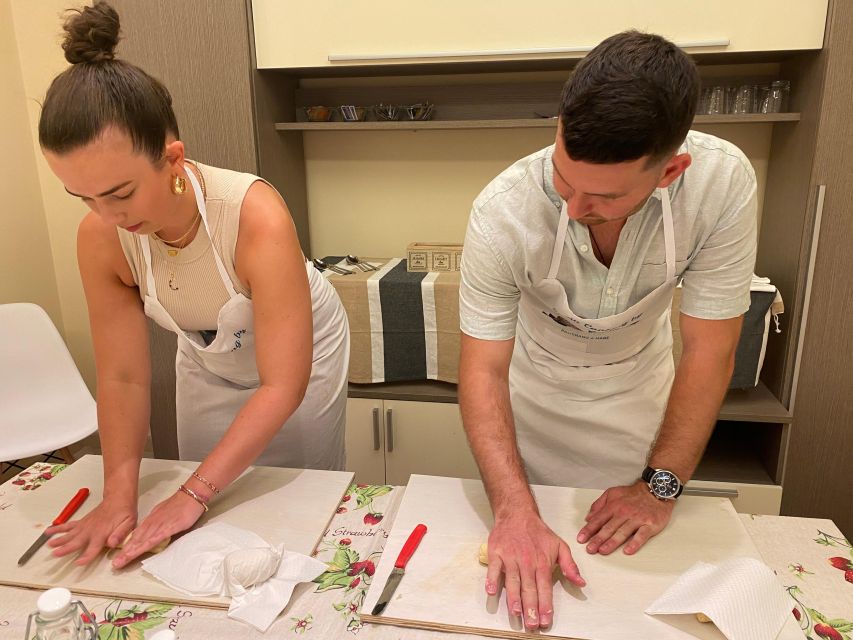
At $67.97 per person, you’re paying for more than “someone talks while you watch.” This class includes:
- A workstation for each guest
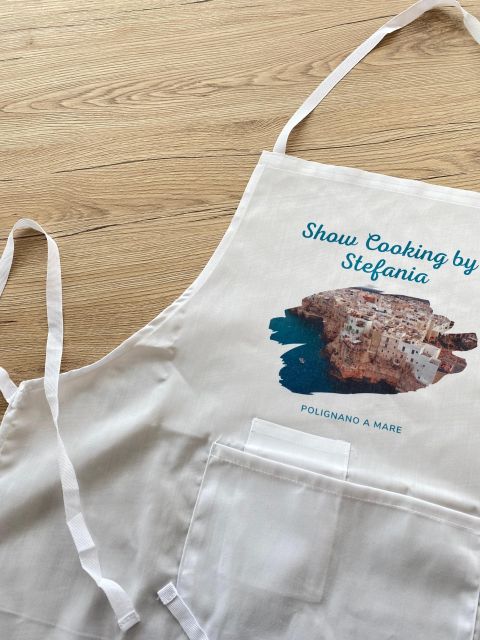
- An apron to avoid ruining your clothes
- Tools necessary for the experience
- Highest-quality ingredients
- Recipes to take home
- A souvenir photo using your smartphone
- Drinks
- Tasting of the prepared dishes
When you look at it this way, the price starts to make sense. You’re essentially buying guided instruction, ingredients, and a full meal outcome. If you tried to recreate this on your own, you’d still need the flour and supplies, plus time to figure out technique.
The recipes are a quiet but important part of the value. Without recipes, cooking classes can feel like a fun memory that fades. With recipes, you have a path to repeat the shapes and flavor choices later.
And the smartphone photo is a nice travel detail. It’s not a fancy production, but it gives you a ready-to-share memento of the day.
Tasting and Serving: The Part You’ll Actually Remember
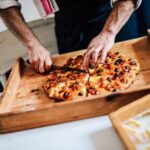
The class ends with tasting—served dishes made with your hands. This is where pasta classes win or lose, because tasting is the proof.
What you’re looking for is flavor plus structure: pasta that feels tender, not chewy in the wrong way, and sauce that clings properly. Since you’re shaping the pasta yourself, you can connect the dots between technique and taste.
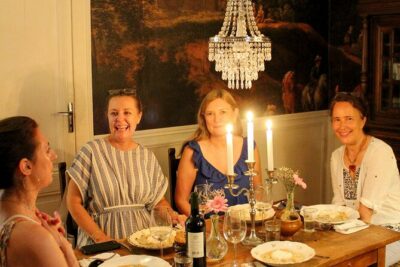
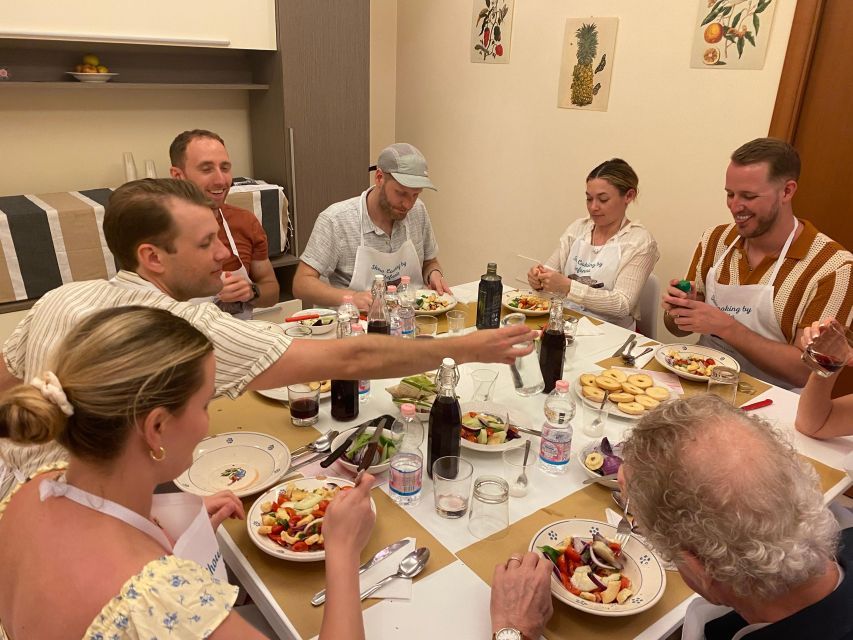
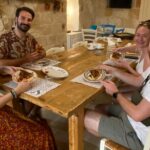
It also feels personal. The host serves what you made, and the atmosphere is described as warm and welcoming. You’re not eating in a detached cafeteria way—you’re sharing a meal that’s tied to your effort.
This is one of those travel moments that sticks. People remember the taste first, and the lesson second. That’s how it should be.
Who This Class Suits Best (And Who Should Skip It)
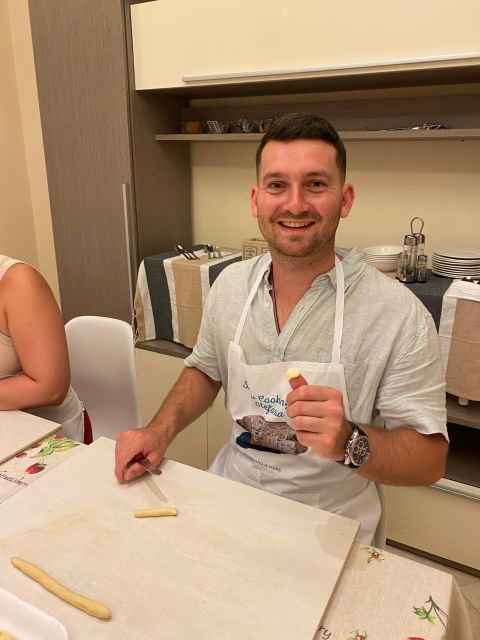
This is a great fit for:
- Pasta lovers who want a hands-on experience, not just a meal
- Travelers who like cooking lessons that feel like home visits
- People who enjoy learning two techniques in one afternoon
- Anyone who wants a skill they can try again after returning home
It may be less ideal if:
- You’re bringing children under 6 (the class isn’t suitable)
- You want a long, slow cooking retreat (2.5 hours is focused and efficient)
- You’re looking only for a sightseeing-style experience rather than a meal-focused one
If you’re already planning time in Apulia, this class also works as a tasty cultural break. You get to learn the food culture in a way that’s practical, not just observational.
Should You Book This Pasta Cooking Class in Polignano a Mare?
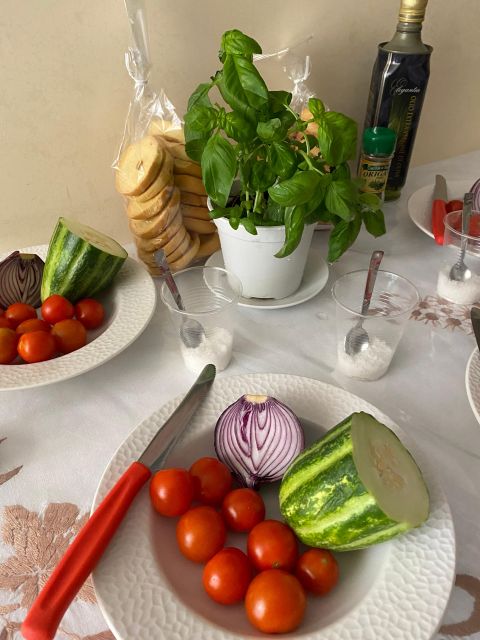
I’d book it if you want an authentic Apulian cooking experience with real instruction and a satisfying finish. The combination of family recipes, hands-on shaping of orecchiette and cavatelli, and a meal outcome makes it more than a fun half-day activity.
If you care about value, this one checks a lot of boxes: workstation, apron, tools, quality ingredients, recipes, drinks, smartphone photo, and tasting are all included. For a single set price, that’s a neat package.
One final practical tip: if you’re a stickler for timing, plan your afternoon so you can fully enjoy the whole 2.5 hours. This class is designed as a complete arc—from dough to tasting—so don’t schedule it like a quick stop.
FAQ
Where does this cooking class take place?
It’s located in Apulia, Italy, in Polignano a Mare.
How long is the cooking class?
The duration is 2.5 hours. Starting times vary, so you’ll want to check availability.
What pasta types will I make?
You’ll prepare two pasta types together: orecchiette and cavatelli.
What languages is the instructor able to use?
The instructor can teach in English and Italian.
Is this class suitable for children?
It is not suitable for children under 6 years.
What’s included in the price?
You get a workstation for each guest, an apron, tools, high-quality ingredients, recipes, a souvenir photo with your smartphone, drinks, and tasting of the dishes you prepare.
Can I get a refund if my plans change?
Yes. You can cancel up to 24 hours in advance for a full refund.
Is it possible to book without paying right away?
Yes. It offers reserve now & pay later, so you can book and pay nothing today.