REVIEW · FLORENCE
Cesarine: Cooking Class with tasting at Local’s Home in Florence
Book on Viator →Operated by Cesarine: Cooking Class · Bookable on Viator
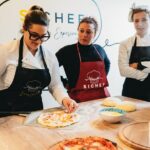
Florence tastes better when you cook it. This experience is interesting because you learn Florence classics in a local home setting, not a show-kitchen. I love how the class is private and small (max 10), so you get real back-and-forth while you work. One thing to consider: it’s hands-on in someone’s home, so you’ll want to be comfortable with a shared kitchen space and following the house rules (including distance and masking guidance when needed).
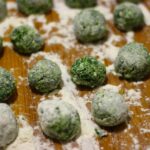
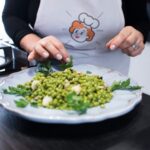
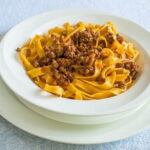
I also really like the way you finish with a proper tasting: you make dishes like gnudi or pici or pappardelle (and you’ll have potato tortelli options), then you sit down to enjoy what you cooked with local wine and coffee. That food-at-the-end part matters, because cooking classes can turn into lessons-without-eating. Here, you actually get to taste the results.
Price is $191.27 per person for about 3 hours, so it’s not the cheapest meal you’ll have in Florence. Still, you leave with a Cesarina cooking apron and shopping bags, which helps the experience feel like more than a one-off dinner.
In This Review
- Key Things I’d Pay Attention To
- Why a Cesarina Home Class Works So Well in Florence
- The 3-Hour Flow: From Meeting to Tasting, Then Home Souvenirs
- What You’ll Cook: Florence Mainstays Like Gnudi, Pici, Pappardelle, and Tortelli
- Dessert Moment: Cantucci, Castagnaccio, Panpepato, and Tiramisu
- Tasting With Local Wine and Coffee: How the Meal Becomes the Lesson
- Chef Luca and the Cesarina Teaching Style: More Than Steps on a Page
- Small Group, Local Home Setting, and the Sanitary Rules You’ll Actually See
- Near Public Transportation: Scheduling Without the Whole Logistics Headache
- Price and Value: What You Get for $191.27
- Who This Class Fits Best (and Who Might Want Something Else)
- Should You Book This Florence Cesarina Cooking Class?
- FAQ
- Do I need to print anything to attend?
- What language is the cooking class offered in?
- How long is the class in Florence?
- How many people are in the group?
- Where does the experience start and end?
- What menu can I expect to cook and taste?
- Is there wine or coffee included?
- What souvenirs do I take home?
- When will I get confirmation of my booking?
- What’s the cancellation policy?
Key Things I’d Pay Attention To
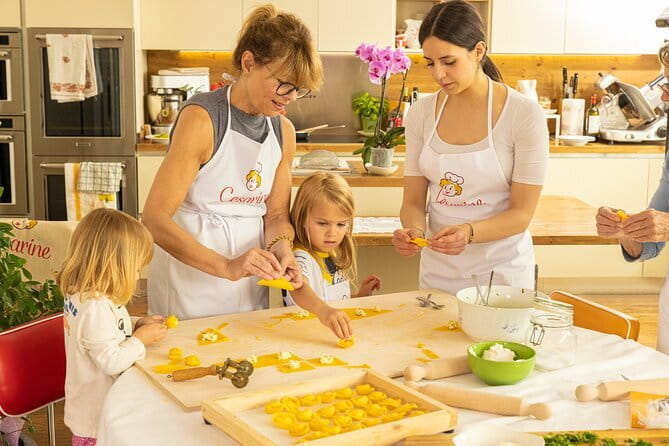
- Cesarina-led lessons in a real home setting, with a maximum of 10 people
- Menu choices for the main course, including gnudi, pici, pappardelle, or potato tortelli
- Tasting with a glass of local wine and coffee, tied directly to what you cook
- A clear souvenir set: apron plus shopping bags to take home
- English-speaking instruction in a small-group format
- Sanitary focus in the home, including 1 meter distance guidance and mask/glove use if needed
Why a Cesarina Home Class Works So Well in Florence
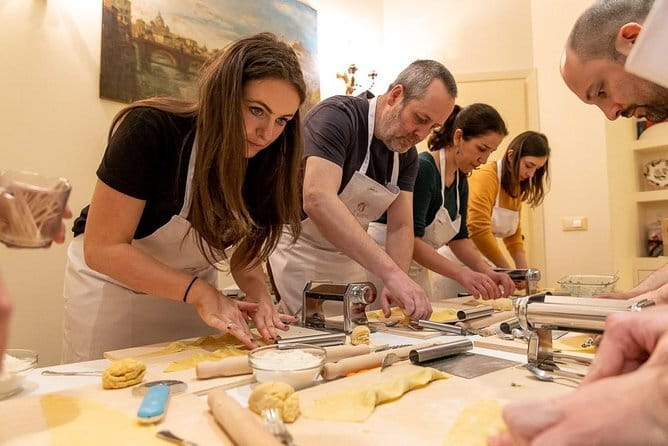
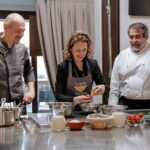
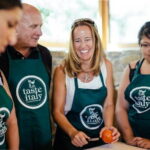
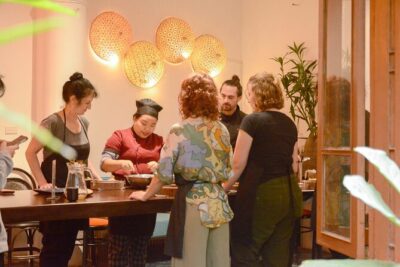
Florence can be a feast of museums, churches, and photo spots. But food is where the city starts talking back. This class leans into that. You don’t just order Florentine food and call it a day. You cook alongside a Cesarina (a local home cook who hosts), guided through Florence favorites and finished with a sit-down tasting.
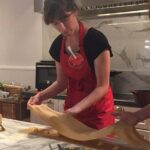
The home setting is the real value here. Restaurant classes can feel like a performance with ingredients. A Cesarina home class tends to feel like being invited in, with the rhythm of a neighborhood kitchen. You’re learning through doing—hands-on steps, questions answered in plain language, and the kind of teaching that sticks because your senses are involved.
And the group size matters. With up to 10 people, you’re not yelling over a crowd or waiting forever for clarification. In a city where timelines move fast, I like anything that slows you down just enough to learn.
You can also read our reviews of more tours and experiences in Florence.
The 3-Hour Flow: From Meeting to Tasting, Then Home Souvenirs
The experience runs about 3 hours and starts in Florence, with the activity ending back at the same meeting point. That makes planning easier. You can fit it into your day without a complicated transportation puzzle.
What you can expect in the flow:
- You meet the Cesarina at the designated start point in Florence.
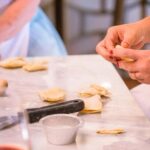
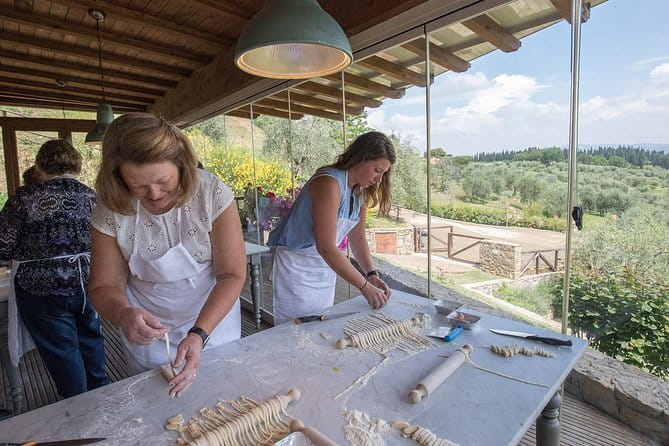
- You move into the cooking portion together as a small group.
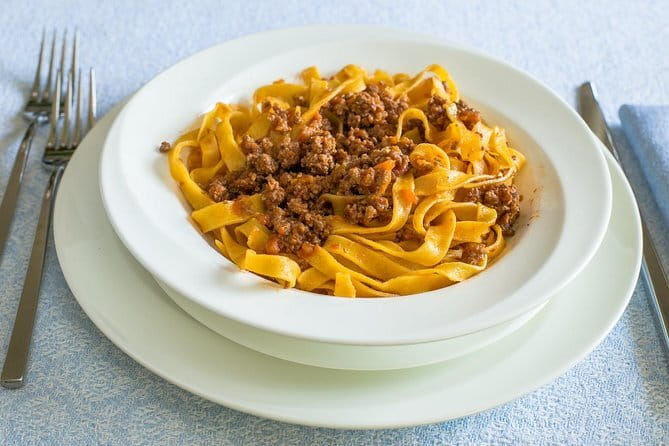
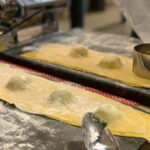
- You prepare a menu that follows the class options: a seasonal starter, a main choice (gnudi, pici, pappardelle, or potato tortelli), and a dessert option.
- You then taste what you made with a glass of local wine and coffee.
- Finally, you leave with a Cesarina apron and shopping bags.
The best part of this structure is the payoff. Many cooking classes teach techniques but then send you away to find food elsewhere. Here, the tasting comes right after your work. That timing helps you connect what you did to what you’re tasting.
What You’ll Cook: Florence Mainstays Like Gnudi, Pici, Pappardelle, and Tortelli
Your class menu is built around a clear set of options. That’s good. It keeps the experience manageable in a home kitchen and gives you a choice for what you’ll learn to make.
Here’s the menu structure you’ll plan around:
- Starter: Seasonal starter
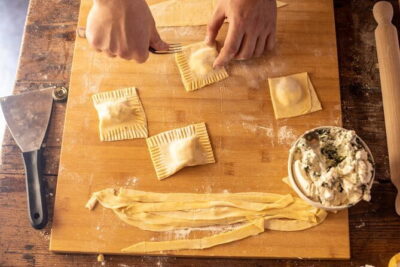
- Main course: You choose among gnudi or pici or pappardelle or potato tortelli
- Dessert: Cantucci or castagnaccio or panpepato or tiramisu (or similar)
The practical benefit of having multiple main-course options is that the class can adapt to your comfort and tastes. If you like pasta styles, you can lean toward pici or pappardelle. If you want something centered around tortelli, potato tortelli is your path. Even if you’re not sure what you’ll like yet, the format is set so you’re not wandering in the dark.
Also, this isn’t just about one dish. You’ll touch multiple parts of the menu—starter, main, dessert—so you get a fuller sense of what Florence eating looks like. That’s useful when you later scan menus in restaurants. You’ll recognize patterns in what’s served and how desserts show up in the mix.
Dessert Moment: Cantucci, Castagnaccio, Panpepato, and Tiramisu
Dessert is where I often learn the most in Italy, because it’s where technique and timing show up fast. In this class, dessert choices include cantucci, castagnaccio, panpepato, or tiramisu.
Even without getting into a long list of ingredient specifics, you’ll likely notice one big thing: dessert isn’t an afterthought. It’s part of the menu plan, and you taste it as a finished result along with coffee.
One instructor named Chef Luca is especially praised for the way he teaches desserts with a full-senses approach. That includes descriptive cues that go beyond taste—like paying attention to the sound you might hear when you spoon into tiramisu. That kind of detail sounds quirky until you realize it trains your brain to notice what “done” feels and sounds like, not just what it looks like.
If you’re the type who wants to understand how food works—rather than just copy a recipe—dessert is a great place to do that.
Tasting With Local Wine and Coffee: How the Meal Becomes the Lesson
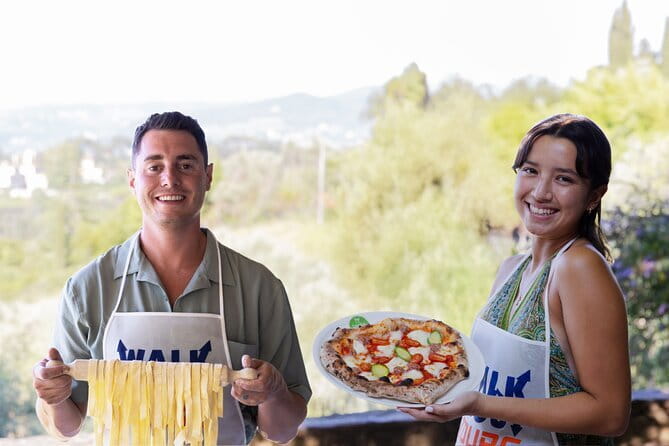
After you cook, you’ll taste your work with a glass of local wine and coffee. This is more than a finishing flourish. It’s where the class converts into a real memory.
Here’s why that pairing works:
- Wine gives you a baseline for how flavors should land.
- Coffee helps reset your palate right after dessert.
- Eating together in a calm moment lets questions come up naturally while you’re tasting.
I like classes that include tasting because it’s where you learn what to adjust next time. Maybe you’ll notice a texture difference you didn’t expect. Maybe you’ll understand why a certain step matters more than you thought. Either way, you come away with something you can repeat later at home.
And yes—having wine in the mix can also make the whole thing feel less like school and more like a meal you earned.
- Cooking Class and Lunch at a Tuscan Farmhouse with Local Market Tour from Florence
★ 5.0 · 4,831 reviews

Chef Luca and the Cesarina Teaching Style: More Than Steps on a Page
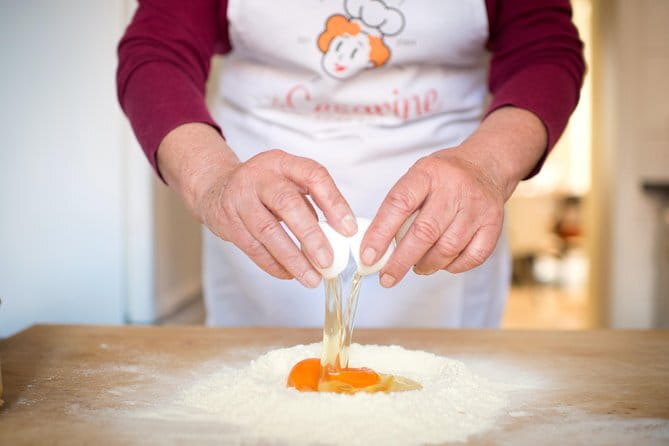
One of the strongest signals from people who loved this experience is that the instruction feels thoughtful, not robotic. Chef Luca is mentioned as an incredibly talented instructor, and the teaching approach is described as engaging and centered on multiple senses—taste, touch, smell, sight, and even sound.
That matters because cooking is not just measurements. It’s judgment. Great instruction helps you build that judgment. When someone teaches you what to notice, you start cooking with awareness instead of guesswork.
There’s also a mention of accommodations for lactose intolerance. That tells me it’s worth raising dietary needs ahead of time and not assuming a fixed menu will automatically work for you. A good host will try to help, but you should help them help you by communicating early.
The bottom line: you’re not just getting a list of steps. You’re getting a mental toolkit for cooking Florentine favorites in a way you can carry forward.
Small Group, Local Home Setting, and the Sanitary Rules You’ll Actually See
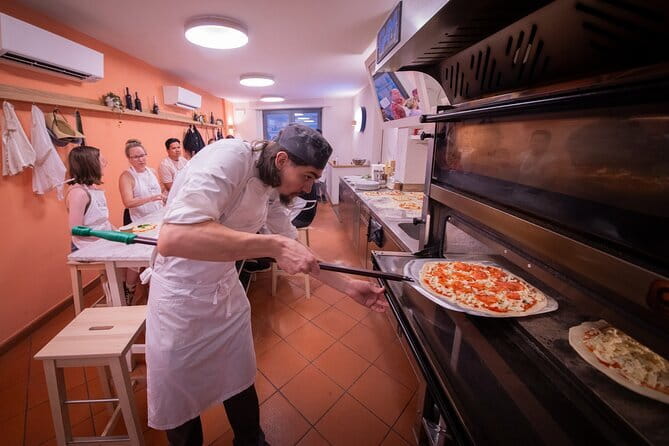
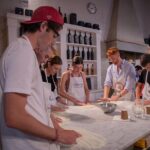
This class caps at 10 travelers, and it happens in a local home. That combination changes the tone. It’s friendlier, more conversational, and less chaotic than larger group tours.
It also comes with expectations you’ll need to follow. The hosts emphasize important sanitary rules in the home. The guidance includes:
- Maintaining 1 meter distance
- Wearing masks and gloves if distance isn’t possible
The good part is that the homes provide essential sanitary equipment like paper towels for washing hands and hand sanitizing gel. That means you’re not arriving to a totally unmanaged situation.
Practical takeaway: plan to be flexible. In a home kitchen, space is space. If you keep your expectations grounded, you’ll enjoy it more.
Near Public Transportation: Scheduling Without the Whole Logistics Headache
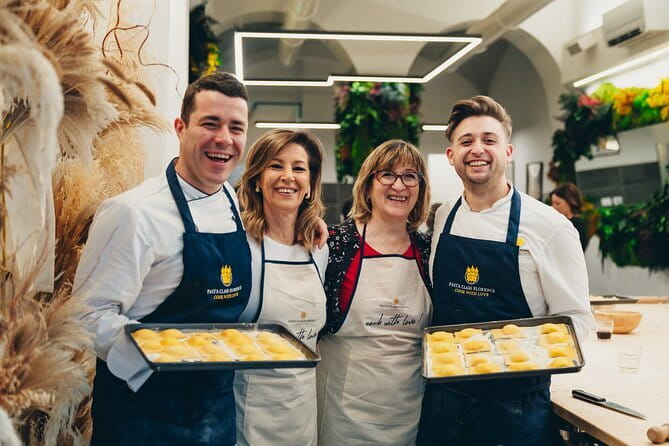
The start/end point is in Florence, and it ends back at the meeting point. The meeting location is also described as near public transportation.
That helps you plan like a traveler, not like a planner. You can build the class into a normal day of walking and transit. And because the tour is about 3 hours, you don’t have to block off half your Florence visit.
If you’re juggling other plans—museums, a long lunch, a sunset stroll—this length is a sweet spot. Long enough to learn something real. Short enough to still see the city.
Price and Value: What You Get for $191.27
$191.27 per person for about 3 hours isn’t pocket change. So I judge the value by what’s included in the experience itself.
Here’s what you’re paying for, based on what the class delivers:
- A Cesarina-led cooking class in a home setting
- Hands-on preparation of a starter, a main choice, and a dessert choice
- A tasting that includes local wine and coffee
- A takeaway souvenir set: a Cesarina cooking apron and shopping bags
- English-speaking instruction (so you aren’t stuck translating in your head)
What I like about this value setup is that it includes both learning and eating. You’re not just buying the activity. You’re buying the final meal moment too. And the souvenirs are not random trinkets; they connect to what you did during the class.
If you’re the type who wants one memorable, skill-based experience in Florence—not just another pass through a market—this price starts to make sense.
Who This Class Fits Best (and Who Might Want Something Else)
This is a strong match for you if:
- You like food enough to want to learn how it’s made
- You want a smaller group experience in Florence
- You enjoy sitting down to actually taste what you cooked
- You’re comfortable following sanitary house rules
- You want English instruction while cooking
It may not be the best fit if:
- You only want to eat and skip the hands-on part
- You’re looking for something faster than 3 hours
- You’re extremely sensitive to dietary issues and haven’t planned to communicate them in advance
For most people who come to Florence thinking food will be a highlight, this lands nicely. It’s one of the ways you leave with something more lasting than photos.
Should You Book This Florence Cesarina Cooking Class?
Yes, I think you should book it if you want a real Florence food experience with direct instruction and a meal at the end. The combination of a home setting, a small max group, and the tasting with local wine and coffee is a strong package. Add the apron and shopping bags, and you end the day with something tangible.
If you have a food intolerance or dietary needs, treat this as a good sign rather than a risk—but do plan to mention it clearly before your class. And remember: in a home kitchen, you’re part of the space. Go in with a flexible attitude, and you’ll get a lot out of it.
FAQ
Do I need to print anything to attend?
You’ll receive a mobile ticket.
What language is the cooking class offered in?
The class is offered in English.
How long is the class in Florence?
It’s about 3 hours.
How many people are in the group?
The class has a maximum of 10 travelers.
Where does the experience start and end?
It starts in Florence, Metropolitan City of Florence, Italy, and ends back at the meeting point.
What menu can I expect to cook and taste?
You’ll have a seasonal starter, a main course choice such as gnudi, pici, pappardelle, or potato tortelli, and a dessert such as cantucci, castagnaccio, panpepato, tiramisu, or similar.
Is there wine or coffee included?
Yes. The tasting includes a glass of local wine and coffee.
What souvenirs do I take home?
You receive a Cesarina cooking apron and shopping bags.
When will I get confirmation of my booking?
Confirmation will be received at the time of booking.
What’s the cancellation policy?
Free cancellation is available up to 24 hours in advance for a full refund.
You Might Also Enjoy
More Tour Reviews in Florence
- Cooking Class and Lunch at a Tuscan Farmhouse with Local Market Tour from Florence
★ 5.0 · 4,831 reviews