REVIEW · BARI
Bari: Apulian Cooking Class – Fresh Pasta and Focaccia
Book on GetYourGuide →Operated by juanita_kitchen_ · Bookable on GetYourGuide
Fresh pasta and focaccia in a real home.
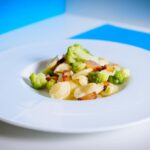
This Bari, Apulia cooking class turns traditional dough-making into something you can actually repeat at home, with a local family-style approach that feels warm and practical instead of showy. I especially like that you focus on the nuts-and-bolts steps that make Bari recipes taste the way they do, not vague food theater.
What really makes this worth your time is the chance to learn oregchiette-style technique (with water and local semolina) and then bake Bari focaccia that you shape and taste right after. One thing to keep in mind: you’ll be working with dough and eating what’s served, so if you have food allergies or strong dislikes, confirm ahead of time and ask for what you need.
In This Review
- Key Things to Know Before You Go
- Why Bari’s Orecchiette and Focaccia Work So Well Together
- Meeting Near Bari Centrale: Easy to Reach, Easy to Settle In
- Orecchiette Dough: Water and Local Semolina, Done the Bari Way
- Bari-Style Focaccia: Knead, Shape, Bake, and Go for Crunch
- The Best Part: Eating Your Results with Local Wine, Water, and Coffee
- Tips for Repeating the Class at Home (So It’s Not One and Done)
- Price and Value: What $101 Buys in Bari
- Who This Class Fits Best (And Who Might Want Something Else)
- Should You Book This Bari Cooking Class?
- FAQ
- What dishes will I learn to make in this Bari cooking class?
- How long is the cooking experience?
- Does the class include food and drinks?
- Are vegetarian options available?
- What languages are the instructor’s lessons offered in?
- Is the instructor able to accommodate food allergies or intolerances?
Key Things to Know Before You Go
- Orecchiette from scratch: You make the dough and form the pasta yourself, using water plus local semolina
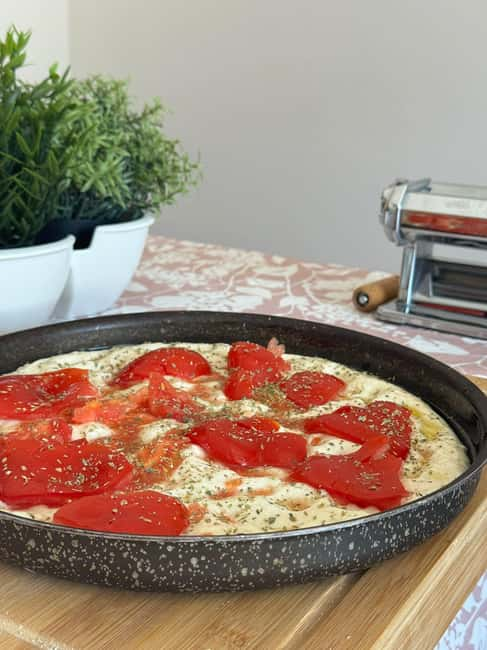
- Bari focaccia, hands-on: You knead, shape, and bake a traditional style meant to come out crunchy
- You eat what you make: The class ends with a tasting plus local wine, water, and coffee
- Clear, patient teaching: The tone is supportive and step-by-step, with plenty of guidance
- Recipes to take home: You leave with written instructions so you can cook again later
- Vegetarian option on request: If you need it, ask in advance so the menu can fit you
Why Bari’s Orecchiette and Focaccia Work So Well Together
If you’ve only had orecchiette at a restaurant, you may not realize how much of the magic is in the dough itself. In Bari and across Apulia, pasta and bread aren’t side characters. They’re the center of the meal and the foundation of how people feed family and friends.
This class focuses on two things that pair naturally: orecchiette (known for its distinctive shape and toothsome bite) and Bari-style focaccia (crisp on the outside, tender inside, with that satisfying “you can smell it before you tear it” energy). Learning both in one sitting is smart. You’ll start to see how local ingredients and handling methods shape flavor and texture.
You can also read our reviews of more tours and experiences in Bari.
Meeting Near Bari Centrale: Easy to Reach, Easy to Settle In
You’ll meet close to Bari’s central station and within reach of the city’s main shopping streets and historic sights. That matters more than it sounds. When an experience starts in a convenient spot, you don’t spend your pre-class time navigating barriers, alarms, or long transit plans.
Once you’re welcomed, the rhythm is simple: hands-on cooking first, then the tasting. Based on what people say about the host, you can expect a calm pace and plenty of instruction. That’s a big deal when you’re forming pasta and kneading dough—skills that go from “I think I can” to “oh, that’s how you do it” fast.
Also, the teaching language is English and Italian, so you’re not stuck guessing what a step means. You can usually tell quickly if an instructor can explain something clearly, and this one clearly aims for clarity.
Orecchiette Dough: Water and Local Semolina, Done the Bari Way
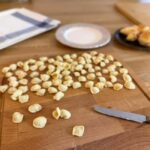
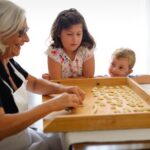
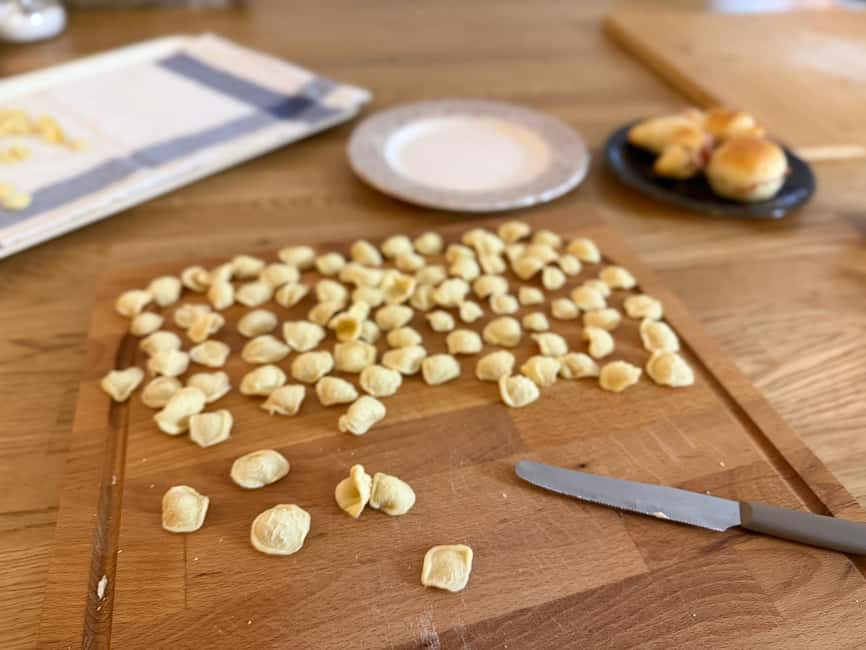
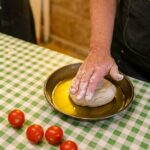
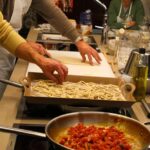
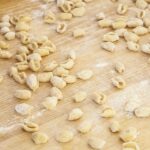
The orecchiette part of the class is where you get real technique, not just participation. You’ll prepare the pasta dough using water and local semolina, then form the orecchiette pieces by hand.
Here’s the practical value: making the dough teaches you what to watch for—dough consistency, how it comes together, and how it responds when you knead. Restaurant pasta can taste great, but you don’t get feedback. In a class like this, you get immediate correction when something needs adjusting.
Then comes the shaping. Orecchiette aren’t just “small rounds.” Their look and texture matter because they affect how sauces cling and how the bite feels. You’ll learn how to create that shape through the movements and handling that match the traditional method used in Bari homes.
Two tips worth keeping in mind for your own practice later:
- Pay attention to how the dough feels rather than only how it looks.
- Don’t rush the shaping; this is one of those tasks where steady pressure beats speed.
Bari-Style Focaccia: Knead, Shape, Bake, and Go for Crunch
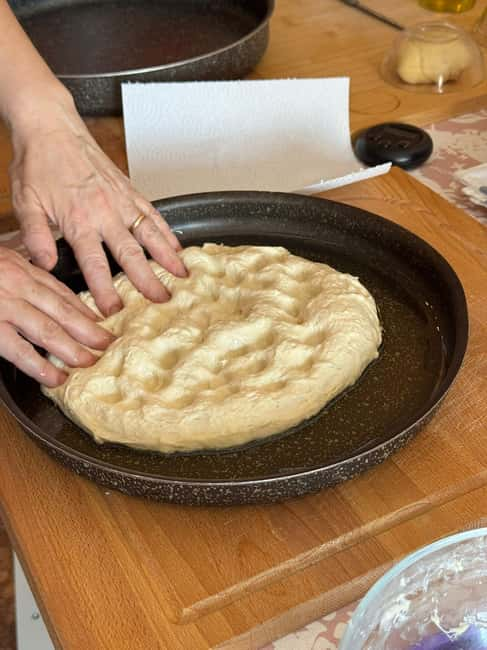
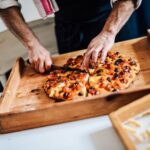
After pasta, you move to focaccia—bread with serious personality. Bari focaccia is known for its crunchy, tasty results, and the class treats it like real bread craft. You knead, shape, and bake in the traditional style.
Kneading is more than arm work. It develops structure so the bread bakes up with the right interior texture and a crust that delivers the crunch. If you’ve ever made bread at home and felt like it came out dense, you’ll understand why technique matters after doing it here: you’re building the dough, then letting it become bread through baking.
This is also a great moment to learn how traditional baking methods translate into your home kitchen. The class includes tips and tricks aimed at helping you replicate the recipe later. That means you’re not just collecting a memory—you’re collecting a workflow.
When you’re shaping focaccia, you’ll also see how thickness, handling, and the final form affect the bake. Even small differences can change crust level and chew. You’ll leave with a clearer sense of why focaccia tastes like focaccia, instead of just being “flatbread.”
The Best Part: Eating Your Results with Local Wine, Water, and Coffee
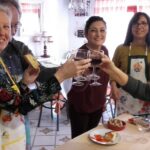
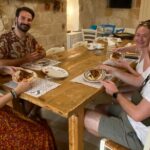
The class doesn’t end when the oven turns off. It ends with you tasting what you made—paired with local wine, water, and coffee.
This is where the value clicks for most people. Hands-on cooking classes often stop at the lesson. Here, the tasting is built in, so you can judge texture, salt level, and flavor balance while the food is fresh and at its best.
A nice bonus: some sessions include extra homemade specialties beyond the main dishes. That can add variety to what you eat without turning the event into a long buffet. The general vibe is that the host keeps things warm, welcoming, and genuinely focused on feeding you well.
If you’re sensitive to alcohol, plan accordingly. Wine is part of the included experience, and you’ll be drinking in a social setting. If that’s not your style, just tell them your preference so you can enjoy the food without forcing it.
Tips for Repeating the Class at Home (So It’s Not One and Done)
One of the smartest parts of this experience is that you’re not left with only the memory of good bread and pasta. You’re also given recipes to keep experimenting with Apulian cuisine, plus practical advice during the lesson.
That’s the difference between a fun evening and a skill you can use. At home, you’ll hit the same questions again: How firm should the dough be? What should the pasta dough look like once it’s ready? How do I get focaccia to come out crisp without drying it out?
During the class, you’ll get tips and tricks aimed at solving those exact issues. And because you’re making both components yourself, you can compare notes. If your focaccia came out softer than expected, you’ll know what kind of dough feel or handling might need adjusting next time.
Also, if you’re cooking for friends, you’ll appreciate that these are approachable dishes with big payoff. Orecchiette and focaccia are the kind of food people remember, and you’ll finally know what goes into them.
Price and Value: What $101 Buys in Bari
At $101 per person for a 2.5-hour class, this isn’t the cheapest ticket in town—but it’s also not priced like a fancy restaurant meal.
Here’s the value breakdown that makes it feel fair:
- You get hands-on instruction for two core dishes: orecchiette and focaccia
- Ingredients and making-the-dough steps are included
- The tasting includes water, local wine, and coffee
- You take home recipes, so the class keeps paying off after the final bite
When cooking classes are overpriced, it’s often because you spend most of the time watching. Here, you’re doing the work. That’s what you’re paying for: the chance to learn technique with guidance, then taste the results.
If you like food but don’t want to spend all day in the kitchen, 2.5 hours is a solid length. Long enough to learn actual steps, short enough that you can still enjoy Bari afterward.
Who This Class Fits Best (And Who Might Want Something Else)
This is a great fit if you:
- Want a practical cooking experience in Bari, focused on real technique
- Like Italian food that’s tied to place, not just general pasta knowledge
- Enjoy learning in a small-group, hands-on way with clear guidance
- Want something you can recreate later with recipes in hand
It’s also a strong choice for anyone who enjoys meeting locals through food, because the class is hosted like a family-style lesson rather than a staged demo.
You might want to think twice if:
- You have allergies or food intolerances and haven’t confirmed what can be accommodated
- You’re not interested in hands-on kneading and shaping
- You’d rather skip wine entirely and don’t want alcohol involved at all
On the vegetarian side, options are available on request. That’s good to know if you eat vegetarian, but make sure you mention it ahead of time so the class can plan accordingly.
Should You Book This Bari Cooking Class?
I’d book it if you want something beyond sightseeing that still feels authentically Apulian. The combination of orecchiette-making, Bari focaccia baking, and an included tasting with wine and coffee is a well-rounded evening. The teaching style matters here too—clear, detailed instruction and patience make a big difference when you’re learning by doing.
Book it with confidence if you’re open to working with dough and eating what you make. And if you have dietary needs, contact them first so you can enjoy the full experience without surprises.
If you’re trying to choose between a food tour and a cooking class, this one leans toward skills. You’ll leave with food, yes—but you’ll also leave with recipes and a better sense of how Bari dough should feel.
FAQ
What dishes will I learn to make in this Bari cooking class?
You’ll make orecchiette dough and shape the pasta, then knead and bake Bari-style focaccia.
How long is the cooking experience?
The experience lasts 2.5 hours.
Does the class include food and drinks?
Yes. You’ll have a welcome drink, and at the end you’ll taste what you prepared with water, local wine, and coffee.
Are vegetarian options available?
Vegetarian options are available on request.
What languages are the instructor’s lessons offered in?
The instructor teaches in English and Italian.
Is the instructor able to accommodate food allergies or intolerances?
The class asks that you let them know in advance if you have any food allergies or intolerances or foods you don’t like to eat.