REVIEW · RIO DE JANEIRO
Rio de Janeiro: Brazilian Cooking Class in Rio de Janeiro
Book on GetYourGuide →Operated by Gregtur Tourism · Bookable on GetYourGuide
Brazilian food tastes better when you make it yourself. In Copacabana, this cooking class pairs hands-on cooking with a relaxed, social dinner vibe, led by Chef Simone. I especially like that you cook multiple recipes (not just one), and you leave with a real sense of the ingredients and techniques behind the flavors. One consideration: you need to handle your own transport to the studio, so factor in time and traffic.
Here’s what makes this class feel practical instead of performative: the menu is built around Brazil’s day-to-day comfort food, from cheesy snacks to the main course, plus two drinks. Chef Simone keeps the pace friendly for novices and still moves quickly enough to cover a full meal.
The best part is also the main reason to book: you’re doing the work. If you’re hoping for a hands-off tasting tour, this may feel too hands-on for your taste.
In This Review
- Key things to know before you go
- Copacabana Kitchen: Small Group, Real Cooking Time
- The Weekly Menu Switch: Moqueca vs Feijoada
- What You’ll Actually Cook: 5 Courses From Scratch
- 1) Fried cheese with spicy guava jam
- 2) Fried sausage slivers
- 3) Lime Caipirinha
- 4) Batida de coco
- 5) Main course: Moqueca or Feijoada
- Side: Banana farofa with flavored rice
- 6) Surprise dessert from the Brazilian sweet world
- Drinks and Toasting: Why the Meal Part Matters
- Chef Simone’s Teaching Style (and the Social Feel)
- Ingredients You Can Find Again at Home
- Price and Logistics: Is $220 a Good Deal?
- Who This Class Suits Best (and Who Might Not Love It)
- Practical Tips Before You Go
- Should You Book This Brazilian Cooking Class?
- FAQ
- How long is the cooking class?
- What dishes are included in the class?
- Which main dish do you make on different days?
- Are drinks included?
- Is transportation included?
- What languages does the instructor speak?
- How big are the groups?
- What is the price per person?
Key things to know before you go
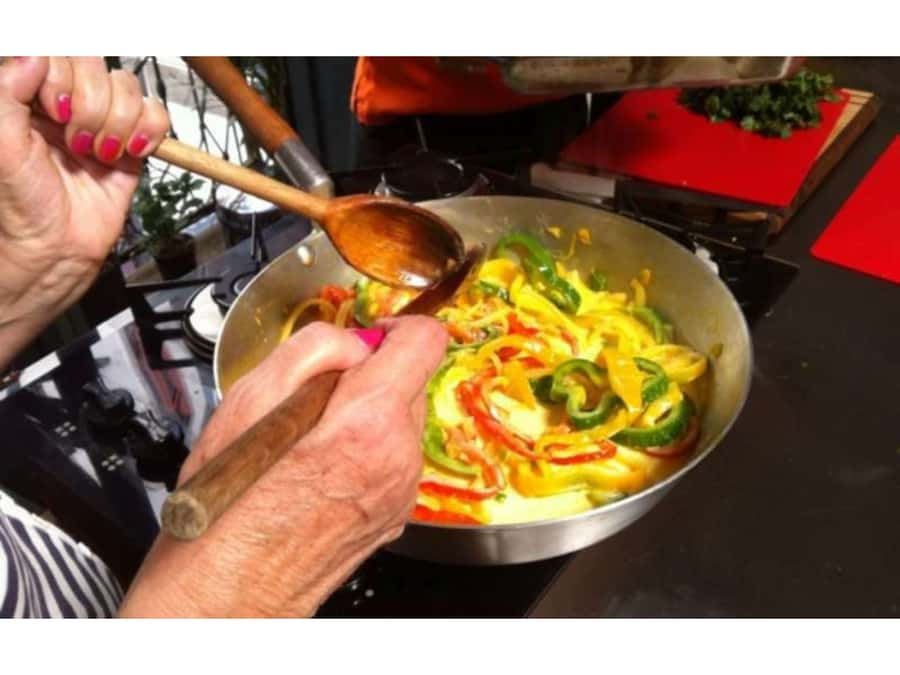
- Max 7 people means you get actual attention, not a crowd-management exercise.
- Day-of main dish: Moqueca (Mon/Wed/Fri) or Feijoada (Saturday).
- 5 courses + 2 drinks, so you’re not leaving hungry or eating just one highlight.
- Chef Simone’s teaching includes Portuguese, English, or Spanish support.
- Hands-on cooking: fried snacks, sides like farofa, and a dessert that changes.
Copacabana Kitchen: Small Group, Real Cooking Time
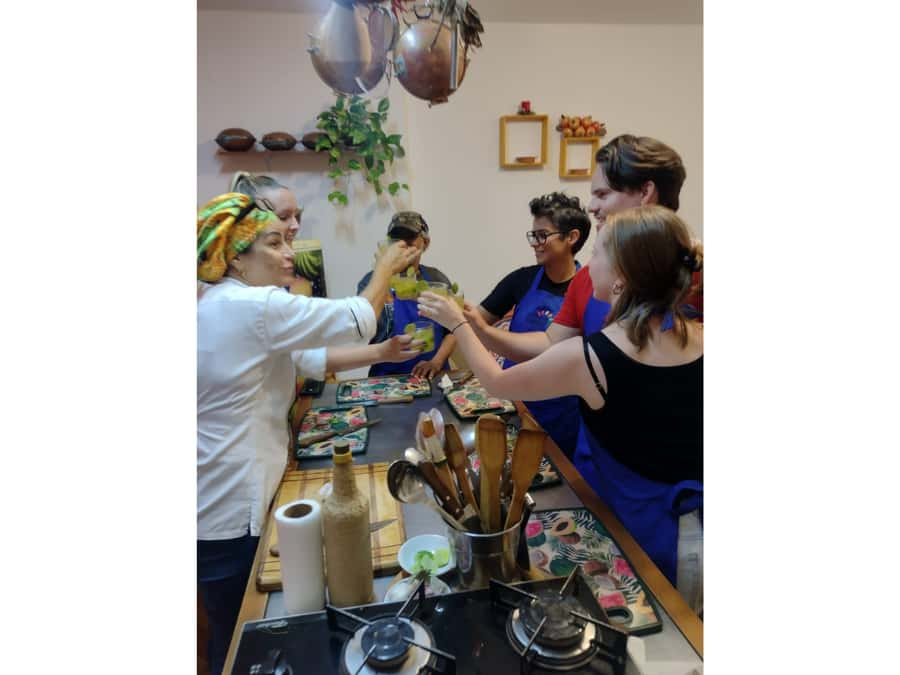
This class takes place in a Copacabana-area cooking studio, and that location choice matters. You get the sense that you’re learning “real” Brazilian home-cooking habits in a working kitchen space, not in a museum-style demo room.
The group size is small, capped at 7 participants, and that keeps the instructor’s attention focused where it counts: on your knife work, your timing, and your questions. With that setup, you’re more likely to understand why something works (or why it didn’t) rather than just copying steps.
Also, plan your expectations around the length. The experience is listed as about 3 hours, even though the cooking class is described elsewhere as a 4-hour class. Either way, the schedule is structured like a full meal sprint: you’ll prep, cook, plate, then sit down to eat together once everything is finished.
You can also read our reviews of more tours and experiences in Rio De Janeiro.
The Weekly Menu Switch: Moqueca vs Feijoada
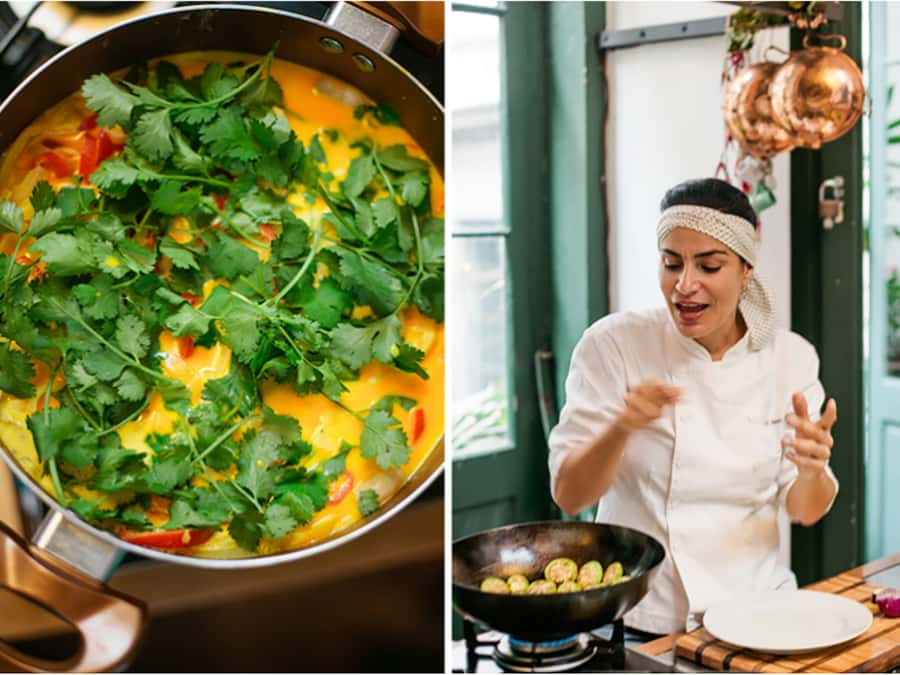
One of the smartest details here is that the main dish changes by day:
- Moqueca seafood is on Mondays, Wednesdays, and Fridays.
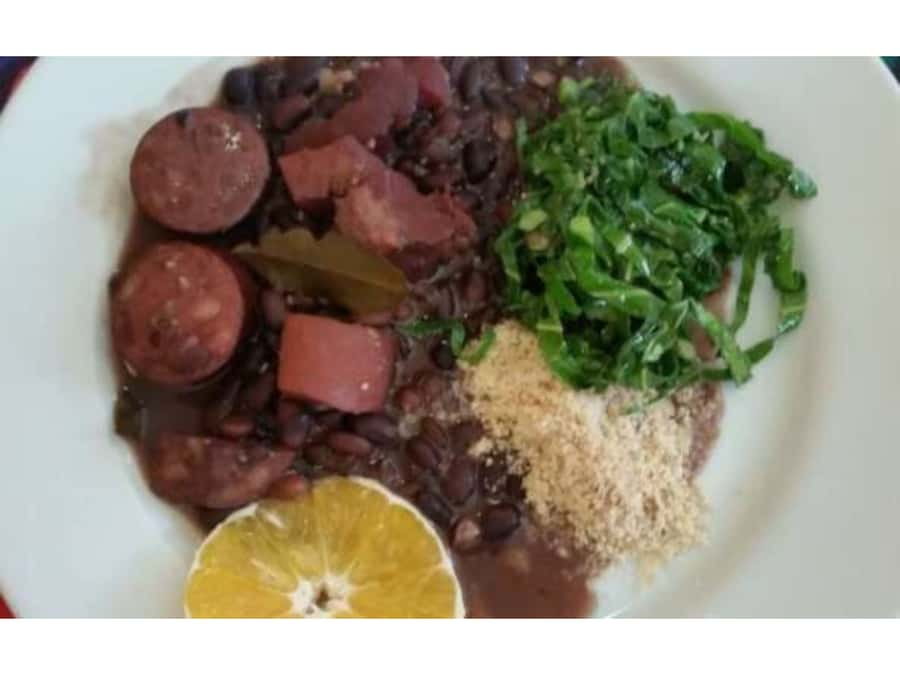
- Feijoada (black beans and pork) is on Saturdays.
That pattern is useful for you because you can choose based on what you want to prioritize. If you’re craving bright, seafood-forward flavors, you’ll likely aim for a Moqueca day. If you want the classic Brazilian bean-and-pork comfort-food experience, Saturday’s Feijoada is the obvious target.
Either way, you get a full Brazilian meal around the main event, not a lone centerpiece. Expect supporting items like cassava sticks and sides, plus the drinks that make the whole table feel like a celebration rather than a classroom.
What You’ll Actually Cook: 5 Courses From Scratch
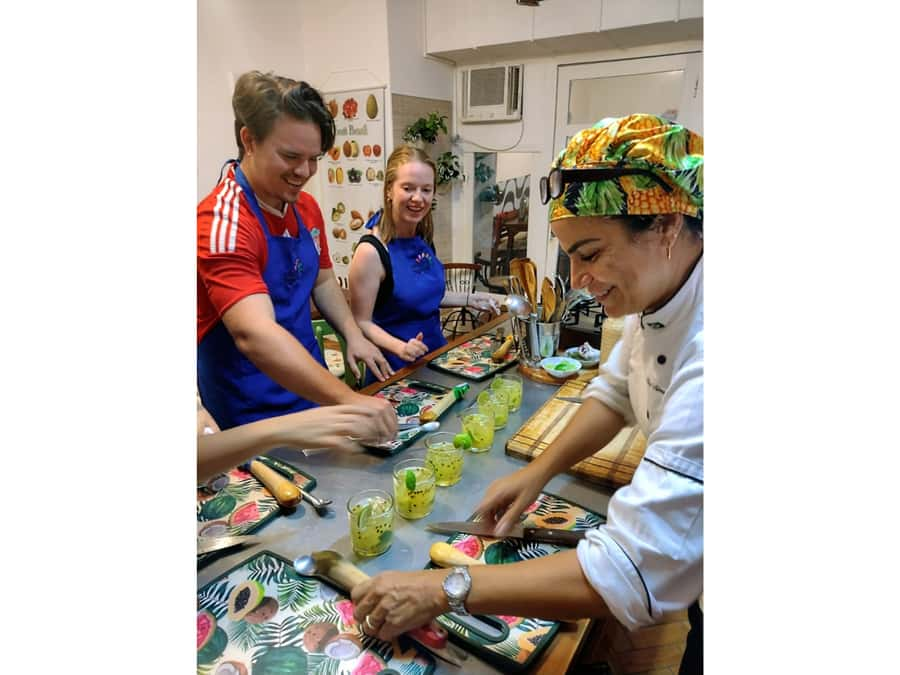
This isn’t a “watch and taste” session. The structure is built so you cook enough to feel confident repeating it at home.
1) Fried cheese with spicy guava jam
You start with a snack that’s both comforting and slightly adventurous. The fried cheese brings the crisp-and-creamy contrast, while the spicy guava jam adds a sweet heat that’s very Brazilian in spirit.
What I like for beginners: this course teaches you how to handle frying basics and how to balance something rich with something fruity and punchy.
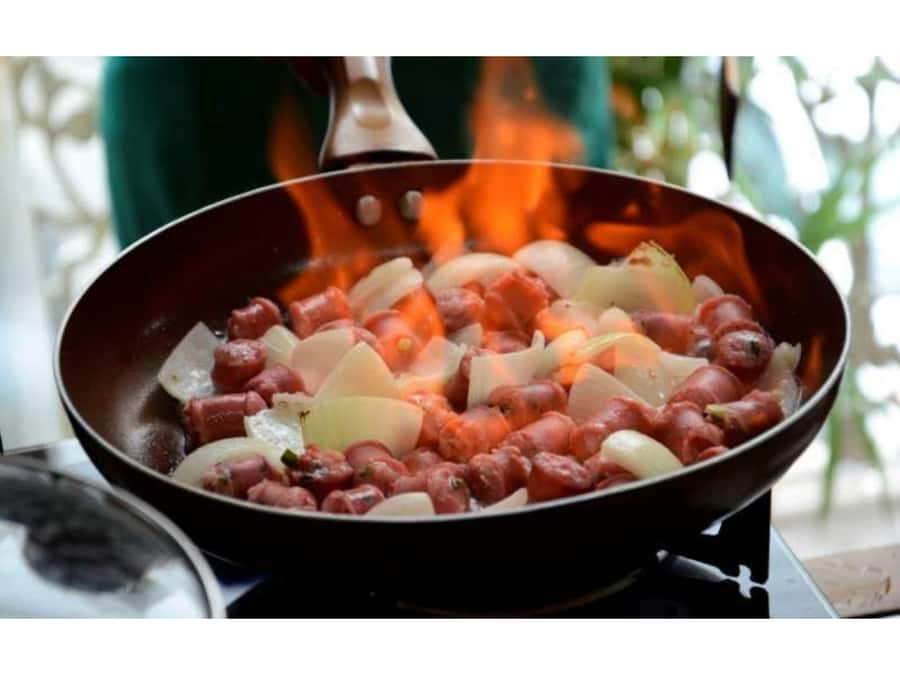
2) Fried sausage slivers
Next comes a savory bite—fried sausage slivers (the menu describes them as clambered-fried). It’s a good palate-setter right before the drinks and the main dish rhythm kicks in.
This also helps you learn how Brazilian savory bites often rely on seasoning and texture as much as the ingredients themselves.
3) Lime Caipirinha
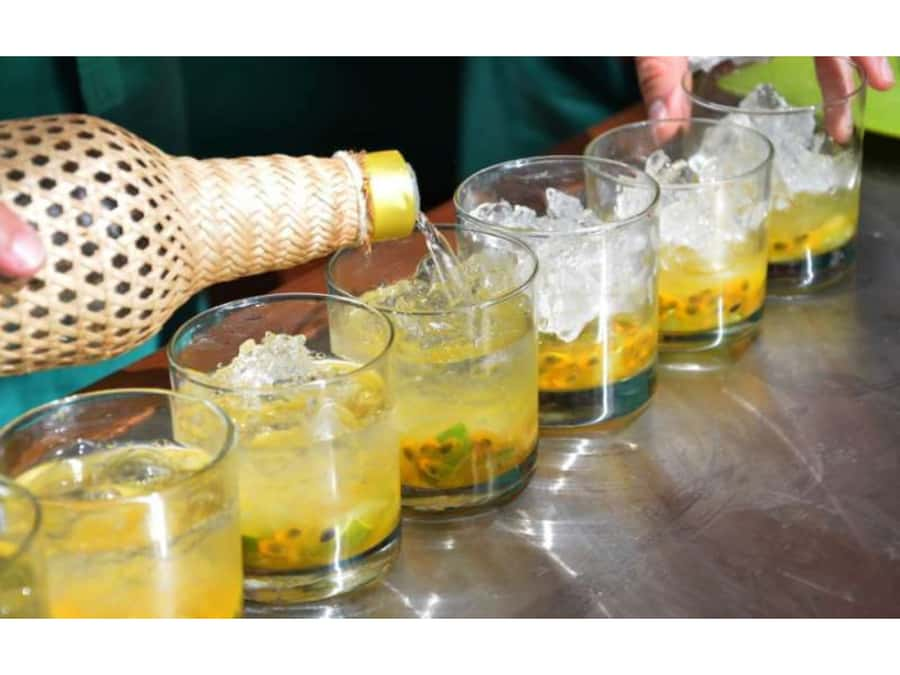
You’ll make (and drink) a classic: lime caipirinha. This is more than a beverage lesson. It gives you a feel for Brazil’s signature sour-sweet balance—simple ingredients, but you still have to do it right.
If you’ve never made one before, you’ll likely pick up the key trick fast: controlling how the lime is handled so the drink tastes sharp, not bitter.
4) Batida de coco
Then there’s batida de coco, a coconut drink that softens the whole meal. It’s a smart pairing because it rounds out the earlier punchy flavors and keeps the experience feeling like a Brazilian table, not a tasting lineup.
5) Main course: Moqueca or Feijoada
This is the core event.
- On Moqueca days, you’re learning how seafood is treated with Brazilian aromatics and sauce-building techniques.
- On Feijoada days, you’ll focus on a hearty bean-and-pork style that’s all about slow-building flavor.
Even without getting overly technical, you’ll notice the difference in how the kitchen works: one direction is lighter and sauce-forward, the other is deeply comforting and thick with flavors.
Side: Banana farofa with flavored rice
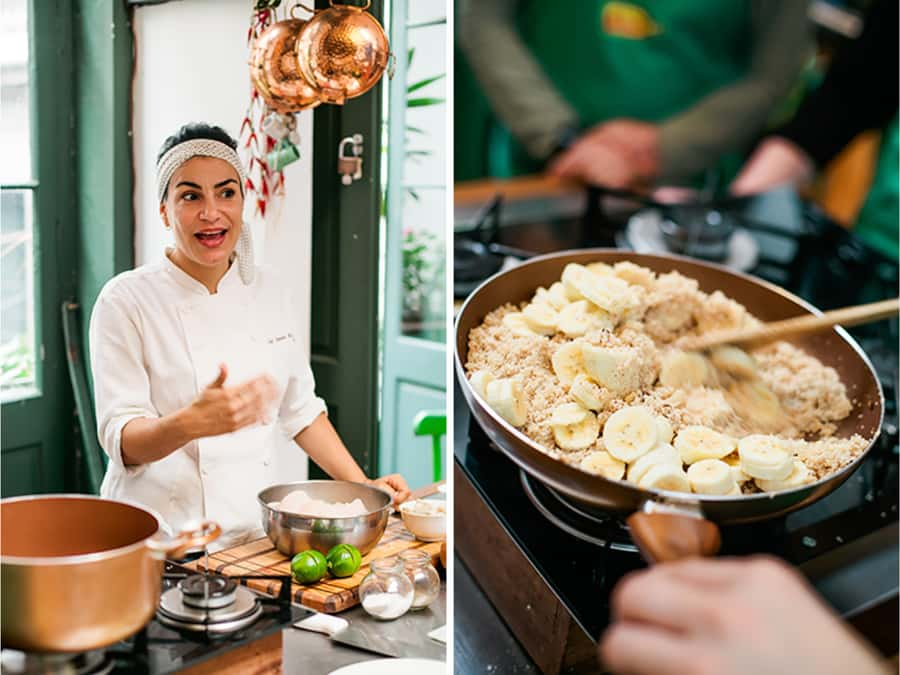
Farofa is one of those foods that changes how you understand Brazilian sides. The class includes banana farofa plus flavored rice, so you’re not just eating the main sauce—you’re building the full plate.
The practical value here: farofa teaches texture. It shows how to add something dry, toasty, and satisfying to a wet or saucy dish.
6) Surprise dessert from the Brazilian sweet world
Dessert is flexible and depends on what’s available. The menu notes options like brigadeiro or doce de leite, plus an exotic-fruit-based surprise dessert in some cases.
The payoff: you get a dessert that feels local and living, rather than a generic canned-syrup finale.
Drinks and Toasting: Why the Meal Part Matters
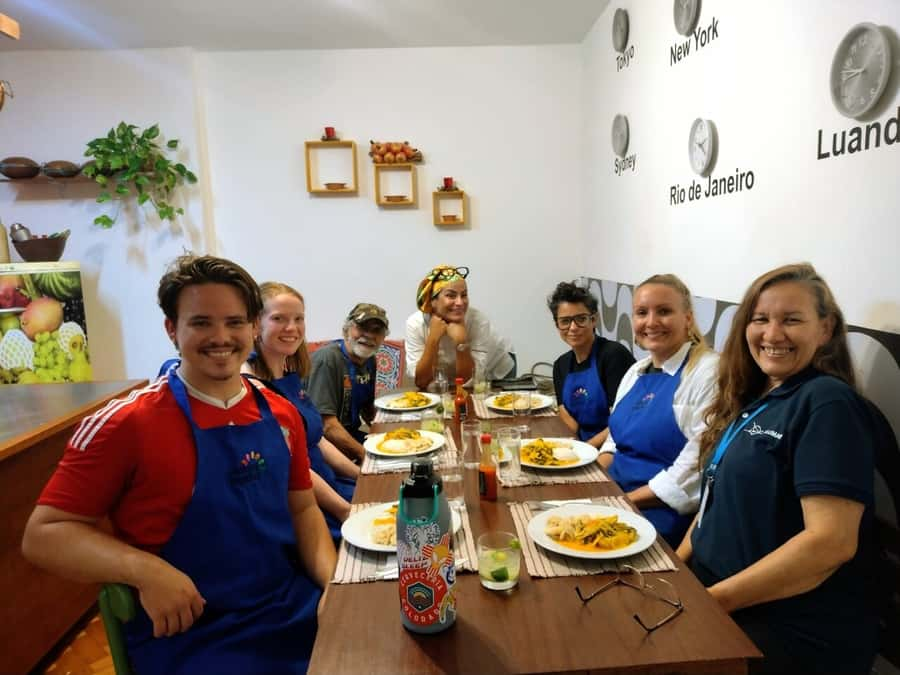
After cooking, you sit down with the instructor and toast your efforts. That “we made this” moment is where the class stops being a task and turns into an actual evening meal.
The drinks aren’t just included for fun; they also reflect how Brazilian meals often unfold—snack, main, and sweet with drinks that match the flavor moods. You’ll have two alcoholic drinks as part of the class, paired with what you cook, not served as an afterthought.
And yes, you’ll likely leave with the kind of satisfaction that comes from knowing you can do it again. Not every class delivers that.
Chef Simone’s Teaching Style (and the Social Feel)
The instructor is listed as Portuguese/English/Spanish, but what makes the experience memorable is how the teaching is delivered. Reviews consistently highlight that Chef Simone creates a safe, friendly environment where people can talk without pressure.
One detail I really appreciate: Chef Simone’s approach is described as attentive and supportive, and her daughter also assists. That matters because it means you’re more likely to get small, useful corrections while you’re actively cooking.
Also, because the class is limited to up to 7 people, you’re not hiding behind the idea of “someone else will do it.” You’ll be involved, and that tends to create quick connections at the table.
If you like food and conversation—and don’t mind getting a little messy—this is a strong setup.
Ingredients You Can Find Again at Home
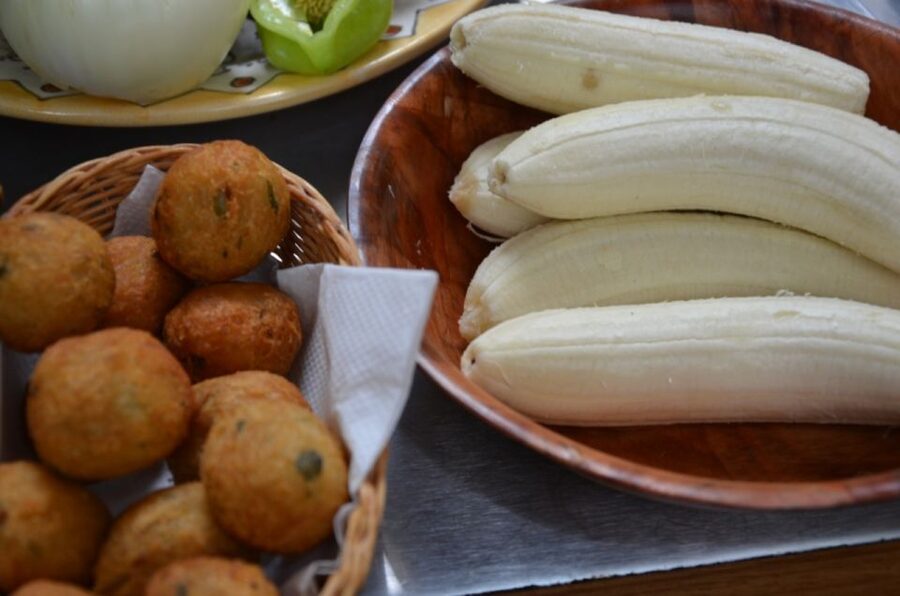
A quiet win: the ingredients aren’t tied to something exotic you’ll never see again. The class notes that the ingredients are widely available, so the “cook it later” plan isn’t fantasy.
That’s important if you’re paying $220 per person. At this price, you need more than one great bite. You need a path to repeat the meal back home with confidence.
The menu is structured to help you learn patterns:
- balancing salty and sweet (especially with the guava jam idea),
- creating texture (farofa),
- building flavor through savory cooking methods (snack frying + main sauce work),
- finishing with Brazilian sweets.
So even if your exact ingredients differ slightly, you’ll know what each component is supposed to do for the plate.
Price and Logistics: Is $220 a Good Deal?
Let’s be honest: $220 isn’t cheap. For some food tours, that would raise a red flag.
Here, the cost starts to make sense because you’re paying for:
- a small-group kitchen experience,
- instruction in multiple dishes,
- all ingredients and equipment,
- 5 dishes plus 2 drinks,
- and a private-group format.
Also, you’re not only eating the results—you’re making them. That’s a different category of value compared with a standard dinner where you only pay for the meal.
The practical drawback is logistics. Transportation isn’t included, so you’ll need to get to the studio on your own. In Rio, that’s not hard, but it does require planning. Build in extra time so you don’t arrive rushed and stressed.
If you already plan to be in the Copacabana area, the location can work in your favor.
Who This Class Suits Best (and Who Might Not Love It)
I think this cooking class fits best if you want more than a souvenir dinner.
It’s a good match if:
- you like hands-on learning (even as a beginner),
- you want Brazilian cooking with real structure (not vague “try this” bites),
- you enjoy meeting small groups in a friendly environment,
- you want to choose the main dish by day (Moqueca vs Feijoada),
- and you’re happy to make dessert too.
It may be less ideal if:
- you’d rather watch than cook,
- you dislike frying or active prep work,
- or you really need pick-up/drop-off included to make schedules work.
Practical Tips Before You Go
A few things that will help you get the most out of the experience.
- Wear clothes you don’t mind getting splattered. Cooking involves heat, oil, and quick movements.
- If you’re sensitive to strong smells from frying, expect that. It’s part of cooking snacks.
- Bring a calm mindset. The class moves at a meal pace, and you’ll learn faster if you let the kitchen flow.
- If you care about the main dish, pick the day carefully—Saturday is your Feijoada day, while Moqueca shows up on Mon/Wed/Fri.
Also, because the instructor can work in Portuguese, English, or Spanish, you’ll likely be able to ask questions in your comfort language. If you have food preferences or allergies, you may want to check in before the class, since the menu is fairly defined by the courses listed.
Should You Book This Brazilian Cooking Class?
Book it if you want a Rio experience that doesn’t just feed you—it teaches you. The small-group format, the day-based main dish choice, and the fact that you cook multiple courses make it feel like genuine value for the money.
Skip it if you’re hoping for a purely observational food night or if you’re not willing to handle transportation on your own. And if you dislike active cooking, this won’t magically turn into a sit-and-watch show.
If you’re in Copacabana and you want to leave Rio with recipes you can actually reproduce, this is one of the smarter splurges you can make.
FAQ
How long is the cooking class?
The experience is listed as about 3 hours.
What dishes are included in the class?
The class includes 5 dishes and 2 drinks. The menu includes fried cheese with spicy guava jam, fried sausage slivers, lime caipirinha, batida de coco, a main dish (either Feijoada or Seafood Moqueca depending on the day), banana farofa with flavored rice, and a surprise dessert.
Which main dish do you make on different days?
Mondays, Wednesdays, and Fridays include Seafood Moqueca. Saturdays include Feijoada (pork and beans).
Are drinks included?
Yes. Two drinks are included, specifically lime caipirinha and batida de coco.
Is transportation included?
No. Transportation is not included, and you’ll need to arrange your own way to and from the studio.
What languages does the instructor speak?
The instructor supports Portuguese, English, and Spanish.
How big are the groups?
The class has a maximum of 7 participants per session.
What is the price per person?
The price is listed as $220 per person.