REVIEW · OLBIA
Olbia: cooking class on real pasta carbonara
Book on GetYourGuide →Operated by Escursì · Bookable on GetYourGuide
Carbonara tastes different when you learn the rules. In Olbia, this small-group class teaches real pasta carbonara using traditional steps like guanciale choice and mantecatura (the finishing creaminess). I especially liked the chef’s clear guidance and the fact that I came away with a method I could actually repeat at home. One watch-out: if you expect to do every single pasta step from scratch with zero shortcuts, the format may feel a bit light for $77.
You’ll meet at Piazza Mercato at the Rosinita restaurant (look for the pink façade and the big glass roof), then cook, taste, and eat lunch as a group. Expect a friendly, practical flow, with an Italian chef who talks you through what matters and why, plus a guide available in English and Spanish. The class is limited to 6 participants, so questions don’t get lost in the chaos.
In This Review
- Key highlights worth your attention
- Finding Rosinita in Olbia’s Piazza Mercato
- Meet the chef and learn the carbonara rules that matter
- Hands-on carbonara: from guanciale choices to mantecatura
- Tasting what you made, plus lunch with selected wine
- Why 1.5 hours works, and where it can feel tight
- Price check: does $77 feel fair in Olbia?
- Who this carbonara class is perfect for
- Should you book this Olbia carbonara cooking class?
- FAQ
- Where is the meeting point for the carbonara cooking class?
- How long is the cooking class?
- How many people are in the group?
- What’s included in the price?
- Will I taste the pasta I cook?
- What languages are offered during the class?
- Is this class suitable for kids?
- Is it suitable for people with food allergies or pets?
Key highlights worth your attention
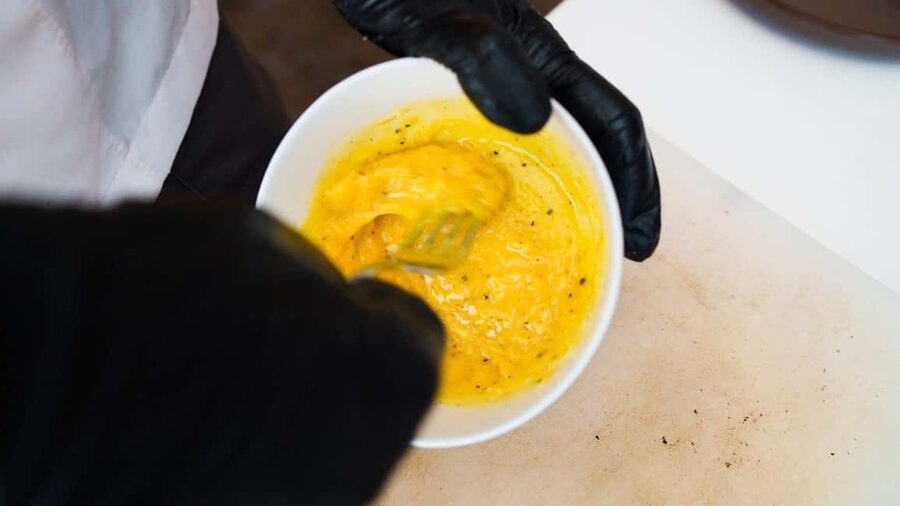
- Guanciale to mantecatura focus: You’ll learn the steps that turn good carbonara into the real thing.
- Chef-led clarity: You’re taught the technique, not just handed ingredients and told to cook.
- Cook, then eat together: You taste what you make right after class, then add lunch.
- Small group, faster feedback: Limited to 6 participants, which makes a difference with timing and seasoning.
- Wine pairing with lunch: The meal is built into the experience, not an afterthought.
Finding Rosinita in Olbia’s Piazza Mercato
Olbia is a practical starting point. The meeting place keeps it simple: head to Piazza Mercato and look for Rosinita restaurant at number 6. The square has an imposing glass roof, and the restaurant façade is pink, so it’s not one of those “good luck finding us” locations.
This matters because carbonara is all about timing. If you arrive flustered, you’ll feel rushed once you start cooking. So I’d plan to get there a few minutes early, take a breath, and be ready when the chef gathers the group.
Also, with languages offered (Italian, English, Spanish), you should be able to follow along even if your Italian is basic. The small group size helps here too—there’s room for the chef to check that everyone understands the next step.
Meet the chef and learn the carbonara rules that matter
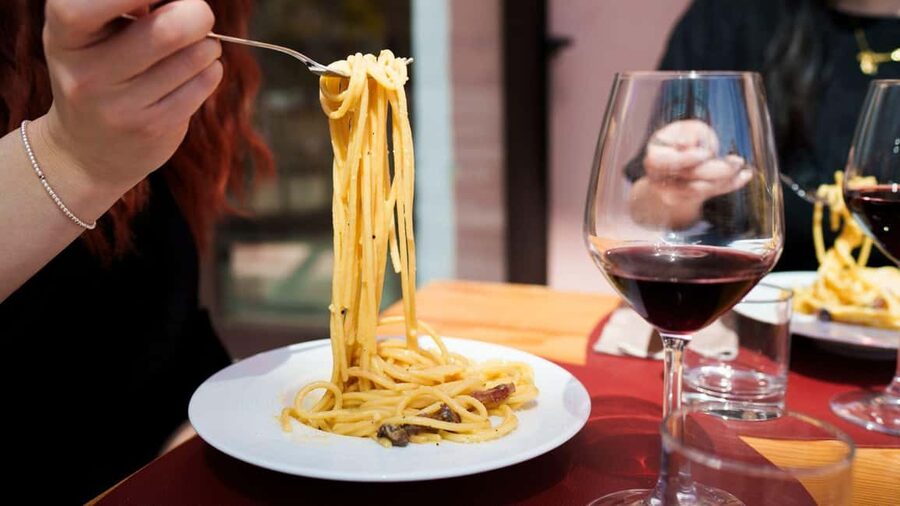
The whole experience centers on technique. Not “what to do,” but why each choice affects the final plate.
You’ll start by meeting the chef, then setting up your carbonara workflow. This is where the class earns its keep: carbonara can go wrong in a few very specific ways, and this is the dish where small mistakes show fast. The chef focuses on the fundamentals, like how to handle the key ingredient (guanciale) and how to build the creamy texture without scrambling eggs.
One detail I really liked is the conversational teaching style. In the feedback I saw, Francesco came up as a chef who explains clearly and stays helpful, so you can understand the logic well enough to remake it later.
The upshot for you: if you’ve ever tasted carbonara that was too heavy, too eggy, or just flat, you’ll probably see exactly what caused it in the kitchen process.
Hands-on carbonara: from guanciale choices to mantecatura
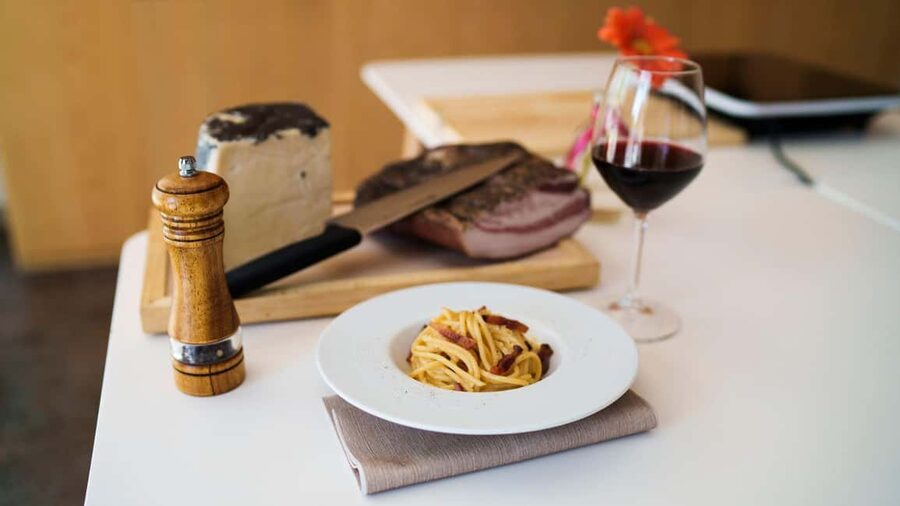
This is the cooking part, and it’s where you should lean in.
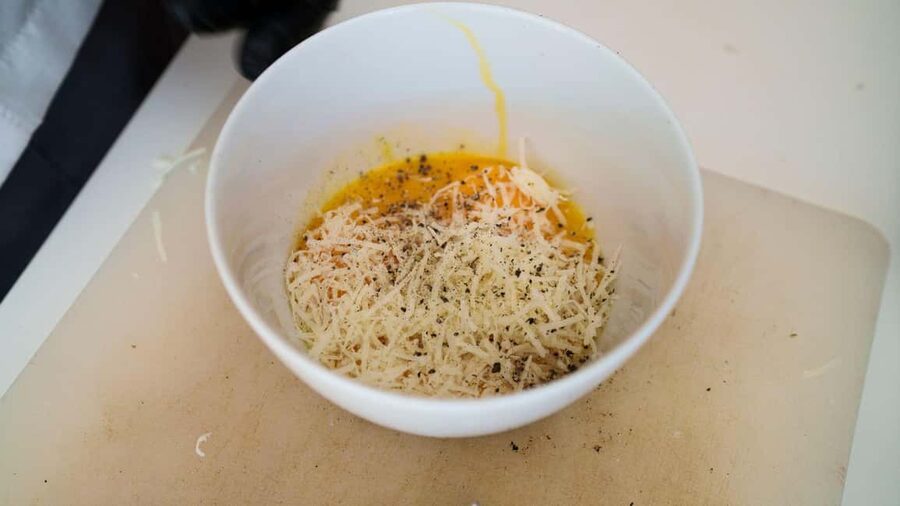
The class walks you through making authentic carbonara using wholesome ingredients and traditional techniques. From what you’re taught, the core sequence is clear:
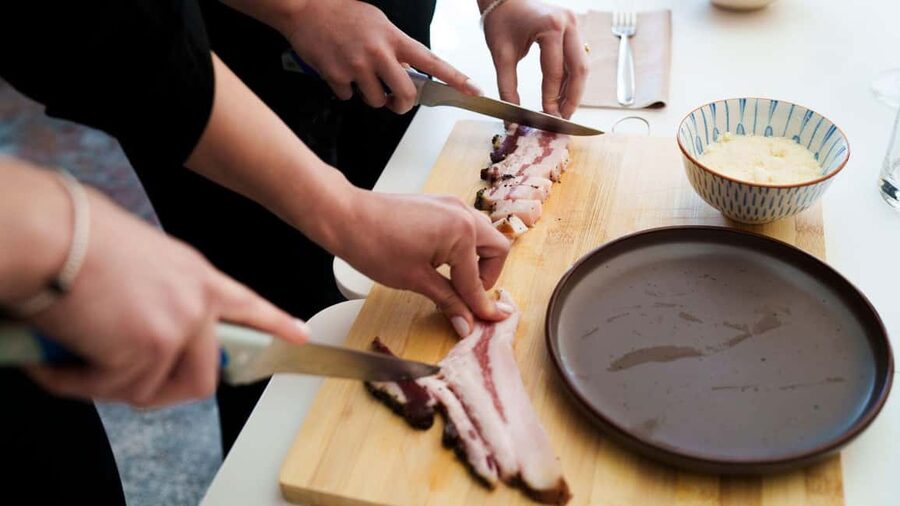
- Choosing guanciale: It’s not just bacon in a trench coat. The chef guides how this ingredient should behave and what you’re aiming for when you render and crisp it.
- Building the sauce texture: Carbonara texture comes from the finishing stage, not from dumping in ingredients and hoping.
- Mantecatura (the finishing step): This is the big one. It’s how you create that glossy, silky coating that clings to pasta without turning into scrambled eggs.
You’ll actually take part in the cooking. That said, one small caution: at least a few people felt the pasta portion might not be fully DIY. So if you’re the type who wants total control and every task from scratch, manage expectations. You’re learning the real carbonara method, not training for a full homemade pasta production marathon.
What makes this useful anyway is that you can recreate the critical steps at home later. You don’t need an industrial kitchen to do guanciale-focused carbonara. You just need the technique, especially for mantecatura and timing.
Tasting what you made, plus lunch with selected wine
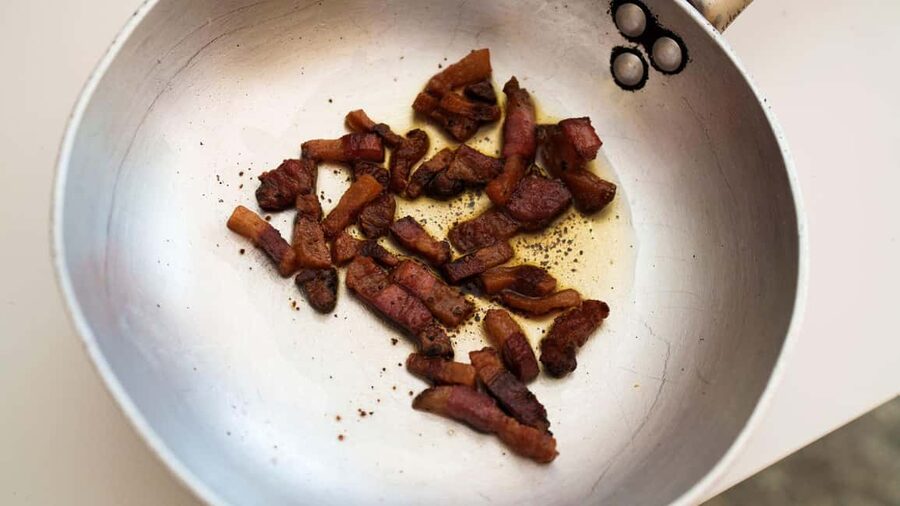
After you cook, you’ll taste the carbonara you prepared. This is a smart design choice. Cooking classes can become stressful if you never get to “close the loop” and see how your choices worked. Here, you get to evaluate the result soon after the process, while everything is fresh in your mind.
Then comes the meal. Lunch is included, and it’s accompanied by excellent selected wine. That combination is more than just “food is included.” It turns the class into an actual sit-down experience where you can chat, ask questions while food is on the table, and understand the day’s pacing.
Because it’s a small group of up to 6, you’re more likely to feel part of a shared table than a classroom. And if you’re traveling solo, that social piece is often the difference between a fun memory and a perfectly edible meal you forget the next day.
Why 1.5 hours works, and where it can feel tight
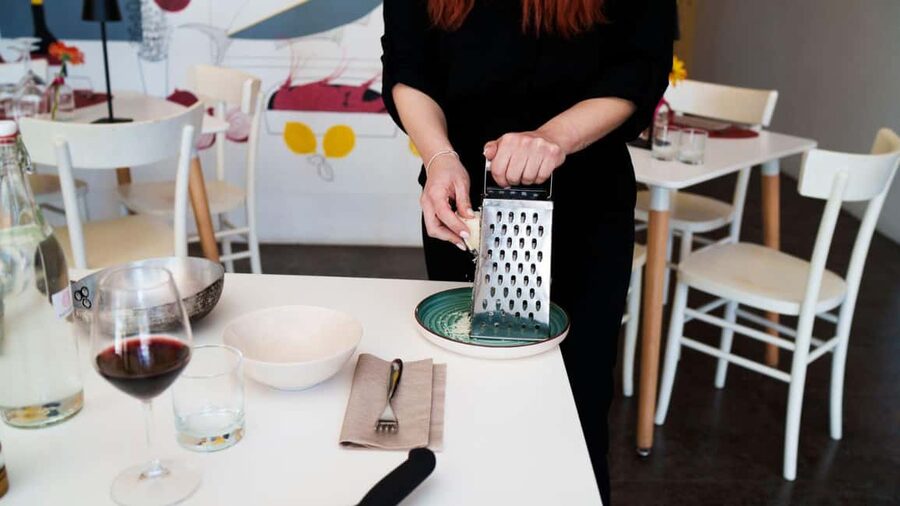
The activity is listed as 1.5 hours total. That’s not a long time, so it rewards people who want a focused experience rather than an all-day food festival.
For most visitors, that shorter format is a plus. Carbonara has limited steps that matter most, so you get taught what’s essential without getting bogged down. Plus, the small-group setting means you’re not waiting around for the chef to reach your station.
Where it can feel tight is if you want extra time for lots of questions, slower cooking, or very hands-on involvement in every sub-step (especially anything related to pasta prep itself). The feedback included at least one case where a person didn’t feel they personally made the pasta enough. So if your dream is fully from-scratch pasta work, this may not match your expectations.
My practical take: this is a technique class with food you help prepare and then eat. If you want to learn carbonara confidently in a way that sticks, it fits. If you want a deep, multi-hour workshop where you do every component, look for a longer format.
Price check: does $77 feel fair in Olbia?
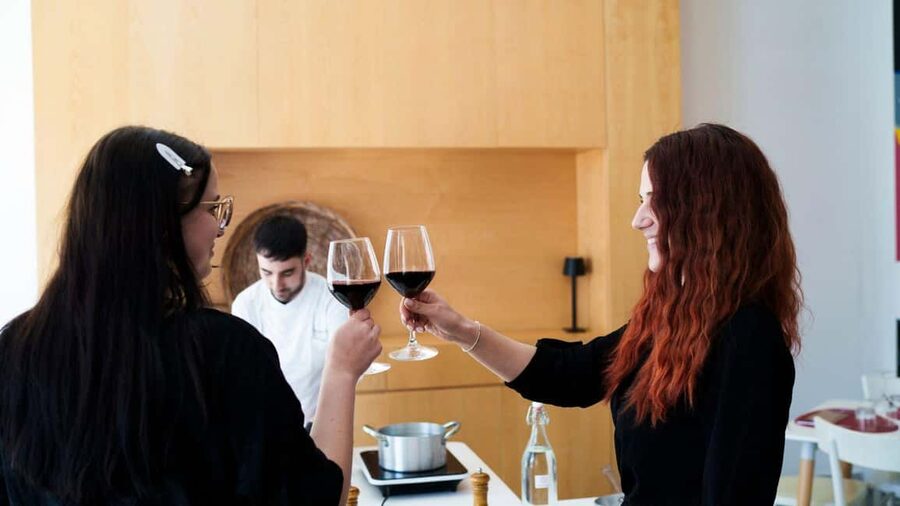
$77 per person sounds like a lot until you break down what you’re actually paying for.
You’re paying for:
- A chef’s instruction through the key carbonara steps (including mantecatura)
- A small group format (up to 6 participants)
- Lunch included, plus selected wine
- The full experience of cooking, tasting, and sitting down together in a convivial setting
In other words, you’re not paying just for ingredients. You’re paying for the chef’s time and the guidance that helps you avoid the most common carbonara mistakes. That’s hard to price in advance, but it’s exactly where a cooking class can outperform a regular restaurant meal.
Still, it’s not automatically a bargain for everyone. Some feedback flagged the price as too high. If you’re on a strict budget, you might decide to treat this as a special splurge rather than a casual activity.
How I’d decide: if carbonara is a must-do for you and you like learning technique (not just eating), $77 can be worth it. If you mainly want food and don’t care whether you can reproduce it, you can probably get full satisfaction by eating well in Olbia without paying a class fee.
Who this carbonara class is perfect for
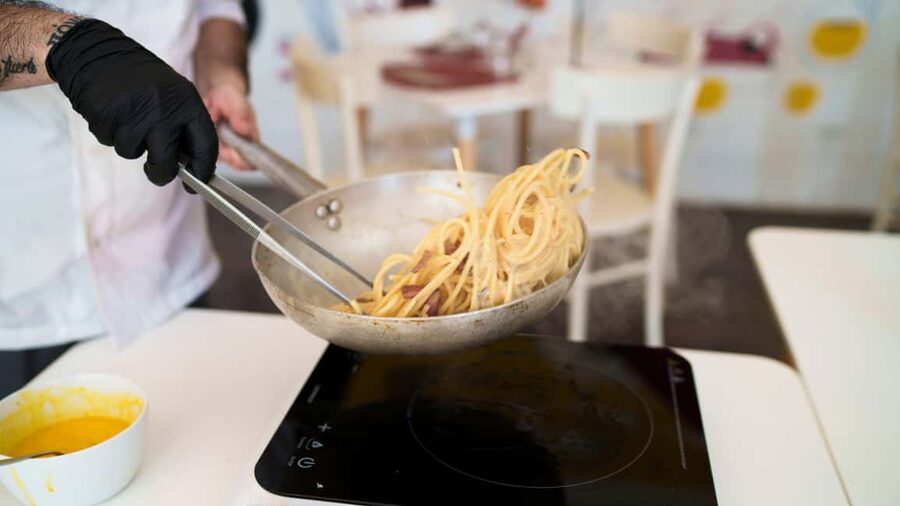
This class fits best if you want an honest, practical taste of Italian cooking culture.
You’ll likely enjoy it if you:
- Want to learn how carbonara works, not just eat a plate of it
- Like hands-on activities but prefer a clear structure over chaos
- Travel with friends or go solo and appreciate small-group conversation
- Care about getting the steps right enough to remake the dish later
It’s also family-friendly in a limited way. Children of all ages are allowed, but active participation is possible from age 8 and up. So if you’re bringing kids younger than that, plan for watch-and-help rather than full participation.
It is not suitable for people with food allergies. If you have allergies, double-check your situation and ask questions before booking, because the data you have here doesn’t support a safe workaround.
Pets aren’t allowed either, so factor that in if you’re traveling with a companion animal.
Should you book this Olbia carbonara cooking class?
If you want a straightforward, chef-led way to learn authentic carbonara technique in Olbia, I think it’s a solid booking. The standout strength is the focus on the steps that actually make carbonara work—guanciale and mantecatura—paired with real food you eat right after cooking.
I’d skip or at least reconsider if you:
- Expect a full from-scratch pasta-making experience
- Have food allergies
- Are hunting for the absolute cheapest way to eat in Olbia
If carbonara is on your “must learn” list, this is the kind of class that can pay off later. You’ll leave with a method you can use at home, not just a meal you ate once.
FAQ
Where is the meeting point for the carbonara cooking class?
You’ll meet at the address indicated at Rosinita restaurant in Piazza Mercato number 6. The square has an imposing glass roof, and the restaurant has a pink-painted façade.
How long is the cooking class?
The experience lasts 1.5 hours. Check availability to see starting times.
How many people are in the group?
It’s a small group limited to 6 participants.
What’s included in the price?
The experience includes the cooking class on pasta carbonara, a chef, and lunch.
Will I taste the pasta I cook?
Yes. The program includes tasting the carbonara you prepared.
What languages are offered during the class?
The guide is available in Italian, English, and Spanish.
Is this class suitable for kids?
Children of all ages are allowed, but active participation is possible from age 8 and up.
Is it suitable for people with food allergies or pets?
Pets are not allowed. People with food allergies are not suitable for this experience.