REVIEW · RIO DE JANEIRO
Rio de Janeiro: Brazilian Cooking Class with Hotel Pickup
Book on GetYourGuide →Operated by Rio Carioca Tours & Service · Bookable on GetYourGuide
Four hours, one Brazilian kitchen, real flavor. You start with hotel pickup and end with a full meal you made yourself, plus the chance to learn why each recipe matters in Rio. You’ll cook alongside a local chef and get plenty of hands-on instruction, not just watching.
What I like most is that you choose your main dish up front—feijoada or seafood moqueca—and you also learn the smaller moves that make the whole meal taste right. Another big plus is the way chefs explain the cultural meaning behind the dishes, something chefs like Simone and Carina are known for doing in a way that keeps you engaged. One consideration: in high season, the schedule can run long because of city traffic and bigger group volumes.
In This Review
- Key things you’ll notice right away
- From pickup to aprons: getting to the right kitchen in Rio
- Feijoada vs. seafood moqueca: choosing your dinner route
- Cooking sides that teach technique: coalho, pepper jelly, and brigadeiro
- Caipirinha and coconut shake: the drinks portion that actually matters
- The chef’s teaching style: patience and cultural context
- Eating what you cooked: the group table experience
- Price and value: what $117 buys you in Rio
- Who should book this cooking class in Copacabana
- Should you book this Rio cooking class?
- FAQ
- What are the two main dishes I can choose?
- What side dishes are included in the class?
- Are drinks included, and do I need to pay for extra ones?
- How long is the cooking class?
- Is hotel pickup included?
- What if my hotel is in Barra da Tijuca or Recreio dos Bandeirantes?
- What languages are used during the class?
- Can I bring my own knives?
- Is there a cancellation deadline?
- Is an adapted vehicle available for wheelchair users or reduced mobility?
Key things you’ll notice right away
- You pick your main course: feijoada (black beans with pork) or seafood moqueca (fish stew with coconut milk)
- Side dishes are part of the learning, including coalho cheese with pepper jelly, and brigadeiro
- Classic drinks are mixed in class: caipirinha and a coconut shake
- Pickup covers most Rio beach-and-central hotel zones, with an extra fee only for Barra/Recreio areas
- Chefs bring context, not just steps, with instructors like Chef Simone described as patient and story-driven
From pickup to aprons: getting to the right kitchen in Rio
This class is built around a simple idea: you shouldn’t spend your afternoon trying to figure out transportation or timing. You get round-trip transfer, and pickup is offered from many hotels in Leblon, Ipanema, Copacabana, Leme, Botafogo, Flamengo, and Centro, plus the cruise port. That matters because Rio traffic can be unpredictable, and cooking classes don’t leave a lot of wiggle room.
You’ll start in the afternoon, and the exact start time can vary based on availability. During high season, expect the whole experience to take longer because traffic moves slower and more people are out and about. I treat that as a planning factor, not a deal-breaker—just don’t book tight connections right before or right after.
Once you arrive at the chef’s kitchen, the tone shifts fast. You get introduced to the chef who will lead you, and you’re not just there for a meal. The chef’s job is to guide you through the process so you understand what you’re doing: choosing ingredients, timing steps, and tasting as you go. If you like to cook at home, this style is especially rewarding because you’ll leave with techniques you can actually repeat later.
One small practical tip that’s officially allowed: if you have a favorite set of knives, you can bring your own. It won’t be required, but it can make a difference if you already have strong preferences for tools.
Feijoada vs. seafood moqueca: choosing your dinner route
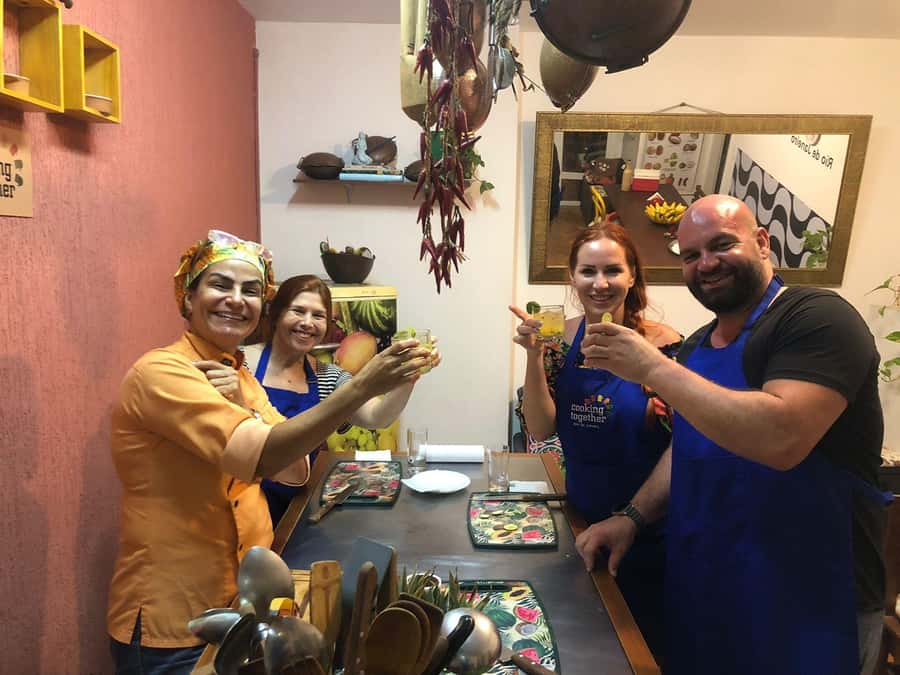
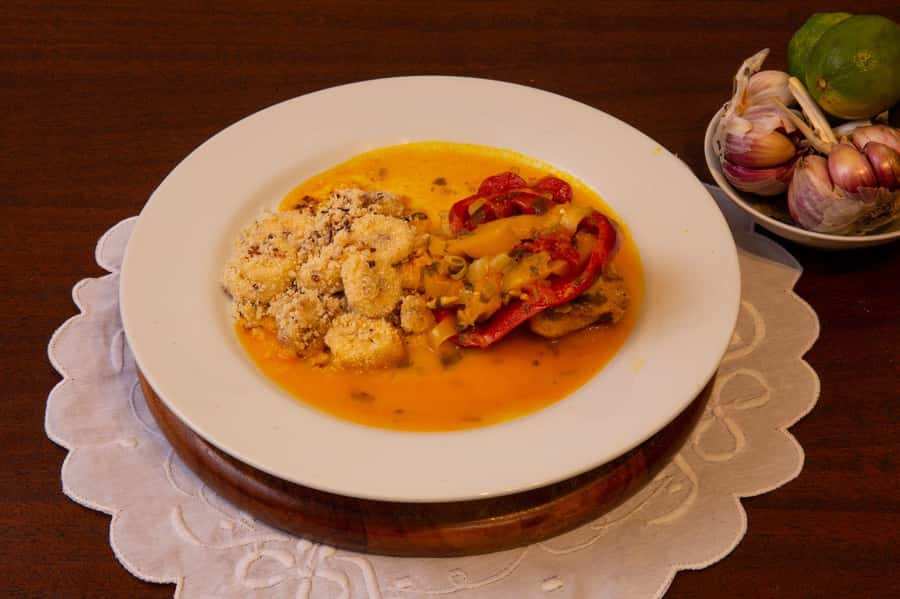
Before you cook, you choose between two iconic mains. The operator offers:
- Feijoada: a hearty black bean stew with pork
- Seafood moqueca: a flavorful fish stew made with coconut milk
This is one of the best design choices in the whole experience because both dishes are traditional, but they teach different flavors and different cooking rhythms. Feijoada leans into deep, slow-cooked comfort. Moqueca leans into coconut-based richness and seafood flavor. Either way, you’re practicing the kind of balance Brazilian home cooking is built on: salt, fat, heat, and aromatics working together instead of tasting like separate ingredients.
You’ll also hear tips on how to select the freshest produce for your meals. That may not sound exciting on paper, but it becomes useful the moment you’re in front of ingredients. Ingredient quality is the hidden multiplier for stews—so learning what matters (and why) helps you translate what you did in class into what you’ll do later at home.
If you’re a decisive type, pick what fits your mood. If you’re undecided, consider this: feijoada is the heavier, stick-to-your-ribs option. Moqueca is lighter-feeling on the palate because of the coconut and seafood focus, even though it’s still rich. Both come with the culture and the comfort people associate with Rio cuisine.
Cooking sides that teach technique: coalho, pepper jelly, and brigadeiro
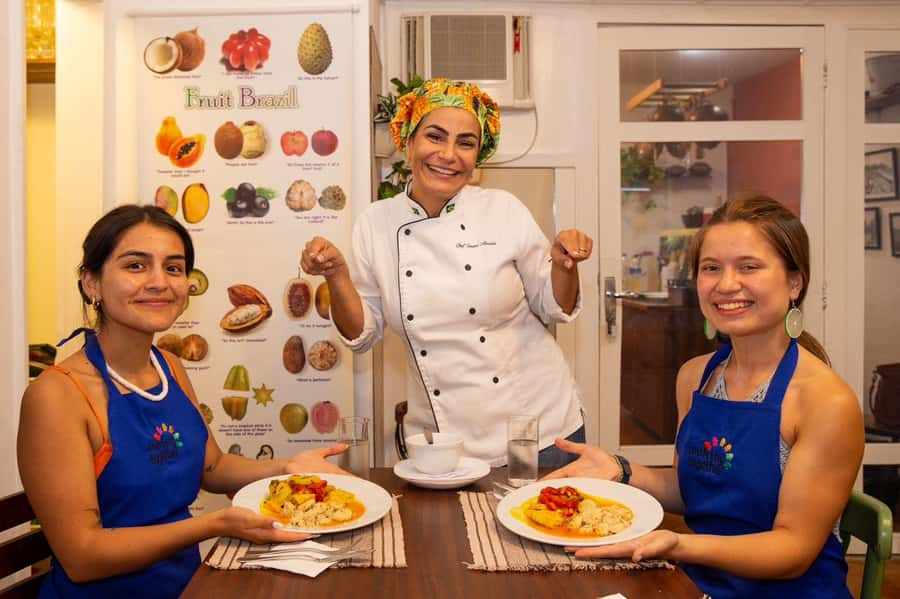
The main dish is only part of your win here. You also build a spread of side dishes and dessert-style favorites that help you understand how Brazilian meals work as a system, not a single recipe.
The class includes learning and making items such as:
- Coalho cheese with pepper jelly
- Sausage with onion flambéed in cachaça
- Brigadeiro
Here’s why I think this set of sides is a smart teaching mix.
Coalho cheese with pepper jelly gives you practice with contrast: salty, springy cheese next to sweet-fruity heat. It’s also a great example of Brazilian flavor pairing—sweet meets savory without turning into dessert-only territory.
The flambéed sausage portion teaches a dramatic technique, but in a controlled way. Flambé is about timing and heat management, and it’s exactly the kind of cooking move that’s hard to learn from a recipe card alone. You’re not just copying steps; you’re seeing how the process behaves in real time.
Then you finish with brigadeiro, a beloved Brazilian dessert. Even if you don’t think of yourself as a dessert person, this one tends to win people over because the flavor is familiar (sweet, chocolatey) while the texture and method feel distinct. It’s also a morale boost right near the end, when you’re already hungry and proud of what you’ve made.
One note to keep you from getting surprised: the activity states that dessert is not included. At the same time, brigadeiro is listed as something you’ll make as part of the class. If you’re someone who needs perfect clarity, ask the operator directly what’s included in the dessert portion of your specific booking. The practical takeaway is simple: plan to taste what you cook in class, but don’t assume the package covers any extra dessert beyond what’s part of the lesson.
Caipirinha and coconut shake: the drinks portion that actually matters
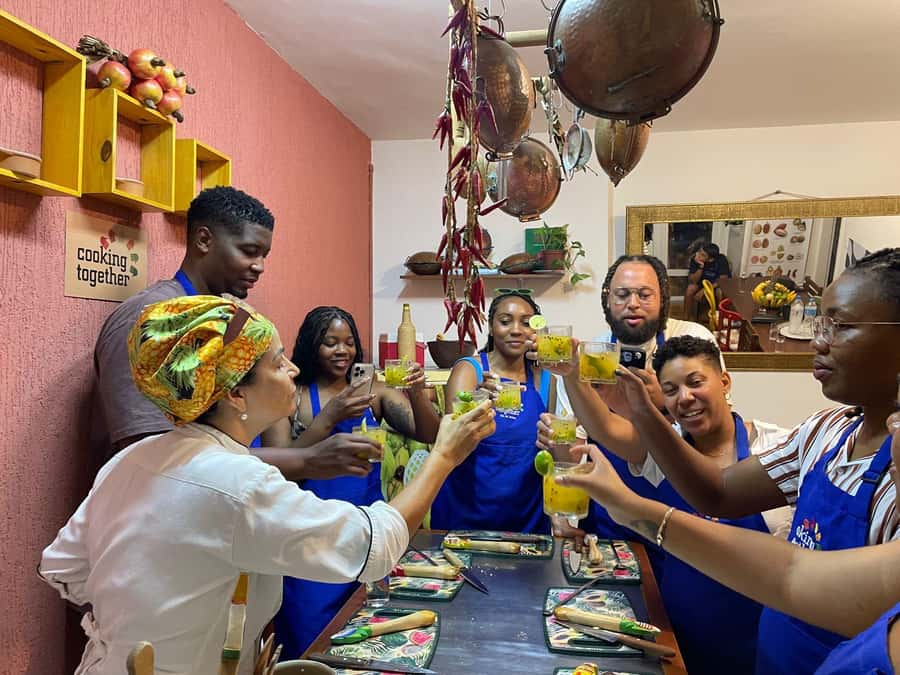
Brazilian cooking is never only about food. The class includes mixing traditional drinks to match the meal you’re making, including:
- Caipirinha
- Coconut shake
This is a fun part of the experience because you learn how drinks fit into the same flavor logic as the food. Caipirinha is built on a sharp, citrus-forward base, and it plays nicely against rich stews. The coconut shake brings a creamy sweetness that feels like a palate reset.
What I like here is that it’s not treated like a random party add-on. You’re learning and tasting alongside your meal. The result is that when you sit down to eat, the whole spread feels coordinated.
Also, the activity lists additional drinks as not included. So if you’re the type who wants extra rounds, you’ll likely pay separately. Plan around that and you’ll avoid the budget surprise.
The chef’s teaching style: patience and cultural context
The standout strength of this cooking class isn’t just the menu. It’s the way chefs teach. In particular, the chefs are described as both engaging and patient, and they take time to explain the cultural significance behind what you’re making before you start.
That matters because it turns cooking from a checklist into something you understand. When you know why a dish is served a certain way—or why it’s tied to local food culture—you pay more attention while cooking. You’re also more likely to taste intentionally instead of just waiting for the end.
In feedback from guests, Chef Simone is singled out for explaining cultural significance and staying thoughtful and patient during the class. Another guest highlighted Chef Carina as a fantastic teacher who made learning fun and useful for both experienced home cooks and people who don’t cook much at all.
That balance is exactly what you want in a hands-on class. You get the structure (what to do, when to do it), but you also get the story (why the dish exists and what it represents). It’s the difference between cooking a meal and learning how Brazilian meals work.
Eating what you cooked: the group table experience
After cooking, you sit down to enjoy what you made. The class is described as convivial, meaning you share the table with other participants and the energy is friendly. Even if you come alone, you’re not stuck hovering or waiting for a group cue. You’re part of the process, and that naturally gives you something to talk about during the meal.
This part of the experience is more important than it sounds. When you eat right away, you taste the results while the instructions are still fresh in your mind. If something tastes off, you can usually connect it to what you did earlier—timing, seasoning, texture, heat level—because you’re still mentally in the kitchen mode.
It’s also the moment where Brazilian drink-and-food pairing becomes obvious. The caipirinha and coconut shake you mixed earlier won’t feel like an isolated activity. They’ll feel like part of the meal.
Price and value: what $117 buys you in Rio
At $117 per person for about 4 hours, this is priced like a full experience, not a quick food stop. The value comes from what’s included:
- round-trip transfer
- cooking class instruction
- ingredients for all dishes
When you break it down, you’re paying for three things at once: time, teaching, and ingredients. Food tours often give you tastes. This one gives you skills and a full dinner build.
Two things can affect perceived value:
- What you get as part of the class spread (main + sides + drink mixing)
- Any extras outside the core package—like additional drinks or dessert items beyond what the class includes
If you’re budgeting, it helps to treat this as a paid cooking workshop with transportation included. That tends to be a fair deal in Rio because hotel pickups save you both hassle and local transit time.
If you’re staying outside the covered pickup zones, there are additional costs. Barra da Tijuca and Recreio dos Bandeirantes add a pickup fee of $10 USD or 40 BRL per person. If your hotel is in a covered zone, you’ll likely avoid that extra.
Who should book this cooking class in Copacabana
This class fits best if you like cooking instruction and you want more than a simple tasting. It’s a great match for:
- people who want a hands-on food experience in Rio
- visitors staying in or near Copacabana and surrounding areas who want easy pickup
- couples, since one booking was described as a private hands-on class for just two people
- anyone who enjoys cultural context, not just recipes
You might want to think twice if you’re expecting a super-long, multi-course food festival. This is a focused 4-hour cooking-and-eating format. You’ll leave with new skills and a meal you helped make, but it’s not described as a full night event.
Also, pick your main dish thoughtfully. If you’re not a fan of pork, feijoada’s pork base matters. If you avoid seafood, moqueca’s seafood focus matters. You have the choice, so use it.
Should you book this Rio cooking class?
I’d book it if you want a straightforward, skill-building Rio experience with hotel pickup, a real chef, and a meal that includes both savory and sweet. The chefs’ teaching style—patient instruction plus cultural context—adds real value because it helps you learn the logic behind Brazilian cooking, not just memorize steps.
Book it especially if you’re short on time and want something that fills an afternoon: you’ll cook, you’ll taste, you’ll mix drinks, and you’ll go back to your hotel with less hassle than trying to do a cooking experience on your own.
If you’re sensitive to schedule changes, remember that high season traffic can stretch the experience. And if you’re very strict about what counts as included dessert or extra drinks, confirm what’s covered in your exact booking so expectations match reality.
FAQ
What are the two main dishes I can choose?
You can choose between feijoada (black bean stew with pork) or seafood moqueca (fish stew with coconut milk).
What side dishes are included in the class?
The class includes side dishes such as coalho cheese with pepper jelly, sausage with onion flambéed in cachaça, and brigadeiro.
Are drinks included, and do I need to pay for extra ones?
You will mix and taste traditional drinks like caipirinha and coconut shake. Additional drinks are listed as not included.
How long is the cooking class?
The experience runs for 4 hours.
Is hotel pickup included?
Yes. Round-trip transfer is included, with pickup from many hotels in Leblon, Ipanema, Copacabana, Leme, Botafogo, Flamengo, and Centro, plus the cruise port.
What if my hotel is in Barra da Tijuca or Recreio dos Bandeirantes?
There is an additional pickup fee of $10 USD or 40 BRL per person for those areas.
What languages are used during the class?
The instructor speaks Portuguese, Spanish, and English.
Can I bring my own knives?
Yes, you can bring your own set of knives if you want.
Is there a cancellation deadline?
The activity offers free cancellation up to 24 hours in advance for a full refund.
Is an adapted vehicle available for wheelchair users or reduced mobility?
You can notify in advance, and there is an additional fare for an adapted vehicle of $100 USD or 500 BRL.