REVIEW · UBUD
Authentic Balinese Cooking Class with Ubud Tour – All Inclusive
Book on Viator →Operated by Bali Natural Tours · Bookable on Viator
Balinese cooking can be more than a class. This day weaves market flavors and farm-fresh ingredients into a full Ubud loop. I like how the schedule is active without feeling rushed, and I also like that you can choose vegetarian or vegan options. One thing to keep in mind: the day depends on good weather for the outdoor parts and the waterfall.
With pickup and drop-off across Bali’s popular areas, it’s easy to join without messing with transport. The group stays small, up to 15 people, which helps the chef stay on your pace. A possible drawback is that it’s a full 8-hour day, so it’s not the best pick if you want a low-key afternoon.
In This Review
- Key highlights you should care about
- Why this Ubud cooking day works as a first-timer plan
- The countryside start: west Ubud, small group, big day energy
- Morning spice power: the traditional market tour (morning class only)
- A local house visit: what Balinese living looks like up close
- The farm harvest: where your ingredients begin
- Inside the class: authentic Balinese techniques with Lesung
- Lunch that you actually made (and what to look for)
- Ubud Sacred Monkey Forest: enjoy it, manage it
- Tegenungan waterfall: the pay-off for the day’s walking
- Price and logistics: is $59 good value?
- Who should book this cooking + Ubud loop
- Small but smart tips before you go
- Should you book this tour?
- FAQ
- What does the tour include besides the cooking class?
- How long is the experience?
- Is pickup available only in Ubud?
- Are vegetarian or vegan menus available?
- Does the tour include alcoholic drinks?
- What places are visited during the day?
- How large is the group?
- What happens if the weather is poor?
Key highlights you should care about
- Morning traditional market focused on the spices you’ll use later
- Balinese house visit to understand how daily life and homes work in Ubud
- Farm tour + harvest so your ingredients come from the ground, not a supermarket shelf
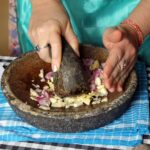
- Lesung spice pounding with the traditional mortar-and-pestle technique
- Choice of menu types including vegetarian and vegan
- Ubud Sacred Monkey Forest + Tegenungan waterfall in the same day with hotel return by car
Why this Ubud cooking day works as a first-timer plan
If it’s your first trip to Bali, you’ll probably feel the pressure to “do everything.” This tour smartly bundles a cooking experience with cultural stops and two of the most photo-famous areas around Ubud.
The setup also makes practical sense. You start in the morning with a traditional market run, then you move to a local house to see how people live, then you head to a farm to harvest ingredients for the menu you choose. That flow matters because cooking feels more meaningful when you can trace the flavor back to its source.
Still, you’re choosing an active day: countryside morning, farm work, cooking, then Monkey Forest and Tegenungan. If you’re exhausted by walking or standing, plan a lighter schedule around it and bring water and comfortable shoes.
You can also read our reviews of more tours and experiences in Ubud.
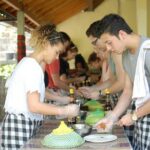
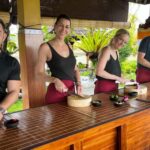
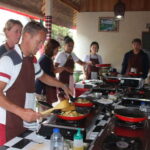
The countryside start: west Ubud, small group, big day energy
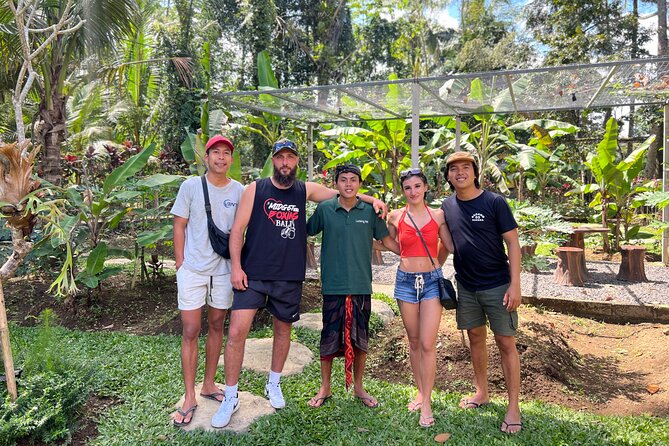
The cooking location is on the west side of Ubud, in an area with green views and a countryside feel. For me, that’s a big deal: it keeps the day from feeling like you’re bouncing between tourist stops in a crowded bus circuit.
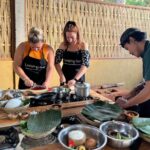
The group size caps at 15 travelers, which helps in two ways. First, the chef can actually guide you through chopping, pounding, and cooking steps without your questions getting lost. Second, it feels less like a factory class and more like a hands-on workshop.
You’ll also get air-conditioned vehicle transport and hotel pickup from several major Bali areas—Ubud, Kuta, Seminyak, Sanur, Nusa Dua, Jimbaran, Canggu, and Legian. That convenience can be the difference between enjoying your day and spending it figuring out how to get around.
Morning spice power: the traditional market tour (morning class only)
One of the best parts of this itinerary is that the market visit isn’t a random add-on. You go to a traditional market specifically to buy spices that match what you’ll cook later.
Practically, that means you learn what ingredients actually matter in Balinese cooking. You’ll see spices and related produce in the context of local shopping, which helps you later when you’re trying to remember the flavors and names.
If you’re a cook at home, you’ll like this stage. You can spot what looks similar but tastes different, and it makes the cooking class more than just following instructions. If you’re not a cook, it still gives you a shortcut: you’ll have a better sense of what’s going into the dishes when the chef starts explaining the menu.
A local house visit: what Balinese living looks like up close
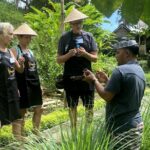
Before the class begins, you’ll visit a local house to learn about Balinese culture and daily life, including how the home is arranged. This is one of those stops that’s easy to skip mentally—until you see it with your own eyes.
Why it’s valuable: Balinese homes and household space connect directly to how people live and how community and spirituality show up in everyday routines. Even if you only catch the basics, you’ll come away with more context for what you’ll notice later around temples and in the way people carry out rituals.
There’s also a softer benefit. After a market visit, the house stop helps you reset your brain from bargaining and walking and turns the day into “learning mode.” It makes the cooking portion feel like it belongs to the place, not just a staged activity.
The farm harvest: where your ingredients begin
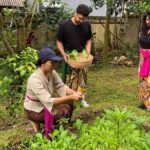
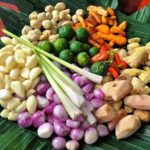
Next comes the farm, where you start the cooking class by choosing your menu and then exploring the farm to harvest spices you’ll use. This is a rare-feeling part of the day, because you’re not only learning recipes—you’re participating in the ingredient sourcing.
Even if you don’t love gardening, this stage can change how you taste. Fresh-picked ingredients tend to taste brighter, and it helps you understand why the chef emphasizes ingredient selection during the cooking steps.
Also, it’s outdoors. So if you’re visiting in a hotter part of the day, bring sun protection and expect that you might get a little dusty or grassy. The tour includes bottled water, but you’ll still want to pace yourself.
Inside the class: authentic Balinese techniques with Lesung
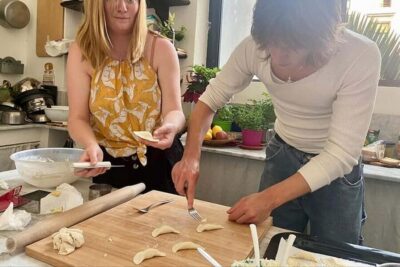
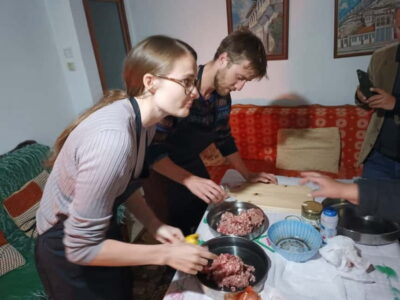
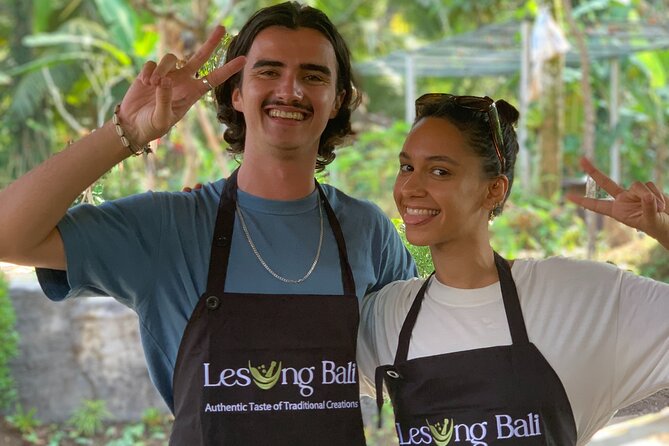
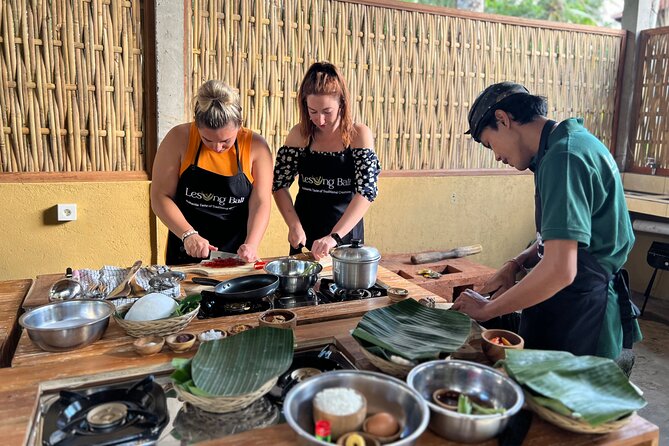
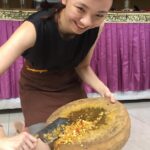
Here’s where the day turns into real food work. The Balinese chef teaches authentic techniques using fresh ingredients, and you’ll learn how to chop and pound spices the traditional way using a Lesung (mortar and pestle).
That detail matters. Many cooking classes just tell you to mince garlic and move on. This one focuses on the method—pounding spices changes texture and helps release fragrant oils. So even if you’ve cooked before, you’ll likely learn a new way to treat spices.
The chef also explains what goes into the menu, how many ingredients you’ll use, and what else is needed to cook based on your selection. This guidance is the difference between a fun meal and a skill you can repeat later.
Menu choices include vegetarian and vegan options, as well as regular menus. If you eat plant-based, you’re not stuck with a token “salad option.” You can pick something that still matches the class’s cooking style.
Lunch that you actually made (and what to look for)
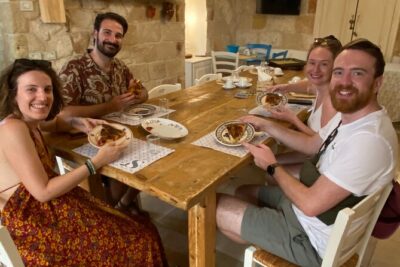
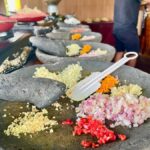
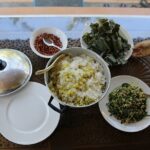
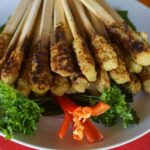
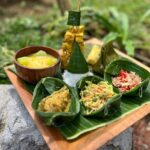
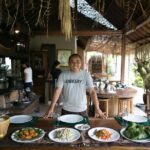
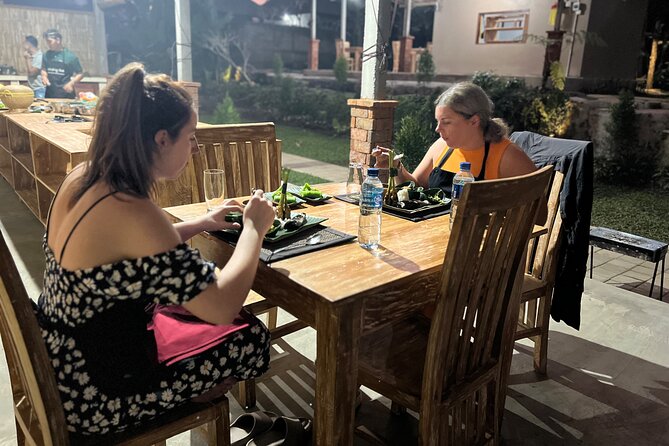
The lunch is included, and it’s the product of your work. I like that the meal isn’t separate—there’s no “now we feed you” moment while the real learning happens somewhere else.
What to look for during the meal:
- How the spice blends taste different from what you’d expect from the same ingredients in other cuisines
- The balance of flavors once everything is cooked together, not just when you smell spices
- Whether your chosen vegan or vegetarian menu stays satisfying and complete, not just a side
You’ll also get coffee and/or tea during the day. In the review comments, people specifically call out Balinese coffee and traditional sweets as part of the thoughtful welcome experience. That’s a nice touch because it rounds out the meal experience with local treats, not just drinks.
Ubud Sacred Monkey Forest: enjoy it, manage it
After cooking, you head to Ubud Sacred Monkey Forest. This is a classic stop: you’ll see gray macaques moving around among Hindu temple areas in the forest.
A practical note: monkey areas mean unpredictable animal behavior. Keep your hands free, avoid holding food openly, and keep bags closed. You don’t need to be scared; you just need to be smart and aware.
Why this stop fits the day: it keeps the cultural feel going after your house and spice learning. Even though it’s tourist-famous, it still provides a strong sensory sense of Bali—temples in greenery and monkeys in motion.
If you’re sensitive to animal encounters or prefer more controlled environments, this is the one part of the day that could feel like a mixed bag. Otherwise, it’s a memorable contrast after the farm and kitchen work.
Tegenungan waterfall: the pay-off for the day’s walking
The final sightseeing stop is Tegenungan waterfall, one of the most popular waterfalls in Bali that isn’t too far from the capital area. For many people, this is the visual payoff: after hours of learning and transport, you get open-air views and that unmistakable water sound.
Why it’s worth the effort:
- It’s an easy win for photos without needing complicated logistics
- The scenery gives your legs a break from kitchen learning and gives your eyes a change of focus
- It rounds out the day with nature, not just culture and cooking
Do plan for the weather. The tour notes that the experience requires good weather. If it’s canceled due to poor conditions, you’ll be offered a different date or a full refund. So if your Bali trip is tight, keep an eye on the forecast and choose a day you can be flexible with.
Price and logistics: is $59 good value?
At $59 per person for an approximately 8-hour day, this tour is priced like a lot more than “just cooking.” You’re paying for several layers of value:
- Pickup and drop-off across major areas (Ubud plus much of southern and central Bali)
- Lunch and drinks (coffee/tea) plus bottled water
- Air-conditioned vehicle transport
- Cooking utensils, apron, and ingredients support via the farm-to-class structure
- Entrance fees for included sites
- A small-group experience with a maximum of 15 travelers
What’s not included is alcohol. That’s normal and also keeps the price lower for people who don’t want to add drinks.
One thing I appreciate from a value standpoint is the private car mention at the end of the day. That means you’re not left searching for a ride after your waterfall time. It helps you keep momentum and reduces the “end-of-tour scramble” that can ruin the last hour.
Who should book this cooking + Ubud loop
This is a great fit if you want one of your Bali days to do multiple things well:
- First-timers who want market-to-menu cooking plus Ubud sights
- Food lovers who care about technique, not just eating
- People who want plant-forward choices, since vegetarian and vegan menus are available
- Travelers who dislike complicated logistics and want hotel pickup
It might be less ideal if you:
- Want a quiet, low-walking day (this is an active schedule)
- Are not comfortable with monkeys at a forest site
- Have very inflexible plans and can’t shift dates if weather doesn’t cooperate
Small but smart tips before you go
These are practical, and they’ll make the day smoother:
- Wear closed-toe shoes you don’t mind getting a little dusty for the farm and forest walk.
- Bring sun protection. You’ll spend time outdoors from market to farm and then near the waterfall.
- Expect a full schedule. Plan no big dinner obligations right after—your body will likely be ready to relax.
And if you eat a specific diet, decide your menu choice early. The class starts with choosing your menu and then harvesting the matching spices, so your first decision helps the whole day.
Should you book this tour?
I’d book it if you want a Bali day that feels real, not just a checklist. The strongest reason is the connection between the market, farm, and cooking techniques—especially the use of a Lesung for spice pounding. Add the Ubud house stop and the sights afterward, and you get a full cultural-and-food storyline for a price that stays reasonable.
If you’re traveling during unstable weather, keep your schedule flexible because the outdoor parts matter. If you can do that, this is one of the better ways to spend a day in Ubud.
FAQ
What does the tour include besides the cooking class?
It includes hotel pickup and drop-off in multiple Bali areas, coffee and/or tea, lunch, air-conditioned vehicle transport, cooking utensils, an apron, bottled water, and entrance fees.
How long is the experience?
The tour is approximately 8 hours.
Is pickup available only in Ubud?
Pickup is offered in Ubud, Kuta, Seminyak, Sanur, Nusa Dua, Jimbaran, Canggu, and Legian, and the tour also includes drop-off back to your hotel.
Are vegetarian or vegan menus available?
Yes. The class offers a variety of menu options, including vegetarian and vegan, as well as regular menus.
Does the tour include alcoholic drinks?
No. Alcoholic beverages are not included.
What places are visited during the day?
The day includes a traditional market tour in the morning (for the morning class), a local house visit, a farm where you harvest spices and cook with a Balinese chef, Ubud Sacred Monkey Forest, and Tegenungan waterfall.
How large is the group?
The tour has a maximum of 15 travelers.
What happens if the weather is poor?
The experience requires good weather. If it’s canceled due to poor weather, you’ll be offered a different date or a full refund.
If you want, tell me your hotel area and travel dates, and I’ll suggest the easiest way to time this day in relation to Monkey Forest and Tegenungan.