REVIEW · TOKYO
Tokyo: Private Japanese Cooking Class with a Local Chef
Book on GetYourGuide →Operated by comburger · Bookable on GetYourGuide
Tokyo has a way of turning everyday meals into something special. This private cooking class puts you in a Shinjuku apartment with Chef Sato, so you’re not just tasting Tokyo—you’re learning how it’s made. Menus shift by the day, and the class ends with a meal you cooked yourself.
What I really love is the focus on seasonal ingredients and practical technique. You’ll handle real prep work (chopping, seasoning, cooking), then sit down to eat what you made, instead of watching from the sidelines. The second big win for me is the chance to see real Tokyo life with an optional short outing after the morning class, when you still have energy for streets, local spots, and side alleys.
One possible drawback: the menu depends on the weekday, so if you’re chasing one exact dish, you’ll want to check the day’s schedule before you book. Also, it’s a home-apartment setting, so it’s not a huge “show kitchen” environment.
In This Review
- Key things that make this class worth your time
- A Tokyo food lesson inside a real Shinjuku apartment
- Picking the right day: traditional teishoku days vs popular food days
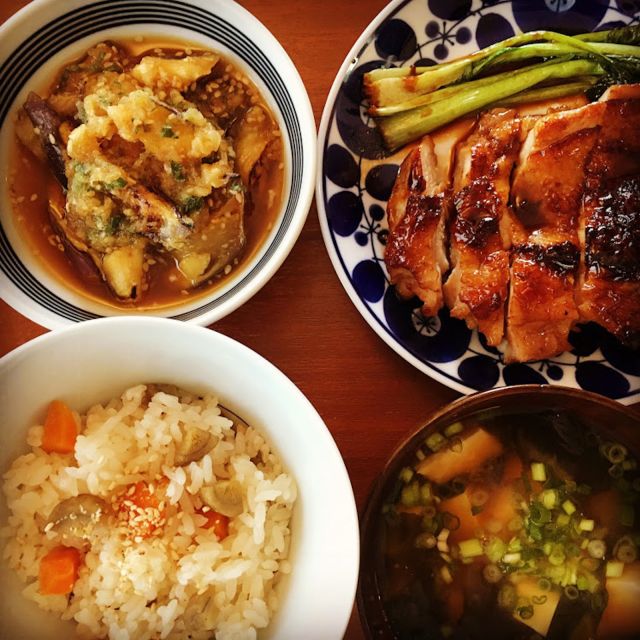
- What you actually cook: 2 to 4 dishes with real prep time
- Chef Sato’s teaching style: relaxed, personal, and focused on seasonal basics
- The optional 1pm–3:30 local outing after the morning class
- Logistics that matter in real life: timing, pickup, and group vibe
- Price and value: what $120 per person is buying
- Who should book this (and who might skip)
- Should you book this private Japanese cooking class in Shinjuku?
- FAQ
- Where do I meet for the cooking class?
- What time are the morning and evening classes?
- How does the menu change during the week?
- How many dishes will I cook?
- What’s included in the price?
- Is the class taught in English and is it private?
- Can I cancel and get a full refund?
Key things that make this class worth your time
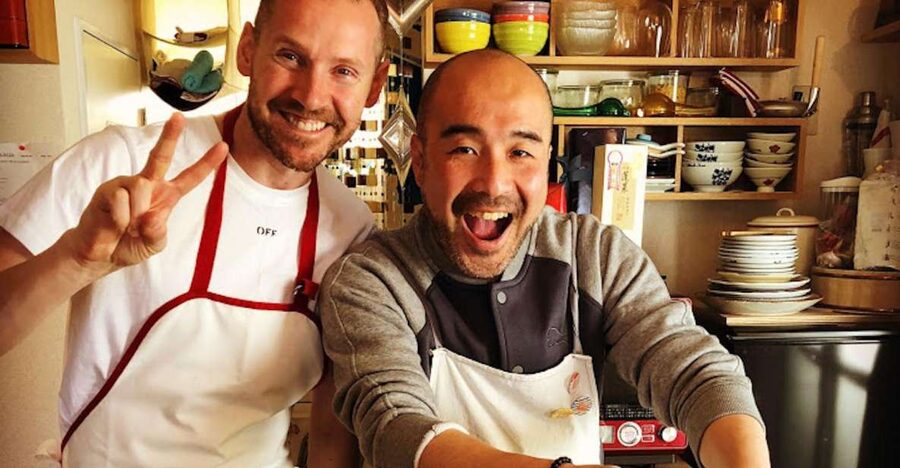
- Shinjuku meets an actual home kitchen: Pickup included and you cook in the chef’s apartment.
- Day-of-week menu changes: Traditional teishoku/set-meal style on some days; more popular comfort foods on others.
- You cook 2 to 4 items: The class is hands-on, not a long lecture.
- English instruction: Chef Sato teaches in English and explains the why behind flavors and choices.
- Free Japanese barley tea: A simple, authentic drink that fits the meal.
- Optional neighborhood walk after morning class: A short 1pm–3:30pm outing can add a lot of local flavor to your day.
A Tokyo food lesson inside a real Shinjuku apartment
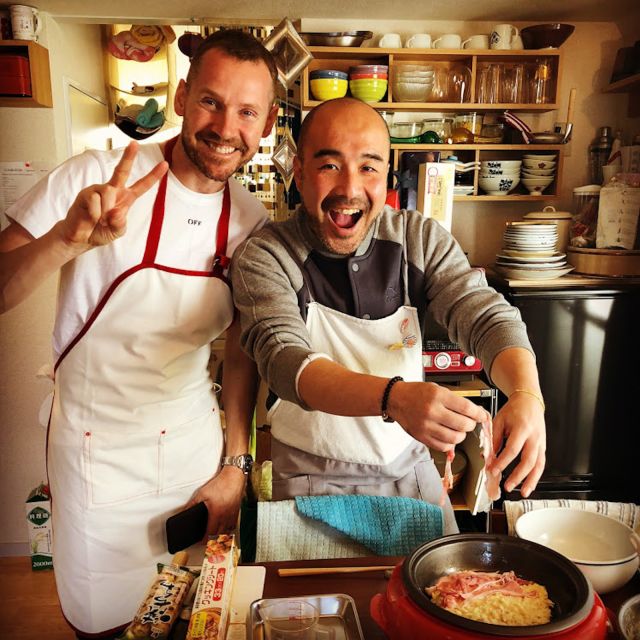
If you’ve done the “stand in a line, eat a bite” routine already, this feels like a reset. Instead of chasing restaurants, you learn cooking in a small, lived-in space—right in Shinjuku, one of Tokyo’s most layered neighborhoods. That matters because it changes the tempo. You stop thinking like a tourist and start thinking like a cook.
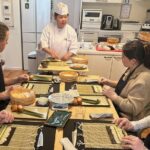
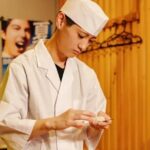
This is a private class, taught by an English-speaking instructor (Chef Sato). You’ll meet at the Shinjuku Station east exit police box, then you head to the apartment from there. Once inside, the vibe is calm and friendly, with lots of room for questions while you cook.
The best part is that the class is built around eating. You’re not only making dishes—you’re eating a proper meal afterward, which helps everything you learned “stick.” And because the menu is tied to what Tokyo eats on different days, you’ll get a sense of Japanese food culture beyond the usual tourist checklist.
You can also read our reviews of more tours and experiences in Tokyo.

Picking the right day: traditional teishoku days vs popular food days
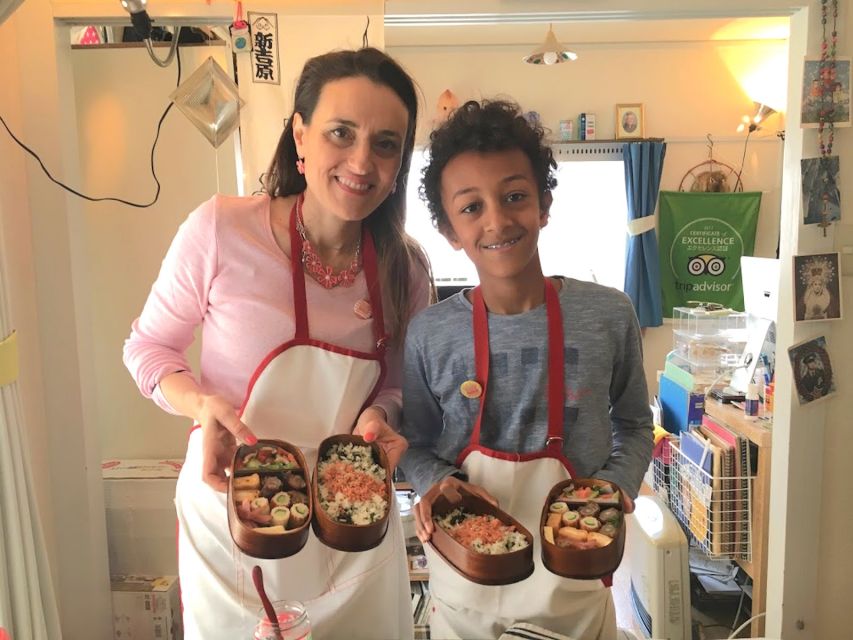
One of the smartest things about this experience is that it’s organized by the day of the week. That means you’re not stuck with one menu no matter when you arrive.
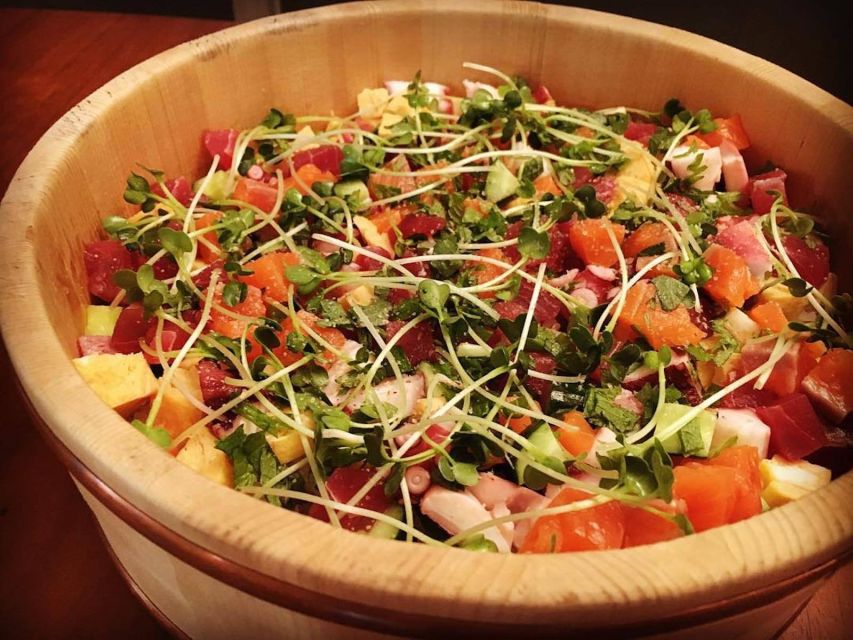
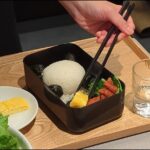
On Saturday, Sunday, Monday, and Tuesday, you’ll be in the “standard/traditional” menu track. Expect options like teishoku (rice plus a seasonal main dish and two seasonal side dishes) or donburi. The schedule also mentions classics such as obento-style items, tonjiru, and rice balls, depending on the plan for that day.
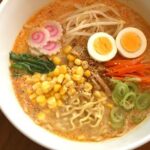
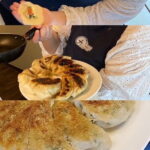
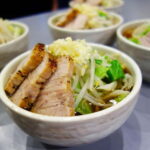
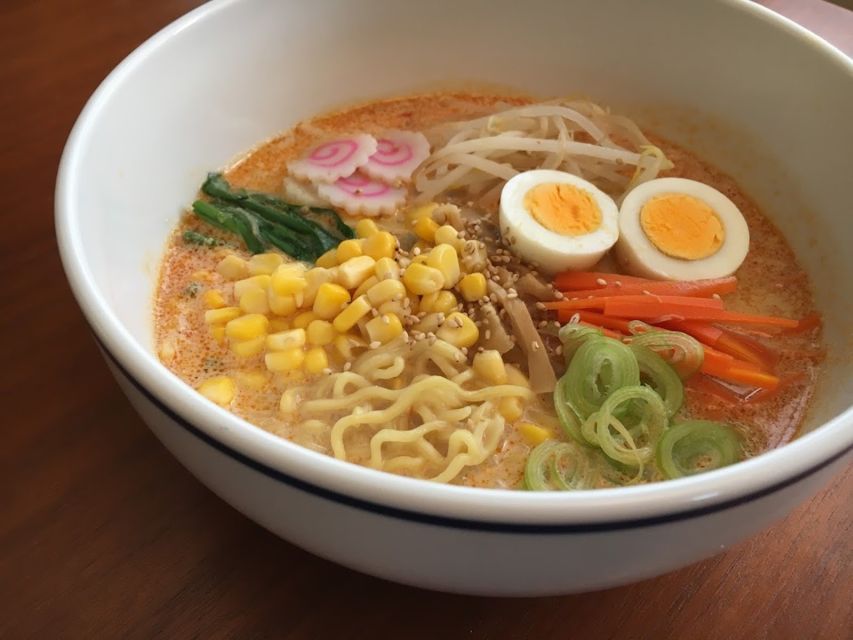
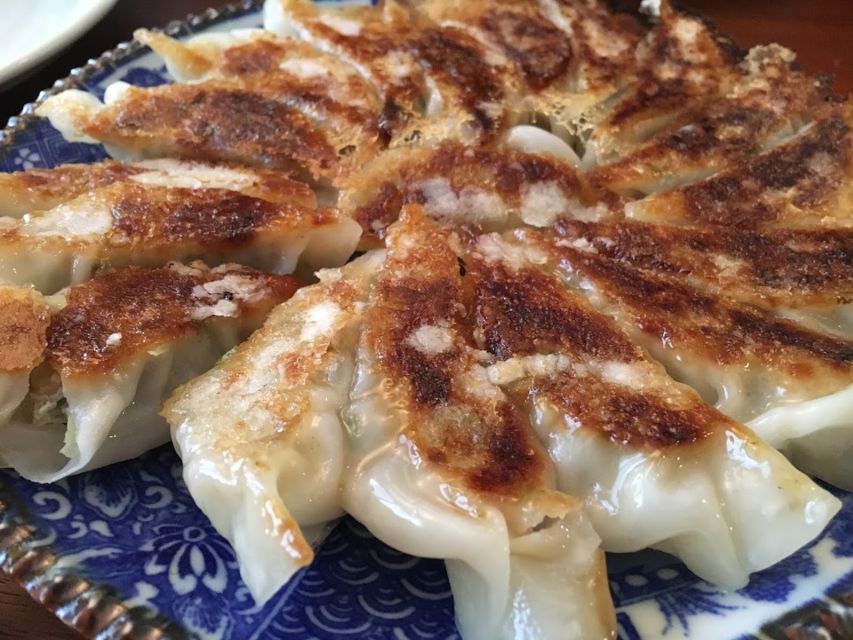
On Wednesday, Thursday, and Friday, the menu shifts to “popular food days.” The structure still includes seasonal thinking, but the dishes lean more toward fried and comfort foods. You might see teishoku with a fried main, or you could cook things like curry rice, okonomiyaki, gyoza, ramen, rice burger, kara-age, or yakisoba.
How to use this: if you want a more “Japanese home cooking” feel, aim for the traditional days and lean into the set-meal rhythm of teishoku. If you want the flavors most people associate with Tokyo street food and comfort meals, pick the popular days and plan to cook at least one dish that feels very Tokyo.
What you actually cook: 2 to 4 dishes with real prep time
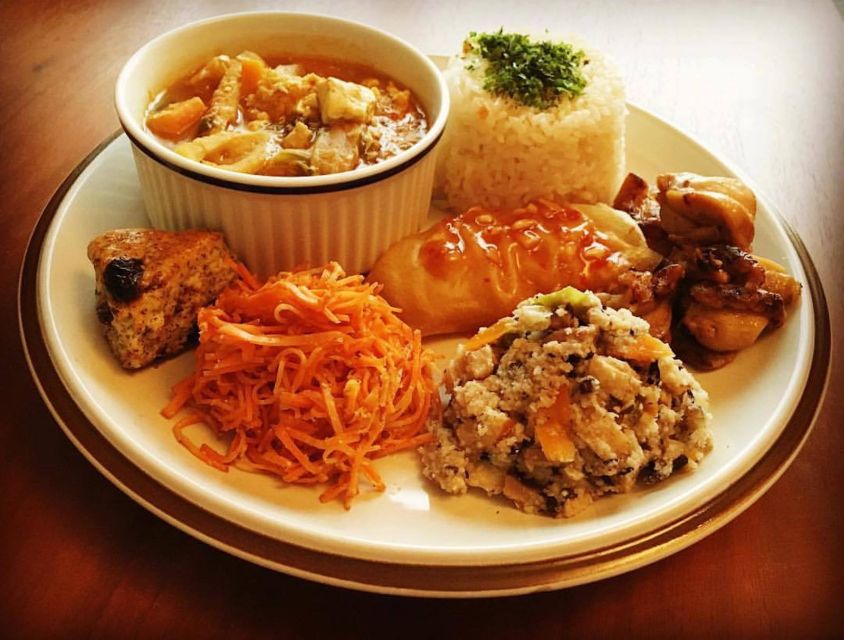
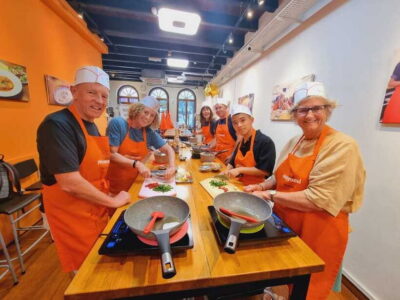
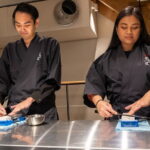
The class is designed for active participation. You’ll cook the menu for your session with 2 to 4 items, which is a sweet spot. It’s enough variety that you learn different techniques, but not so many dishes that the session becomes frantic.
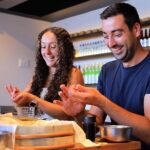
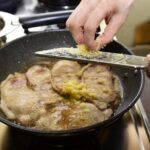
In practice, you should expect a full cycle: prep, cooking, plating, and then eating. Based on past experiences shared by guests, the teaching style tends to include hands-on instruction while you’re chopping and seasoning, not just watching someone cook. You’ll also get explanations of the ingredients and why they work together, so the food isn’t just tasty—it’s understandable.
This is also where the “private apartment” setting helps. In a big restaurant class, you can end up feeling like a visitor. Here, you’re working like you belong in the kitchen. That makes it easier to ask questions about things like cutting techniques or how to balance flavor.
A good way to plan your expectations: treat this as a cooking workshop that happens to take place in Tokyo. If you enjoy learning how food is built, you’ll leave happier than if you only want photos.
Chef Sato’s teaching style: relaxed, personal, and focused on seasonal basics
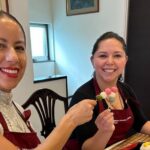
Chef Sato’s style is the backbone of the experience. The tone is relaxed—questions are welcome, and there’s a lot of emphasis on doing the work with you while you learn. Guests consistently describe it as a welcoming, friendly atmosphere, not a stiff classroom.
One theme that comes through strongly is the importance of seasonal ingredients. That doesn’t mean “produce for produce’s sake.” It means Japanese cooking uses the calendar as a flavor map. You’ll see how that philosophy affects what’s chosen for the menu and how each dish is balanced.
You’ll also likely hear a personal side—how Chef Sato learned cooking from family and how he connects ingredients to stories. Several guests mention conversation during and after cooking, including how cooking fits into his life. That makes the class feel more human, like you’re getting help from someone who genuinely wants you to succeed.
And in case you’re worried about leaving empty-handed: recipe materials are part of the experience. Guests mention receiving handouts, which is the practical piece that turns a great evening into meals you can cook again at home.
The optional 1pm–3:30 local outing after the morning class
If you book the morning session, there’s an optional short trip after class from 1pm to 3:30pm. This is where the day can shift from “cooking” to “Tokyo life.”
The outing is described as going to places you might not find in guidebooks. The goal isn’t a checklist crawl. It’s more like a guided wander through the kind of corners locals actually use—streets, neighborhoods, and everyday spots that help you understand Tokyo beyond the main attractions.
Based on the examples shared from past experiences, this walk can include areas around Shinjuku and nearby neighborhoods such as Nakano. You’ll also get some local pointers from the chef/instructor, which is useful if you want to eat well later without relying only on what’s most famous.
When to choose this add-on: do it if you have the energy to walk afterward and you like “slow Tokyo.” Skip it if you’re tired, jet-lagged, or already packed your afternoon. Either way, the cooking class itself is the main event.


Logistics that matter in real life: timing, pickup, and group vibe
This is a private group setting, which means you’re not squeezed into a crowd. That also means the class tempo can be more comfortable—less waiting, more attention, and more room to ask specific questions.
Timing is straightforward:
- Morning class runs from 10:30am to 1:00pm.
- Evening class runs from 6:00pm to 8:30pm.
Pick the morning if you want the possibility of the afternoon outing. Choose the evening if you’re sightseeing earlier and prefer a food-focused end to your day.
Pickup is included at the meeting point: Shinjuku station east exit police box, address listed as 3-38-38-1, Shinjuku, Shinjuku-ku, Tokyo 160-0022. Having pickup included is not a minor perk here; it saves you time and stress when you’re navigating a busy station area.
One more practical note: since this is in a home apartment, plan to move a bit—stands, counters, and kitchen work. Wear clothes you’re comfortable in if you’re doing prep work.
Price and value: what $120 per person is buying
At $120 per person for about 3 hours, this isn’t a “cheap souvenir activity.” But it also isn’t priced like a high-end restaurant tasting. The value comes from several things that add up:
- Private instruction from Chef Sato (not a big class with limited time).
- Hands-on cooking of 2 to 4 items, plus you eat the meal.
- Meals included, plus a free drink (Japanese barley tea).
- Pickup included, so you’re not solving transport mid-day.
- English instruction, which matters because cooking details are easier to learn when you can ask direct questions.
If you’re comparing costs, this tends to land well when you think of what you’d pay for a guided food experience plus dinner plus a cooking lesson. You’re getting food, context, and skills you can repeat.
So is it worth it? For me, yes—especially if you enjoy cooking or you want a memorable, hands-on activity that doesn’t evaporate into another photo folder.
Who should book this (and who might skip)
I’d put this class at the top of your list if you’re:
- A first-time visitor who wants to learn food culture in a real home setting
- A couple looking for a meaningful shared activity
- Someone who likes learning recipes you can cook again
- A fan of Japanese comfort foods like ramen, gyoza, curry rice, kara-age, or yakisoba
You might skip it if:
- You only want to eat, not cook
- You’re very sensitive to kitchen mess or close-space environments
- You’re arriving expecting a specific dish every time—weekday menus vary
A simple rule: if you enjoy the process of cooking, you’ll probably love this class. If you just want quick bites, choose another option.
Should you book this private Japanese cooking class in Shinjuku?
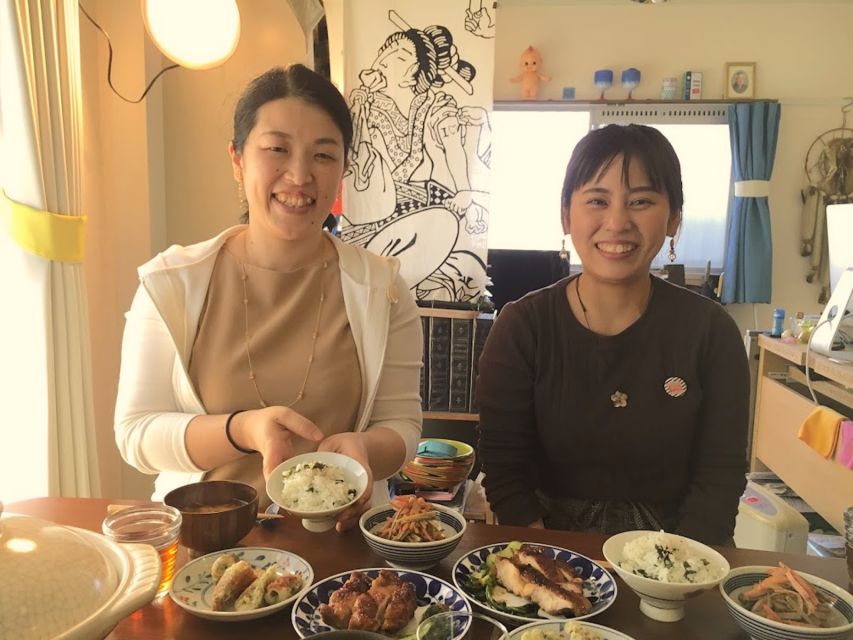
Book it if you want a real Tokyo experience with a home-cooked outcome. The best reason is the mix of cooking skill-building plus local perspective—taught in English, in a calm apartment kitchen, then finished with a meal you made yourself. If you choose the morning slot, the optional walk can also turn your cooking day into a deeper neighborhood story.
Only hesitate if your schedule forces a specific weekday and you’re locked into one exact dish. Check the day’s menu track first, because that’s the main variable.
FAQ
Where do I meet for the cooking class?
You meet at Shinjuku station east exit police box, 3-38-38-1, Shinjuku, Shinjuku-ku, Tokyo 160-0022, Japan.
What time are the morning and evening classes?
The morning class runs 10:30am to 1pm. The evening class runs 6pm to 8:30pm.
How does the menu change during the week?
Saturday through Tuesday uses the standard/traditional menu track, including teishoku (set meal with rice, a seasonal main dish, and two seasonal side dishes) and options like donburi and other Japanese home meal items. Wednesday through Friday uses the popular food track, with teishoku that includes a fried main or options like curry rice, okonomiyaki, gyoza, ramen, rice burger, kara-age, and yakisoba.
How many dishes will I cook?
You’ll cook one menu with 2 to 4 items during the class.
What’s included in the price?
Meals are included, along with a free drink: Japanese barley tea. Pickup at the meeting point is also included.
Is the class taught in English and is it private?
Yes. The instructor teaches in English, and the class is a private group.
Can I cancel and get a full refund?
Yes. Free cancellation is available up to 24 hours in advance for a full refund.