REVIEW · BRINDISI
Cesarine: Home Cooking Class & Meal with a Local in Brindisi
Book on Viator →Operated by Cesarine: Cooking Class · Bookable on Viator
Forget tours; cook at a Brindisi home. This private Cesarine class lets you work in a local’s kitchen, learn traditional Pugliese methods, and then sit down to the meal you made with a glass of local wine. I love that it feels personal, not packaged.
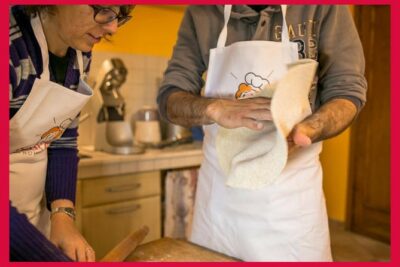
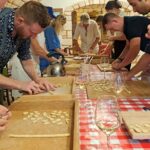
My second favorite part is the hands-on instruction. You might start with things like shaping pasta by hand (including styles like orecchiette with tomato and basil) and even picking ingredients from a garden, which makes the food taste like it has a story. One possible drawback: because it’s inside someone’s home, the setup is more casual than a restaurant kitchen, and English support can vary by host (sometimes translation comes from someone in the household).
If you like practical cooking skills you can repeat at home, this is a smart use of about three hours in Brindisi. At $174.23 per person, it’s best viewed as paying for instruction plus a full meal and wine, not just for entertainment—so book it when you’re ready to cook and eat slowly.
In This Review
- Key highlights that matter
- A Brindisi home kitchen beats any classroom
- What you’ll cook: Brindisi comfort food with real technique
- A realistic 3-hour flow (and why the timing works)
- The local lesson you actually remember later
- Eating outside: the Brindisi part you can’t fake
- English instruction: helpful, not stressful
- Sanitary care in a home setting (what’s provided, what to expect)
- Price and value: what $174.23 per person really buys
- Logistics that won’t eat your day
- Who should book this Cesarine class in Brindisi?
- Should you book it?
- FAQ
- How long is the Cesarine cooking class in Brindisi?
- Is this a private cooking experience?
- What language is the class offered in?
- What does the sample menu include?
- Does the meal include wine?
- What ticket and confirmation do I receive?
- Are there sanitary precautions and rules during the class?
- What’s the cancellation policy?
Key highlights that matter
- Private class in a real home (only your party participates)
- Hands-on Brindisi/Puglia cooking with step-by-step guidance
- Garden-to-table touches, like herbs or produce from the property
- You eat what you make, paired with a glass of local wine
- English is the planned language, with helpful translation support when needed
- A take-home sweet may be part of the evening (like caramelized almonds)
A Brindisi home kitchen beats any classroom
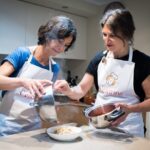
This experience is built around one simple idea: cooking is easier—and more memorable—when you’re doing it in the place where locals actually live. You show up, get welcomed, and get pulled into the rhythm of a home evening instead of standing around watching someone else plate food.
Because it’s private, you don’t have to worry about blending into a larger group. You can ask questions, move at your own speed, and focus on learning. And because the class ends with you eating together, you get that rare loop: teach → cook → sit down.
You can also read our reviews of more tours and experiences in Brindisi.
What you’ll cook: Brindisi comfort food with real technique
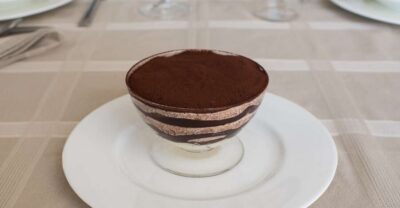
The menu is very “Puglia in spirit,” even when the exact dishes shift a bit. You can expect a typical Italian-style starter, a main that’s built around pasta, and a classic Italian dessert. The sample menu lists pasta with options such as ravioli, risotto, or gnocchi, plus a sweet choice like cholokate cake (chocolate-style cake), tiramisu, or a similar regional dessert.
Here’s what I’d look for as the practical payoff. The most praised parts of the cooking aren’t fancy or complicated. They’re the fundamentals done well—dough handling, sauce building, and shaping pasta so it holds onto sauce instead of sliding off like it’s auditioning for a cooking fail.
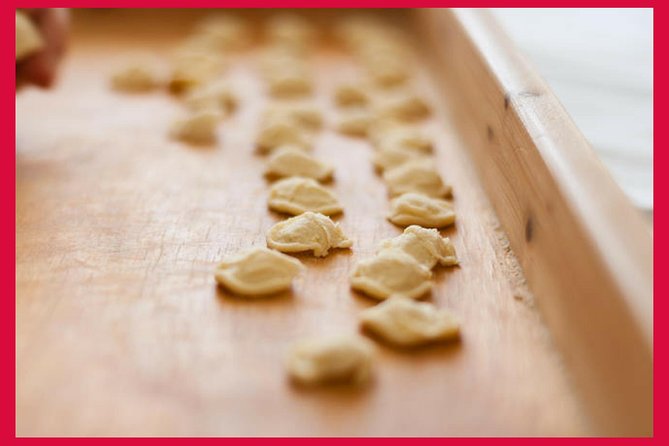
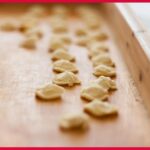
In some evenings, the pasta lesson can include shaping by hand for styles like orecchiette with tomato sauce and fresh basil. Other memorable examples include fried bread-style polpetti, fried squash blossom, and simple sweets like caramelized almonds. If that sounds like your kind of cooking, you’re exactly the right customer.
A realistic 3-hour flow (and why the timing works)
The tour runs about 3 hours, and that length is perfect for learning without feeling rushed. You’re not stuck for half a day, but you also don’t get a token taste-and-go lesson.
A typical arc looks like this:
- Welcome and drink: you’ll be greeted, and you may get water and local wine early on.
- Menu intro: your host walks you through what you’ll make and what order you’ll do things in.
- Prep and cooking: you work step by step, especially with pasta making—kneading, stretching, cutting, and shaping.
- Cook-to-table moment: while food finishes, you might take a quick look around the property or even gather herbs or produce if that’s part of the menu that night.
- Sit down to eat: you enjoy the meal you prepared, with a glass of local wine.
- Sweet finish (and possibly a take-home gift): dessert comes at the table, and some hosts send you home with something you made.
Because you cook most of it yourself, the time feels earned. You’re not just consuming; you’re producing. That’s the difference between a cooking class that’s mostly entertainment and one that sticks.
The local lesson you actually remember later
I love when a cooking class teaches more than recipes. This one has that feel. You’re learning methods that locals rely on: dough texture, how to handle it, how to shape it, and how to build a sauce that tastes balanced rather than flat.
The best technique takeaways tend to come from the pasta portion. For example, when you shape something like orecchiette, you learn that pasta is part sculpture and part sauce sponge. You’re not just making “pasta,” you’re making the surface that catches the tomato and basil.
Another practical bonus: you might add ingredients straight from the host’s garden. When fresh herbs and produce are part of the menu, the flavors land sharper. Even if you can’t recreate the exact same plants at home, you’ll remember the idea: fresh, simple ingredients treated with respect.
And yes, the whole vibe helps. Some hosts pair instruction with easy conversation, so it doesn’t feel like you’re being graded. It feels like you’ve been invited in.
Eating outside: the Brindisi part you can’t fake
The meal isn’t an afterthought. It’s the point. You sit down to enjoy what you made, and you get a glass of local wine with it.
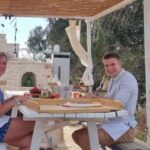
If the weather cooperates, the dining can happen outside—think garden tables or a terrace setting. That matters more than you might expect. When you eat outdoors, you taste more slowly, and the evening stops feeling like “work followed by food.” It becomes a real social meal.
Even small details can stick, like a host offering local wine from the start, or the table being set so you can relax once the cooking is done. That’s when the class becomes more than a lesson. It becomes a night in Puglia.
English instruction: helpful, not stressful
The experience is offered in English, and that’s a huge plus if you want to understand what you’re doing. You won’t be left guessing.
At the same time, this is inside a home, and every household has its own strengths. In at least some cases, if the main host’s English needs a little support, a family member may translate to make sure nothing gets lost. The key thing is that instruction is still careful and step-by-step, even when translation is involved.
My advice: go in with curiosity, not perfection. If you remember a few process steps (like how the dough should feel) you’ll get more value than if you try to memorize every sentence.
Sanitary care in a home setting (what’s provided, what to expect)
The provider states that the hosts are attentive to sanitary rules, including the use of essential equipment in the home for guests. That includes things like paper towels for washing hands and hand sanitizing gel.
They also ask you to keep distance (listed as 1 meter) and to wear masks and gloves if you can’t maintain that distance. You should treat this as part of the experience, not an extra inconvenience—homes can’t be “hotel-clean,” but they can be careful and prepared.
Price and value: what $174.23 per person really buys
$174.23 per person for about three hours may sound steep if you compare it to a quick food tour. But this isn’t a tasting menu and it isn’t a watch-only class.
You’re paying for:
- a private cooking class for just your party,
- hands-on instruction at a local home,
- ingredients and a full meal you prepare,
- and a glass of local wine.
The value gets even clearer if you’re a couple or a small group. In a private setup, the cost spreads across the people who are cooking and eating. If you like authentic food, and you want skills you can repeat, this is the kind of spending that pays you back later, not just in photos.
Logistics that won’t eat your day
The experience starts in Brindisi (in the Province of Brindisi, Puglia) and ends back at the meeting point. The meeting location is described as near public transportation, which is good news because you’re in an Italian city and you’ll want an easy route.
You’ll receive a mobile ticket, and confirmation comes at the time of booking. Practical tip: plan to arrive a bit early so you can settle in, use transit, and start the evening calm instead of hustling.
Also, wear something comfortable. You’re kneading, shaping, and moving around. A “nicer” outfit can work, but don’t count on your sleeves staying pristine.
Who should book this Cesarine class in Brindisi?
Book it if:
- you want an authentic home experience over a crowded demo,
- you love pasta and want real technique (not just a sauce spooned over noodles),
- you like learning from a local who cooks the way they actually feed their family.
Consider skipping or asking extra questions if:
- you need strict dietary accommodations (the exact menu is given as a sample, so confirm details when booking),
- you prefer a high-structure “chef spectacle” more than a collaborative home dinner.
If you’re traveling as a couple, this is especially appealing because private cooking turns into a shared activity, then a shared meal.
Should you book it?
I think this is a great booking when you want your time in Brindisi to feel grounded in daily life. You’re not just sampling the region. You’re practicing it, then eating it, with local wine.
If you go, do two things to maximize value: confirm the menu fit for your preferences, and show up ready to cook (hands-on means you’ll get the skill). And if your schedule is flexible, you have the option of free cancellation for a full refund if you cancel at least 24 hours in advance.
If that sounds like your kind of evening, book the Cesarine home cooking class. It’s the sort of night that turns into “remember when…” stories.
FAQ
How long is the Cesarine cooking class in Brindisi?
It runs for about 3 hours.
Is this a private cooking experience?
Yes. It’s private, and only your group participates.
What language is the class offered in?
The experience is offered in English.
What does the sample menu include?
The sample menu includes a typical Italian starter, pasta (with options such as ravioli, risotto, or gnocchi), and a typical Italian dessert such as cholokate cake, tiramisu, or a similar regional dessert.
Does the meal include wine?
Yes. You enjoy your meal with a glass of local wine.
What ticket and confirmation do I receive?
You receive a mobile ticket, and confirmation is received at the time of booking.
Are there sanitary precautions and rules during the class?
The hosts provide essential sanitary equipment for guests, including items like paper towels and hand sanitizing gel. The experience also asks you to maintain a 1 meter distance, and if you can’t, to wear masks and gloves.
What’s the cancellation policy?
You can cancel for free up to 24 hours in advance of the experience start time for a full refund. If you cancel less than 24 hours before, the amount paid is not refunded.