REVIEW · TAMARINDO
Traditional Cooking Class In Tamarindo
Book on Viator →Operated by DaviannaXperience · Bookable on Viator
Costa Rican home cooking starts with a kitchen tour. In Tamarindo, Chef Astanda (often the host named in people’s accounts) brings a small group into a real home setup to cook traditional Guanacaste dishes, not just watch. You’ll learn techniques like wood-fire cooking and the pilón, and you’ll hear the stories behind what’s on the table.
I especially like two things. First, you get to choose what you want to cook from several options (or ask for a seasonal pick from local markets). Second, you sit down afterward for a three-course meal made with your work.
One thing to consider: the event often runs longer than the 2 hours 45 minutes that’s advertised. Some sessions also skew toward prep-heavy work (chopping, assembling) instead of cooking every step at the stove.
In This Review
- Key Takeaways Before You Go
- A Home-Cooked Class in Tamarindo’s Kitchen
- Menu You Choose: Tortillas, Chorreadas, Patacones, Olla de Carne and More
- What the 2h45 Plan Looks Like in Real Life (and Why It Matters)
- Wood-Fire Cooking and the Pilón: The Techniques That Make It Worth It
- Small Group Size: Better Conversation, Sometimes Less Stove Time
- Meeting Point Reality: Find the Place, Then Eat Well
- Price and Value: Is $99 Worth It?
- Who This Tamarindo Cooking Class Fits Best
- Should You Book This Traditional Cooking Class in Tamarindo?
- FAQ
- What dishes will I learn to make?
- How long is the cooking class?
- How big is the group?
- Where do I meet in Tamarindo?
- What do we eat during the experience?
- How much does it cost?
- When will I receive confirmation?
- Can I cancel for a full refund?
Key Takeaways Before You Go
- Max 8 people keeps the vibe intimate and conversation-focused.
- Choose your menu so you can aim for tortillas, chorreadas, patacones fritos, or olla de carne.
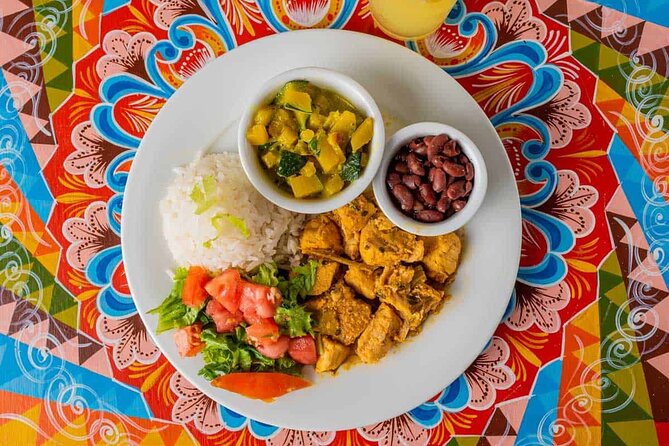
- Guanacaste-style cooking shows up on the plate, including arroz de maíz and traditional slow-cooked dishes.
- Wood-fire and pilón methods give you technique you won’t get from a basic recipe class.
- Come hungry, plan for timing drift; eating can happen later than you expect.
- Hard-to-find location is a recurring practical hiccup, so get clear directions.
A Home-Cooked Class in Tamarindo’s Kitchen
This is the kind of Costa Rica experience that feels personal fast. You’re in Tamarindo, and the meeting spot is in the center-ish area—then you head to the chef’s home for the work. That shift matters. Cooking at home changes the whole pace: it’s less classroom, more family meal prep.
You’ll be guided by a local chef who’s there to answer questions and share what goes into the food beyond the ingredients list. Expect stories, regional touches from Guanacaste, and a working-kitchen rhythm that’s built around real cooking tools and methods. Reviews and descriptions repeatedly point to warm hosting and a fun, social atmosphere—people leave talking, laughing, and ready to try recipes at home.
The flip side? Home setups aren’t designed for strict “start-to-finish, minute-by-minute” timing. If you like cooking plus a predictable schedule, you’ll want to keep some buffer in your evening.
Menu You Choose: Tortillas, Chorreadas, Patacones, Olla de Carne and More
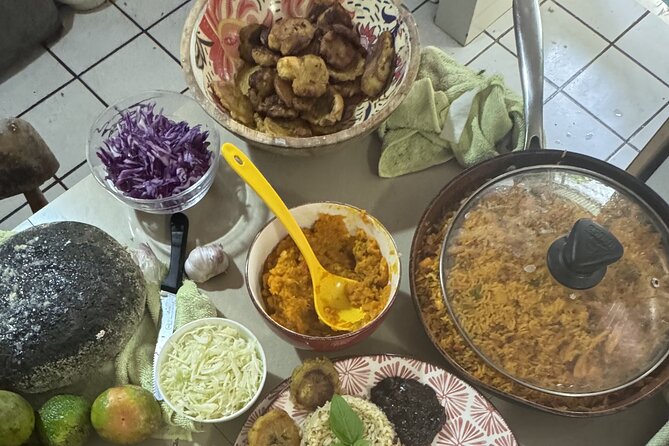
You don’t just get one fixed dish list here. You can select what you want to learn from several options, or let the chef recommend a seasonal menu pulled from local markets. That flexibility is great if you already know what you’re craving—tortillas, a specific stew, or something more snacky like chorreadas and fried plantain rounds.
Here are the common dishes you’ll see in the program:
- Tortillas
- Chorreadas
- Patacones fritos (fried plantain)
- Olla de Carne (hearty meat stew)
- Arroz de maíz (corn rice)
- plus additional traditional options depending on the day and season
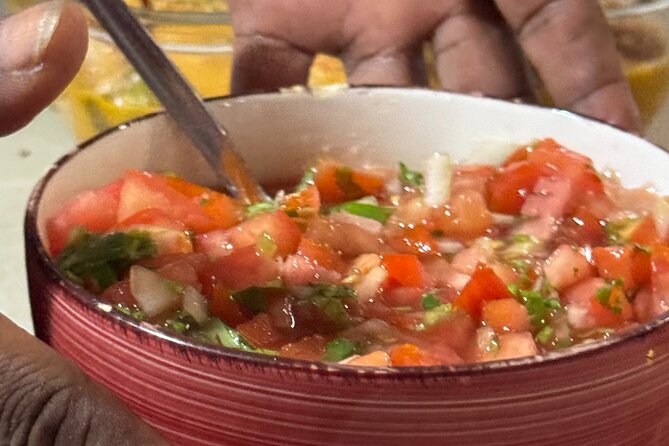
A detail that’s worth your attention: some of the menu concepts may surprise people who expect only classic “gringo-friendly” versions. For example, plantain/banana ceviche is mentioned as a Costa Rican specialty. It’s made by curing with lime acidity (so it’s not heated the way some fish ceviches are), and it’s built around lime, onion, chili, cilantro, and the right balance of texture from the fruit.
That’s part of the value. This class isn’t trying to be a restaurant tasting. It’s showing you how real Guanacaste flavors work at the home level—how the sourness behaves, how the fried plantain stays crisp, and how the stew style reads when you’re tasting as you go.
What the 2h45 Plan Looks Like in Real Life (and Why It Matters)
The experience is advertised at about 2 hours 45 minutes, but many accounts describe it running longer—often around 4 hours, and in at least one case stretching closer to 9 PM dinner time. That doesn’t automatically mean it’s “bad.” It does mean you need to plan for a slower evening.
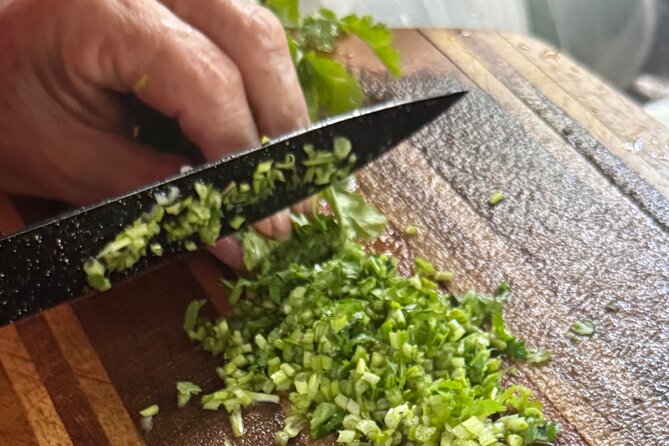
Why does it run long? The pattern that comes up is prep time. You may spend significant time chopping vegetables, portioning ingredients, and helping assemble components. Some sessions feel like a cooking class plus demo, where the chef and assistant handle parts of the stove work while you learn through hands-on prep and watching. In other words, it can be interactive, but not always “you cook every step.”
This is also why eating timing becomes a practical issue. If you arrive hungry, you might love it. If you arrive expecting food soon, you can end up waiting. My advice: build a snack into your day before you go, or at least plan that the big meal happens near the end.
If you’re traveling with kids or people who hate long waits, consider that the event can feel like a long kitchen hang, not a quick two-and-a-half hour activity.
Wood-Fire Cooking and the Pilón: The Techniques That Make It Worth It
Where this cooking class earns respect is in the techniques. Sure, anyone can teach a recipe. Fewer instructors teach the tools and motions that create the taste you remember from Costa Rican home cooking.
Two signature techniques are repeatedly highlighted:
- Wood-fire cooking: cooking over flame changes flavor depth. It’s not just heat; it’s smoke and timing.
- The pilón: that grinding tool matters for texture. When you mash or grind ingredients the traditional way, you get different aromas and body than you’d get from a blender.
Even if you don’t become a master chef by the end of the night, these techniques give you something useful: a mental model for what the food is doing. You start to understand why certain salsas taste the way they do, how thick sauces form, and why corn rice and stews feel more comforting than “quick meal” versions.
And then there’s the stories. People are consistently praised for sharing cultural context behind recipes. That may sound like fluff until you realize it changes how you cook later. When you understand why lime cures plantains, or why a stew is built with slow steps, you’re not guessing—you’re cooking with intention.
Small Group Size: Better Conversation, Sometimes Less Stove Time
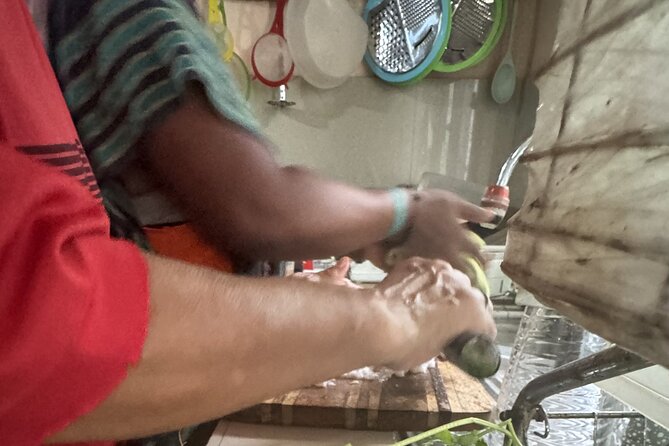
This activity caps at 8 travelers, which is a big deal. In a small group, the chef can answer questions without shouting over a crowd. It also makes the evening feel social in a good way: you’ll likely meet a few new people while you work side-by-side.
But small doesn’t automatically mean equal cooking time. Some people come away feeling they did more prep than stove cooking. Others say the chef made sure they understood what was happening on the stove, even if the chef did the hands-on cooking for safety and flow.
So here’s the practical expectation to set: treat this as a hands-on cultural cooking experience with strong participation, not a precision knife-skills course. One account even flags that knives weren’t ideal for training-level chopping. If you care deeply about knife technique or want to master one dish end-to-end at the stove, ask beforehand how much time you’ll get cooking versus prepping and assembling.
The upside is you still learn the “why.” And if you leave with the recipes and a better sense of timing and texture, you’ll be able to recreate the dishes at home with confidence.
Meeting Point Reality: Find the Place, Then Eat Well
The meeting point is listed as 855R+8V4 in Tamarindo, and the activity ends back there. It’s near public transportation, and the experience allows service animals.
That said, multiple accounts mention the location can be tough to find because signage may be minimal. This is the main logistics risk. My tip: message in advance for clear step-by-step directions, and if you’re not already familiar with Tamarindo streets, plan to use a taxi or arranged ride to get you there without stress.
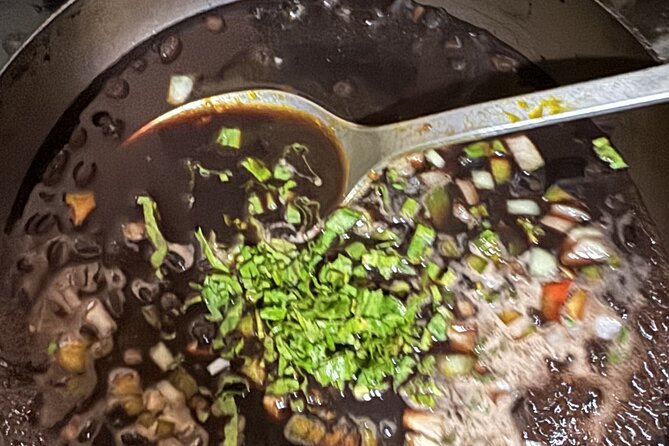
Once you arrive, the format shifts quickly from “meeting spot” to “home-kitchen rhythm.” People describe a friendly welcome, and the atmosphere often includes conversation that keeps the evening moving. Just keep in mind that because the home environment is involved, the space can be tight for a full group.
Also, bring a practical mindset. Some accounts advise bringing your own small hand towel and noting that napkins may not be automatically provided unless you request them.
Price and Value: Is $99 Worth It?
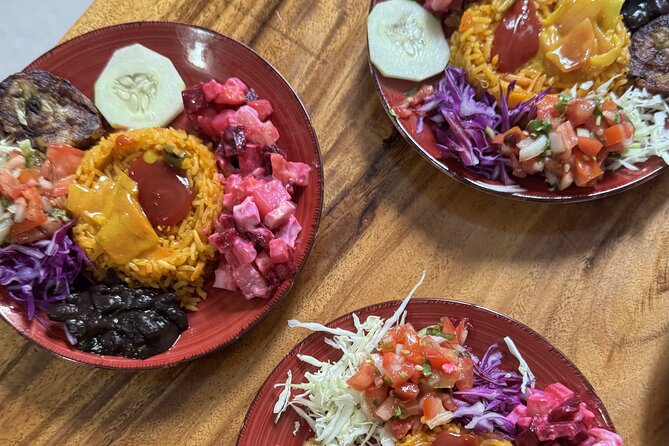
At $99 per person, this class sits in a price band where you should expect more than a basic cooking demonstration. For many people, it delivers: they praise the host’s warmth, the authenticity of the food, and the fact that you eat what you make as a group meal.
Where value gets tricky is consistency of pacing and meal quality. Some accounts describe excellent dishes (like slow-cooked beans) and a great overall dinner. Others report uneven results—cold or bland components and a lot more chopping/assembly than cooking. One family account even felt the price was too high compared with the hands-on instruction they expected.
So how should you think about value? Here’s the most honest way to decide:
- If you want traditional Guanacaste food in a home setting and you’re okay participating in prep, $99 can feel fair.
- If you’re expecting a “cook from scratch at the stove with full technique coaching” experience, you’ll want to confirm the structure beforehand. The more prep-focused the evening becomes, the less “premium cooking class” it feels.
If you’re the type who learns best by watching plus doing the physical prep steps, you’re likely in the sweet spot. If you’re paying for intensive instruction on every dish step, bring that expectation up early.
Who This Tamarindo Cooking Class Fits Best
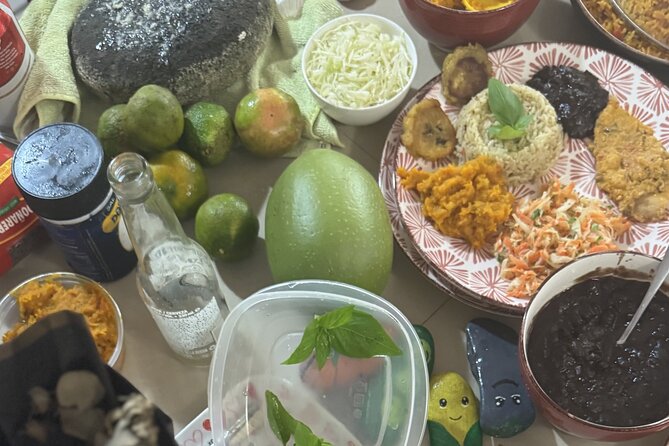
This is a great match for you if:
- You like traditional Costa Rican cuisine and want Guanacaste dishes beyond the usual beach strip menu.
- You enjoy a social, small-group night where you talk while you cook.
- You want recipes you can use later and you care about technique, like grinding with a pilón or cooking over wood fire.
It might not be ideal if:
- You need strict timing and an early dinner hour.
- You want a formal class where you master knife skills and cook every component yourself at the stove.
- You’re traveling with very young kids who can’t handle waiting for the meal.
One more thought: bring curiosity. People come away happiest when they treat it as cultural time in a local kitchen, not only as a ticket to a “hands-on meal you can plate fast.”
Should You Book This Traditional Cooking Class in Tamarindo?
I’d book it if your goal is authentic Guanacaste cooking with a friendly local chef, a small group, and a shared three-course meal where you’ll choose dishes and learn traditional techniques. It’s especially strong if you’re excited about tortillas, chorreadas, patacones, olla de carne, and corn-based sides.
I wouldn’t book it if you’re hardwired for predictable timing, and you expect to do full stove-to-plate cooking with heavy coaching. In that case, ask detailed questions about how much you’ll cook versus prep, and how soon you’ll eat.
If you do book, come prepared: eat a snack beforehand, plan for a longer evening, and make sure you can find the meeting spot.
FAQ
What dishes will I learn to make?
You’ll learn traditional Costa Rican dishes that can include tortillas, chorreadas, patacones fritos, olla de carne, arroz de maíz, and more depending on the seasonal menu. You can also choose what you’d like to master.
How long is the cooking class?
The experience is listed at about 2 hours 45 minutes.
How big is the group?
The tour/activity has a maximum of 8 travelers.
Where do I meet in Tamarindo?
The meeting point is listed as 855R+8V4 in Guanacaste Province, Tamarindo, Costa Rica. The activity ends back at the meeting point.
What do we eat during the experience?
After the cooking work, you enjoy a freshly prepared home-made meal together. It’s described as a three-course meal.
How much does it cost?
The price is $99.00 per person.
When will I receive confirmation?
Confirmation is received at the time of booking.
Can I cancel for a full refund?
Yes. You can cancel up to 24 hours in advance for a full refund. If you cancel less than 24 hours before the start time, the amount paid is not refunded.