REVIEW · KYOTO
Near Fushimiinari: Kyoto Home Cooking Class & Supermarket tour
Book on Viator →Operated by Japanese cooking class & walking tour · Bookable on Viator
Your lunch starts in a real Kyoto house. I like this class because it blends hands-on cooking with a supermarket ingredient tour, so you learn food and also how to buy it back home. The small group size (max six) means you’re not stuck watching from the sidelines, and you get time to ask questions as you cook. One possible drawback to note: there’s no hotel pickup, so you’ll need to get yourself to the meeting point near Fushimiinari, and you should plan around the start time.
I also love that the lesson is built around fundamentals like dashi, the soup stock behind so much Japanese flavor. You cook about five dishes, eat lunch together in a traditional room, and then shop for the ingredients used in class. It’s a great setup for solo travelers who want conversation that feels natural, not forced.
The main consideration is timing and logistics: it runs about four hours starting at 9:30am, and drinks aren’t included. If you want a strict, low-effort sightseeing day, this is more active and food-focused than a passive tour.
In This Review
- Key highlights at a glance
- Entering a Kyoto home near Fushimi-Inari (and why the location matters)
- What you cook: dashi first, then about five dishes
- Hands-on technique time, not just watching
- Lunch in a traditional room with garden views
- The supermarket tour: 30 minutes that actually helps you shop
- Price and value: what you’re really paying for
- Who this Kyoto class fits best (and who might not love it)
- Practical tips to make your session smoother
- Should you book this Kyoto home cooking class near Fushimi-Inari?
- FAQ
- How long is the Kyoto cooking class and supermarket tour?
- How many people are in the group?
- Is the class taught in English?
- What dishes will I make?
- What is included in the price?
- Are drinks included?
- Do we visit a supermarket after the cooking?
- Can I buy the ingredients we see at the supermarket?
- What happens if the experience is canceled due to weather?
Key highlights at a glance
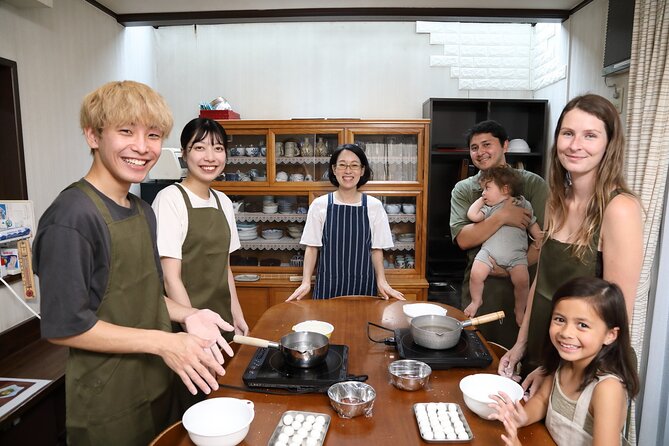
- Small group of up to six, so you get real coaching while you cook
- About five dishes hands-on, starting with fundamentals like dashi
- Lunch in a traditional Japanese room, with a garden view noted by participants
- 30-minute supermarket tour to find the exact ingredients you used
- English instruction all the way, with licensed guide interpreters
- Take-home recipes so you can recreate the meal later
Entering a Kyoto home near Fushimi-Inari (and why the location matters)
This class starts near Fushimiinari shrine in Kyoto (meeting point: 38-4 Fukakusa Watamorichō, Fushimi Ward; start time 9:30am). That location is useful because it gives you a strong first or last stop for a day built around temple hopping. You’re not trekking across town for a single activity, and it’s also close enough that you can connect it with a walk in the area before or after.
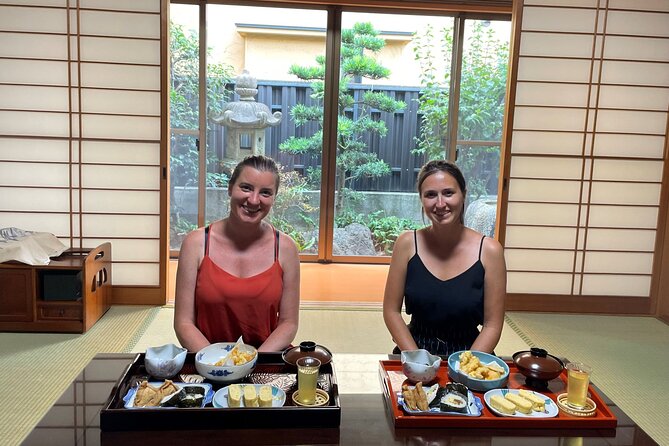
The venue is described as a real older Japanese home, with a traditional tatami room and features like a tokonoma display space mentioned in participant feedback. Even if you’ve seen plenty of Kyoto interiors, it feels different when you’re not there for a photo stop. Here, the house functions like a classroom and a dining space, with a calm garden view adding to the meal afterward.
Because this runs on a fixed schedule, you’ll want to treat it like a commitment rather than a flexible “maybe we’ll do it” activity. If you arrive early, you’ll still be waiting, since it’s a structured experience—but arriving a few minutes early helps you get settled.
You can also read our reviews of more tours and experiences in Kyoto.
What you cook: dashi first, then about five dishes
The class is built around Japanese cooking basics, and it starts with dashi—the soup stock used in nearly all Japanese cuisine. That’s a smart approach for anyone who’s ever tried to cook Japanese food from scratch and ended up with something that tasted close but not quite right. Learning the stock concept early helps you understand why the rest of the flavors work together.
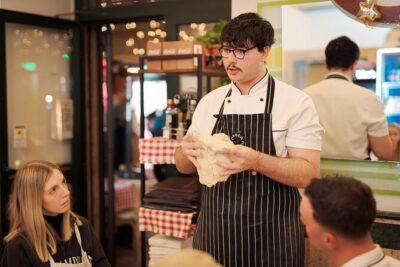
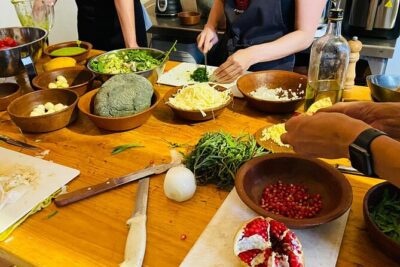
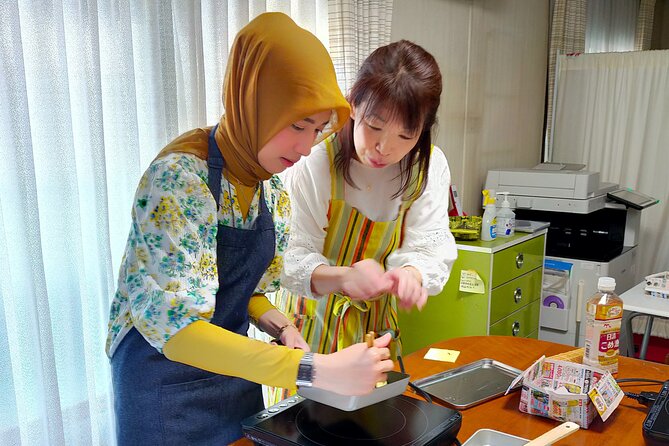
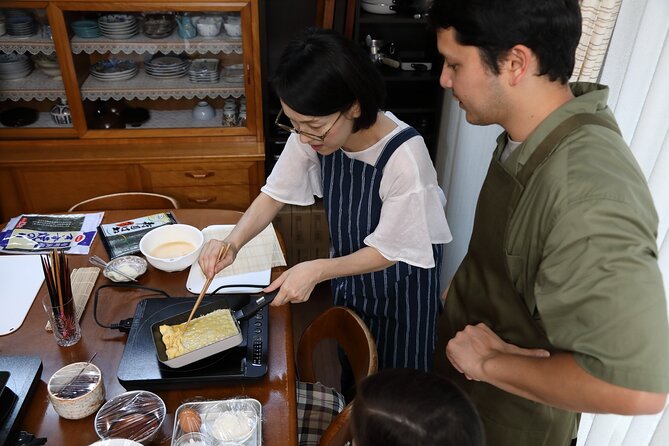
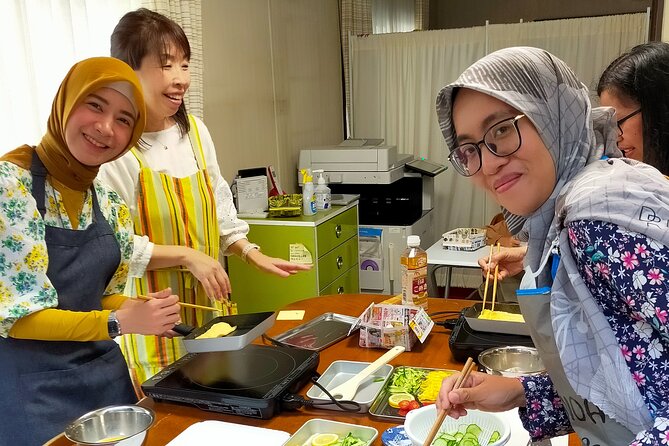
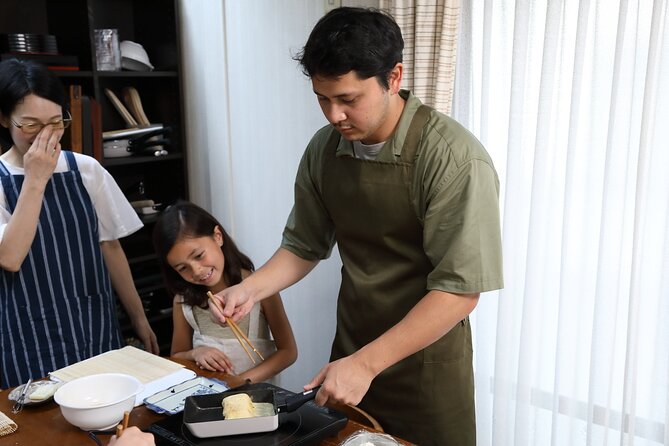
After that introduction, you’ll prepare roughly five dishes, either by yourself or with your partner. The instructor demonstrates before you start cooking on your own, which makes it easier to get your bearings even if you’ve never handled Japanese ingredients beyond a quick store run.
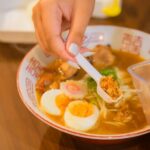
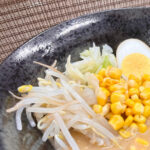
One of the clearest signals from the reviews is that the menu can include popular Japanese dishes and flavors, such as miso soup, sushi, tempura, spinach salad, and matcha. Since the exact dishes aren’t spelled out as a guaranteed set in the info you receive, think of these as examples of what you might make in your session—while still expecting the same structure: dashi foundations, hands-on prep, and guided technique.
A big value point here is that the instructors can work with different language backgrounds. The class is conducted entirely in English, but it also allows non-English speakers, and the instructors are licensed guide interpreters. In practice, this tends to mean clearer explanations and more patience when you’re asking questions in the moment.
Hands-on technique time, not just watching
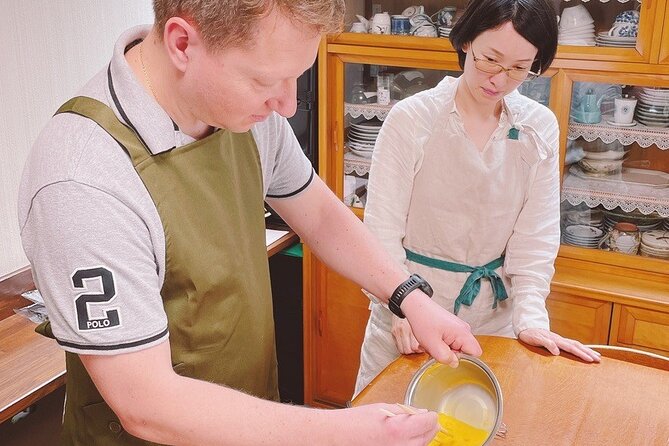
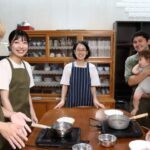
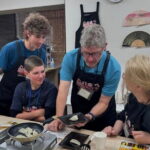
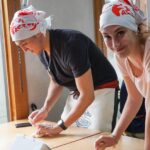
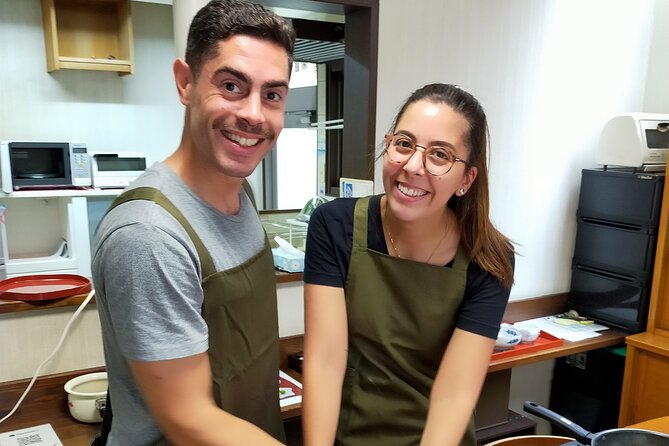
This is not a “stand and observe” cooking class. The format is hands-on, and that matters because Japanese cooking often depends on small steps and timing: when to add something, how to handle seasoning, and how to get the texture right. Your instructor is there in front of the group for demonstrations, then you’re cooking yourself.
The small group size (max six) is one of the biggest reasons this works. With six people or fewer, you’re more likely to get individualized help when something doesn’t go right the first time. It also makes the kitchen feel less like a show and more like shared work, which is especially good if you’re traveling solo and want to chat with people naturally.
In the reviews, the host name Miho comes up repeatedly. Multiple participants mention that Miho is friendly, answers questions patiently, and communicates clearly in English. One review also notes that participants were greeted with water and Japanese snacks, which is a small detail, but it helps you feel taken care of from the start.
Lunch in a traditional room with garden views
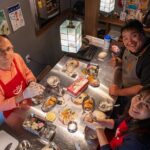
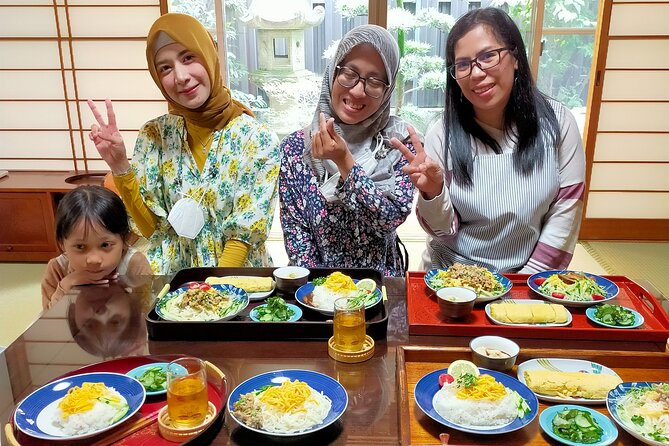
After cooking, you eat what you made together in a traditional Japanese space. Participant descriptions include tatami flooring and a calm garden view, which is exactly the kind of setting that makes the meal feel like part of the experience, not just the reward for finishing a class.
This portion is more than comfort food. The way you eat is also part of Japanese home cooking culture: shared dishes, a relaxed rhythm, and a setting where you can ask follow-up questions after the cooking work is done. Reviews mention mochi showing up at the end of at least some sessions, including mochi made by participants, and in one case mochi ice for a family moment. If that’s your kind of sweet finale, it’s worth knowing that at least some classes include mochi as a closing treat.
Also keep in mind what you’re not getting: drinks are not included. That’s not a flaw, it’s just something to plan for. If you usually drink tea or soda with meals, consider grabbing something nearby before you start, so you’re not stuck at the end wondering why the table is dry.
The supermarket tour: 30 minutes that actually helps you shop
The supermarket stop is short—about 30 minutes—but it’s targeted. After lunch, you explore a local grocery store together and look for the ingredients you used in class. The goal isn’t just to point at shelves. It’s to teach you how to recognize products, understand labels, and understand what each ingredient is for.
This is where the experience becomes more valuable than many cooking classes. You might learn a recipe once, but if you don’t know what to buy (or what words to search for), you can’t repeat it at home. The supermarket tour turns the class into a practical shopping guide.
Participants also emphasized that the supermarket was a major bonus, especially because understanding what everything is in Japan can be confusing. Seeing the ingredients in context helps you connect the cooking you just did to the real-life brands, packaging, and forms you’ll run into later.
If you want, you can buy ingredients to bring back for your family and friends. That means you leave with both knowledge and a head start on your next meal experiment.


Price and value: what you’re really paying for
The price is $118.92 per person for about four hours. At first glance, cooking classes can look expensive, especially if you compare them to a restaurant meal. The key difference here is that you’re paying for instruction, ingredients, and a structured experience that includes both cooking and a guided shopping component.
Here’s what’s included:
- Lunch
- All seasonings and ingredients used for cooking
- An English-speaking instructor (licensed guide interpreter)
- A local supermarket tour for about 30 minutes
- All fees and taxes
And here’s what’s not included:
- Drinks
- Gratuity
- Hotel pick-up/drop-off
So your money is going into time with a teacher, guided supermarket context, and ingredient coverage. For solo travelers, there’s also a social value: you’re in a small group and actively working together, which usually leads to easy conversation.
If you’ve ever tried to “teach yourself” Japanese cooking using a generic recipe, you’ll feel the value fast. Dashi, seasoning balance, and technique are hard to get right without real feedback. This class gives you that feedback while it’s still fresh in your mind.
Who this Kyoto class fits best (and who might not love it)
This experience suits you if you want:
- Hands-on cooking rather than passive sightseeing
- A chance to ask questions in English without guessing
- A practical way to learn Japanese ingredient shopping
- A small-group setting (max six) that works well for solo travelers
It may be less ideal if you want a slow, open-ended day with lots of wandering. This class is structured: cooking first, lunch together, then a short supermarket visit. You’ll do a lot within four hours, and you’ll go home with recipes and ingredients, not just photos.
Weather matters too. The experience requires good weather, and if it’s canceled due to poor conditions, you’ll be offered a different date or a full refund. That doesn’t mean you should skip it, but it does mean you should avoid booking it as your only plan on a day when Kyoto weather could turn.
Practical tips to make your session smoother
A few simple moves make a big difference with food-focused tours:
- Arrive a bit early near Fushimiinari so you’re not rushing into the kitchen. The meeting point is fixed, and there’s no pick-up.
- Wear comfortable shoes. Even though the tour is mostly cooking, you’ll likely move between spaces and the supermarket.
- Go hungry but not frantic. You’ll be cooking and eating lunch, so being too full beforehand can dull the meal experience.
- Use the supermarket time actively. Ask how the ingredients you cooked with look in real shopping form. If you plan to cook later, this part is your shortcut.
- Save your recipes right away. Since you get recipes to recreate what you made, treat them like something you’ll use, not a souvenir.
If you’re nervous about cooking, don’t be. The instructor demonstrates first, then you work step-by-step. Reviews repeatedly highlight clear guidance and a friendly, supportive tone, especially with Miho as the instructor.
Should you book this Kyoto home cooking class near Fushimi-Inari?
I think you should book it if you want an experience that’s both tasty and usable. The combination of cooking about five dishes, learning core concepts like dashi, eating lunch in a traditional setting, and then walking a supermarket with your instructor is a rare mix. It’s not just a fun afternoon; it’s a way to bring Japanese cooking skills back into your own kitchen.
Skip it only if you strongly prefer passive sightseeing, or if you really need hotel pick-up and a fully hands-off schedule. Otherwise, this is one of those Kyoto activities that feels genuinely local without requiring you to already know the language or the shopping ropes.
If you’re planning around Fushimiinari anyway, this class turns that area into more than temples and photos. It turns it into lunch you can recreate.
FAQ
How long is the Kyoto cooking class and supermarket tour?
It runs for about 4 hours, starting at 9:30am.
How many people are in the group?
The class has a maximum of 6 travelers.
Is the class taught in English?
Yes. The class is conducted entirely in English, and the instructors are licensed guide interpreters.
What dishes will I make?
You’ll learn about dashi first, then prepare about 5 dishes. Specific dishes can vary, but examples mentioned in participant feedback include miso soup, sushi, tempura, spinach salad, and matcha.
What is included in the price?
Lunch is included, along with all fees and taxes. The class also includes all seasonings and ingredients for cooking, an English-speaking instructor, and a local supermarket tour for about 30 minutes.
Are drinks included?
No. Drinks are not included.
Do we visit a supermarket after the cooking?
Yes. After lunch, you explore a local supermarket together for about 30 minutes to find the ingredients used in the class.
Can I buy the ingredients we see at the supermarket?
Yes. If you like, you can buy the ingredients you used in the class for cooking later.
What happens if the experience is canceled due to weather?
The experience requires good weather. If it’s canceled due to poor weather, you’ll be offered a different date or a full refund.