REVIEW · LUSAKA
Zambian Food Cooking Class in Lusaka
Book on Viator →Operated by Clare Malata · Bookable on Viator
Nshima has a way of making you hungry. In Lusaka, this private Zambian food cooking class is built around learning what real home cooks use, how they cook it, and then enjoying the meal you make with your tutor, Clare Malata. It’s hands-on, interactive, and designed for visitors who want more than a snack stop.
I especially like the private, no-one-else format. You can ask questions as you cook, and you’re not rushing through steps while strangers watch. I also like that the price covers all food, so you’re not doing mental math while you’re learning flavors like nshima paired with kalembla (sweet potato leaves), plus other classic sides.
One consideration: the experience runs about 3 hours, and it’s weather-dependent. If your schedule is tight or you hate any weather-related uncertainty, plan a little breathing room.
In This Review
- Key highlights I’d circle before booking
- From Lusaka pickup to a real cooking rhythm
- What you’ll cook: nshima, kalembla, and classic Zambian plates
- Traditional utensils and hands-on learning that sticks
- Lunch you cooked: eat together, then relax
- Price and logistics: why $78 works (if you’re serious about the food)
- Who this Zambian cooking class is best for
- Should you book this Lusaka cooking class?
- FAQ
- Is pickup included for the Lusaka cooking class?
- How long is the Zambian food cooking class?
- Is this a private lesson or will I share it with other people?
- What dishes will I learn to make?
- Is food included in the price?
- Can the class be done at my self-catering accommodation?
- What happens if the class is canceled due to weather or if I need to cancel?
Key highlights I’d circle before booking
- Private lesson in Lusaka with only your group, run by Clare Malata
- Cook and eat lunch you prepared, not just watch and leave
- Zambian staples and sides like nshima, kalembla, chibwabwa (pumpkin leaves), and more
- All food included in the $78 price, so you can focus on learning
- Pickup offered and the meeting area is near public transportation
- Extra tasting potential, since Clare may bring additional local dishes to try
From Lusaka pickup to a real cooking rhythm
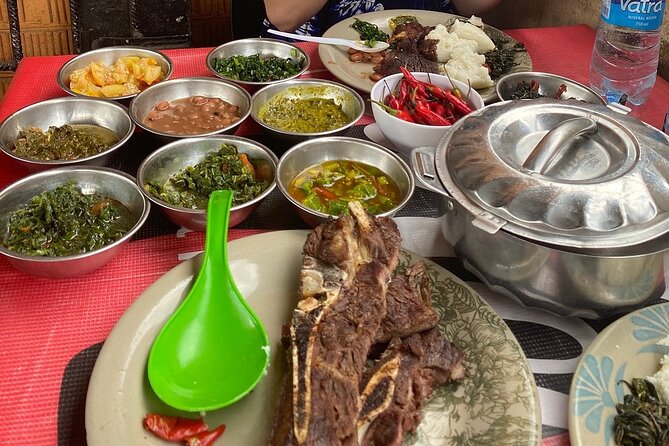
This is the kind of class that respects your time. You’ll have a roughly 3-hour window, and it starts with a simple plan: you arrive, get moving in the kitchen, and by the end you’re eating the meal you cooked. That pacing matters. Cooking classes can drag if you spend too long waiting for ingredients or translating recipes that never quite fit the local kitchen. Here, you learn as you go.
Pickup is offered, and the location is near public transportation. That combination is practical. If you’re staying centrally, pickup can save effort. If you prefer to travel light, you still have a public option nearby. Either way, it’s easier to reach the class without turning your day into a logistics puzzle.
You also get a level of comfort that’s hard to find in group tours: this is private, so it’s only your group. If you’re curious about the why behind a step (how to tell doneness, how thick you want nshima, what changes if ingredients are fresh vs dried), this setup gives you room to ask.
And if you don’t want to travel at all, there’s flexibility. You can request the class in the comfort of your self-catering accommodations, and Clare is happy to come to you. That’s a big deal if you’re traveling with kids, have limited mobility for moving across town, or you just don’t want to fit another stop into your day.
What you’ll cook: nshima, kalembla, and classic Zambian plates
The star here is nshima, the maize-meal porridge many Zambians eat as a staple. It’s not just a dish name on a menu. In this class, nshima is a core skill you learn with your own hands, which is exactly why this kind of experience is worth doing. Once you know how to get the texture right, you suddenly understand why it pairs so well with vegetables and savory sides.
The class also focuses on leafy greens and local flavors, with examples like kalembla (sweet potato leaves) and chibwabwa (pumpkin leaves). These aren’t “garnish” in Zambian home cooking. They’re part of the meal’s identity—bittersweet, earthy, and deeply satisfying when cooked properly.
On the protein and flavor side, the experience highlights popular home-cook combinations such as chicken with roasted groundnuts and cassava. Even if you’ve never cooked that style before, you’ll get a feel for the ingredient logic: nutty richness from groundnuts, comforting starch from cassava, and a savory backbone from chicken.
A useful way to think about this class: it builds you a complete plate, not isolated recipes. You’ll cook the staple and at least a couple of sides, then eat as a whole meal. That means you leave with something you can recreate, not just a memory of individual dishes.
One added bonus from real class dynamics: in one booking, Clare helped the participant try additional local dishes beyond the main cooking. That’s the sort of tasting generosity that makes a cooking class feel like a shared afternoon, not a strict lesson where you only taste what you cooked in the pot.
Traditional utensils and hands-on learning that sticks
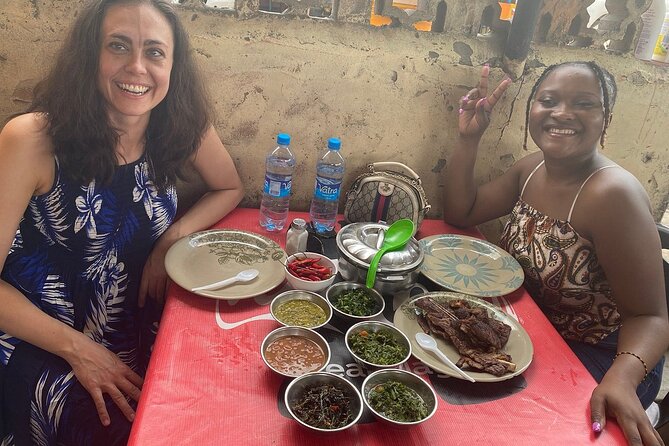
Cooking classes often promise tradition, then deliver a shortcut. This one leans into traditional utensils and techniques, which is where the “learn it and take it home” promise becomes believable.
When you use local tools and follow how ingredients are treated in a Zambian home kitchen, you learn more than recipes. You learn texture cues, timing habits, and flavor balancing. With something like nshima, for example, the goal isn’t just boiling maize meal. It’s achieving the right thickness and smoothness so it holds up with sides. That’s the kind of skill you won’t get from reading a recipe on your phone.
You’ll also get practice with typical ingredients used in Zambia. The class mentions common home-cooking items and the leafy greens that appear in many Zambian meals, plus ingredients like groundnuts and cassava in well-known combinations. The practical value is simple: when you cook later, you’ll know what “normal” looks like for these ingredients.
One more thing I like: questions are welcome, and participation is encouraged. That changes the whole vibe. Instead of you passively watching, you’re actively building the meal. And if you’re the type who learns best by doing, you’ll leave with confidence—not just curiosity.
Lunch you cooked: eat together, then relax
After cooking, you’ll sit down for lunch and eat what you made with your tutor. This matters more than it seems. Food tastes different when you’re the one who handled the steps, measured the feel, and built the flavors. You’ll get immediate feedback: you’ll see how the nshima texture holds with the sides, how leafy vegetables cook down, and how the meal works as a plate.
Your tutor guides the process, then steps back so you can enjoy the meal. That gives you the best of both worlds: structured cooking while you’re learning, then a proper eating moment where you’re not stuck in teacher mode.
If you’re worried about dietary restrictions, the only honest approach is to ask in advance. The class description confirms what’s included broadly (all food included, Zambian dishes, lunch), but it doesn’t spell out customization for allergies or specific diets. The good news is that this is private, so you’ll have more direct communication than in a group format.
Price and logistics: why $78 works (if you’re serious about the food)
At $78 per person for about 3 hours, this class is priced like a real lesson, not a quick demo. The value comes from three things:
- You’re paying for instruction and hands-on time with a named tutor, Clare Malata.
- All food is included, so the price covers your lunch and tasting.
- It’s private, meaning you’re not paying extra to share your attention with strangers.
Private lessons often cost more than group classes, but this one doesn’t treat privacy as a gimmick. It’s there so you can cook at your own pace, ask questions, and learn properly.
The booking pace is also a small clue: on average, it’s booked about 23 days in advance. That suggests it’s a go-to activity for people who want something practical and local without over-planning.
Weather does play a role. The experience requires good weather, and if it’s canceled due to poor conditions, you’ll be offered a different date or a full refund. That doesn’t mean you should panic. It just means you should treat it like an activity that likes clear skies.
Who this Zambian cooking class is best for
This fits well if you’re the kind of traveler who wants to take home more than photos.
You’ll enjoy it most if:
- You like food-focused travel and want to learn staple dishes, not just taste them.
- You want a private experience where your questions get answered in real time.
- You’re curious about Zambian ingredients like kalembla and chibwabwa and want to understand what those greens taste like after cooking.
It may be less ideal if:
- You want a super short activity. Three hours is a real chunk of time.
- You’re not comfortable participating in an interactive lesson. The class encourages involvement, even though you’ll be guided step by step.
It’s also a smart pick for couples, friends, and solo travelers who don’t want to join a group for a “light” food experience. The privacy makes it feel more like a hosted afternoon than a tour.
Should you book this Lusaka cooking class?
I’d book it if you want a genuine home-cooking skill you can repeat. You learn nshima and learn how Zambian dishes come together as a full plate, then you sit down and eat what you made. The private format with Clare Malata turns the lesson into something personal, and the fact that all food is included makes it feel like real value.
Book with a little flexibility in mind because it depends on good weather, and timing is about 3 hours. If you’re open to cooking actively and you like learning by doing, this is an easy yes for a Lusaka food day.
FAQ
Is pickup included for the Lusaka cooking class?
Yes. Pickup is offered, and the meeting area is near public transportation.
How long is the Zambian food cooking class?
The class lasts about 3 hours.
Is this a private lesson or will I share it with other people?
It’s private. Only your group will participate.
What dishes will I learn to make?
You’ll learn to prepare popular Zambian dishes and typical ingredients, including nshima with kalembla, and chicken with roasted groundnuts and cassava. The class also covers vegetables such as chibwabwa (pumpkin leaves) and kalembla (sweet potato leaves).
Is food included in the price?
Yes. All food is included in the experience price, and you’ll eat the meal you prepare for lunch.
Can the class be done at my self-catering accommodation?
Yes. Clients may request the class in the comfort of their self-catering accommodations, and Clare is happy to come to you.
What happens if the class is canceled due to weather or if I need to cancel?
The experience requires good weather. If it’s canceled due to poor weather, you’ll be offered a different date or a full refund. You also get free cancellation: you can cancel up to 24 hours in advance for a full refund, and cancellations less than 24 hours before the start time aren’t refunded.