REVIEW · ANTIGUA GUATEMALA
Antigua: Cooking Class with Local Family
Book on GetYourGuide →Operated by Columbus Guatemala · Bookable on GetYourGuide
Grind corn by hand, the old way. In Antigua’s cooking class with Maritza and her local-family team, you’ll tackle the pedernal stone method and learn Mayan cooking techniques in a real home-kitchen setting. It’s not just watching from a chair; it’s work, tasting, and learning side by side.
I love how the experience connects you to ingredients before the meal ever hits the pot. You’ll shop with your guide for fresh items, then cook authentic dishes like Pepián or Jocón (and sometimes Kak’ik) right where the family lives and eats. I also really like that you leave with recipes and skills you can actually repeat later, not vague cooking tips.
One possible consideration: the grinding is hands-on. If you have limited grip or stamina, the pedernal stone step can take more time than you expect, so go in ready to work at an easy pace.
In This Review
- Key things you’ll notice right away
- Grinding on a pedernal stone: the first real taste of tradition
- Who should be ready for it?
- From market to family kitchen: ingredients you can name and remember
- The little details that help you cook later
- What you’ll cook: Pepián, Jocón, Kak’ik, and a vegetarian path
- Don’t forget to plan for dietary needs
- Tortillas, heritage tools, and the skills you’ll actually keep
- A quick reality check for home cooking
- How the pacing works with a small, private group
- What you’ll eat, and how it feels
- Price and value: what $75 buys (and why it’s not just cooking)
- Is it good value for you?
- Before you go: what to tell your host and what to bring
- Should you book this Antigua cooking class?
- FAQ
- How long is the cooking class in Antigua?
- How much does the cooking class cost?
- What languages will the guide speak?
- How many people are in the group?
- Is this a private activity?
- What dishes will I cook?
- Is alcohol included?
- Can they accommodate dietary restrictions or allergies?
- Does the class include transportation and ingredients?
- Can I get a refund if my plans change?
Key things you’ll notice right away
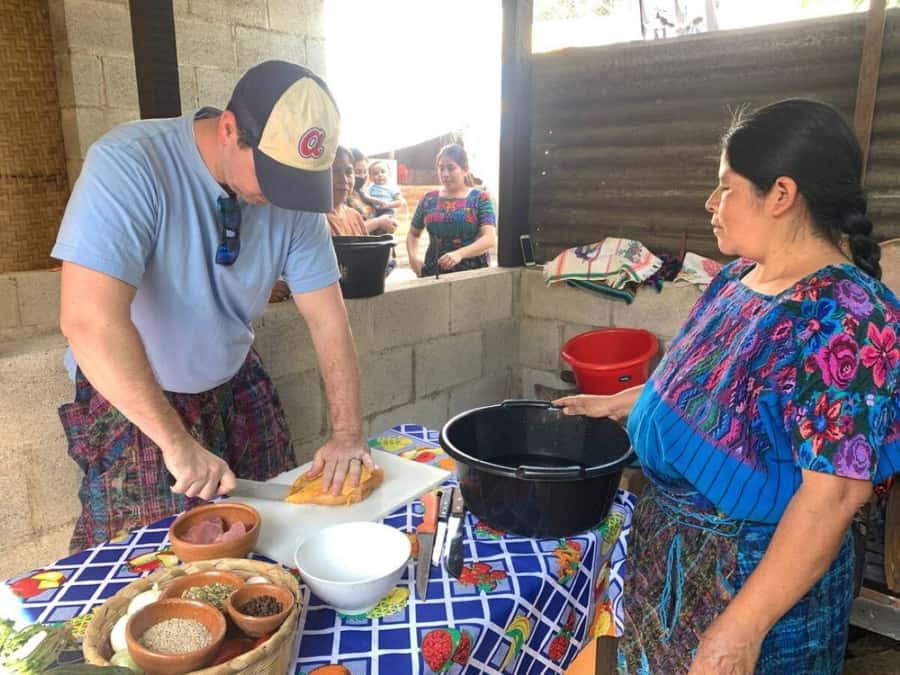
- Pedernal stone grinding: you’ll crush corn, seeds, and spices by hand, the way people have done for generations
- Fresh market ingredients: you start with real produce and pantry items before cooking
- Family-led instruction: Maritza guides you and her family brings the practical, day-to-day way of cooking
- Pick your menu vibe: Pepián, Jocón, Kak’ik, or a vegetarian option, with dishes adapting by region/season
- Tortillas in the mix: you may get hands-on with making tortillas as part of the meal
- Take-home recipes: you’ll get the knowledge to recreate flavors at home (and you’re encouraged to share what you make)
Grinding on a pedernal stone: the first real taste of tradition
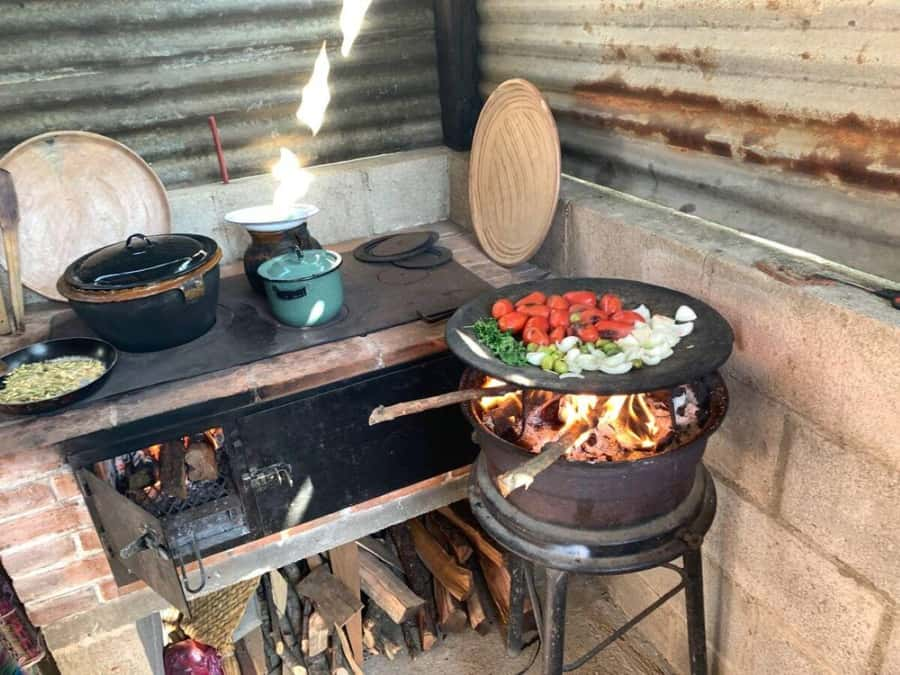
The heart of this class is simple: you grind. Not with a fancy machine. You use a pedernal stone (a type of grinding stone) the way Maya communities have done for thousands of years—crushing corn, seeds, and spices into something that becomes the base for your food.
This matters because it changes how you think about cooking. When you grind by hand, you notice textures: how corn feels after it’s been worked, how spices smell once they’re crushed, and how the mix thickens as you keep going. It’s slow in a good way. You’re not just producing ingredients—you’re learning what each step contributes to flavor and body.
In the class atmosphere, that grinding step also sets the tone. People talk while they work. You pick up small practical cues from your guide—how hard to press, when to adjust your rhythm, and what you’re aiming for. If you’ve ever wondered why some sauces taste smooth while others feel gritty, this is the moment that starts to explain it.
Who should be ready for it?
If you’re physically comfortable doing manual work for a couple of hours, you’ll likely love this part. If you’re not, don’t panic—just plan to go at your pace and consider asking for guidance right away. The class is small (up to 10), so you’re not lost in a crowd.
From market to family kitchen: ingredients you can name and remember
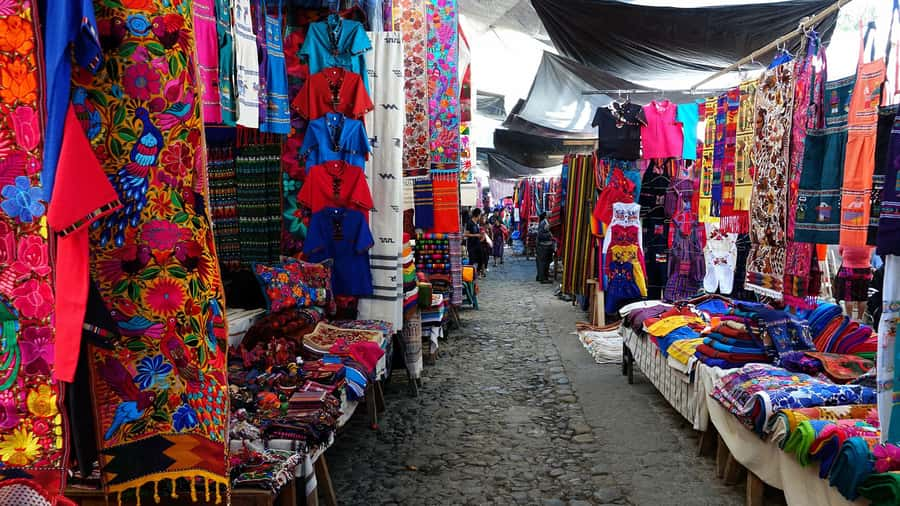
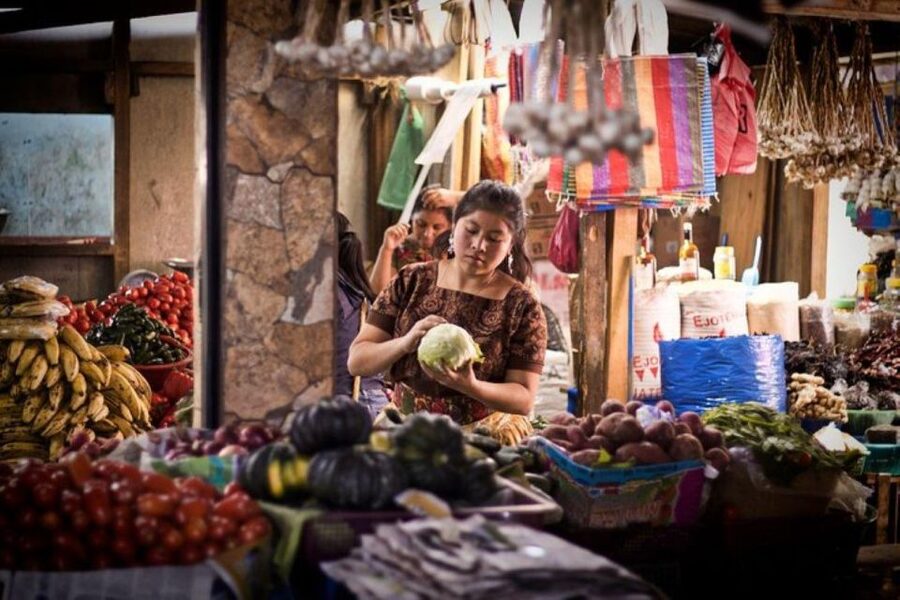
A big part of the value here is that the lesson doesn’t start when the stove turns on. You typically meet Maritza and then head to a local market to pick up fresh ingredients. The market part is practical: it helps you see what goes into Guatemalan cooking, and it makes the final meal feel earned.
Then you travel to the family home by private transportation (and in the day-to-day experience, that can mean local vehicles like a chicken bus or a tuk-tuk, depending on how the group is moving). Either way, it’s part of the experience: you’re moving from tourist Antigua into the living routine of cooking and eating.
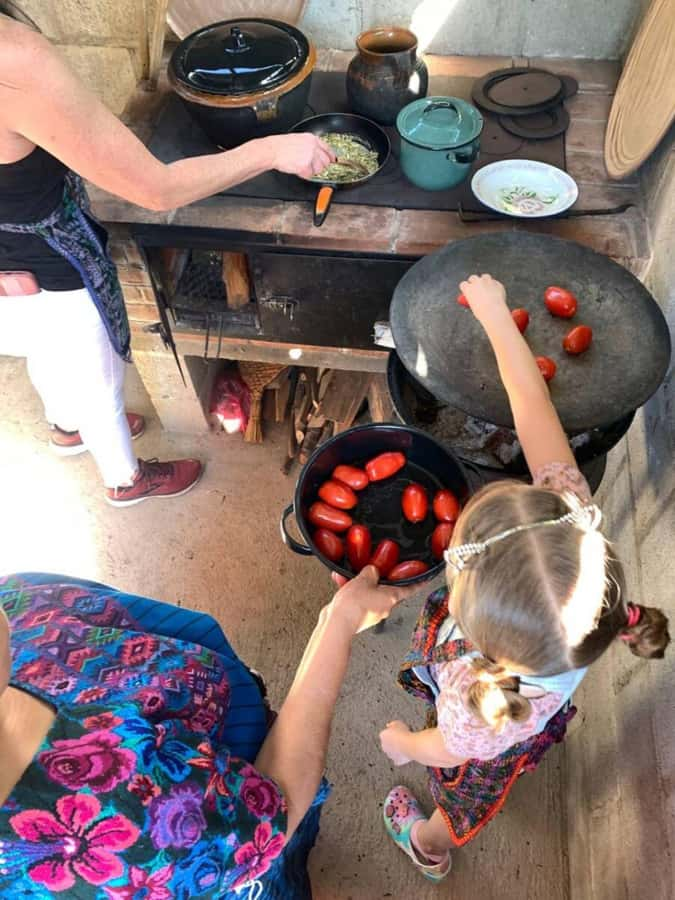
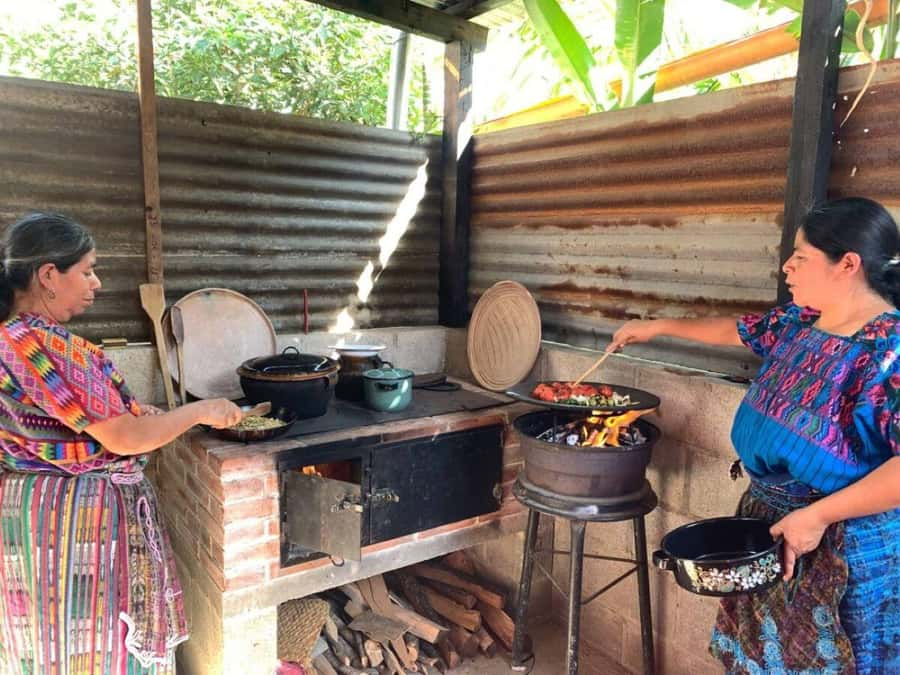
Once you arrive, you work in a real home environment. That means you’ll notice the difference between cooking as a show and cooking as a daily habit. Families use what they have, they adjust as they go, and they taste while they build. Your guide helps translate the steps so you can follow along, not just mimic hand motions.
The little details that help you cook later
When you shop and cook together, it becomes easier to recreate the flavor at home. You’re not guessing what goes into a sauce—you remember the ingredients, the grinding step, and the way the dish was put together. The class also builds in clear next steps: you learn techniques, not just recipes.
What you’ll cook: Pepián, Jocón, Kak’ik, and a vegetarian path
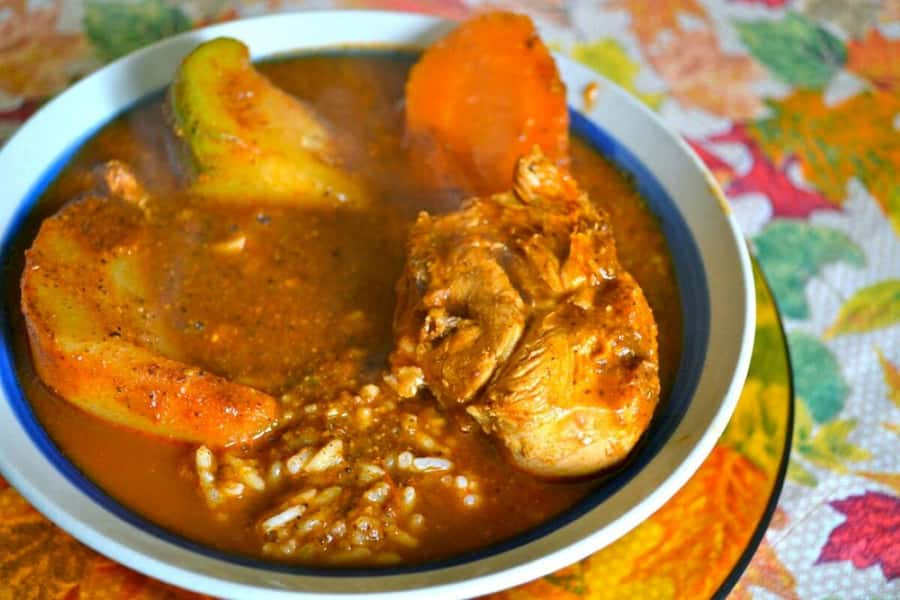
You can expect Guatemalan dishes such as Pepián, Jocón, or Kak’ik, plus a vegetarian option. The exact menu can vary by region and by seasonal adaptations, so don’t expect every single dish every day. The good news is you still get the core learning: techniques, ingredient roles, and how flavors come together.
Here’s how these dishes fit the class experience:
- Pepián: Often the kind of dish that teaches you how grounded spice mixes become comfort food. The grinding step matters because it helps build the sauce body.
- Jocón: A dish that highlights how herbs and aromatics shape the final taste. You’ll learn how to balance the elements as the sauce develops.
- Kak’ik: A traditional style of cooked dish, typically associated with deeper, spiced flavor.
- Vegetarian option: If you prefer meat-free, you’ll still work through traditional steps. You may not be making the exact same version as everyone else, but you’ll be using the same approach and tools.
During the process, you’ll also encounter extras that make the meal feel complete, not just instructional. In past experiences, people have tried options like Jamaica (hibiscus-style drink) and homemade chips with beans and queso. Those little add-ons matter because they show you how meals are built in Guatemala—flavor is layered, not dumped into one bowl.
Don’t forget to plan for dietary needs
You’re asked to inform your host about dietary restrictions and food allergies in advance. That’s not just for politeness; it’s how they adapt the menu so you can safely enjoy what you make.
Tortillas, heritage tools, and the skills you’ll actually keep
One of the most memorable parts of this class is the hands-on work beyond the main dish. In some sessions, you’ll have the chance to make tortillas too. If you’ve only ever bought tortillas wrapped and ready to go, making them yourself adds context fast. You learn dough feel, timing, and how heat changes everything.
You’ll also use heritage utensils and traditional methods. That’s a key reason this class feels grounded rather than gimmicky. Instead of treating tools as props, the class treats them like the way people really cook—tools that shape texture and timing.
And then there’s the big payoff: you take recipes and the technique home. The value isn’t just that you’ll have paper instructions. It’s that you’ll know why something happened. You’ll remember what the ground mixture smelled like, what the sauce looked like at key moments, and how the family cooked in a way that’s repeatable.
A quick reality check for home cooking
You won’t recreate Guatemala down to the exact same ingredients and equipment every time, especially if you don’t have the same grinding setup. But the class is designed so the method travels with you. You can adapt with what’s available while keeping the core technique you learned.
How the pacing works with a small, private group
This is a small group experience limited to 10 participants, and it’s described as private for your group only. That matters more than it sounds. When the group is small, you’re more likely to get personal help with steps like grinding and mixing, and you’ll spend more time talking and tasting rather than waiting your turn.
The class runs for 4 hours, which is a sweet spot. It’s long enough to grind, cook, and eat, but not so long that it feels like a day project. For many people, that means you’re energized by the end, not exhausted and cranky.
Your guide can speak Spanish and English, so you’re not left translating cooking terms alone. That linguistic comfort makes a difference when someone explains the difference between how a sauce should smell versus how it should look.
What you’ll eat, and how it feels
You’ll prepare and enjoy the dishes during the experience. You’re not just tasting a bite here and there. The meal is the finish line—and because you cooked it, it tastes more like a result of your work than a restaurant plate.
Price and value: what $75 buys (and why it’s not just cooking)
At $75 per person for about 4 hours, this class can feel like a splurge until you look at what’s included. You get all fees and taxes, all ingredients, snacks, bottled water, and private transportation, plus a local tour guide. That’s a lot of cost wrapped into one price.
Also, the experience is built around real learning. You’re not paying only for the food. You’re paying for guided instruction, market ingredient selection, hands-on grinding practice, heritage utensils, and recipes you can bring home.
Alcohol isn’t included, so if that’s your vibe for a tour meal, you’ll want to plan around it (or enjoy the meal as-is). On the plus side, the class structure centers food and technique, not drinking, which keeps the focus on cooking.
Is it good value for you?
It’s especially good value if you like food as a skill, not just a souvenir. If you enjoy learning processes you can repeat, you’ll likely feel the money went to the parts you can carry home.
Before you go: what to tell your host and what to bring
The most important pre-trip step is sharing dietary restrictions or allergies in advance. Since the menu may adapt by region and season, your host needs that info early to adjust properly. If you’re traveling with kids, there’s also mention of a special infant menu.
What you should bring is basic: comfortable clothes and shoes you don’t mind getting a little dirty. You’ll be using your hands a lot—so think about your grip comfort too.
Also, keep your expectations realistic. Some dishes are more complex than others, and some steps take more effort than you’d expect when you first hear about “grinding corn.” This class is hands-on, not luxury spa-level effortless.
Should you book this Antigua cooking class?
Book it if you want a cooking experience that feels practical and repeatable. You’ll learn the pedernal stone method, cook classic Guatemalan dishes like Pepián or Jocón, and (in many sessions) get hands-on with tortillas. The small group and private setup mean you’re not stuck watching while others work.
Skip it (or reconsider timing) if manual grinding sounds like a problem for your body, or if you prefer a more passive tour where you don’t touch ingredients. Also, if you’re expecting alcohol to be part of the meal, you’ll need to plan differently.
FAQ
How long is the cooking class in Antigua?
The class lasts 4 hours.
How much does the cooking class cost?
It costs $75 per person.
What languages will the guide speak?
The local tour guide speaks Spanish and English.
How many people are in the group?
The group is limited to 10 participants.
Is this a private activity?
Yes, it’s described as private, with only your group participating.
What dishes will I cook?
You can expect Guatemalan dishes such as Pepián, Jocón, Kak’ik, or a vegetarian option. The exact dishes can vary by region and for special seasonal menus.
Is alcohol included?
No, alcohol is not included.
Can they accommodate dietary restrictions or allergies?
Yes. You’re instructed to inform the provider in advance about dietary restrictions and food allergies so the menu can be adapted.
Does the class include transportation and ingredients?
Yes. It includes private transportation, all ingredients, snacks, and bottled water.
Can I get a refund if my plans change?
You can cancel up to 24 hours in advance for a full refund.