REVIEW · NAGOYA
Grandma’s Traditional Japanese Cooking Class in Nagoya
Book on Viator →Operated by おばあちゃんの名古屋めし · Bookable on Viator
Cooking with grandmas beats cookbook theory. This hands-on Nagoya lesson teaches ichiju-sansai home meals and the miso-and-dashi flavor logic behind them, led by Grandma Junko and Chikako. I also like that you get a real workflow, from soup stock to rice balls, not just a plate to admire. One thing to consider: you’ll want to choose Menu 1 (Chicken) or Menu 2 (Salmon) ahead of time, and plan your own trip to the meeting point at Sakurayama Station.
What makes it special is the intimacy. It’s capped at four people, so you’re not shouting over a crowd, and the guide team offers support in English and Japanese while you cook.
The class ends quietly, with a matcha ceremony feel: you’ll make your own matcha and enjoy it with seasonal Japanese sweets. If you have allergies or ingredients to avoid, you should flag them in advance so the menu can work for you.
In This Review
- Key Highlights You’ll Actually Use
- A Grandma-Led Cooking Class That Feels Like Home Cooking (Not a Show)
- Ichiju-sansai in Plain English: the Meal Structure You’ll Cook
- The Two Menus: Chicken vs Salmon (And How to Choose)
- Menu 1: Chicken Comfort Meal
- Menu 2: Salmon Comfort Meal
- My practical advice
- Your 2.5-Hour Flow: From Welcome Tea to Rice Balls
- Welcome tea and lunch-time rhythm
- Hands-on cooking, with room for questions
- Recipes included, so you can repeat it later
- What you’ll taste
- The Matcha Ceremony Finish: Calm, Practical, and Fun
- Price and Value: What You’re Really Paying For
- Where Logistics Can Trip You Up (Quickly)
- Who This Cooking Class Is Perfect For
- Should You Book This Grandma’s Cooking Class in Nagoya?
- FAQ
- What time does the class start?
- Where is the meeting point?
- Is transportation included?
- How big is the group?
- Which language is the guide available in?
- Do I need to choose a menu in advance?
- What dishes are included in the class?
- What happens after you cook and taste?
- What if I have allergies?
- Is cancellation free?
Key Highlights You’ll Actually Use
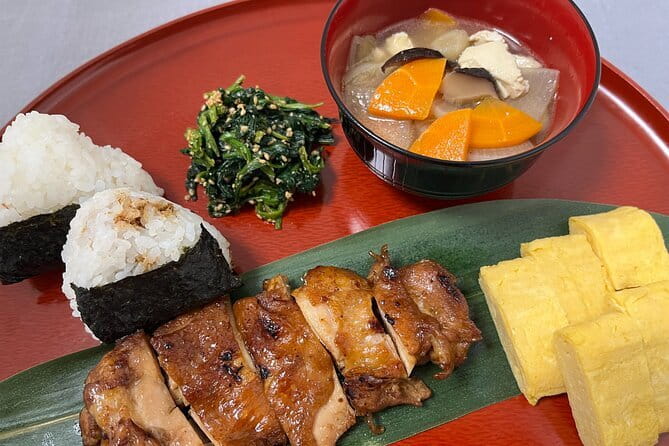
- Ichiju-sansai, step by step: rice + soup + three dishes, explained in plain terms and cooked with you
- Two family-style menus: choose between the Chicken menu (red miso chicken, tofu/veg soup, omelet, spinach salad, rice balls) or the Salmon menu (grilled salmon with rice malt, tofu salad, miso soup, omelet, rice balls)
- Dashi from basics: you learn soup stock using kelp and bonito flakes, so you can recreate the flavor later
- Matcha you make yourself: craft matcha and drink it with seasonal sweets to close the loop
- Small and personal: private, limited to four people, with recipe handouts and tea during lunch
A Grandma-Led Cooking Class That Feels Like Home Cooking (Not a Show)
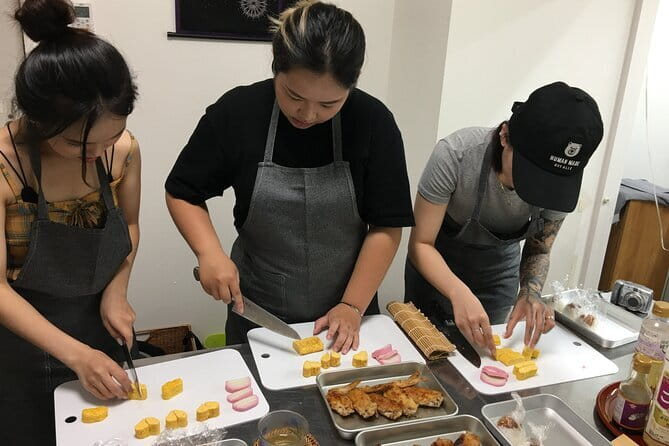
Nagoya has a reputation for food that’s practical, comforting, and built for everyday life. This class fits that vibe. You learn “home cooking” as a system: how the soup base supports everything else, how miso and soy sauce add depth, and how the side dishes balance the meal.
The best part is that it’s built around people, not just dishes. Grandma Junko and Chikako run the lesson with a friendly, welcoming approach and plenty of room for questions while you work. In the notes and answers guests mention, you can tell the pace is guided by what you’re doing, not by a strict script.
Also, you get a tangible souvenir: recipes. That matters more than people expect, because the point isn’t only to eat well that day—it’s to leave with something you can cook again.
Ichiju-sansai in Plain English: the Meal Structure You’ll Cook
If you’ve heard the term ichiju-sansai and wondered what it really means, you’ll understand quickly. Ichiju-sansai is a traditional Japanese meal format: one bowl of rice plus soup, paired with three dishes.
Here’s the logic in the easiest terms. The rice and soup give you the anchor flavors and warmth. Then the three dishes cover different textures and tastes—something salty, something savory-rich, and something fresh or light—so the meal feels complete without being complicated.
The class centers this structure in two ways:
- You cook the meal as a set, not as random recipes.
- You learn how fermentation flavors—miso, malt, and soy sauce—work together rather than fighting each other.
One key skill you’ll pick up is Japanese soup stock. You’ll make stock using kelp and bonito flakes, so you can understand what you’re tasting before you ever taste the final soup.
The Two Menus: Chicken vs Salmon (And How to Choose)
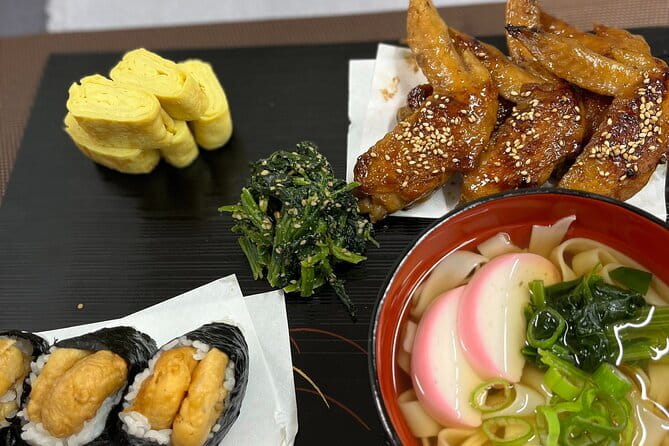
This isn’t a pick-at-the-last-minute situation. When you book, you tell the organizer which menu you want: Menu 1 (Chicken) or Menu 2 (Salmon). If you don’t specify, Menu 1 is used.
Also, your group chooses only one menu. So if you’re traveling with someone who wants the other option, you’ll either need separate bookings or accept the shared menu.
Menu 1: Chicken Comfort Meal
Menu 1 includes:
- Red miso flavored chicken
- Tofu and vegetable soup with soy sauce
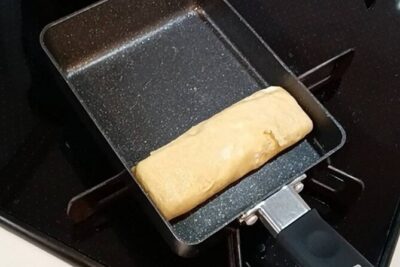
- Japanese omelet
- Spinach salad
- Rice balls
This menu leans on miso and savory depth. The red miso chicken gives you that bold, fermented warmth, while the soup and omelet round out the meal so it feels balanced, not heavy.
Menu 2: Salmon Comfort Meal
Menu 2 includes:
- Grilled salmon with salted rice malt
- Mashed tofu salad
- Japanese omelet
- Tofu and vegetable miso soup
- Rice balls
This one has a slightly different rhythm: grilled fish plus tofu textures. The salted rice malt on the salmon brings a sweetness-salty nuance, and the tofu salad keeps everything from feeling one-note.
My practical advice
Pick based on what you want to learn. If you want maximum miso-forward flavor, choose Menu 1. If you want to focus on salmon and tofu textures, choose Menu 2. Either way, the rice balls and omelet tie the meal together, so you’ll still learn the core “ichiju-sansai” flow.
Your 2.5-Hour Flow: From Welcome Tea to Rice Balls

The session runs about 2 hours 30 minutes and starts at 10:30 am. It ends back at the meeting point, so you can plan your next stop without needing to guess how transportation works.
You’ll meet at Sakurayama Station, 1-chōme-114地先, Sakuramichō, Mizuho Ward, Nagoya (Aichi 466-0044, Japan). Since it’s near public transportation, you’ll probably be able to reach it without needing a private car—just don’t assume the class supplies rides.
Welcome tea and lunch-time rhythm
You start with welcome tea. During lunch, tea is provided too. This sounds small, but it helps you transition into a “slow cooking” mindset. You’re not only cranking through tasks—you’re settling in with warm drinks while the day gets underway.
Hands-on cooking, with room for questions
While the exact order of steps can vary with each menu, the structure is consistent:
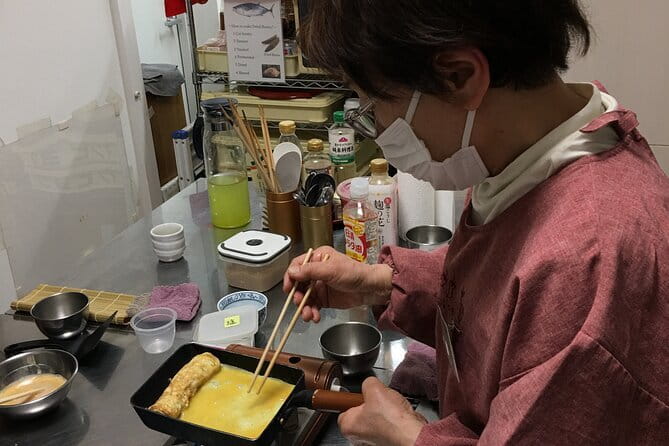
- You learn the soup stock foundation using kelp and bonito flakes.
- You prepare components that pair with that soup.
- You assemble the meal so it lands as ichiju-sansai: rice + soup + three dishes.
In the feedback, people highlight that the grandmas explain the process clearly and answer questions. I like that because cooking classes often turn into chaos if you don’t understand what a step is doing. Here, the emphasis is on understanding the “why,” not only copying the “how.”
Recipes included, so you can repeat it later
Recipes are part of what you take home. That’s a big deal with Japanese home cooking, where small ratios and techniques drive the flavor. If you want to recreate this in your own kitchen, having written instructions makes it much more realistic.
What you’ll taste
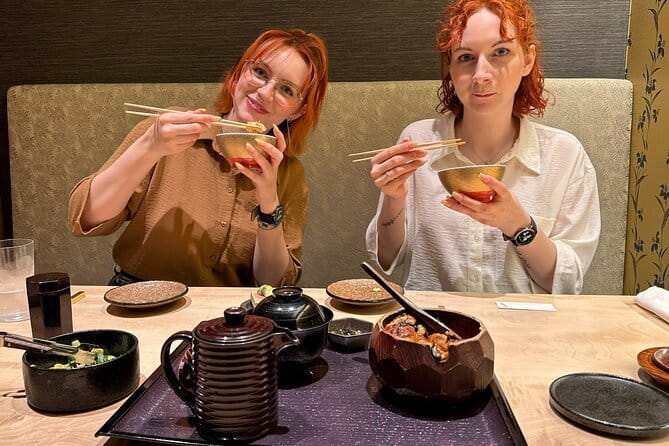
You’ll cook and then taste what you make. That tasting isn’t an afterthought—it’s the moment you connect the lesson to the flavors. Once you taste, you can notice how miso, soy sauce, and the dashi base shape everything.
The Matcha Ceremony Finish: Calm, Practical, and Fun
After tasting, the class shifts gears into matcha making. Instead of just watching a tea ritual, you craft your own matcha. Then you enjoy it with seasonal Japanese sweets.
This part works well because it’s a sensory contrast to the savory cooking. You just worked with kelp-bonito stock, tofu, and miso. Now you get bitterness, sweetness, and texture changes from the sweets—so the day feels complete rather than one-note.
And yes, it’s also social in a good way. The grandmas talk while you cook, and the tone tends to stay warm and conversational. People even mention lively conversation and note-taking, which tells me this isn’t a stiff, performance-style lesson.
Price and Value: What You’re Really Paying For
The price is $84.70 per person for a session lasting about 2 hours 30 minutes. That may sound steep at first glance—especially if you compare it to eating a meal out.
But here’s why it’s often worth it: you’re buying instruction, ingredients prepared as part of the experience, recipes, and a one-on-small-group setting (private and limited to four people). You’re also paying for a specific cultural format—ichiju-sansai—and direct guidance from two grandmas, Grandma Junko and Chikako, in English and Japanese.
You’re not just eating Nagoya food. You’re learning the method behind it so you can make similar dishes at home. In other words, the value isn’t the plate you finish—it’s the skills you carry forward.
If you’re the kind of traveler who wants one or two “hands-on” experiences on a trip (instead of stacking tours), this is the sort of class that can pay you back later when you cook again.
Where Logistics Can Trip You Up (Quickly)
This is the practical stuff that affects how smooth your day feels.
- Menu choice matters: you select Menu 1 or Menu 2 when reserving, and there’s no switching once you’re locked into a menu for your group.
- No private transportation included: you’ll handle getting yourself to Sakurayama Station. Since it’s near public transport, that’s usually manageable.
- Mobile ticket: you’ll want your phone ready for check-in.
On timing, the start is 10:30 am. That’s a comfortable late-morning slot for cooking and then finishing with matcha, but it does mean you should avoid booking a rigid, early afternoon plan right after, unless you’re close by.
And if you have allergies or ingredients to avoid, tell them in advance. The class specifically asks for this.
Who This Cooking Class Is Perfect For
This works especially well if:
- You want a small, private cooking experience rather than a group rush.
- You like learning how flavors are built, not only how dishes look.
- You’re interested in Nagoya comfort food and fermentation-driven tastes like miso and related seasonings.
- You enjoy tea culture, especially when you get to make the matcha yourself.
It may not be ideal if:
- You only want a quick, casual tasting with no cooking effort. This is hands-on.
- You can’t commit to one menu option for your group in advance.
Should You Book This Grandma’s Cooking Class in Nagoya?
Yes, if you want one experience that connects the dots between ingredients, cooking technique, and a full meal structure you can recreate. The class is built around ichiju-sansai, teaches dashi from kelp and bonito, and ends with matcha you make—so you leave with more than photos.
Book it sooner if your dates are flexible but you want the session time you prefer. The class is typically booked about 36 days in advance on average, and with a small group limit of four, that matters.
If you’re deciding between this and another food activity, choose this one when you care about process. If you care mostly about eating and minimal prep, you might prefer something lighter. But for skill-building Japanese home cooking, this is a strong pick.
FAQ
What time does the class start?
It starts at 10:30 am and runs for about 2 hours 30 minutes.
Where is the meeting point?
You’ll meet at Sakurayama Station, 1-chōme-114地先, Sakuramichō, Mizuho Ward, Nagoya, Aichi 466-0044, Japan.
Is transportation included?
No. Private transportation is not included. The meeting point is near public transportation.
How big is the group?
This is a private activity limited to four people, with only your group participating.
Which language is the guide available in?
The guide offers English and Japanese.
Do I need to choose a menu in advance?
Yes. When you book, you select Menu 1 (Chicken) or Menu 2 (Salmon). If you don’t request, Menu 1 is used. A group can select only one menu.
What dishes are included in the class?
You’ll learn and cook dishes based on your chosen menu, including items like Japanese omelet, tofu dishes, miso-based soup, and rice balls, plus the meal’s soup stock made from kelp and bonito flakes.
What happens after you cook and taste?
After tasting, you’ll make your own matcha and enjoy it with seasonal Japanese sweets.
What if I have allergies?
You can and should let them know in advance about allergies or ingredients you wish to avoid.
Is cancellation free?
Yes. You can cancel up to 24 hours in advance for a full refund, and free cancellation is listed.
If you tell me your travel dates and whether you want chicken or salmon, I can help you decide which menu fits best with your food preferences and what you might want to pair it with on the rest of your Nagoya day.