REVIEW · PRAGUE
Discover Czech Cuisine: Cooking Class & Dinner in Historic Home
Book on Viator →Bookable on Viator
A cooking class with real food rules your evening. I love the hands-on Czech menu and the way you eat what you just made. The one watch-out: it starts at 7:00 pm, so plan your day around an early dinner time.
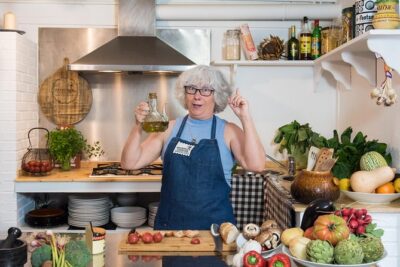
You also get the setting and the pace right. The group works in a 400-year-old building, and the class stays small (max 8), which means the host can correct your technique and answer questions as you go. One more consideration: if you’re picky about food or have strict allergies, you’ll need to communicate restrictions ahead of time, since the class includes several specific ingredients.
For me, the best part is the full arc: cooking, grazing on Czech bites, and then settling into a traditional dinner with local drinks. You’ll leave with practical confidence for dishes like rye bread and Czech dumplings, not just photos.
In This Review
- Key Highlights You’ll Care About
- A 400-Year-Old Prague Kitchen: The Setting and the Mood
- Meeting Point at Karlín: How to Arrive Without Stress
- The Cooking Menu: What You’ll Make Step by Step
- Rye Bread From Sourdough: The Skill That Changes How You Cook
- Potato Sauerkraut Pancakes: Crisp Edges, Tangy Center
- Fruit Dumplings With Quark or Kremrole: Dessert That Isn’t Afterthought
- Optional Comfort Food Flex: Goulash or Bread Dumplings
- Before Dinner Grazing: The Spread That Sets You Up
- The Communal Cooking Experience: Why Small Groups Matter
- Czech Drinks at the Table: Beer, Wine, and Fruit Brandy
- What You’ll Learn That Helps at Home
- Price and Value: Is $217.05 Fair for 3.5 Hours?
- Who This Prague Cooking Class Fits Best
- Should You Book It?
- FAQ
- Where does the experience start?
- What time does the class start?
- How long is the experience?
- How many people are in the group?
- What dishes can you expect to cook?
- What drinks are included with dinner?
- Do you need to mention food restrictions?
- Is it a mobile ticket experience?
Key Highlights You’ll Care About
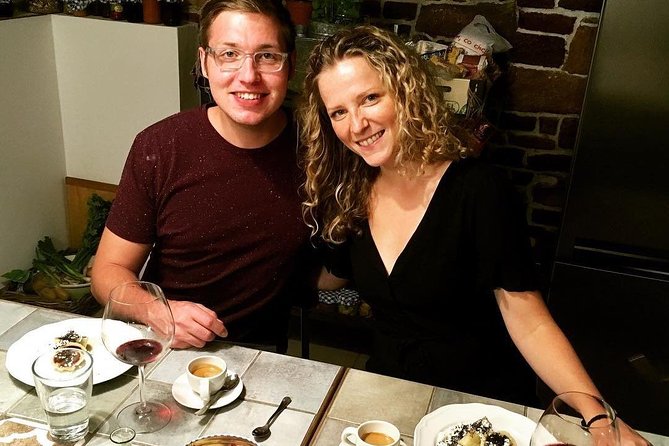
- Small-group attention with a max of 8 people, so questions don’t get lost.
- 400-year-old Prague home kitchen for cooking in a real historical setting.
- Rye bread and Czech dumpling skills plus other classics like potato sauerkraut pancakes.
- Grazing before dinner with appetizers, farm cheeses, and smoked meats.
- Local drinks with dinner including beer, wine, and fruit-based brandy.
- Insider tips from the host on ingredients and what to look for in Czech cuisine.
A 400-Year-Old Prague Kitchen: The Setting and the Mood
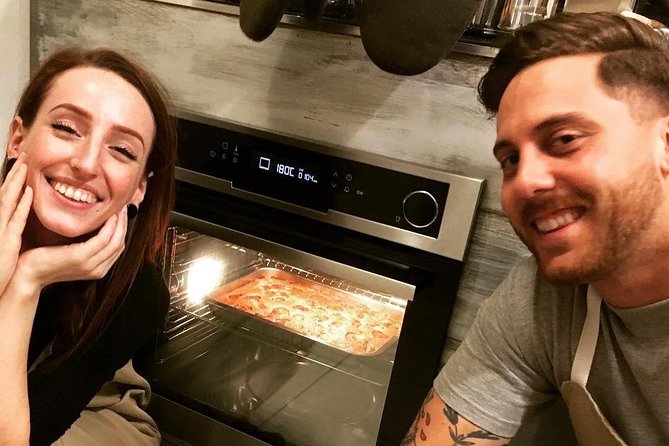
Prague is great for walking and wandering, but this is one of those experiences that changes the tempo. You’re not just watching Czech food happen. You’re working in a home-style kitchen in a 400-year-old building, where the rooms and flow push you toward conversation and teamwork.
That matters more than you might think. Czech cooking often relies on feel: dough texture, timing, and how dishes come together. In a small home kitchen, you get the chance to fix small mistakes right away instead of hoping they won’t matter. And when dinner lands, it feels earned because you’ve already done the prep and learned the technique.
The class is scheduled for 3 hours 30 minutes total, starting at 7:00 pm, and it ends back at the meeting point. That’s a helpful detail for planning your evening. You don’t need to guess how far you’ll have to travel afterward or where to pivot next.
You can also read our reviews of more tours and experiences in Prague.

Meeting Point at Karlín: How to Arrive Without Stress
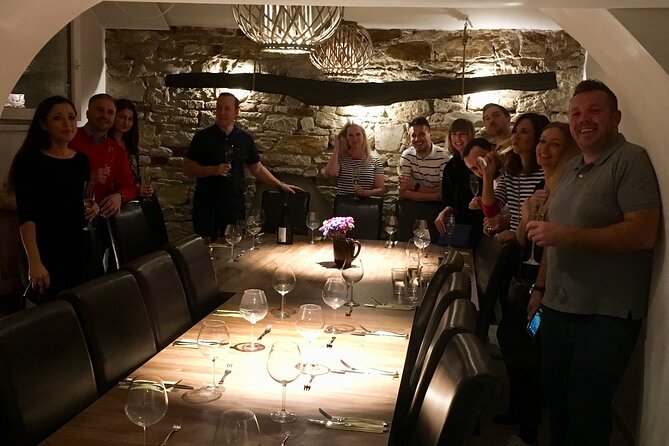
The meeting point is in Prague’s Karlín area: Křižíkova, 186 00 Praha 8-Karlín. Since the full address is provided on your confirmation voucher under the Before you go section, treat the voucher as your source of truth the closer you get.
A quick practical tip: since the start time is 7:00 pm, arrive a little early so you can settle in before cooking begins. Czech dinner experiences tend to run on timing, and you’ll want to be present for the first instructions.
Also note the group size cap of 8 travelers. That’s part of why this feels personal, so plan on being on time rather than catching the last minute rush.
The Cooking Menu: What You’ll Make Step by Step
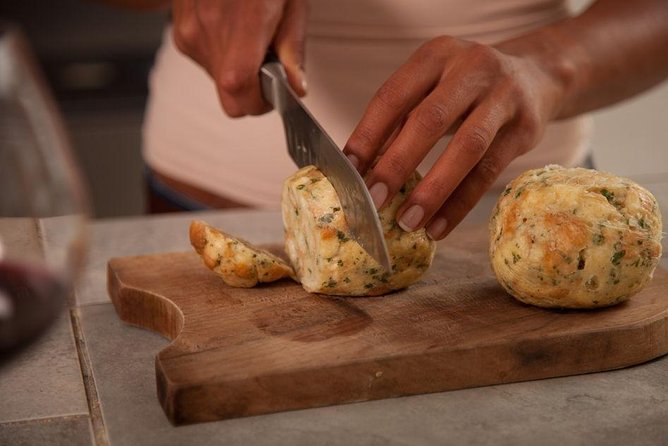
This is a Czech cuisine cooking class, and the menu covers both everyday comfort food and Czech-style desserts. You’ll prepare several dishes from scratch, with the host walking you through ingredients and methods as you go. Based on what’s listed for the experience, you can expect a mix of bread, savory mains, and dumplings.
Rye Bread From Sourdough: The Skill That Changes How You Cook
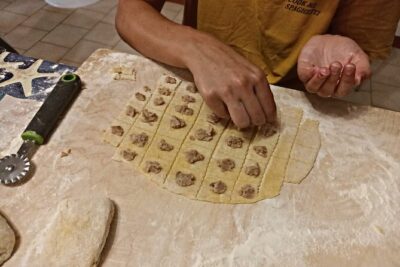
Rye bread is a signature move in Czech kitchens, and it’s not just about flavor. Rye dough behaves differently from wheat dough, and learning the sourdough base is one of the best ways to understand why Czech bread tastes the way it does.
In a class like this, you’re learning more than a recipe. You’re learning what to watch for: how the dough looks and feels as it develops, and how to approach baking with rye’s unique texture. If you’ve ever tried rye bread at home and wondered why it didn’t behave, this is the kind of instruction that helps you stop guessing.
Potato Sauerkraut Pancakes: Crisp Edges, Tangy Center
Potato and sauerkraut show up across Central European cooking, and these pancakes give you a clear lesson in balancing richness with tang. Sauerkraut brings acidity and tang, while potato brings softness and body.
What I like about this dish for a cooking class is that it teaches a practical method: how to handle the batter, how to cook for color, and how to avoid sogginess. When you plate something that actually has crisp edges and flavor depth, you’ll immediately get why it’s a classic.
Fruit Dumplings With Quark or Kremrole: Dessert That Isn’t Afterthought
Fruit dumplings are the kind of Czech comfort food people remember. In this class, you’ll work with fruit dumplings served with either quark or kremrole. That pairing is important because it shows how Czech desserts can feel both delicate and satisfying.
Quark gives you a light tang and creamy texture. Kremrole leans into a richer, more custard-like dessert vibe. Either way, you’re learning how the fruit stays bright, instead of turning into sweet mush. It’s also a good reminder that Czech cuisine isn’t only hearty mains and bread.
Optional Comfort Food Flex: Goulash or Bread Dumplings
Depending on the evening’s flow, the menu can include traditional dishes like goulash or bread dumplings. Both are worth your time. Goulash teaches the logic of Czech-style stews: seasoning, simmering, and building a sauce that coats. Bread dumplings teach you how Czech kitchens squeeze more satisfaction out of bread than you’d expect.
This kind of variety is a real value for you. You’re not stuck with just one type of dish. You’re sampling the full range: bread work, savory comfort, and sweet finish.
Before Dinner Grazing: The Spread That Sets You Up
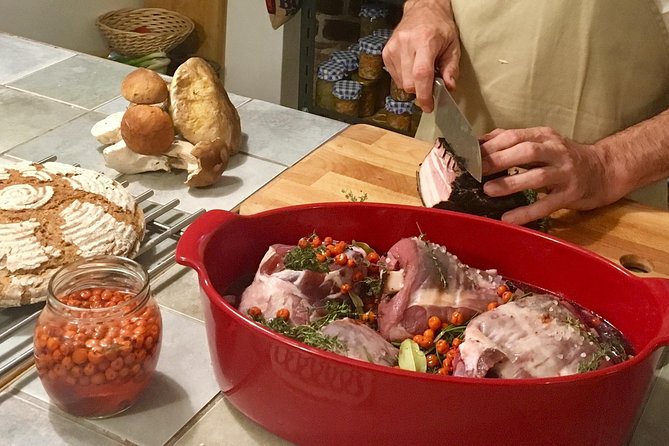
One of the smartest parts of this experience is the pacing. While you cook, you’re encouraged to graze on a Czech appetizer spread that includes things like farm cheeses and smoked meats, plus local fruit brandy.
That does two things:
- It keeps you from getting hungry right when you start hands-on cooking.
- It lets you taste the region’s flavors before your main dishes hit the table.
Cheese and smoked meats are also a helpful reference point. Once you taste them, you start noticing how other elements of the menu echo those flavors: acidity from fermented notes, warmth from spices, and the way Czech cuisine uses fruit-based products in both savory and drink contexts.
The Communal Cooking Experience: Why Small Groups Matter
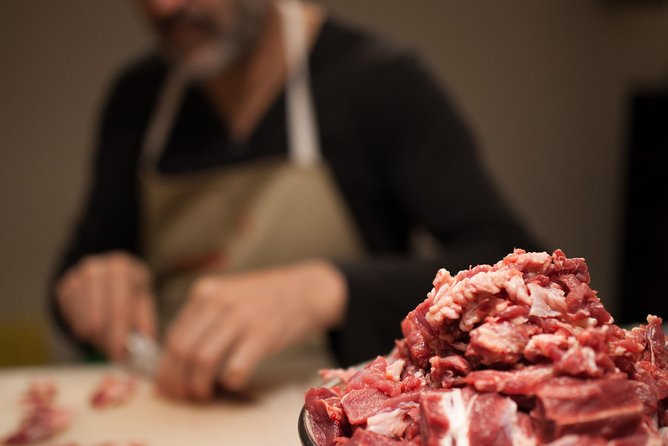
With a maximum of 8 travelers, you avoid the most common problem with group food tours: the feeling that you’re waiting your turn the whole time. Here, you’re more likely to touch ingredients, stand at the cooking stations, and get corrections on the spot.
This also affects the vibe. You’ll talk with the host and with your group while you cook, and the class is built for laughter and conversation, not quiet observation. In a home kitchen, that changes the entire feel of Prague at night.
If you enjoy interactive experiences and don’t want a script, this group size is a big win.
Czech Drinks at the Table: Beer, Wine, and Fruit Brandy
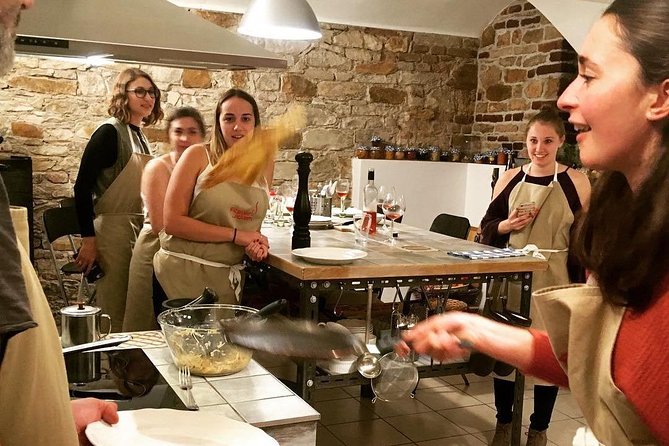
After you finish cooking, you sit down for a traditional dinner paired with local drinks. The drink list includes beer, wine, and fruit-based brandy.
This is a practical pairing setup rather than a random pour. Czech brandy made with fruit isn’t just a novelty; it’s a way to echo the country’s use of fruit in cooking and flavoring. Beer and wine then round out the meal so you’re not locked into one beverage profile all night.
If you’re the type who likes to understand what you’re drinking, the host explains key points about the dishes and the ingredients. That makes it easier to taste on purpose instead of just taste for fun.
What You’ll Learn That Helps at Home
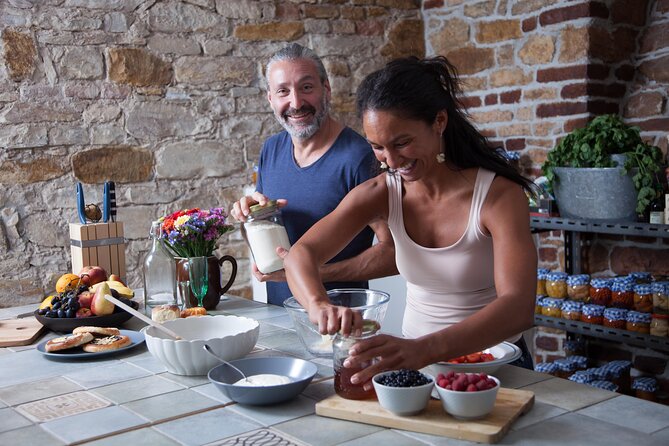
Here’s where this class earns its value. You’re not only leaving with recipes. You’re learning the reasoning behind them: what the main ingredients do, how the flavors fit together, and what you can recreate without needing special equipment.
You’ll also learn useful context about Czech cuisine along the way. The host explains each dish and ties it to the ingredients and the flavors of the region. That matters because once you understand the flavor logic, you can adapt at home.
For example:
- Rye bread becomes less intimidating when you learn what rye dough needs to look and feel like.
- Potato sauerkraut pancakes stop being a mystery when you know how to cook for texture.
- Fruit dumplings feel more doable when you understand how quark or kremrole affects the final balance.
And because the class is hands-on, you’ll likely remember techniques more clearly than you would from a recipe alone.
Price and Value: Is $217.05 Fair for 3.5 Hours?
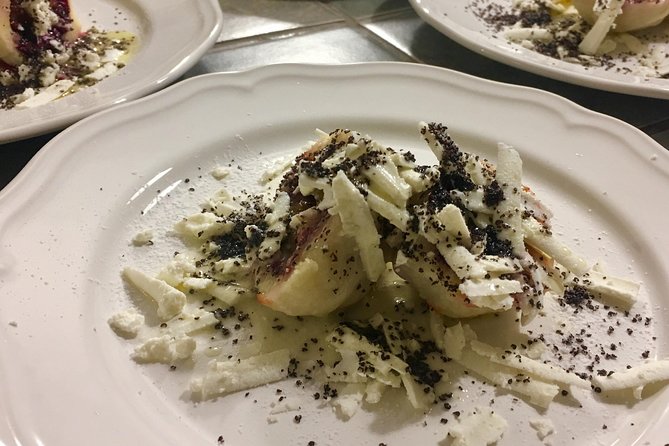
At $217.05 per person, this isn’t a budget activity. But it also isn’t a pricey “just for fun” gimmick. For the money, you’re getting:
- a 3 hours 30 minutes experience in a private home setting
- a small group capped at 8
- multiple made-from-scratch dishes (bread, savory, and dumplings)
- a grazing spread during cooking
- a traditional dinner
- local drinks with dinner (beer, wine, and fruit-based brandy)
In other words, the price is paying for instruction plus food and drink, not just time. If you’re already planning to eat a normal Prague dinner anyway, the math shifts. You’re replacing a standard restaurant meal with something interactive and educational, in a 400-year-old building, with more than one dish and drink pairing.
One more timing detail helps you plan: this experience is commonly booked about 97 days in advance on average. That doesn’t mean it sells out constantly, but it suggests demand for this format. If you’re traveling in peak weeks, earlier booking can save you from settling for a less hands-on option.
Who This Prague Cooking Class Fits Best
This experience is a great fit if you:
- want a hands-on Prague cooking class rather than a tasting tour
- like learning ingredients and technique, not just eating
- enjoy Czech comfort food and want to understand the balance behind it
- prefer small groups over crowds
- want an evening activity that ends where you started
It’s not ideal if you:
- need a very flexible schedule on the day of cooking
- have complex food restrictions you want handled with zero ingredient risk (you’ll need to communicate restrictions in advance, but the menu is still specific)
- dislike structured instruction and prefer freeform dining
If you’re visiting Prague for the first time and want one “anchor” experience that feels local, this is a strong choice.
Should You Book It?
I think you should book this if your idea of a memorable Prague evening includes real cooking, a real Czech dinner, and a small-group atmosphere in a historic home. The value makes sense because you’re paying for instruction plus multiple dishes and drinks, not just entertainment.
If you’re price-sensitive, you might compare it to a normal dinner plus a museum visit, because this is a specific food-focused night. But if you want a skill-based experience you can recreate later, it’s a solid spend.
One last practical note: since the start time is 7:00 pm and the full address comes in your voucher, double-check your exact location before heading out. That small step keeps the evening smooth.
FAQ
Where does the experience start?
The meeting point is Křižíkova, 186 00 Praha 8-Karlín, Czechia, and the tour ends back at the meeting point.
What time does the class start?
The start time is 7:00 pm.
How long is the experience?
It runs for approximately 3 hours 30 minutes.
How many people are in the group?
The class has a maximum group size of 8 travelers.
What dishes can you expect to cook?
You’ll cook traditional Czech dishes such as rye bread from sourdough, potato sauerkraut pancakes, and fruit dumplings with quark or kremrole. Other traditional dishes like goulash or bread dumplings are also part of the experience.
What drinks are included with dinner?
Local drinks included include fruit-based brandy, wine, and beer.
Do you need to mention food restrictions?
Yes. If you have any food restrictions or allergies, you should communicate them when booking.
Is it a mobile ticket experience?
Yes, it uses a mobile ticket.