REVIEW · HO CHI MINH CITY
Unique Farm to Table Cooking Class with Top Chef in Vietnam
Book on Viator →Operated by Chef Tan Cooking Class · Bookable on Viator
Fresh herbs beat supermarket spices every time. This Ho Chi Minh City day trip takes you to Cu Chi’s organic plots, then into the kitchen with Master Chef Tan for 100% hands-on Vietnamese cooking.
You’ll love the organic farm harvesting plus the practical sauce-and-technique teaching that helps you cook Vietnamese flavors again later.
I especially like the way this class teaches you the plant side first: vegetables, mushrooms, herbs, and spicy greens, along with how they fit into cooking and everyday “medicine” uses. I also like the food-logic approach, including the yin-yang technique idea that helps you balance ingredients instead of guessing.
The main thing to consider is time. You’ll spend a chunk of the day in transit, and the drive from the city can run 1 to 2 hours each way depending on traffic, so plan this as a full outing.
In This Review
- Key things that make this class worth your time
- Why this Cu Chi farm class feels different from a typical cooking tour
- Getting out of Ho Chi Minh City: pickup and the Cu Chi drive
- Organic farm time at Mr 1000 Kilos: what you learn before you cook
- Picking herbs and building your ingredient map
- The cooking class: 100% hands-on Vietnamese dishes using yin-yang balance
- Vegan and halal-style needs: how flexible is the menu?
- Learning herbs like a cook, not like a tourist
- Take-home value: certificate, recipes, and actually repeatable cooking
- Price and logistics: what $67 gets you, and why it’s fair
- Who should book this class in your Ho Chi Minh City itinerary
- Should you book this tour? My decision checklist
- FAQ
- Where is the farm-to-table cooking class located?
- What is the duration of the cooking class?
- How much does it cost?
- Is pickup offered from Ho Chi Minh City hotels?
- How large is the group?
- Do you cook hands-on or watch only?
- Do you get recipes or a certificate?
- What is the cancellation policy?
Key things that make this class worth your time
- Cu Chi organic farm visit first: you go before you cook, so the ingredients actually make sense.
- Pick what you’ll eat: harvesting herbs, vegetables, mushrooms, and spices is part of the lesson.
- Chef-led technique, not just recipes: sauce memory tips and repeatable method get emphasized.
- Diet-friendly by request: menus can shift for no-meat and vegan needs with advance planning.
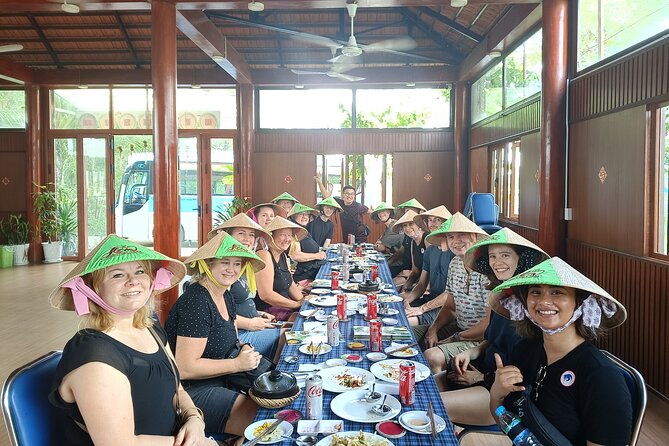
- Small group size: capped at 15 travelers, which keeps the class from feeling chaotic.
- Take-home support: you get a certificate plus recipes after the class.
Why this Cu Chi farm class feels different from a typical cooking tour
This is not just a cooking show with a meal at the end. The big idea is that you learn Vietnamese cooking by connecting three things: how ingredients grow, how herbs act in dishes, and how sauces guide flavor.
That connection matters because it changes how you shop and cook later. Instead of memorizing one menu, you pick up a method: what to combine, what to balance, and how to adjust when ingredients vary.
You can also read our reviews of more tours and experiences in Ho Chi Minh City.


Getting out of Ho Chi Minh City: pickup and the Cu Chi drive
Most departures start with pickup from your hotel area. It’s about an hour from the city at best, but in real conditions you should expect the drive to stretch to 1.5 to 2 hours depending on traffic.
This part is not “dead time” if you treat it like a transfer to a mini day trip. The farm is outside the city, so build your schedule around this experience and don’t stack too much right afterward.
Also, keep in mind that your time at the farm and in the kitchen is built into the full experience length (about 7.5 hours). If you’re the type who likes slow travel, you’ll likely appreciate having a plan for the whole day.
Organic farm time at Mr 1000 Kilos: what you learn before you cook
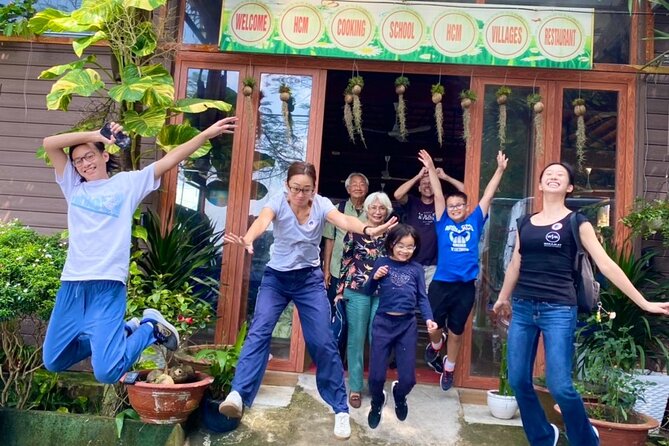
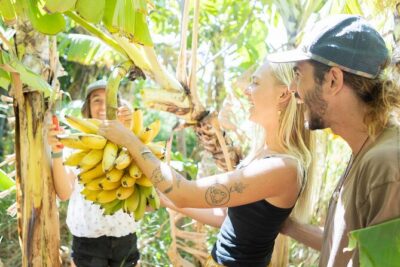
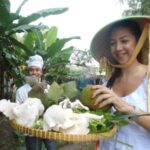
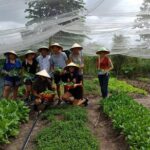
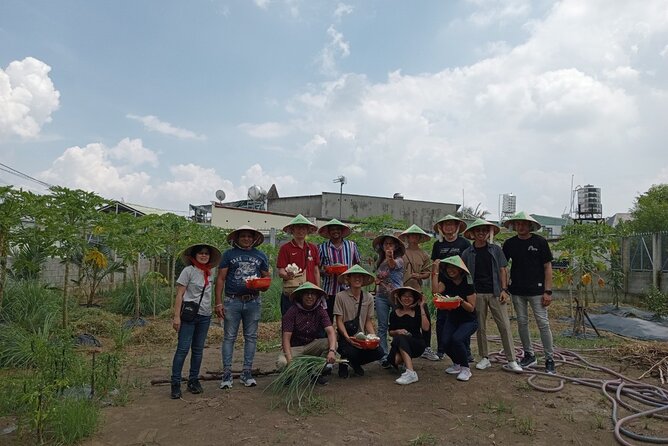
The class begins with a visit to an organic farm in Cu Chi town. The farm is described as the first organic farm in Vietnam, created by a man connected to multiple careers, including doctor, accounting, master chef, and farmer, known as Mr 1000 Kilos.
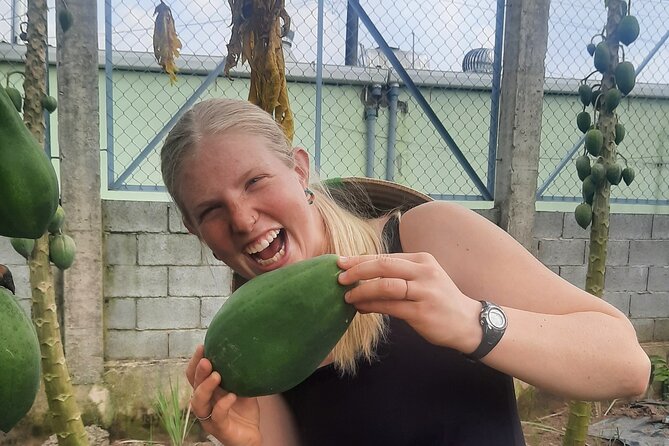
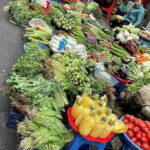
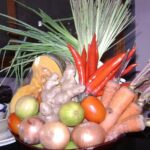
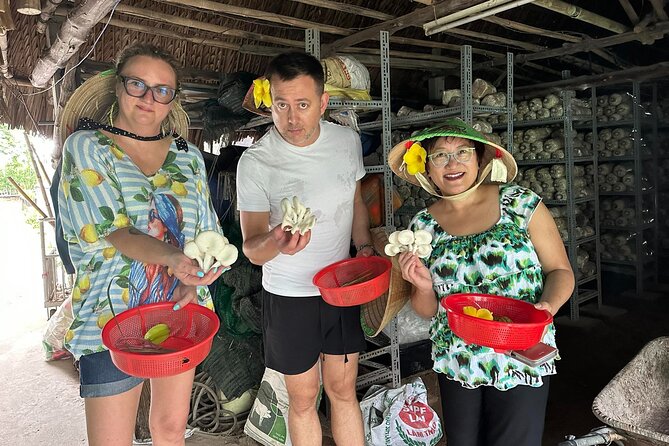
During the farm portion, you don’t just walk past plants. You learn what grows there and why it matters, with vegetables, mushrooms, herbs, and spicy greens all part of the ingredient story.
You’ll also hear about practical uses for herbs and plants, including how some are used for “medicine” as well as cooking. Even if you don’t treat this as a health program, it helps you understand why Vietnamese cooks use certain herbs the way they do.
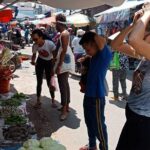
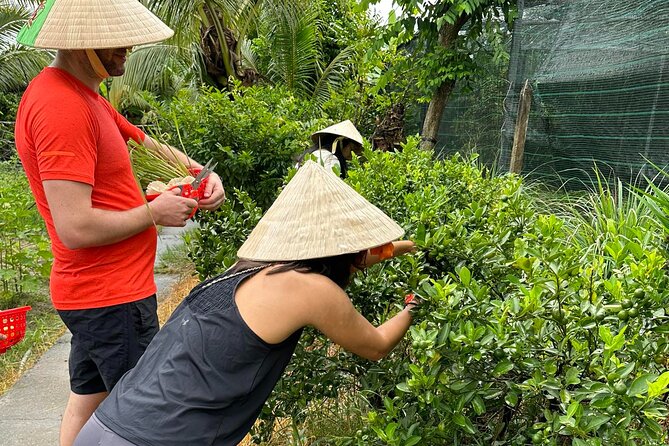
And yes, you also get hands-on work here. You’ll collect the produce you’ll use later, so you remember it better. You also get that rare feeling of seeing raw ingredients become organized flavors.
Picking herbs and building your ingredient map
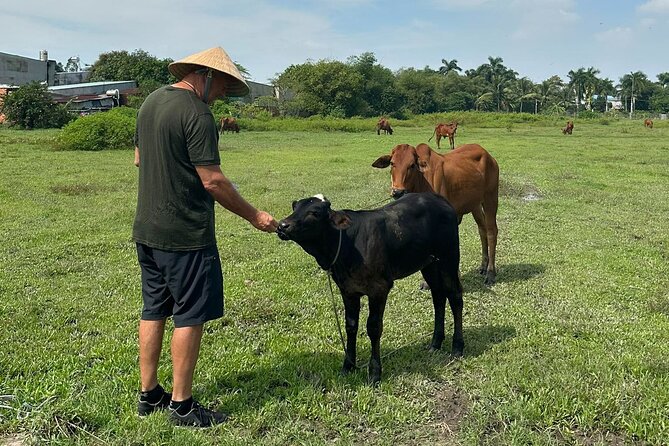
This harvesting step is one of the most praised parts of the experience. Guides such as Alice are repeatedly highlighted for making the lesson easy to follow, especially when explaining what each herb does and how it fits into cooking.
I like this ingredient map approach because it gives you reference points. When you later cook Vietnamese food at home, you can think: I’m not just grabbing “some herbs,” I’m choosing a function—freshness, aroma, heat, or balance.
If you want a specific outcome (like more herb-heavy dishes or a plant-forward menu), this is when it pays to communicate. The experience is designed to be hands-on to collect what goes into the class cooking, and the team says they can accommodate requests.
The cooking class: 100% hands-on Vietnamese dishes using yin-yang balance
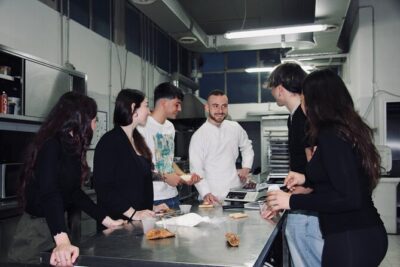
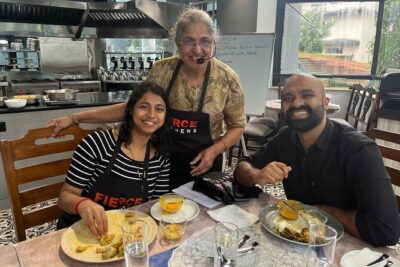
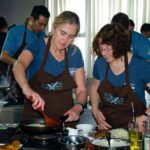
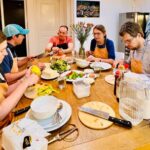
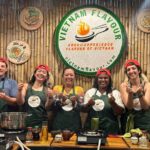
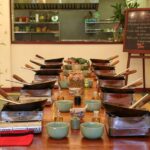
After the farm, you move into the cooking lesson with 100% hands-on participation. The teaching style focuses on technique, including the yin-yang approach. That’s a useful concept when you’re learning Vietnamese cooking because it pushes you to balance flavors and textures, not just follow a list.
One of the best bits from the cooking sessions is sauce instruction. A vegan-focused class description notes that the teacher uses simple analogies and memory shortcuts to help you remember sauces. That same idea is exactly what you want when you’re cooking at home: you need something you can recall, not just a photo.
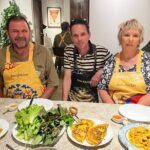
You’ll typically cook multiple dishes. In one example class setup, the group made four dishes, including an appetizer and a salad as part of the day’s menu flow. Even if your menu differs, the format is similar: you learn components, then build whole plates.
Vegan and halal-style needs: how flexible is the menu?
If you’re planning around diet, this is one of the more reassuring experiences in this price range. The info says the team is happy to accommodate requests, and the class examples include changes like a no-meat menu.
One session also came up because someone was searching specifically for a halal option. That matters because it suggests communication works when you plan ahead.
Here’s the practical move: message your needs in advance and be clear about what you mean by no-meat or vegan. The class is taught by chef and guide teams, and they’ll adjust the menu based on what’s feasible with the farm ingredients and the day’s plan.
Learning herbs like a cook, not like a tourist
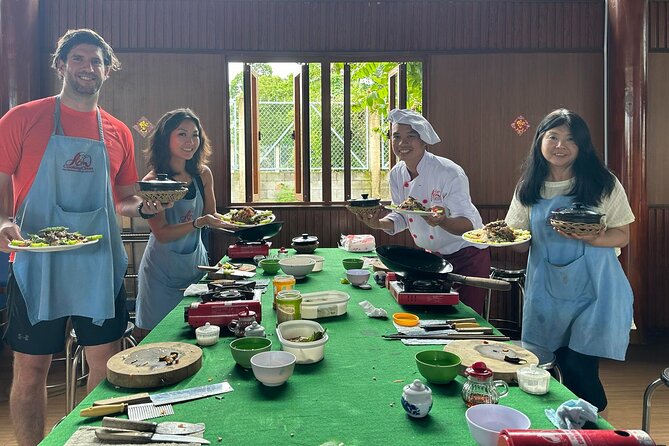
The strongest learning outcome here is how herbs are explained. Instead of listing names, the instruction ties each plant to what it does in a dish—smell, freshness, heat, and how it changes the feel of a bowl.
Guides like Chef Linh and Zan show up in class examples with the same theme: encouraging questions, explaining use cases, and helping you connect what you picked on the farm to what ends up on your plate.
This matters because Vietnamese food is very herb-driven. When you understand the herb role, you stop thinking of Vietnamese cooking as complicated. You start thinking of it as balanced.
Take-home value: certificate, recipes, and actually repeatable cooking
A cooking class only feels worth it if you can cook again later. Here, you get both recipes after the class and a certificate.
The recipes matter because they reduce the usual memory problem. The day is busy: you harvest, learn, chop, stir, and taste. Written guidance makes it easier to recreate your favorite dishes without guessing.
The certificate is also a nice touch for motivation. It turns the class from a one-day experience into something you can point to later when you cook for friends.
If you care about doing Vietnamese food well at home, focus on sauce and technique notes. That’s the repeatable part, and it’s also what the teaching style emphasizes through analogies and structured instruction.
Price and logistics: what $67 gets you, and why it’s fair
At $67, you’re paying for more than cooking. You’re paying for:
- a Cu Chi organic farm visit
- guided harvesting
- hands-on cooking instruction
- recipes and a certificate
- hotel pickup (offered)
The group size cap (maximum 15) also helps. It reduces the odds you’ll feel rushed or ignored when you’re learning new steps.
Value gets even better if you like farm-to-table food rather than restaurant dining. If you just want a meal, you can find cheaper ways to eat well in Ho Chi Minh City. If you want skills and context, this day trip is priced in a way that makes sense.
The only cost in terms of trade-offs is time. Between pickup, the farm transfer, and the full class length of about 7.5 hours, this is a commitment.
Who should book this class in your Ho Chi Minh City itinerary
This fits best if you want one of these outcomes:
- you like food education you can use again
- you want to cook Vietnamese dishes with confidence
- you care about ingredient quality and where it comes from
- you’re traveling in a small group and want personal attention
It also works well for people who don’t cook much but want clear steps. The class approach is designed for real learners, with encouragement and support during hands-on cooking.
If you’re short on time, you might feel it’s too long. This is a full-day outing with a real drive outside the city. If you prefer minimal transit and lots of city wandering, you may choose something closer to central districts instead.
Should you book this tour? My decision checklist
Book it if you’re excited by the idea of harvesting ingredients first, then cooking with technique. The combination of farm time, sauce learning, and hands-on cooking is what makes this stand out in a practical way.
Skip it if you dislike long car rides or you’re looking for a quick meal-only experience. You’ll spend much of the day in transit and structured activities.
Finally, if you have dietary needs, this class is worth considering. Just plan ahead and clearly communicate your requirements so the menu can be adjusted.
FAQ
Where is the farm-to-table cooking class located?
The experience is based in Ho Chi Minh City, with the organic farm visit in Cu Chi town.
What is the duration of the cooking class?
The duration is approximately 7 hours 30 minutes.
How much does it cost?
The price is $67.
Is pickup offered from Ho Chi Minh City hotels?
Pickup is offered, according to the experience details.
How large is the group?
The activity has a maximum group size of 15 travelers.
Do you cook hands-on or watch only?
You are expected to do hands-on cooking. The experience description says 100% hands-on to make your dishes.
Do you get recipes or a certificate?
Yes. You receive a certificate and recipes after the class.
What is the cancellation policy?
You can cancel for free up to 24 hours in advance for a full refund.