REVIEW · TOKYO
Mochi and Nerikiri Wagashi Combination Cooking Class
Book on Viator →Operated by ankotopia WAGASHI School · Bookable on Viator
Sweet treats, made in a calm Tokyo home.
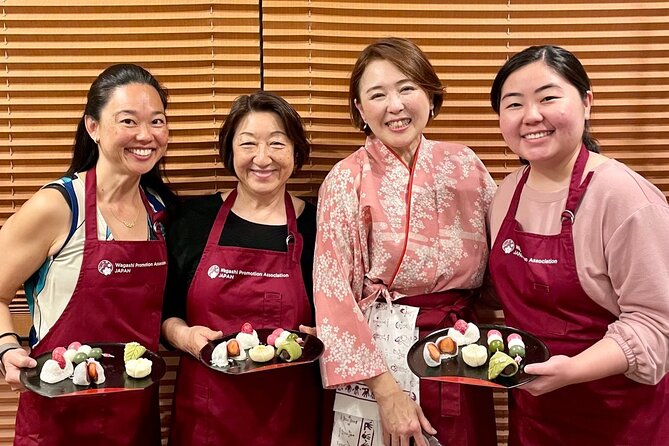
This private in-home class with Satoko-san (ankotopia WAGASHI School) gives you hands-on guidance as you make mochi and seasonal nerikiri wagashi, then enjoy the matcha you mix yourself. I like that it’s beginner-friendly and personal, not rushed. You get direct help shaping each sweet so you leave understanding the why, not just copying the steps.
One thing to think about: there are two short hair cats in the home, and they stay in the bedroom during the lesson. If you have a strong cat allergy, this one may not work for you.
You’ll meet at 20-15 Kitaminemachi in Ota City, and the class happens in a cozy local neighborhood setting about 15 minutes from the city. Afterward, you can taste everything on site or take it home in a special box—perfect if you want dessert later without the sticky-finger chaos.
In This Review
- Key things I’d zero in on
- A private wagashi kitchen in Ota City (and why that matters)
- Your class in plain terms: what you’ll make in 2.5 hours
- Mochi from glutinous rice flour: the hands-on basics that stick
- Daifuku and dango: turning one base into different bites
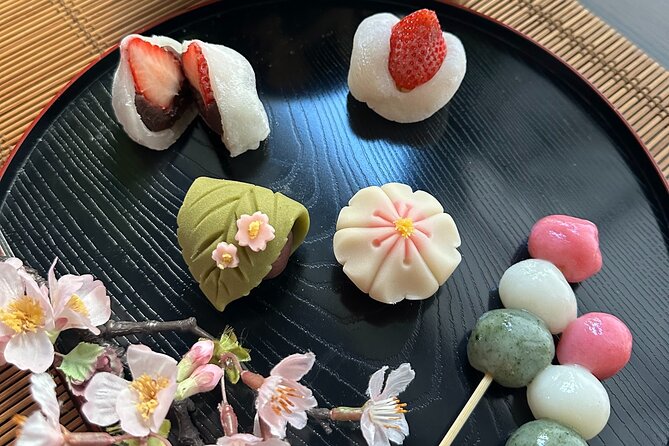
- Strawberry daifuku (with seasonal fruit swap)
- Dango: mochi balls on skewers
- Nerikiri wagashi: seasonal motifs, prep work done early, you do the shaping
- Matcha, tasting, and a box to take your sweets home
- Price and value: is $85.66 a good deal for Tokyo?
- Logistics and considerations: transport, privacy, and cats
- Getting there
- Group setup
- Cats
- Who should book this, and who might skip it
- Should you book this Mochi and Nerikiri Wagashi class?
- FAQ
- What is the duration of the Mochi and Nerikiri Wagashi combination cooking class?
- Where does the class take place?
- What sweets will I make during the class?
- Is the class beginner-friendly?
- Will I be able to take the sweets home?
- Do I make matcha during the lesson?
- Are the ingredients suitable for vegetarians?
- Is this class private?
- Is there free cancellation?
Key things I’d zero in on
- Private, in-home instruction with Satoko-san, so questions don’t get lost
- Three sweet-making outcomes: mochi dough, daifuku, and dango, plus two nerikiri wagashi
- Seasonal motif shaping for nerikiri wagashi, with a tutorial video to guide you
- Strawberry daifuku flexibility: if strawberries are out, you use pineapple or kiwi instead
- Matcha you make and then sip with your creations
- Takeaway packaging plus photo/help plating from the host, if you want it
A private wagashi kitchen in Ota City (and why that matters)
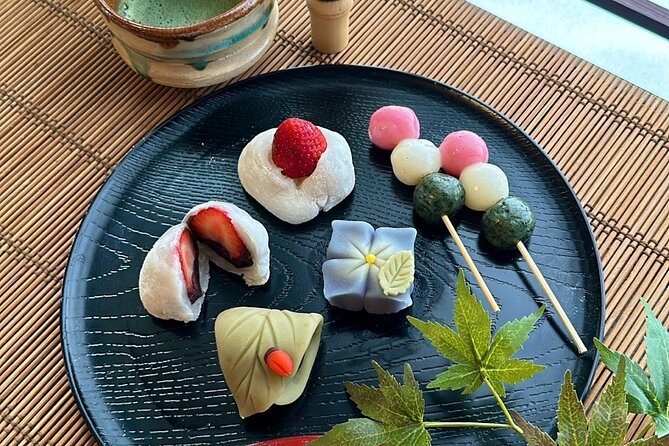
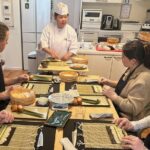
Tokyo cooking classes can fall into two styles: high-energy, shared kitchens—or calm, local spaces where you can actually watch what’s happening. This one is the second kind. You’re not learning in a big classroom. You’re learning in a real home in Ota City, meeting at 20-15 Kitaminemachi and finishing back there.
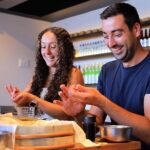
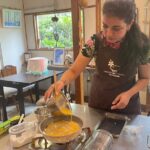
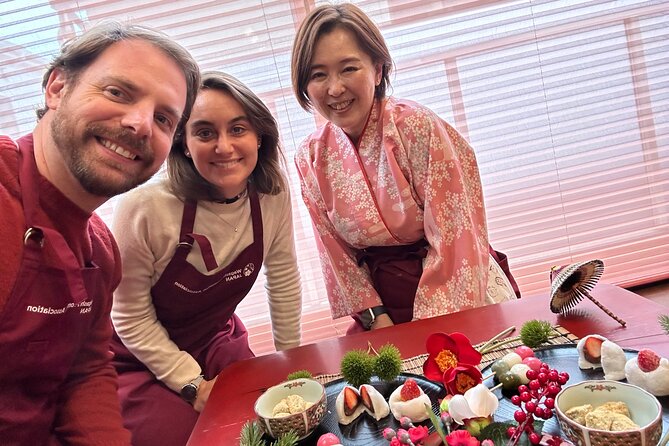
That “in-home” detail changes the vibe fast. The instruction feels more like a workshop with a patient teacher than a timed demo. Satoko-san also takes part in making things look good—one review mentioned she took great pictures during the process and helped with plating so it feels photogenic, not messy-for-messy’s-sake.
Practical note: private transportation isn’t included. Since the home is described as about 15 minutes from the city, plan on reaching the area using public transportation. Once you’re there, though, you get that quiet pocket of Tokyo where wagashi making makes sense: slow hands, careful shaping, and time to ask questions.
You can also read our reviews of more tours and experiences in Tokyo.


Your class in plain terms: what you’ll make in 2.5 hours
The lesson is about 2 hours 30 minutes and is explicitly designed to be beginner-friendly. You’ll start with how mochi is made, using glutinous rice flour. From there, you’ll turn that mochi into desserts and then shift gears to nerikiri wagashi, the traditional sweets where the fun is the shaping.
Here’s the simple workflow you can expect:
- Make mochi dough and understand its feel and texture
- Use mochi to make strawberry daifuku (or a substitute fruit when strawberries are out)
- Make dango, mochi balls that come together on skewers
- Create two nerikiri wagashi, shaped with seasonal motifs
The motifs change by season, which is part of what keeps the craft alive. The dough and colors are made in advance, but you still do the hands-on shaping. You also get access to a tutorial video, which is huge if you’re the type who forgets everything the moment you step away from the counter.
Also, the class doesn’t just focus on making. You’ll get the history of mochi and multiple ways to eat it—so you understand context, not just technique.
Mochi from glutinous rice flour: the hands-on basics that stick
Mochi is one of those foods that sounds simple until you actually handle it. The good news: the class starts with the fundamentals, not a “figure it out” attitude.
You’ll learn how to make mochi using glutinous rice flour—this is the core ingredient behind that chewy, elastic texture. While the class doesn’t list every technical step in the description, the teaching approach is clear: you’ll work hands-on, with guidance, so you can feel what the dough is doing.
For you, this is the best kind of souvenir. A photo is nice. But knowing how mochi dough behaves—when it’s ready, how it should stretch, and how to work with it—means you can recreate it later.
Expect the practical part of cooking too:
- You’ll wear a rented apron and use hand towel and special tools for wagashi making
- You’ll get drinking water provided
- You’ll have access to the tutorial video for the shaping side, so you don’t have to rely on memory
And yes, mochi can get sticky. That’s normal. The teacher’s job is to help you control it with technique, not shame you for having human fingers.
Daifuku and dango: turning one base into different bites
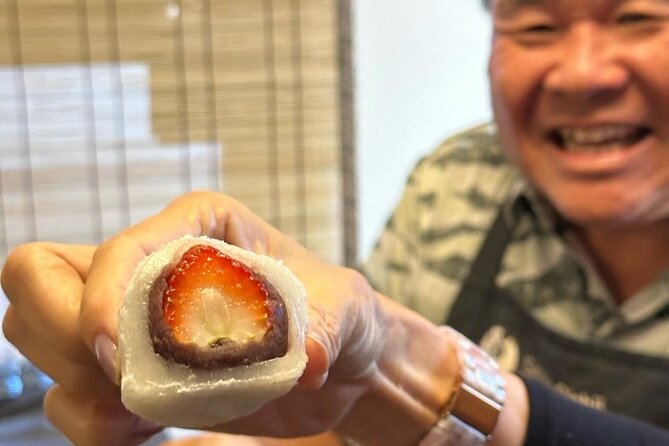
Once you’ve got the mochi dough down, you’ll transform it into two popular styles.
Strawberry daifuku (with seasonal fruit swap)
Daifuku is the mochi stuffed dessert format. In this class, you learn to make strawberry daifuku. But here’s the smart, real-world detail: when strawberries are out of season, you’ll use pineapple or kiwi instead. That means you’re not going to be stuck waiting for a specific fruit calendar, and you still practice the same technique.




Dango: mochi balls on skewers
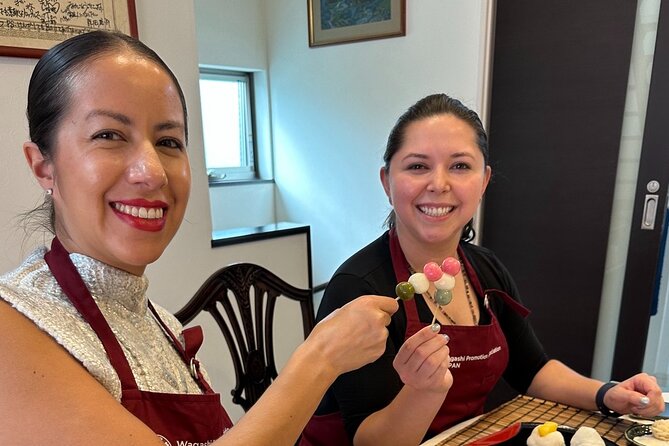
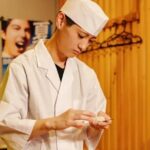
Next comes dango, shaped mochi balls that you assemble on skewers. Dango has a different feel and handling compared to daifuku. You’re practicing portioning, shaping consistency, and how the pieces should look and sit.
The value here is that you’re not only making one item and calling it a day. You’re learning how mochi behaves across formats. Afterward, you’ll be in a better position to improvise if you ever want to try other mochi-style desserts at home.
Nerikiri wagashi: seasonal motifs, prep work done early, you do the shaping
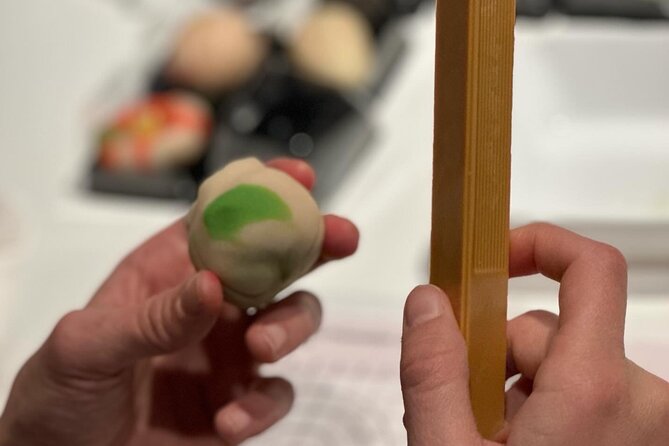
If mochi is about texture, nerikiri wagashi is about form. These are traditional Japanese sweets where the artistry is in the shape and color—often with a seasonal motif.
In this class:
- You’ll make two kinds of nerikiri wagashi
- Motifs change according to the season
- The dough is made and colored in advance
- You still get hands-on practice shaping the motif, supported by a tutorial video
That advance prep matters for beginners. You’re not starting from scratch with coloring and dough mixing. Instead, you focus on the key part most people struggle with: shaping. And because you have the tutorial video, you can slow down mentally and copy the steps later.
This is also the craft part where the host’s patience helps. One review highlighted Satoko-san as kind and patient, and that fits what you need here. Nerikiri rewards calm attention and small adjustments, not speed.
Matcha, tasting, and a box to take your sweets home
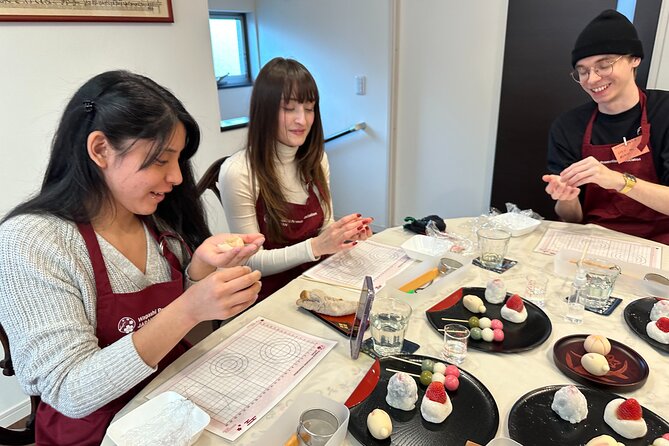
After you finish shaping, you don’t just pack up and run. You get to taste your creations with matcha green tea. The class includes matcha-making guidance, so you’re not only eating sweets—you’re making the drink that belongs with them.
Then you have two options:
- Eat on site (you’ll have the matcha with your sweets)
- Or take everything with you using a special takeaway box
For me, the takeaway option is practical value. Wagashi and mochi are best fresh, but life back at the hotel or rental isn’t always dessert-friendly. The box gives you a way to plan: eat later, share with friends, or bring a gift back without the stress of transport chaos.
There’s also mention of a Japanese gift as souvenir, which is a nice bonus if you like leaving with something more meaningful than a receipt and a sugar memory.
Price and value: is $85.66 a good deal for Tokyo?
At $85.66 per person, this isn’t a cheap “snack and watch” activity. But you’re paying for a few things that matter in real value terms:
- Private, in-home setting instead of a shared class
- Hands-on instruction through multiple items (mochi work, daifuku, dango, plus two nerikiri)
- Beginner support, including the tutorial video for the shaped sweets
- Ingredients and tools are handled for you (apron, hand towel, special tools, water, and a takeaway box)
- A guided matcha moment that ties the experience together
The biggest value factor is time. A class that teaches you how to make several sweets in one sitting—while you understand mochi and then practice shaping—gives you skills you can repeat at home. If you want one Tokyo food experience that turns into an actual home project, this fits that goal.
If you only want one small bite and you hate cooking with your hands, you might feel the price. But if you want the craft and the ability to reproduce it, the cost makes more sense.
Logistics and considerations: transport, privacy, and cats
A few practical points will help you plan without surprises.
Getting there
You start at 20-15 Kitaminemachi, Ota City, and you return to the meeting point. Private transportation isn’t included, so plan your own ride using public transportation. The home is described as about 15 minutes from the city, so allow time to reach Ota City.
Group setup
This is a private tour/activity—only your group participates. That’s important because wagashi making is detail work. You’ll likely get more attention than you would in a larger group setting.
Cats
The biggest “think twice” point is allergies. The home has two short hair cats that stay in the bedroom during the lesson. If you have strong sensitivity, don’t gamble with it.
Who should book this, and who might skip it
This class is a great match if:
- you want a hands-on mochi and wagashi experience in a quieter Tokyo neighborhood
- you like learning from a patient teacher and asking questions
- you’re okay with seasonal substitutions (pineapple or kiwi when strawberries are out)
- you want skills you can practice at home, with ingredients you can likely find in your country
You might consider skipping if:
- cat allergies are a concern for you
- you’re looking for a purely sightseeing-focused Tokyo activity (this is a cooking and shaping class, not a tour of landmarks)
- you want zero hands-on work—this involves shaping and dough handling
If your goal is to go home with both knowledge and an edible souvenir you made with your own hands, this one hits the mark.
Should you book this Mochi and Nerikiri Wagashi class?
Yes—if you want a real craft class in Tokyo, not a quick tasting. The private in-home format, the combination of mochi techniques plus two nerikiri wagashi, and the chance to make and drink matcha create a full experience for the price. The seasonal motif approach keeps it authentic, and the tutorial video means your skills don’t disappear the moment you land back home.
Just be honest about one thing: if cats are an issue, pass. If not, this is one of those Tokyo experiences that turns into repeatable at-home dessert craft.
FAQ
What is the duration of the Mochi and Nerikiri Wagashi combination cooking class?
It runs for about 2 hours 30 minutes.
Where does the class take place?
You meet at 20-15 Kitaminemachi, Ota City, Tokyo 145-0073, Japan, and the activity ends back at the meeting point.
What sweets will I make during the class?
You’ll learn to make mochi using glutinous rice flour, then make strawberry daifuku (or pineapple/kiwi when strawberries are out of season), dango on skewers, and two kinds of nerikiri wagashi.
Is the class beginner-friendly?
Yes. The hands-on instruction is described as beginner-friendly.
Will I be able to take the sweets home?
Yes. You can eat them with matcha during the class or take them in a special box.
Do I make matcha during the lesson?
Yes. After the lesson, you’ll taste your creations with matcha green tea that you make with guidance.
Are the ingredients suitable for vegetarians?
The class notes that the recipes use plant-based products and are appropriate for vegetarians.
Is this class private?
Yes. It’s a private tour/activity, and only your group participates.
Is there free cancellation?
Yes. You can cancel for a full refund up to 24 hours in advance of the experience’s start time.