REVIEW · HOI AN
Hoi An:Traditional Cooking Class with Cam Thanh Local Family
Book on GetYourGuide →Operated by Dich vu du lich lang que Cam Thanh · Bookable on GetYourGuide
Food in a real home beats restaurant lessons. You’ll cook Vietnamese favorites in the Cam Thanh coconut-village area, guided by an English-speaking chef, and you’ll leave with recipes you can repeat at home. I especially like the hands-on pace with assistant help (ingredients are prepped for you), and the fact that you eat what you make right after. The main catch is logistics: there’s no hotel pickup, and the meeting spot is a narrow alley near Hoa Vung Villa.
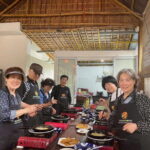
This is a small-group class (up to 10 people), so you’re not just watching. You’ll learn to make pancake, spring rolls, papaya salad, and chicken with lemongrass, then enjoy lunch or dinner depending on the session. If you have allergies, tell the team first so they can guide you safely.
In This Review
- Why This Cam Thanh Home Cooking Class Feels Like a Real Day
- Cam Thanh Check-In: Getting to the Right Alley
- The Flow of the Day: Pickup, Tea, Cooking, and Then You Eat
- The Four Dishes You’ll Learn (And What Techniques You’ll Take Home)
- Vietnamese Pancake
- Spring Rolls
- Papaya Salad
- Chicken with Lemongrass
- English-Speaking Chef Plus Assistant Support: The Secret Sauce
- Eating What You Cook: Lunch or Dinner With Real Reward
- Price and Value: Is $23 Worth 210 Minutes of Cooking?
- Practical Trade-Offs Before You Book
- Who This Cooking Class Is Best For
- Should You Book This Cam Thanh Family Cooking Class?
- FAQ
- How long is the cooking class?
- What time does the tour start?
- How many dishes will I learn to cook?
- Does the price include food and tea?
- Is the class taught in English?
- Is there hotel pickup and drop-off?
- Where is the meeting point and how do I find it by taxi or Grab?
- What should I do if I have food allergies?
Why This Cam Thanh Home Cooking Class Feels Like a Real Day
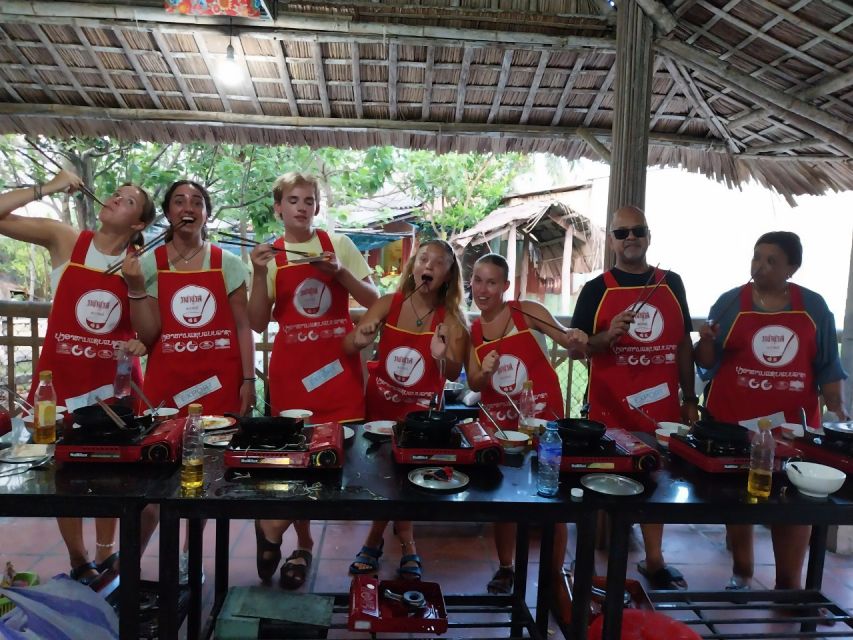
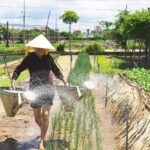
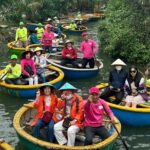
Hoi An food culture is friendly, and this class is built around that. Instead of a formal kitchen studio, you’re cooking in a local home setting in the Cam Thanh Coconut Village area. That change matters. You get a better feel for how ingredients are handled day-to-day, and you pick up methods you can actually recreate later, not just the final dish.
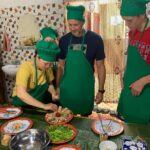
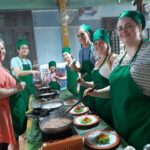
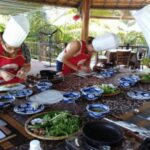
I also like how the lesson is structured for normal people. The chef guides traditional steps, while assistants prep ingredients so you can focus on technique—mixing, rolling, chopping, seasoning, and assembling. The group stays small, so you have a good chance to ask questions and get corrected before it goes wrong.
One consideration: this isn’t a quiet, sit-and-watch experience. You’ll be active. If you’re traveling with very limited stamina or you’re expecting a hands-off demo, you might find the hands-on portion a bit much.
Cam Thanh Check-In: Getting to the Right Alley
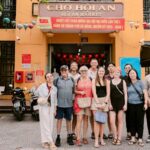
Your tour starts at the meeting point listed as Hoi An village Experience. The area can feel confusing if you arrive by taxi or Grab, so here’s the practical trick you should use.
If you’re dropped off by Grab/taxi, enter Hoa Vung Villa as the arrival place. The cooking class sits in a narrow alley right next to that villa. It’s easy to miss if your driver pulls up on the wrong side, so use the villa name and then walk carefully from there.
Also plan to arrive a few minutes early. Schedules can shift slightly, and the group meets at the start time (two options are offered).
You can also read our reviews of more tours and experiences in Hoi An.
The Flow of the Day: Pickup, Tea, Cooking, and Then You Eat
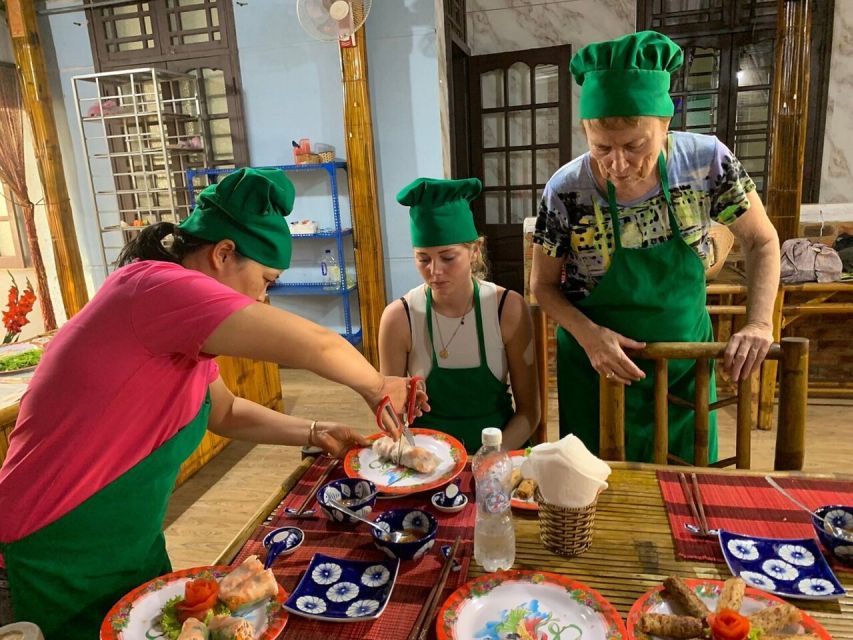
There are two class times. You’ll be picked up at 10:30 or 16:30 from the meeting point in the Cam Thanh Coconut Village area. After pickup, you move to the cooking class location in the coconut village.
Once you arrive, expect a welcome tea and a brief rest at the restaurant before you start cooking. That pause is more than a formality. It gives you time to settle in, meet your small group, and get oriented before you start handling ingredients.
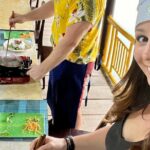
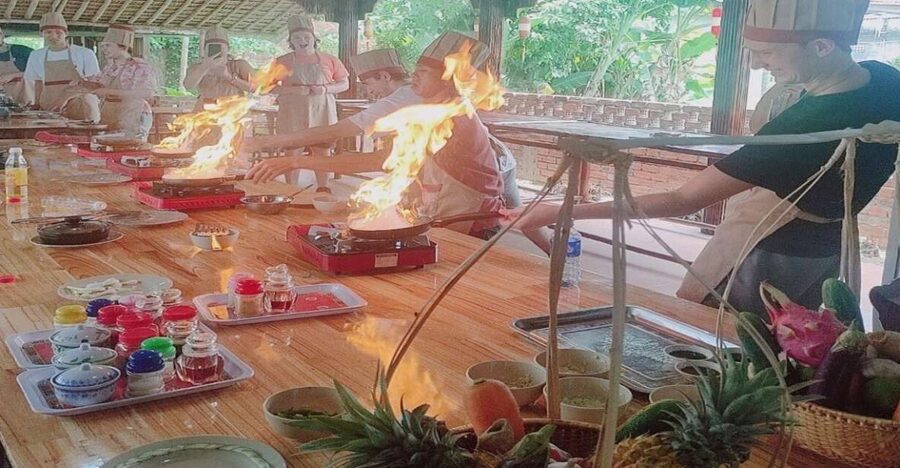
Then comes the main event: your chef teaches 4 local dishes. You’ll follow their guidance, with extra support from assistants to keep things moving and prevent the whole group from getting stuck at one step.
Finally, the class ends at about 13:30 for the morning session or 19:30 for the afternoon session. After the lesson, you enjoy what you cooked. Lunch or dinner is included, so you’re not leaving hungry.
The Four Dishes You’ll Learn (And What Techniques You’ll Take Home)
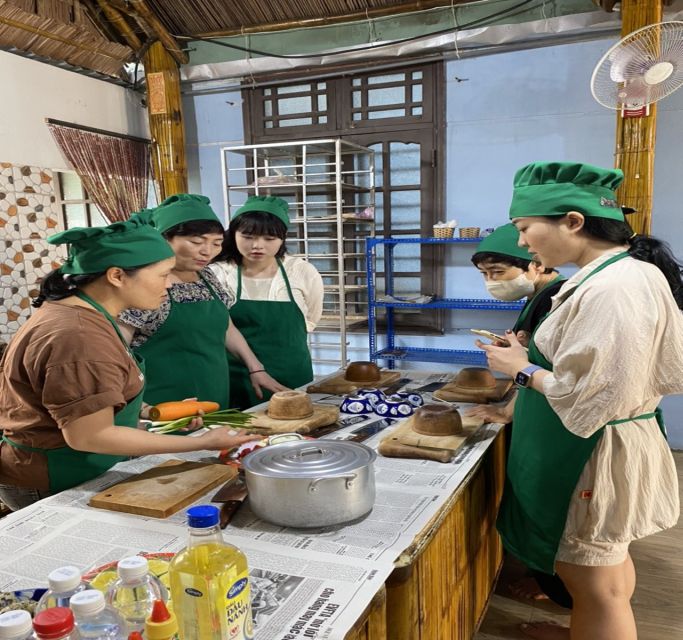
You’ll cook four classic Vietnamese dishes: pancake, spring rolls, papaya salad, and chicken with lemongrass. The best part is not just tasting them. It’s the pattern of learning—how Vietnamese home cooking balances texture, timing, and seasoning.
Vietnamese Pancake
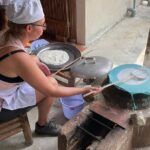
This is your warm-up dish, and it’s a smart choice. Pancakes teach you how batter consistency affects results and how heat control changes texture. You’ll see how to assemble and cook so the pancake becomes flexible, not gummy.
What you should watch for: batter thickness and pan temperature. When you get those two right, the rest gets easier.
Spring Rolls
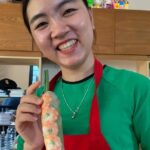
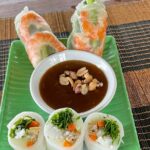
Spring rolls are where technique shows. Even if you’ve rolled before, the local method matters because wrapping is part of the flavor and the texture. You’ll learn how to roll tightly enough to hold together, but not so tight that it becomes hard to bite.
This is a great lesson to practice later at home because you can adjust fillings and seasoning once you understand the wrapping method.
Papaya Salad
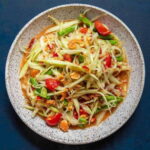
Papaya salad is fresh, crunchy, and very Vietnamese in style. In this class, it’s also a lesson in mixing and balancing. You’ll learn how ingredients come together and how dressing and seasoning get distributed.
If you have allergies, this dish is one to flag early. The class is designed to accommodate questions about ingredients, but you need to speak up ahead of time.
Chicken with Lemongrass
Chicken with lemongrass teaches a totally different skill set: flavor-building and aromatics. Lemongrass gives fragrance that doesn’t come from salt alone, so timing and preparation matter.
This is also a confidence-builder. Once you learn the scent-and-seasoning approach, you can adapt it to other proteins later, even if you don’t make the exact dish again.
English-Speaking Chef Plus Assistant Support: The Secret Sauce
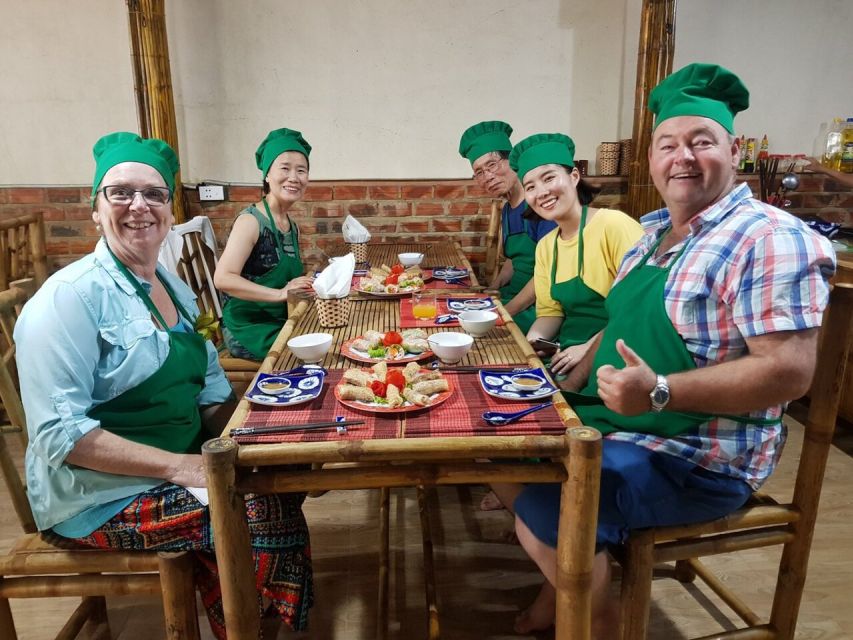
A big reason this class gets such strong ratings is the teaching style. You cook with an English-speaking chef, but you’re not left alone with your questions. Assistants help prepare ingredients so the group can focus on assembling and cooking.
In small groups—limited to 10 participants—that support becomes a real quality-of-life upgrade. Instead of waiting for your turn, you keep moving. You also get help if your rolling, chopping, or mixing isn’t going smoothly.
In some sessions, you may even meet friendly team members who keep the mood light. Names that have appeared from the same team include a guide named Giang and a chef named Quan. The common thread is clear: the teaching feels human. People joke. People explain again. People help without making you feel silly.
One extra detail worth calling out: rice preparation has been part of the experience in some groups, sometimes with playful touches like songs during the process. Even if your moment looks slightly different, the emphasis stays the same—learning traditional steps in a way that feels relaxed.
Eating What You Cook: Lunch or Dinner With Real Reward
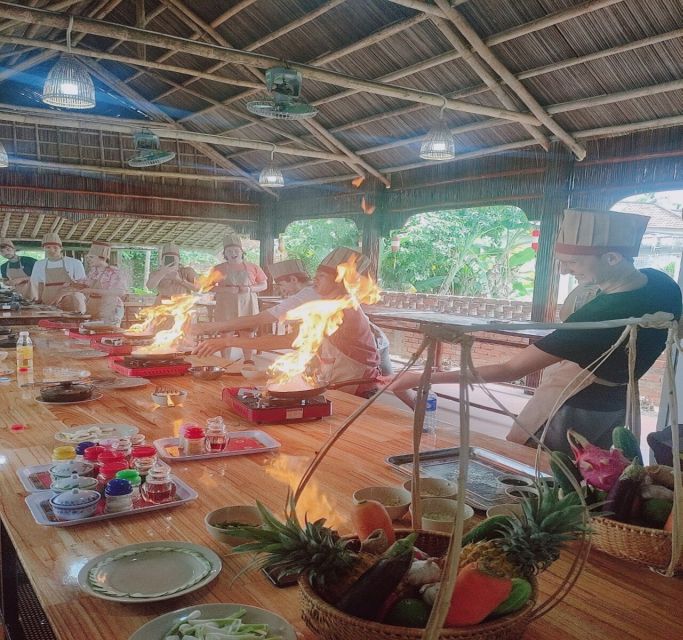
After the final dish is done, you don’t just get a small sample. You enjoy the food you cooked. That matters because many cooking classes end with a quick bite and a goodbye. Here, the meal is part of the point.
Lunch or dinner is included, depending on whether you book the 10:30 or 16:30 start time. You’ll eat in the context of the day’s work, so the flavors feel earned. It also helps you confirm what you got right. If something tastes off, you’ll quickly understand why—and that helps when you try it later.
Drinks are not included, so if you like iced tea, water, or something else, budget for it separately.
Price and Value: Is $23 Worth 210 Minutes of Cooking?
At $23 per person for about 210 minutes, the value is strong when you compare what’s included. You’re paying for:
- An English-speaking chef guiding traditional methods
- All ingredients
- Welcome tea
- Lunch or dinner included
- A small-group format capped at 10 people
If you tried to replicate this independently—buy ingredients plus pay for a lesson—you’d usually spend more. Here, the fee also covers the “invisible work”: getting supplies ready, coordinating timing, and making sure you can actually participate instead of waiting around.
The balance to keep in mind is that you’re not getting hotel pickup or drop-off. That can reduce value if your hotel is far from the meeting point. If you’re already in the area, or you’re okay using Grab/taxi to reach the meeting spot, the price-to-experience ratio holds up nicely.
Also, it’s a group tour. If you want total one-on-one attention, this format may feel a little busy. For most people, though, small-group cooking with frequent assistance is exactly what you want.
Practical Trade-Offs Before You Book
This class hits a sweet spot for fun and learning, but it helps to go in with the right expectations.
First, the meeting logistics: no hotel pickup. You’ll need to get to Hoi An village Experience and follow the Hoa Vung Villa alley directions. If you’re arriving later in the day, give yourself extra time.
Second, the schedule can shift a little. That’s common with village-based activities, especially when you’re coordinating pickup and group flow. Your start times are set at 10:30 and 16:30, with an end around 13:30 and 19:30, but you should keep your next plan flexible.
Third, inform the team about food allergies. The class offers ingredient support, but the responsibility is on you to share your needs clearly beforehand.
Finally, bring a mindset that cooking takes small messes. The class includes hands-on steps like rolling and mixing, so you’ll be near flour and sauce. Wear clothes you’re okay getting a little touched.
Who This Cooking Class Is Best For
You’ll enjoy this class most if you like food that has a story behind it—food that comes from daily life, not just presentation.
It’s especially good for:
- Couples who want a shared activity beyond walking around shops
- Solo travelers who like small groups and conversation
- Families who want a hands-on experience with guidance
- Anyone who wants recipes to practice at home, not just a meal
If you’re the type who hates structured group activities, the small-group limit helps, but you still should expect a guided flow from tea to dishes to eating.
Should You Book This Cam Thanh Family Cooking Class?
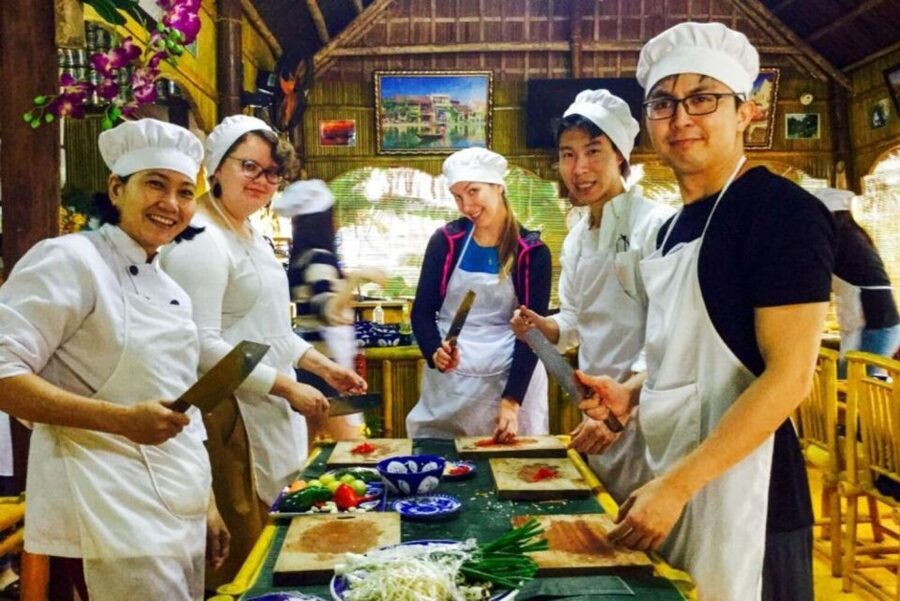
Yes, if you want real technique, small-group attention, and a meal that feels tied to your effort. The standout value is that you cook four dishes with an English-speaking chef, supported by assistants who keep ingredients ready so you’re not stuck waiting.
Book it if you like village life vibes, coconut-village surroundings, and the idea of learning traditional methods you can repeat later. It also works well when you want something memorable that’s still practical: you leave with both skills and food.
Skip it only if you truly need hotel pickup and a very hands-off experience, or if you prefer a restaurant-style show rather than getting your hands involved.
If you do book, send your allergy info ahead of time and plan to arrive at the meeting point early so you don’t have to hunt for the narrow alley near Hoa Vung Villa.
FAQ
How long is the cooking class?
The experience lasts about 210 minutes.
What time does the tour start?
There are two start times: 10:30 and 16:30. The class ends around 13:30 or 19:30.
How many dishes will I learn to cook?
You’ll cook four local dishes: pancake, spring rolls, papaya salad, and chicken with lemongrass.
Does the price include food and tea?
Yes. The tour includes a welcome tea, all ingredients, and lunch or dinner.
Is the class taught in English?
Yes. The chef speaks English.
Is there hotel pickup and drop-off?
No. Hotel pickup and drop-off are not included. You meet at the listed meeting point.
Where is the meeting point and how do I find it by taxi or Grab?
Meet at Hoi An village Experience. If you arrive by Grab/taxi, enter Hoa Vung Villa as the arrival place. The cooking class is in a narrow alley next to this villa.
What should I do if I have food allergies?
Let the team know about your allergies in advance so they can guide you appropriately.