REVIEW · UBUD
Evening Cooking Class with Romantic Dinner in Ubud
Book on Viator →Operated by Lesung Bali · Bookable on Viator
A chef-led Ubud evening with romance built in. This is a small-group cooking class where you visit a Balinese house and garden, then head to a farm to harvest the spices for your meal, finishing with a candlelit dinner you can actually savor together. What I liked most was the farm spice harvest part (you’re not just learning recipes, you’re learning ingredients), and the way the evening turns into a guided, hands-on food story.
Expect a full 5-hour evening on Ubud’s west side, so plan for some driving time. If you’re hoping to stay planted right in central Ubud the whole night, this isn’t that style—but if you want countryside calm and real context for Balinese food, it fits well.
In This Review
- Key things you’ll enjoy most
- Why Ubud’s west side makes this class feel real
- Getting picked up: a stress-free start in Ubud
- The Balinese house and garden stop: food starts with home life
- From menu choices to spice harvest: the part you’ll remember
- Lesung technique and the chef’s coaching style
- What you’ll make: Balinese dishes with a clear flavor purpose
- The romantic candlelit dinner: eating with context
- Price and value: what $45.82 buys you in real terms
- Who this works for (and who should think twice)
- Should you book this evening cooking class?
- FAQ
- What’s included in the evening cooking experience?
- How long does the class last?
- Is there pickup only in Ubud?
- How big is the group?
- Can you choose a vegetarian menu?
- What Balinese dishes will you learn to cook?
- Is the dinner served candlelit?
- What if the weather is bad?
- FAQ
- Can I cancel for free?
- Are there any extra costs to plan for?
- Is a mobile ticket used?
- How far in advance should I book?
Key things you’ll enjoy most
- Farm spice harvesting before you cook, so the ingredients feel personal
- Lesung mortar-and-pestle technique, with spices chopped and pounded the Balinese way
- Menu choice including regular and vegetarian options
- Small-group setting (max 15) so you’re not stuck watching
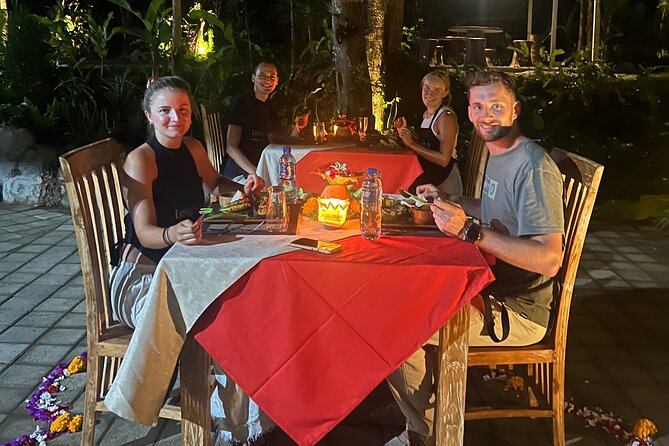
- Romantic candlelit dinner that wraps up the whole experience
Why Ubud’s west side makes this class feel real
Ubud can be busy in bursts—shops, traffic, scooters, the usual. This class shifts the vibe to the quieter west side, where the area feels more like countryside than the souvenir strip. That matters because Balinese food culture isn’t only about taste. It’s tied to daily life, how people grow and cook, and how meals connect to family and home routines.
The flow also helps. You start with context (a local house and garden), then move into production (the farm and spice gathering), then into technique (learning how the food is put together), and finally into eating. By the time the lights go down for dinner, the meal doesn’t feel random. It feels earned.
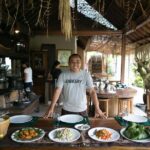
And yes, it’s designed as a date-night option. The chef and host Ron (he’s also the owner of Lesung Bali) brings a warm, jokey energy that keeps the mood light. Even when you’re busy chopping spices, you’re not stuck in a silent schoolroom.
You can also read our reviews of more tours and experiences in Ubud.
Getting picked up: a stress-free start in Ubud
One of the most practical parts here is that you get pickup and drop-off in the Ubud area, using a private car. After a long day of temples or markets, that kind of door-to-door convenience is worth something. It also makes the class feel more like an evening plan than a puzzle of taxis and timing.
Because the class is on the west side, having transport handled reduces friction. You don’t have to decide how long it will take or where to meet. You can just show up, grab the welcome drink and snacks, and settle in.
If you’re staying outside Ubud, there can be extra transportation costs (Nusa Dua and Jimbaran, or Uluwatu), depending on where you’re based. So if you’re comparing options, do a quick check on your hotel location first. The included service is specifically for hotels in the Ubud area.
The Balinese house and garden stop: food starts with home life
Before you ever touch ingredients, you’ll visit a Balinese house and garden. You’re shown how the building sits in the property and how daily life is shaped around that layout. It’s not just “see this pretty house.” The point is to help you connect food to place—how families live, where routines happen, and how the environment supports cooking.
This stop also sets up the rest of the night. When you later learn about spices and local techniques, you’ll understand it as practical knowledge, not culinary trivia. Balinese cooking is built on what’s available and what’s used often in the home. The house-and-garden introduction gives you that lens.
If you like cultural context that doesn’t feel like a lecture, this part works. It’s grounded, visual, and calm enough that you actually absorb it before you jump into the kitchen.
From menu choices to spice harvest: the part you’ll remember
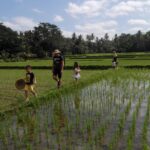
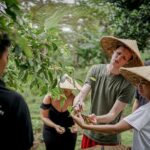
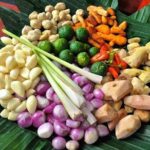
Then comes the best “wait, we’re doing this?” moment: you head to the farm, decide on your menu, and harvest spices you’ll use during the class. This isn’t a quick photo stop. You’re actively collecting ingredients connected to what you’ll cook.
That changes the way you experience the cooking. When you recognize the spice you picked, you pay closer attention to how it behaves in the pan, how it smells when fresh, and how it supports the dish. You’re not guessing. You’re tasting with memory.
You also get a guided tour-like walk through the farm, which helps you understand how Balinese cooking depends on fresh, local produce and aromatics. Even if you already like Indonesian food, this step adds respect for how much planning goes into flavor.
Practical tip: you’ll likely get a bit hands-on during harvesting and prep. I’d wear comfortable clothes you don’t mind getting spice-scented, and closed-toe shoes that handle uneven ground.
Lesung technique and the chef’s coaching style
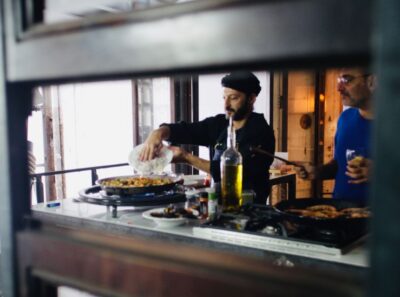
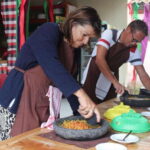
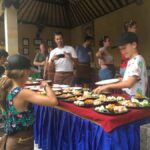
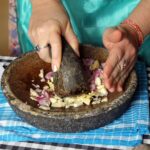
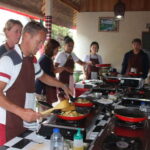
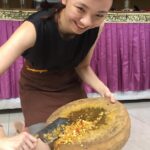
Cooking class is where this experience earns its reputation. You’ll learn authentic Balinese techniques from a Balinese chef during a small-group session. The cooking is hands-on, and you’re taught methods like chopping and pounding spices using a Lesung (mortar and pestle).
That tool choice is more than tradition for tradition’s sake. Pounding spices changes texture and releases oils differently than cutting only. It’s a practical technique that shows you why Balinese flavors often feel layered and fragrant rather than just spicy.
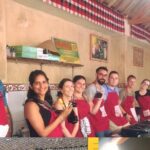
Ron’s teaching style is friendly and upbeat. In the reviews, he’s consistently described as humorous and welcoming, which matters when you’re doing something new. If you’ve ever felt self-conscious in a cooking class, this is the type that keeps the atmosphere relaxed. You’ll learn without feeling rushed.
Also, the chef explains ingredient amounts and what else the dish needs based on the menu you selected. That structure helps you follow along even if you don’t cook often. You’re not just making shapes and hoping it tastes right.
What you’ll make: Balinese dishes with a clear flavor purpose
You’ll learn to make traditional dishes such as:
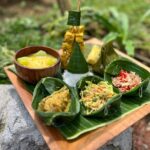
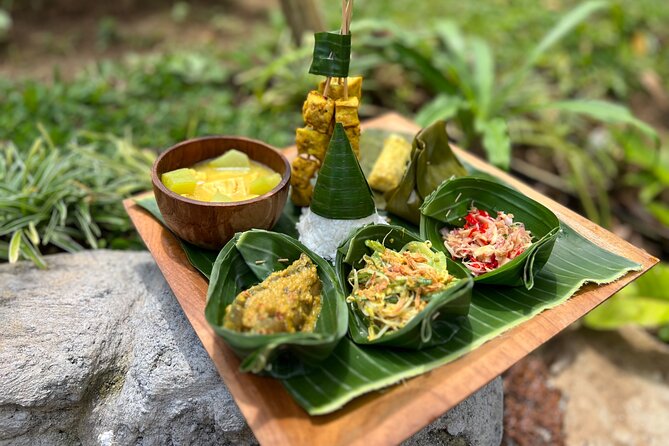
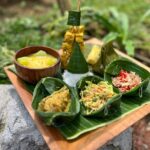
- Steamed fish wrapped with a banana leaf
- Chicken meatball soup
- Crepes with palm sugar and grated coconut
- And other traditional dishes as part of the menu
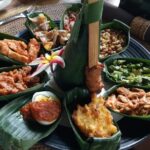
Each dish has a different job on the plate. The banana-leaf fish is all about fragrant wrapping and gentle cooking. The chicken meatball soup gives you a savory, comfort-style balance. The palm-sugar crepes bring sweetness with a local ingredient profile—coconut plus caramel-like palm sugar notes.
One of the best “value hidden in the details” aspects is the way the class connects technique to outcome. When the chef guides you through prep, you’re learning what each step contributes. That makes it easier to recreate later, at home, with the closest ingredients you can find.
You also have a menu choice. There are vegetarian options, and that’s a big deal if you’re traveling with someone who doesn’t eat meat. You’re still in the same learning environment, just cooking a different set of dishes.
The romantic candlelit dinner: eating with context
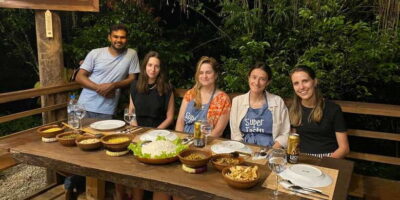
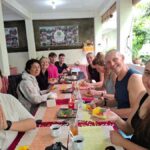
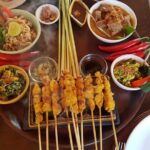
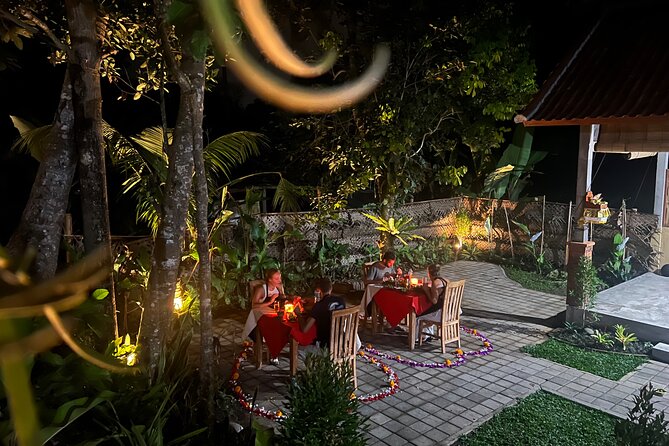
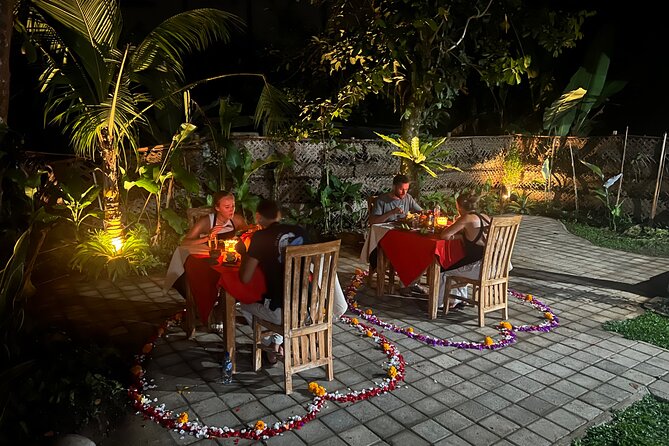
After the work comes the reward: a candlelight dinner. It’s romantic by design, but more importantly, it’s meaningful. You’re sitting down to eat what you helped create, and you’ve already learned why the ingredients and methods matter.
The dinner is the emotional payoff of the whole evening. Earlier you were harvesting and pounding spices. Now you’re tasting those results in a meal that feels like a celebration rather than a single dish thrown onto a table.
This part also tends to land well for couples because it’s a shared activity that ends as a shared meal. You get natural conversation starters: what spice you harvested, what technique surprised you, which dish you want to learn again.
Included refreshments help too: you’ll have a welcome drink and snacks, plus mineral water. A bottle of beer is included as well, which is a nice touch for adults who want a little extra ease during dinner.
Price and value: what $45.82 buys you in real terms
At about $45.82 per person, this class can feel like a bargain once you look at what’s included. You’re getting:
- Pickup and drop-off within the Ubud area (private car)
- The cooking class itself
- A candlelit dinner
- Mineral water, welcome drink, snacks
- A bottle of beer
If you tried to recreate this as separate experiences—transport, a guided market or farm-style ingredient activity, a private cooking lesson, and dinner—it would usually cost more than one bundled rate.
The trade-off is that the class is weather-dependent. If conditions aren’t right, you may be offered a different date or a full refund. That’s typical for outdoor-friendly activities. Still, it’s one reason to avoid booking this as your only plan on a tight schedule.
Also, note what’s not included: photo services aren’t included. So if photos matter, plan to use your own camera or phone.
Who this works for (and who should think twice)
This is a strong fit if you want an evening that blends culture and cooking, not just one or the other. It’s especially good for couples who want a romantic end to a day in Ubud, without doing the usual restaurant routine.
It also suits food lovers who like technique. If you’re curious about how spices get handled—chopped, pounded in a Lesung, and built into dishes—this class gives you a hands-on method, not just a tasting.
You might think twice if:
- You only have time for central Ubud activities and don’t want west-side commuting
- You prefer to observe rather than cook (this is built around doing)
- You’re sensitive to the pace of a structured 5-hour experience
On the other hand, if you’re comfortable being active and you want real Balinese flavor with a local guide, you’ll likely feel right at home.
Should you book this evening cooking class?
I’d book it if you want a Ubud night that feels authentic, not staged. The best reasons are practical: pickup included in Ubud, a small group size, cooking with a real Balinese chef, and a romantic candlelit dinner that connects to what you learned.
If your partner wants a memorable date-night plan and you want something hands-on, this hits the sweet spot. Just go in ready to work a bit—harvesting spices, learning techniques, and cooking your way to dinner.
FAQ
What’s included in the evening cooking experience?
It includes pickup and drop-off in the Ubud area, private car transport, the cooking class, candlelight dinner, mineral water, a welcome drink and snacks, and a bottle of beer.
How long does the class last?
The experience runs about 5 hours.
Is there pickup only in Ubud?
Pickup and drop-off are included for the Ubud area. If you’re in areas outside Ubud, extra transportation fees may apply (for example Nusa Dua and Jimbaran, or Uluwatu).
How big is the group?
The experience has a maximum of 15 travelers.
Can you choose a vegetarian menu?
Yes. There are vegetarian menu options, alongside regular menus.
What Balinese dishes will you learn to cook?
The class includes dishes such as steamed fish wrapped with a banana leaf, chicken meatball soup, and crepes with palm sugar and grated coconut, along with other dishes depending on the menu.
Is the dinner served candlelit?
Yes, the dinner is served candle light at the end of the class.
What if the weather is bad?
The experience requires good weather. If it’s canceled due to poor weather, you’ll be offered a different date or a full refund.
FAQ
Can I cancel for free?
Yes. Free cancellation is available up to 24 hours before the experience starts for a full refund.
Are there any extra costs to plan for?
Photo services aren’t included. If you need pickup outside the Ubud area, extra transportation fees may apply.
Is a mobile ticket used?
Yes, the experience uses a mobile ticket.
How far in advance should I book?
On average, it’s booked about 52 days in advance.