REVIEW · SYRACUSE
Cooking class at a Cesarina’s home with tasting in Siracusa
Book on Viator →Operated by Cesarine: Cooking Class · Bookable on Viator
Step into a real Syracuse kitchen.
This private Cesarina cooking class turns a famous local meal into a hands-on experience, with you learning the process in a Sicilian home instead of a busy restaurant. What I like most is that it’s private and you get your host’s focused attention while you work with fresh, seasonal ingredients. One thing to keep in mind is that, while the menu follows a general pattern, the exact dishes and even some ingredients can vary by host and season.
I really appreciate that you’re not just eating Sicilian food here—you’re making it. You’ll learn to prepare a starter and a regional pasta (think pasta in a Siracusana style), then finish with a typical dessert like almond paste or a close Sicilian equivalent. And because the class includes wine, the tasting feels like part of the meal, not an afterthought.
The main drawback is value consistency. One past participant felt the class was overpriced for what they got, including disappointment with a prepared element and missing promised take-home items. If you care a lot about specific details, it’s worth confirming them before you go.
In This Review
- Key takeaways before you book
- Cooking at a Cesarina’s home: why Syracuse feels different here
- The 3-hour flow: starter, pasta work, then wine and dessert
- The Syracuse menu you’ll actually eat: pasta alla Siracusana style
- Starter: seasonal and designed to set the tone
- Main: regional pasta in a Siracusa flavor direction
- Dessert: almond paste and other classic Sicilian sweets
- What you learn (and what it’s worth when you get home)
- English instruction and getting along in the kitchen
- Value and price: is $174.69 per person fair?
- Getting there in Syracuse: meeting point and parking reality
- Who should book this Syracuse Cesarina class
- Should you book this Cesarina cooking class in Siracusa?
- FAQ
- How long is the cooking class in Syracuse?
- How much does the experience cost?
- Is this cooking class private?
- What language is the class offered in?
- Where does the class start and end?
- Is free cancellation available?
Key takeaways before you book
- Private, home-based setting: You learn in a real Syracuse residence with your own small group.
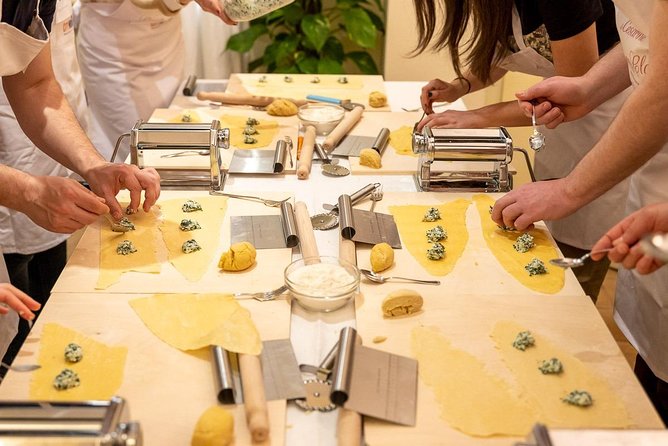
- Hands-on pasta time: Expect dough work and sauce-making steps, not just watching.
- 3 dishes plus wine: Starter, regional pasta, and a Sicilian dessert with a glass of local wine.
- Hosts who adapt: Some instructors adjust the pace and even the number of pasta types based on your energy.
- English instruction with real-world help: The class is offered in English, and some hosts also use translation tools or family support.
- Parking can be tricky: If you drive, plan for extra time; the area is near public transport.
Cooking at a Cesarina’s home: why Syracuse feels different here
Syracuse is one of those places where food isn’t a “thing you do.” It’s part of daily rhythm—family meals, seasonal produce, and recipes passed along by people who cook the same way every week.
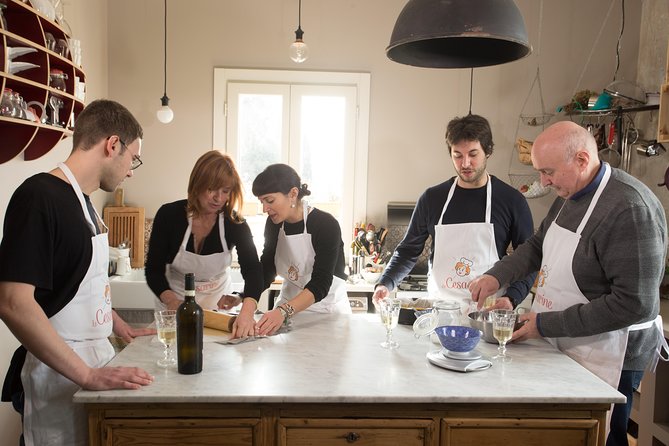
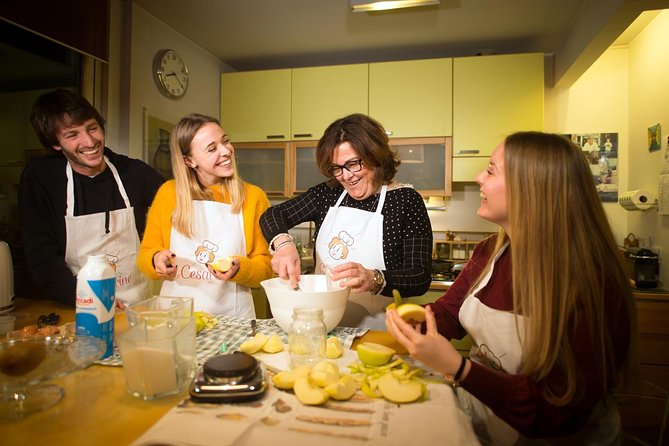
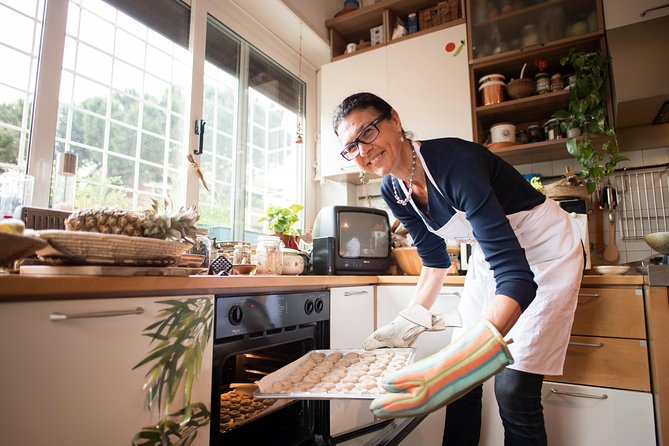
That’s exactly the advantage of a Cesarina home class. You’re not herded into a demo kitchen. Instead, you’re working where Sicilians actually cook: an everyday home kitchen with the tools already in place, the ingredients already chosen, and the host directing you step-by-step.
This one is also private, so it’s built for conversation and questions. You’re not negotiating for attention with a large group, and you’re less likely to feel rushed. Many people love that feeling of being “in the kitchen,” not outside it.
The sanitary note matters too. The homes provide essential cleaning supplies for guests (like hand towels and sanitizing gel). Your class also follows distancing guidance—aim for the 1 meter rule where you can, and if you can’t, the guidance says to use masks and gloves.
You can also read our reviews of more tours and experiences in Syracuse.
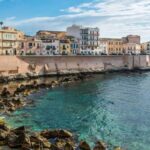
The 3-hour flow: starter, pasta work, then wine and dessert
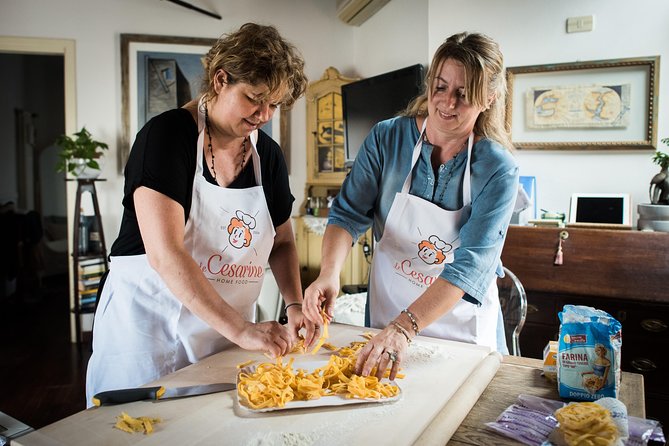
This is an around-3-hours experience, and it moves in a clear rhythm. Here’s how the timing usually feels in a home setting like this:
Arrival and welcome. You’ll meet in Syracuse and get oriented when you arrive. Expect the host to settle you in, explain what you’re doing, and get you into an apron-and-flour mindset.
Starter first. Your menu starts with a seasonal starter. In one teaching setup, Maria Rita offered a Sicilian-style cheese and savory antipasti before the pasta work began. It’s a good warm-up because it gets you tasting what’s typical, while you still have energy for prep.
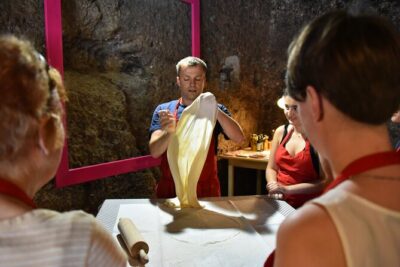
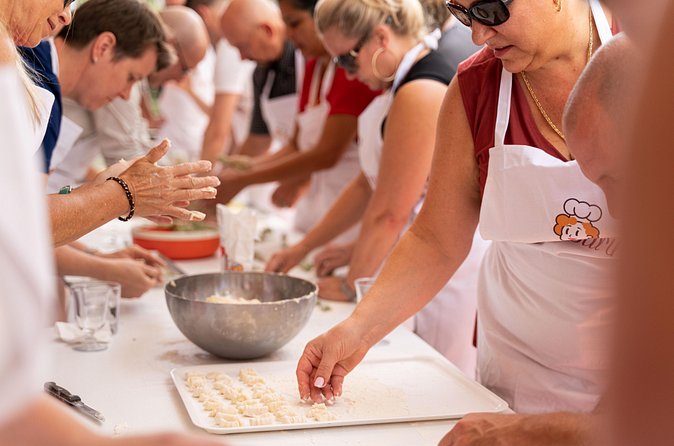
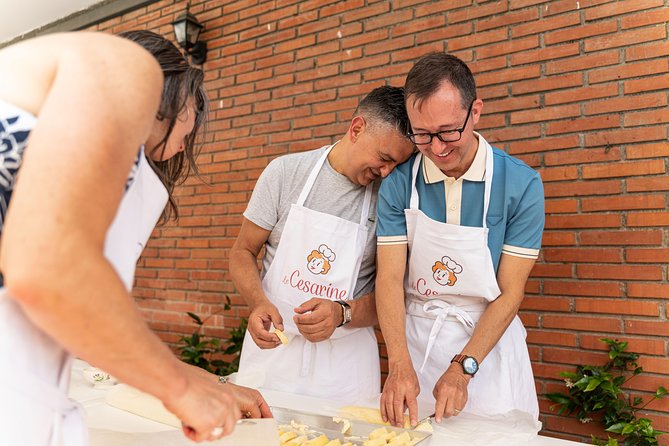
Then the pasta stage. The main event is the pasta. The sample menu points to regional options like pasta alla Siracusana or pasta alla Carrittera (or a similar local pasta). In practice, the hands-on portion can include rolling dough, learning how to handle it without tearing, and shaping pieces—especially if your host chooses to teach ravioli or multiple pasta formats.
Cooking and eating together. After prep comes cooking, then you eat what you made. Wine is included, usually as a glass of local wine. One host shared additional drinks made with herbs from the garden, which is the kind of local touch that makes this feel more personal than a standard tour meal.
Dessert finish. You end with a typical Sicilian dessert. The sample menu mentions almond paste or a similar dessert. In other classes tied to this experience, I’ve seen desserts like ricotta pie and tiramisu show up—so you should expect a sweet finish that’s genuinely Sicilian, not generic Italian.
The Syracuse menu you’ll actually eat: pasta alla Siracusana style
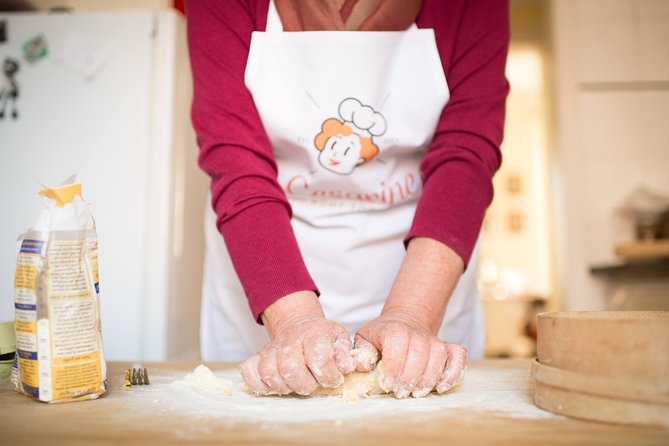
The sample structure is consistent: starter, pasta, dessert. But Syracuse cuisine has a way of making the same framework feel different depending on the season and the host’s style.
Starter: seasonal and designed to set the tone
A seasonal starter means you’re tasting what’s in good shape right now. It might be something like bruschetta-style bites, an antipasto plate, or a simple homemade cheese course—exact form depends on the host and what’s available.
Main: regional pasta in a Siracusa flavor direction
Your pasta is the core. The class is specifically built around a regional pasta route such as:
- pasta alla Siracusana
- pasta alla Carrittera
- or another similar local pasta
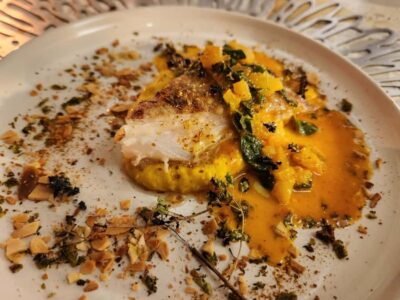
In one host setup, Maria Rita taught multiple pasta types and built sauces around Sicilian pesto. Another class focused heavily on fresh ravioli and tagliatelle style pasta. And in at least one experience, there was a baked eggplant dish served alongside the pasta meal.
Dessert: almond paste and other classic Sicilian sweets
The menu says almond paste or similar typical dessert. That aligns with Syracuse’s love for almond-forward sweets. In other host menus, desserts included tiramisu, cannoli, and ricotta pie—so if you’re an almond person, you’re probably in a good place.
Bottom line: you’ll leave with a menu that tastes like Syracuse, not a standard “Italy” cooking class.
What you learn (and what it’s worth when you get home)
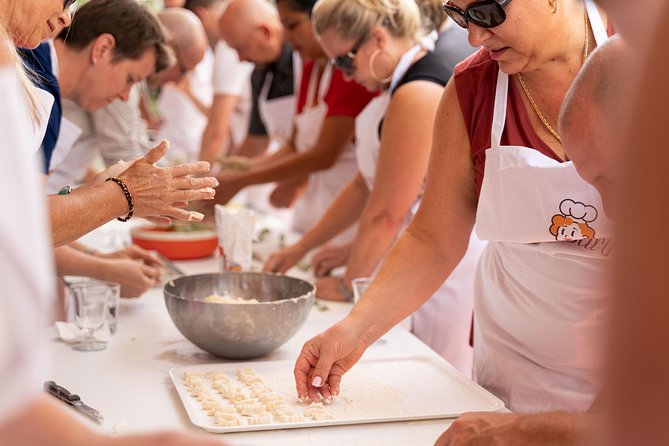
This kind of cooking class is most valuable when you learn the why behind the steps—not just the recipe.
Here are the most praised learning moments from this experience, and why they matter:
1) Pasta technique you can repeat.
People love the parts where they learn how to roll dough, fold pasta, and shape pieces. When a class makes you work the dough yourself, you understand the texture and timing in a way that restaurant cooking can’t teach.
2) Sauce logic, not just ingredients.
Sicilian pesto and pasta sauces are about balance—salt, herbs, nuts, and a sturdy texture that clings to pasta. When your host explains what’s happening during mixing and cooking, you’re more likely to recreate it later without guessing.
3) Fresh ingredients plus simple Sicilian handling.
Several hosts emphasize the importance of local produce and straightforward, flavorful cooking. Even if you don’t master every technique at home immediately, you’ll probably remember the flavor cues: what tastes right, what needs tightening, and when something is finished.
4) Practical home adjustments.
A recurring theme: hosts are warm and flexible. One instructor noted your group’s enthusiasm and added more pasta types than planned. That kind of flexibility is a big part of why this experience gets such strong ratings—it doesn’t feel like a scripted factory.
English instruction and getting along in the kitchen
The class is offered in English, and many hosts also use translation support if needed. In real home kitchens, language is less about perfect grammar and more about clear hands-on steps.
So here’s the smart approach: be ready to communicate through actions. When you point at ingredients, ask one clear question, or repeat a step back to your host, you’ll get the guidance you need.
Also, some hosts bring family help for translating. One class included a son who translated, and that made the whole flow feel smoother and more relaxed. Translation tools also show up in how some instructors communicate, so don’t worry if your Italian is basic.
If you’re nervous about cooking, that’s normal. The hosts who do well here tend to teach in a calm, step-by-step way: flour where it belongs, dough texture checks, and timing cues while the kitchen heats up.
Value and price: is $174.69 per person fair?
Let’s talk money like adults.
At $174.69 per person for about 3 hours, you’re paying for four big things:
- A private group experience (not a large public class)
- A home setting with a host who teaches and guides
- Multiple courses you eat with included wine
- Hands-on work with a menu tied to Syracuse cooking
When it’s done well, it beats paying for a pricey “tour meal” where you mainly observe. You’re getting the dinner plus the learning plus the access to someone’s real kitchen habits.
That said, one participant felt the experience didn’t match expectations—specifically mentioning a prepared element rather than something fully homemade, and also pointing out a missing take-home item. That’s the one legitimate warning sign for value.
So here’s how you protect yourself:
- Ask what will be homemade versus prepared when you confirm your booking details.
- If take-home mementos matter to you (like an apron or a shopping bag), confirm whether they’re included in your specific class setup.
Getting there in Syracuse: meeting point and parking reality
Your meeting point is in Syracuse, and the experience ends back at the starting point. The activity is noted as near public transportation, which is good news if you don’t want to stress.
If you drive, plan extra time. One review specifically flagged difficult parking near the apartment. Even if your class host’s location is more convenient than that, Syracuse streets can surprise you, so give yourself buffer time and don’t treat parking like a sure thing.
Who should book this Syracuse Cesarina class
This is a great fit if you want any of the following:
- You love food and want more than a restaurant dinner
- You’re curious about how Sicilians actually shape pasta
- You want a smaller, private learning setting
- You like family-style warmth in a real home
It also works well for mixed skill levels. Some participants said they weren’t the strongest cooks before arriving, and still felt they learned useful pasta technique. If you’re traveling as a couple, with a parent, or in a small friend group, you’ll likely enjoy the slower pace and the personal attention.
Should you book this Cesarina cooking class in Siracusa?
I’d book it if you’re excited by the idea of making Syracuse food in a real home, especially if pasta is your thing. The included courses and local wine turn it into a full evening meal experience, not just a short workshop.
I’d pause or ask extra questions before booking if you’re very sensitive to value details—like whether every component is fully homemade, or whether specific take-home mementos are included. Also, if you expect easy parking, build in extra time or plan to use public transport.
FAQ
How long is the cooking class in Syracuse?
The class lasts about 3 hours.
How much does the experience cost?
It costs $174.69 per person.
Is this cooking class private?
Yes. It’s private, and only your group participates.
What language is the class offered in?
The experience is offered in English.
Where does the class start and end?
You start in Syracuse and the activity ends back at the meeting point.
Is free cancellation available?
Yes. You can cancel for a full refund up to 24 hours in advance.