REVIEW · ALCAMO
Cooking class: Cooking Sicilian dishes
Book on GetYourGuide →Operated by Tenute Baglio Passofondo · Bookable on GetYourGuide
Sicily tastes better when you cook it. At Tenute Baglio Passofondo, a converted baglio in the Alcamo countryside near Trapani and Palermo, this 4-hour class turns classic flavors into something you can actually recreate at home.
I really like the hands-on format: you get stuck in with fresh pasta dough or sauces, and you also work on savory courses like involtini and meat or fish dishes. I also love the way the meal is paced and finished with tasting and local wine pairings, not just a quick sampling.
The only real drawback to know is time: with just 4 hours, you’ll learn a lot, but you won’t master everything. If you’re hoping for a long, single-focus course, this may feel a bit fast.
In This Review
- Key things I’d circle before you book
- Tenute Baglio Passofondo: the calm you need before you cook
- Guido and the chef team: what happens once you sit down
- What you cook: pasta dough, sauces, involtini, and ancient-style plates
- Getting started with antipasti-ready ingredients
- Involtini-style cooking: eggplant, sardines, and pork
- Tomato sauce and working with macaroni from scratch
- Fish or meat: choosing your flavor lane
- The meal: tastings of what you made, shared with the team
- Dessert time: dolcini di mandorle and the sweet ending
- Wine and food pairing: why it works so well in Sicily
- Cooking kit and recipes: what you get besides a full belly
- Price and value: is $106 per person fair for 4 hours?
- Who this class is best for
- Should you book this Sicilian cooking class?
- FAQ
- How long is the cooking class?
- Where does the cooking class take place?
- What’s the price per person?
- What languages are the instructors speaking?
- What dishes will I cook?
- What’s included in the price?
- Do I get to taste what I cook?
- Is there free cancellation?
Key things I’d circle before you book
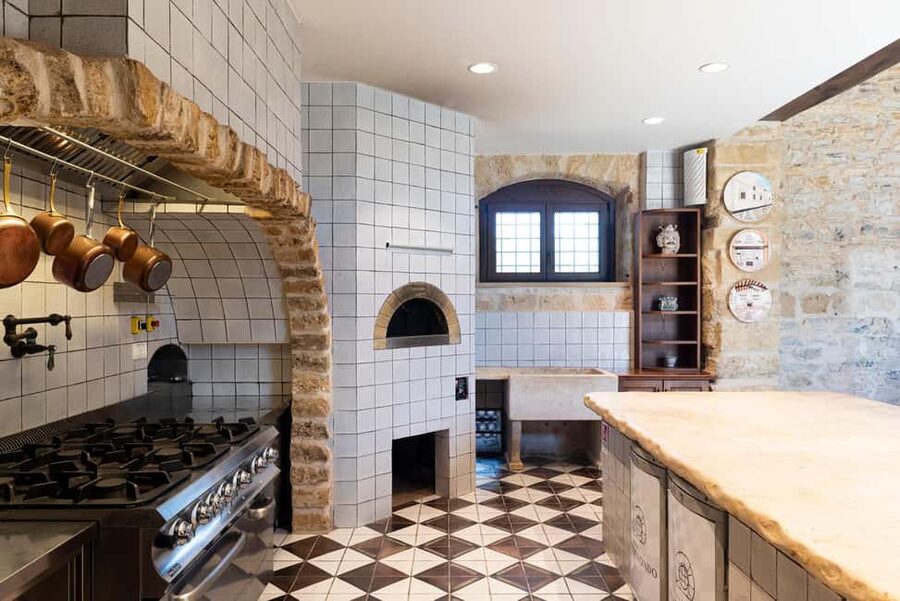
- Converted baglio setting in the Alcamo countryside just a few kilometers from Trapani and Palermo
- Handwork with pasta dough and traditional Sicilian techniques, not a demo-only class
- A multi-course menu that can include involtini, macaroni from scratch, and fish or meat dishes
- Sicilian antipasti-style prep with vegetables already laid out for you to enjoy as you start
- Wine pairings matched to the food, plus a final sweet finish
- You leave with a cooking kit and helpful recipe notes
Tenute Baglio Passofondo: the calm you need before you cook
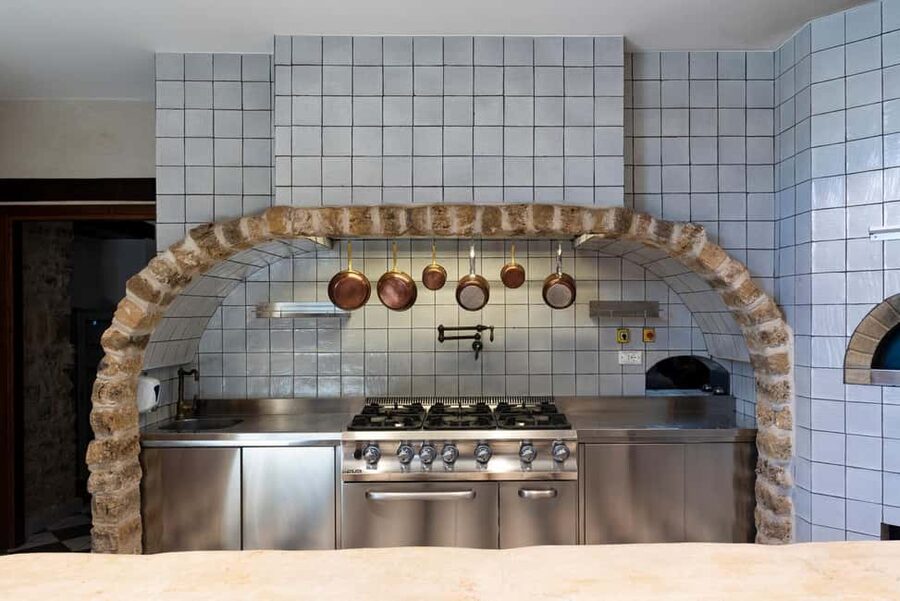
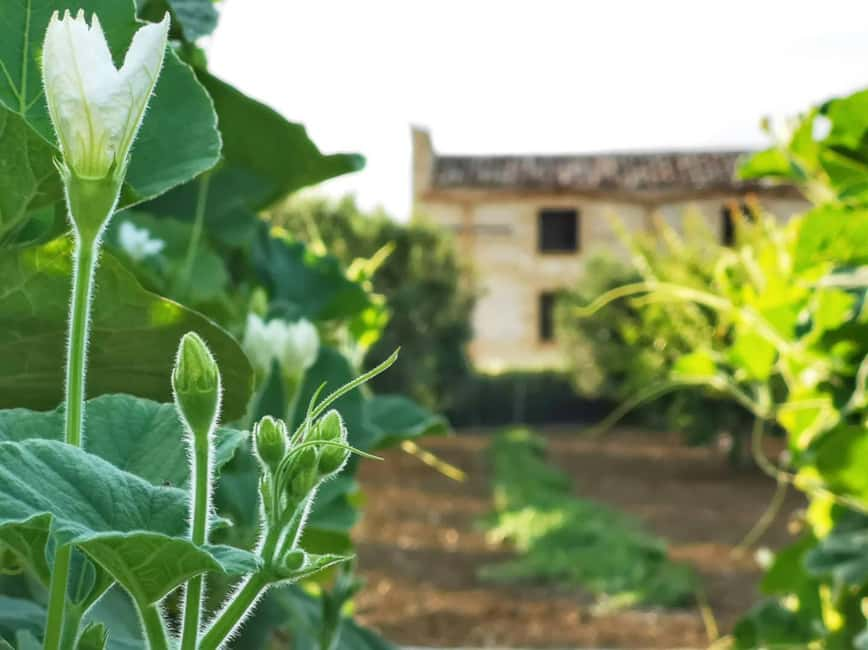
This class starts in a place that feels made for slowing down. Tenute Baglio Passofondo is a converted baglio (the traditional rural farm complex), and it sits in the Alcamo countryside with open-air calm all around. Instead of a studio kitchen, you’re in a real working property atmosphere where the day feels less like an activity and more like a visit.
One of the best parts is how the hosts frame where the food comes from. You’ll get a short property walkthrough and learn the story of the baglio and the surrounding area. It adds context fast, without turning into a lecture, and it helps you understand why the dishes you cook lean rural and seasonal.
And yes, the setting matters. When you’re kneading dough or prepping ingredients, the day goes better when you’re not stressed about noise, crowds, or constant movement.
You can also read our reviews of more tours and experiences in Alcamo.
Guido and the chef team: what happens once you sit down
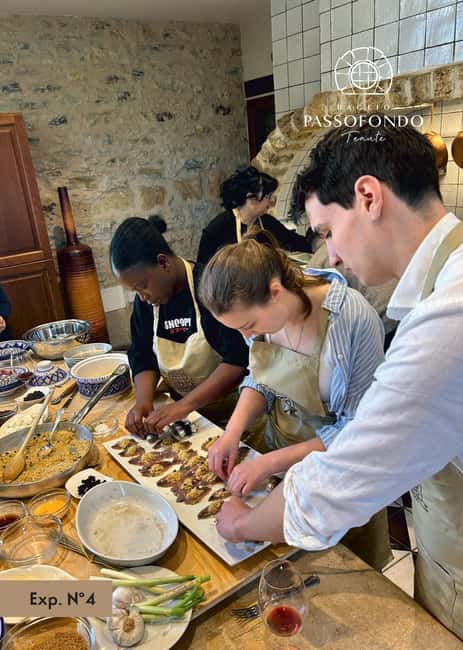
You meet the host, Guido, who shares the property story and keeps the pace friendly. Then you work with two extra experienced chefs who guide the hands-on parts. The class is built for mixed comfort levels with cooking, so even if you’re not an expert, you’re still doing real tasks rather than just watching.
Language support is clear: instruction is available in Italian and English. Based on how sessions are run, you should expect key steps to be explained in a way that works for English speakers too, not just Italian-only direction. That matters because pasta dough and filling textures are hard to get right if you can’t follow the “why” behind the movements.
You’ll also get the fun “cook mode” basics: an apron and a chef hat, plus a notepad so you can jot down what you’re learning as you go. That little kit is more useful than it looks. If you want to recreate the recipes later, you’ll want those notes while the smell of the sauce and the feel of the dough is still fresh.
What you cook: pasta dough, sauces, involtini, and ancient-style plates
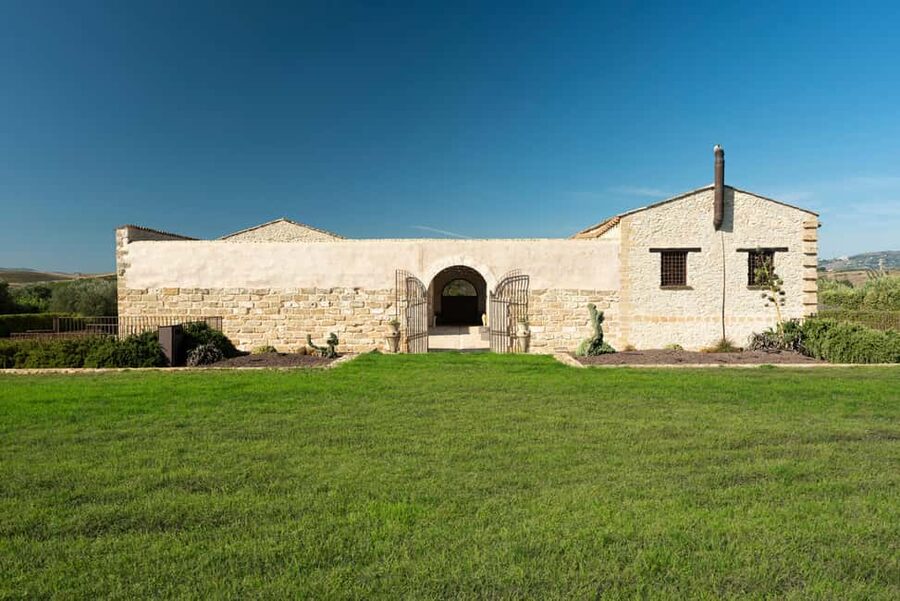
This is an all-Sicilian working session, and it doesn’t treat food like a single recipe only. You can choose which main track the group follows, and the day may include making fresh pasta, preparing tomato sauce, and cooking fish or meat—aimed at recreating older Sicilian flavors.
Getting started with antipasti-ready ingredients
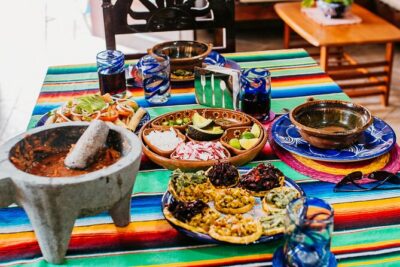
Many sessions begin with a table of prepared vegetables in a Sicilian style already arranged for you. It gives you an easy first taste before the hands-on work really ramps up. It also helps you orient yourself: you’ll quickly understand what “Sicilian style” means in that kitchen—seasoning, texture, and how vegetables are treated as serious food, not a side.
Involtini-style cooking: eggplant, sardines, and pork
One standout course you may work on is involtini—rolls built around fillings and careful assembly. Depending on your session, you might make involtini with eggplant, with sardines, and with pork. That range is smart. It shows how the same idea of rolling and seasoning can apply to very different ingredients.
If you’re the kind of traveler who likes learning technique rather than just eating, this is the part that sticks. You’re practicing how to handle filling, how to roll without tearing, and how to think about seasoning balance.
Tomato sauce and working with macaroni from scratch
Another major anchor is macaroni from scratch. You’ll work on pasta dough and the shaping process, then cook it with a Sicilian tomato sauce approach. Even if you choose a different main track, tomato sauce shows up because it’s foundational in Sicilian home cooking.
The big win here is tactile learning. Pasta is one of the hardest things to “get” from a video. In a class like this, you learn how dough feels before it becomes food. You also learn what to watch for in sauce thickness and seasoning timing, because you’re cooking it yourself.
Fish or meat: choosing your flavor lane
You may also recreate a fish or meat dish, guided by the chefs and built around Sicilian ingredients and methods. The key is that the menu isn’t generic Italian. It stays tied to regional habits—what people historically cooked and what’s common in Sicilian kitchens today.
The meal: tastings of what you made, shared with the team
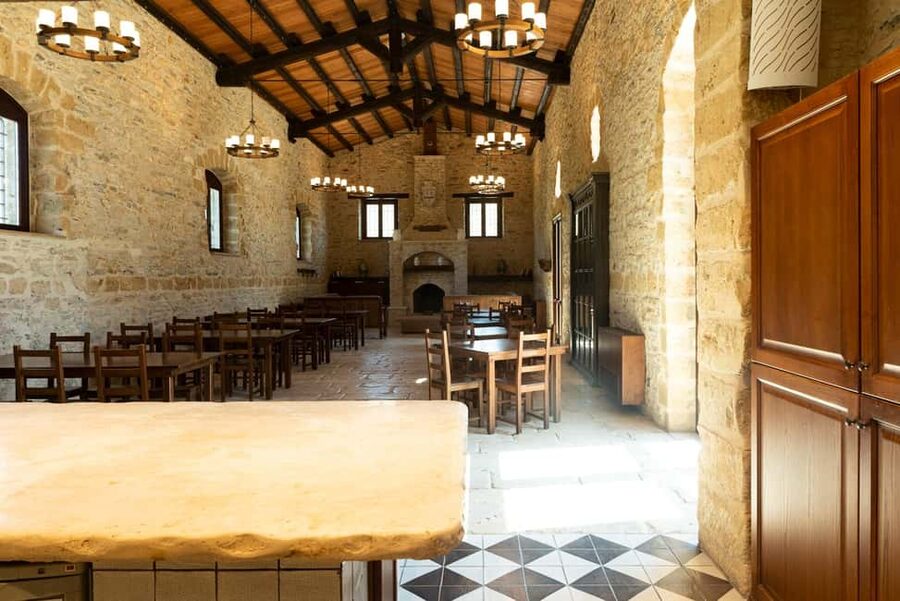
Once the cooking work is done, you sit down and eat what you’ve made. The class includes a tasting of the dishes being prepared, and the meal feels like a shared finish rather than a separate dining event. You’ll typically taste multiple courses, including savory dishes you assembled and the pasta you shaped.
This structure is great for learning. You cook, you see the final look, and then you taste immediately. That short feedback loop helps you understand what changes would make a future attempt better.
You’ll also have staff around you while you eat, so questions don’t feel awkward. If you’re unsure about a step—how a sauce should cling, or how a filling should be balanced—you can ask while the day is still fresh.
Dessert time: dolcini di mandorle and the sweet ending
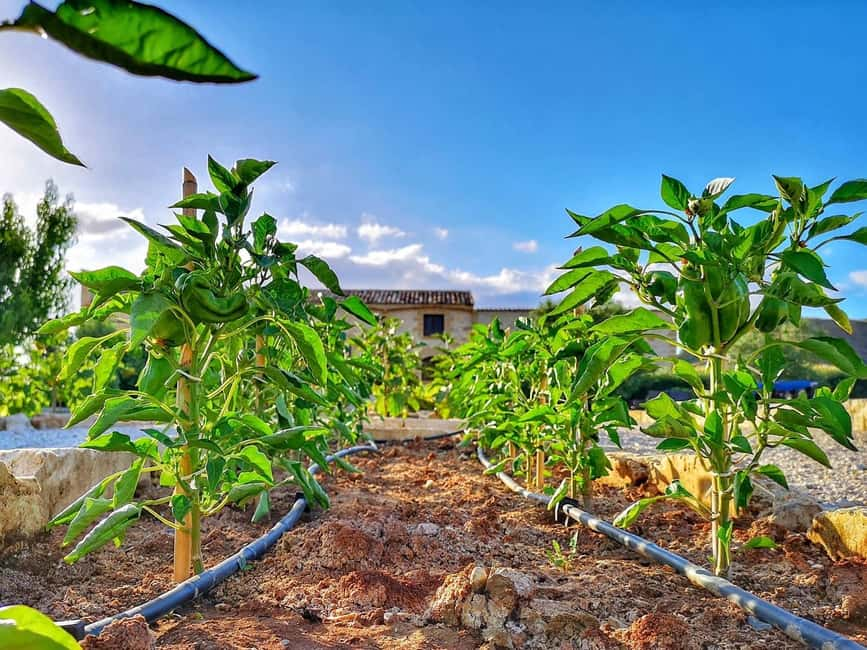
Every good Sicilian meal needs the sweet finish, and this class follows through. You may end the session with cookies called dolcini di mandorle, which are almond-based sweets.
Dessert matters here for one simple reason: it gives you a fuller picture of Sicilian cooking. Savory skills are useful, but if your goal is to understand a region’s food culture, sweet recipes are part of the story too. Almond desserts also connect naturally to what you’re learning about texture—how to get the right crumb and balance.
And after the savory work, you’ll appreciate how the day closes. It feels like a complete food arc, not just a cooking exercise.
Wine and food pairing: why it works so well in Sicily
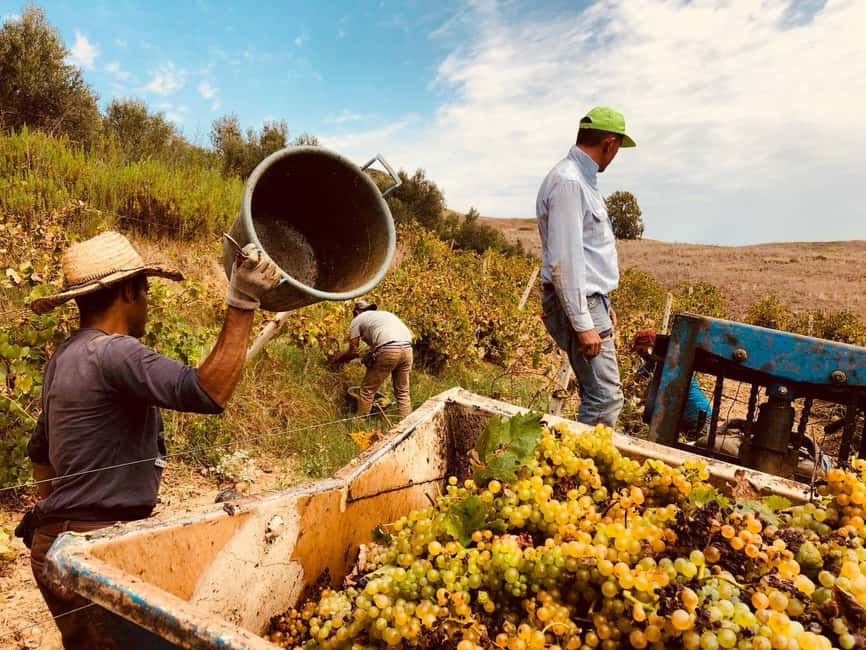
The experience includes food and wine tasting, with local wines of the region served with the dishes. That pairing approach is practical: you’re tasting alongside the food while the flavors are still in motion, and you can connect which wine traits complement each course.
Some sessions also begin with a drink like Prosecco, which sets a relaxed tone without turning the class into a party. The wine later becomes a learning tool rather than just a toast.
If you care about cooking more than drinking, this still helps you. Wine pairings teach you how Sicilian kitchens think about acidity, richness, and balance. That same logic shows up in sauce choices and seasoning amounts.
Cooking kit and recipes: what you get besides a full belly
The included items aren’t just “nice to have.” You get a cooking kit, plus tasting and the gastronomic workshop itself. That means you’re not paying only for ingredients—you’re paying for the instruction and tools that make the hands-on work possible.
You also get a notepad for writing down recipes and steps. Because the class is explained in Italian and English, it’s easier to capture the key points correctly while everything is fresh in your mind.
If your goal is to bring Sicilian flavors home, these extras matter. A full tasting without a way to remember how it was made is forgettable. Here, you leave with the basics to reproduce the dishes.
Price and value: is $106 per person fair for 4 hours?
At $106 per person for a 4-hour class, this is not a bargain-basement activity. But it also isn’t priced like a fancy show dinner. For the money, you’re getting instruction, multiple courses you actively help prepare, tasting of what you made, and local wine pairings.
Here’s where the value becomes real:
- You’re paying for hands-on teaching, with a host and additional experienced chefs working with you.
- You’re getting a meal built from what you cook, not just a small sample.
- You’re also getting wine tasting and a cooking kit, which usually adds cost if purchased separately.
If you’re the kind of traveler who already cooks at home and enjoys learning techniques, this price starts to feel reasonable. If you just want to eat Sicilian food with minimal effort, you might find a simpler meal option better. But if you want skills plus flavors, this class aims at that sweet spot.
Who this class is best for
This works particularly well if you:
- Love pasta-making and want to learn by doing, not watching
- Want Sicilian food that connects to rural life, not just tourist menus
- Prefer small, hands-on experiences where you can ask questions
- Enjoy pairing wine and food as part of the meal experience
- Want a relaxed afternoon setting in the countryside near Trapani and Palermo
It may be less ideal if:
- You need a very long cooking session to feel confident (this is 4 hours)
- You’re looking for an ultra-specialized focus on one single recipe only
- You’re only interested in the final tasting and don’t want to cook
One practical note: the activity is wheelchair accessible, so you’re not shut out if you use mobility support. That’s an important factor when choosing countryside experiences.
Should you book this Sicilian cooking class?
I’d book it if you want a true Sicilian food day with real kitchen work, countryside calm, and a finished meal that includes wine pairings and dessert. You’ll come away understanding how multiple Sicilian classics fit together—pasta, savory rolls or fillings, tomato sauce logic, and almond sweets.
I wouldn’t book it if you’re expecting a long, slow training course for just one dish. The strength here is variety and technique in a compact timeframe.
If you’re planning a trip around Trapani, Palermo, or the Alcamo area, this is a solid use of time. You get a memorable meal and practical skills in one go, in a setting that makes the whole day feel easier.
FAQ
How long is the cooking class?
The class lasts 4 hours.
Where does the cooking class take place?
It takes place at Tenute Baglio Passofondo in Sicily, in the Alcamo countryside area near Trapani and Palermo.
What’s the price per person?
The price is $106 per person.
What languages are the instructors speaking?
The instructor speaks Italian and English.
What dishes will I cook?
Depending on the session, you may knead fresh pasta, prepare tomato sauce, and cook fish or meat dishes, plus a Sicilian dessert.
What’s included in the price?
Included are the gastronomic workshop, tasting of the dishes you prepare, and a cooking kit.
Do I get to taste what I cook?
Yes. The experience includes tasting of the dishes being prepared.
Is there free cancellation?
You can cancel up to 24 hours in advance for a full refund.