REVIEW · ROME
From Rome: Pasta & Tiramisù Cooking Class near Spanish Steps
Book on Viator →Operated by Naples Together · Bookable on Viator
Cucina lessons near the Spanish Steps are rare. This one teaches you to make fettuccine and classic tiramisu from scratch in a real Roman restaurant, then you sit down and eat what you made.
Two things I really like: the class keeps you in a small group of up to 15, and you get hands-on guidance while learning both the pasta process and the tiramisù build. You also leave with a certification diploma, plus recipes so you can try again at home.
One consideration: your tiramisù is your own, but the pasta part is handled in a more communal setup at the restaurant. Also, if you’re the type who hates surprises, it’s smart to double-check the timing on the day you go, since there was at least one scheduling hiccup for a guest.
In This Review
- Key things that make this class worth your time
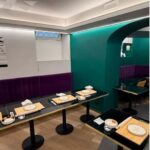
- Where you’ll cook: Spanish Steps area, real restaurant vibes
- The main event: making fettuccine from scratch (yes, by hand)
- Roma sauce and the practical meal flow
- Tiramisu building: layering like a Roman dessert maker
- The instructor touch: Paolo, Jo, and the kind of help that sticks
- Drinks, pace, and what “two hours” really means
- Group size, photos, and why this feels social in a good way
- Price and value: why $107 can make sense here
- Who this class suits best (and who might want something else)
- Should you book this Pasta & Tiramisù class near the Spanish Steps?
- FAQ
- Where is the meeting point for the cooking class?
- How long does the class last?
- Is the class taught in English?
- How many people are in the class?
- What will I make during the class?
- Do I get to eat what I cook?
- What drinks are included or offered during the class?
- Is there free cancellation?
- Do I receive anything to take home?
Key things that make this class worth your time
- Real scratch cooking: homemade fettuccine dough work and careful cutting, not a shortcut lesson
- Small-group attention: up to 15 people means you get help when your dough or layering needs it
- Tiramisu technique you can repeat: mascarpone cream layering with espresso-soaked ladyfingers and cocoa
- You taste the result: you’ll eat the meal after you finish cooking
- Central Rome location: minutes from the Spanish Steps area
- Typed-in-the-notebook value: you leave with recipes and a certification diploma
Where you’ll cook: Spanish Steps area, real restaurant vibes
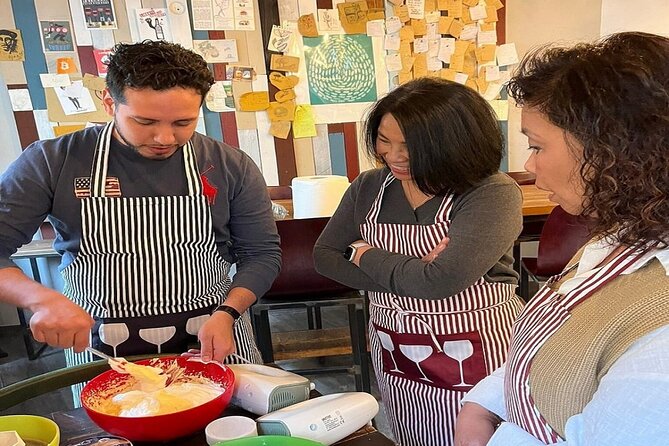
This cooking class is set up in central Rome, right near the Spanish Steps. The meeting point is V. della Croce, 34, 00187 Roma RM, Italy, and the activity ends back there.
That location matters. When you’re only gone for about two hours, you don’t want to lose time crossing the city or wrestling with multiple transfers. You can still start your day with the sights, then come back near your hotel area for a calm evening plan.
Also, a mobile ticket is issued, and confirmation arrives at booking time. In practice, that usually means less paper fuss and fewer steps between you and cooking.
You can also read our reviews of more tours and experiences in Rome.
The main event: making fettuccine from scratch (yes, by hand)
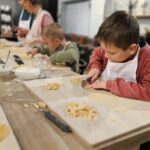
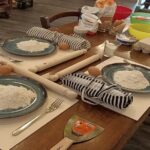
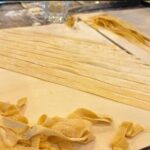
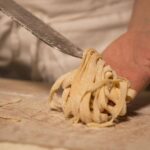
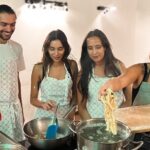
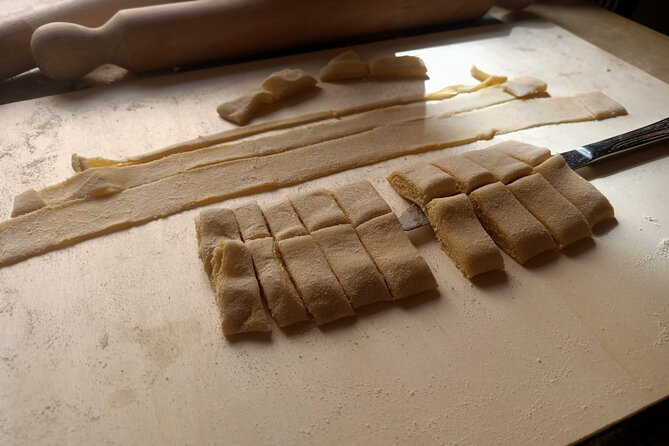
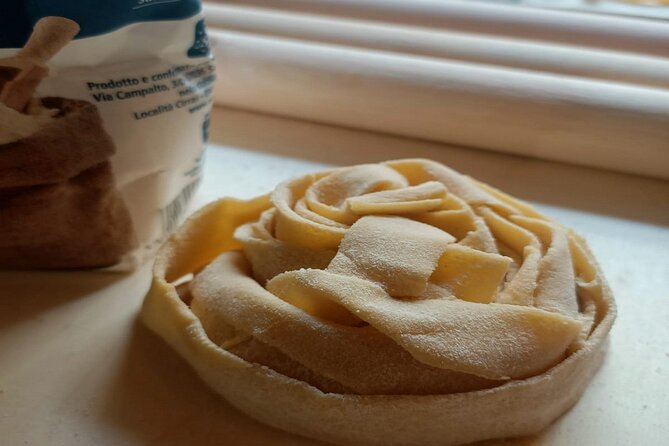
The pasta lesson focuses on homemade fettuccine. You’ll learn how to select ingredients, mix and knead the dough, and cut it into delicate strands. The chef also shares tips so your pasta matches the sauce you’re using afterward.
Here’s what makes this more than a fun activity. Pasta dough is chemistry plus feel. Kneading and resting affects how elastic the dough becomes, and that changes how easily it cuts and how well it holds up. In this class, you’re not just watching someone else do the work; you’re building the muscle memory to redo the process at home.
One detail I appreciate from the class feedback: you don’t need a pasta machine to make this work. That’s great for home cooks, since most kitchens in Rome apartments and your own place won’t have one either. You can still get impressive results with elbow grease and a steady hand.
And because the class is limited to a maximum of 15 people, you’re more likely to get corrections when your dough feels off or your cutting thickness varies.
Roma sauce and the practical meal flow
Your sample main is fettuccine pasta with Roma sauce. The structure of the class is designed so the pasta part leads into eating, not just tasting tiny nibbles.
One thing to know: the pasta itself may be set up more on a communal basis at the restaurant. In other words, you’ll participate in making the pasta, but the final serving format may not be a perfectly boxed, individual portion of everything.
That isn’t a deal-breaker, but it is useful information if you prefer to keep your experience fully separate from the group. Either way, you’ll still eat the meal you made and learn the method behind it.
Tiramisu building: layering like a Roman dessert maker
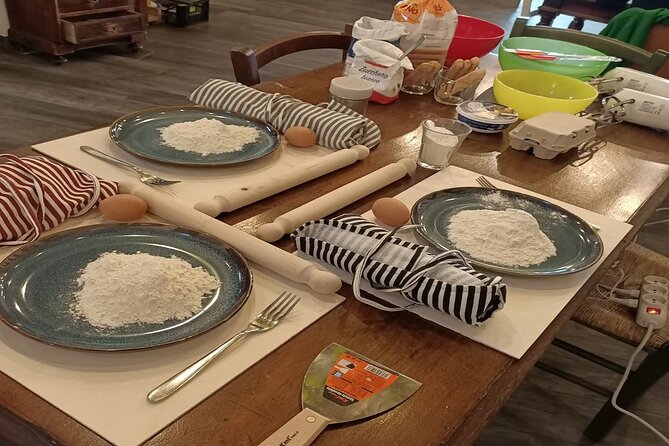
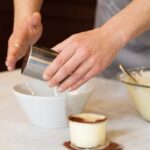
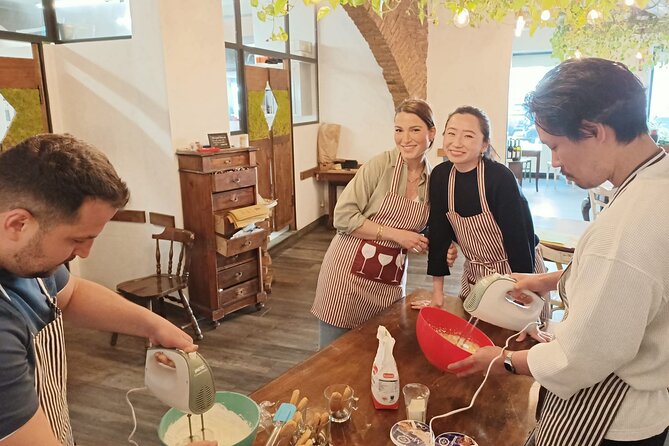
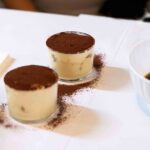
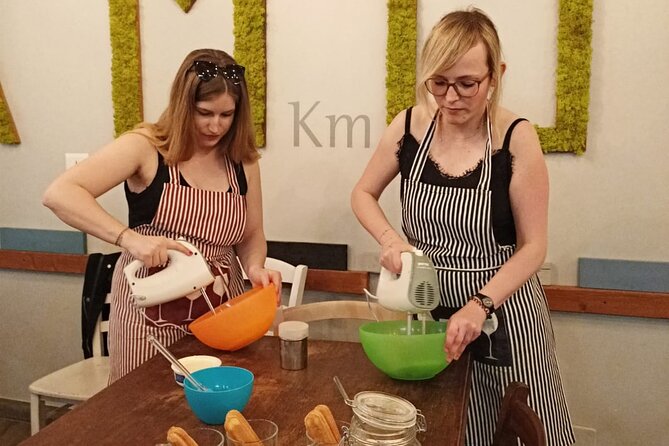
Then you move to dessert: homemade tiramisù. The lesson focuses on layering mascarpone cream, espresso-soaked ladyfingers, and cocoa powder for that classic look and flavor.
What you learn here is mostly technique and timing. Espresso needs to soak just enough to flavor the cookies without turning the dessert watery. Mascarpone needs proper mixing so the cream stays smooth. Layering creates the signature contrast: soft, coffee-kissed texture with creamy richness and a cocoa finish.
If you’ve ever had tiramisù that tasted like it was missing structure, this step-by-step approach helps you understand where it goes wrong. Too much liquid, rushed layering, or uneven cream mixing can flatten the whole dessert. This class is set up to prevent that.
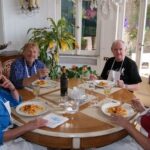
You also eat what you make. One of the nice touches is that your tiramisù is prepared for you to enjoy as your own dessert at the end, while the pasta serving may be more shared.
The instructor touch: Paolo, Jo, and the kind of help that sticks
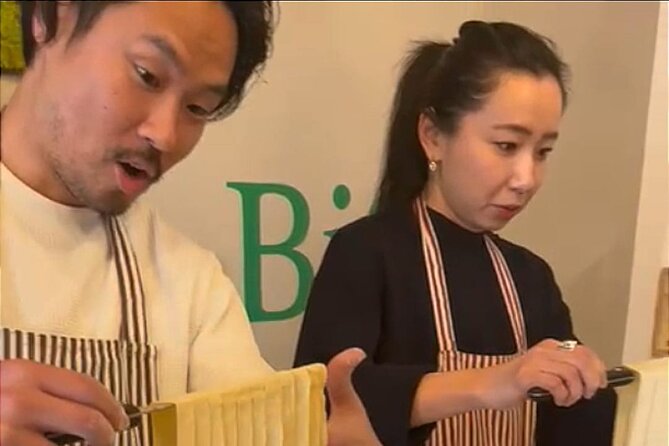
A lot of the class quality comes down to the instructor, and the names that show up here are Paolo (also spelled Paulo in some notes) and Jo.
Paolo is described as articulate and easy to understand, with a sense of humor that keeps the session light even when the pasta dough is being stubborn. In one case, he’s noted as speaking Spanish, English, and Italian fluently, which matters if you want instruction that feels clear without getting lost in translation.
Jo is called out for extra help during the fettuccini making. That’s another reason this class works: you’re not left to figure it out alone when the dough changes texture.
And yes, you might laugh at your own mistakes. Multiple class accounts highlight a friendly teaching style that turns stress into manageable steps. That’s exactly what you want from a cooking lesson, especially if you’re not someone who spends weekends rolling pasta.


Drinks, pace, and what “two hours” really means
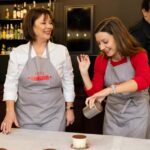
During the cooking process, you can sip a glass of local wine, limoncello, or classic Italian espresso. That’s a nice Rome touch, and it also helps make the class feel like an evening out rather than a formal workshop.
The pace is hands-on and active. Even though pasta and tiramisù seem simple in pictures, dough work takes time and attention. Several people note that making pasta is harder than it looks, which is honest, and it’s exactly why a guided class is worth paying for.
The total time is about two hours. For planning, think of it as a compact experience: you’ll prepare, learn, and then eat your results without burning your whole afternoon.
Group size, photos, and why this feels social in a good way
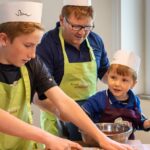
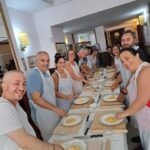
This is capped at a maximum of 15 travelers. A small group changes the entire feel of a cooking class. You’re closer to the action, the chef can see what you’re doing, and you’re not stuck waiting your turn for too long.
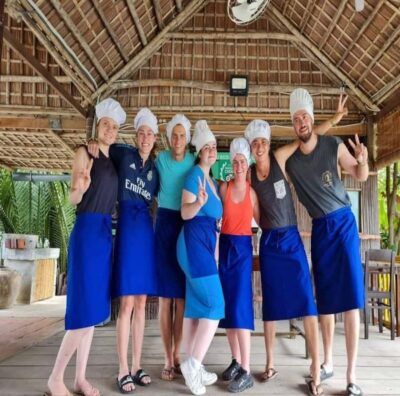
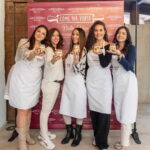
There’s also a social side. One note highlights that the instructor helped take photos of the group, and a couple people mention making new friends in the class. That tends to happen when everyone is doing the same hands-on steps and talking through the same small triumphs and missteps.
This makes the class a solid choice for couples, parent-child outings, and mixed groups. One family-friendly comment included teenagers and adults, with the lesson still feeling engaging.
Price and value: why $107 can make sense here
At $107.06 per person for about two hours, this isn’t the cheapest way to eat in Rome. But value-wise, you’re paying for more than ingredients.
You’re paying for:
- a guided lesson on from-scratch fettuccine work
- hands-on instruction for tiramisù layering
- small-group attention (up to 15)
- the restaurant meal that comes from your own cooking
- recipes to take home
- a certification diploma
If you’ve ever tried to copy pasta techniques from videos at home, you know the difference between seeing the steps and getting real-time corrections on dough consistency or layering thickness. That is where the price starts to feel fair.
Also, the location near the Spanish Steps reduces the cost of time and hassle. You don’t have to spend your energy commuting across town for a short lesson.
Who this class suits best (and who might want something else)
You’ll probably love this class if you:
- want a practical Rome food experience you can repeat at home
- like hands-on cooking over watching demonstrations
- want a small-group setting with real help and a friendly instructor style
- enjoy Italian dessert craft, not just basic sweet tasting
It might be less ideal if you:
- hate any chance of a shared setup for the pasta serving (your tiramisù is personal, but pasta may be communal)
- expect a super-structured, silent classroom vibe (the humor and back-and-forth are part of the teaching style)
- are traveling in a way where even a minor day-of schedule hiccup could throw off your plan (it helps to verify details the day before)
If your goal is a single memorable evening activity that’s also useful, this checks that box.
Should you book this Pasta & Tiramisù class near the Spanish Steps?
I’d book it if you want a high-return experience: you’ll cook two iconic Roman-Italian dishes, learn techniques you can reuse, and eat the results without turning it into a whole-day production. The small group size, the focus on real scratch methods, and the clear instructor support (including Paolo and Jo) make this one of those experiences that feels worth the money.
I’d hesitate only if you’re strongly bothered by shared restaurant serving formats for the pasta, or if you have a very tight schedule where you can’t spare a little flexibility on timing. Otherwise, it’s a smart, central, skill-building plan for Rome.
FAQ
Where is the meeting point for the cooking class?
The class meets at V. della Croce, 34, 00187 Roma RM, Italy, and it ends back at the meeting point.
How long does the class last?
The duration is approximately 2 hours.
Is the class taught in English?
Yes, the class is offered in English.
How many people are in the class?
The class has a maximum of 15 travelers.
What will I make during the class?
You will make homemade fettuccine (pasta) and tiramisù. The sample menu is fettuccine with Roma sauce and homemade tiramisù.
Do I get to eat what I cook?
Yes. After you prepare the meal, you eat what you made.
What drinks are included or offered during the class?
You can sip local wine, limoncello, or classic Italian espresso during the experience.
Is there free cancellation?
Yes. Free cancellation is available. You can cancel up to 24 hours in advance for a full refund.
Do I receive anything to take home?
Yes. You get recipes to take home, and you also receive a certification diploma.