REVIEW · ROME
Pasta and Tiramisù Cooking Workshop in the Heart of Rome
Book on Viator →Operated by iQook Experience · Bookable on Viator
Fresh pasta night in Rome. This small-group class makes it feel doable and fun, not intimidating. You’ll learn two pasta varieties from start to finish, then sit down to enjoy what you made in a modern cooking space near the Opera House area.
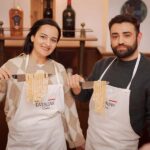
I especially like the six-person cap. It means you get real attention at the bench, not just a demo you watch from the sidelines. And you’re not leaving hungry: the workshop includes a full, home-cooked Italian lunch (your pasta plus tiramisù), with beverages along the way.
One consideration: the class starts at 6:00 pm and runs about 2 hours 30 minutes. If you’re trying to cram in more sightseeing late-day, plan your route so you’re not sprinting across Rome right before cooking time. Also, the chef finishes and cooks your creations—so if you want total control over every second, know that you’ll still be guided through the process rather than working completely alone.
In This Review
- Key Points at a Glance
- How This Rome Cooking Class Fits Into Real Travel Time
- Where You Meet: Via Firenze and a Smooth Start
- What You Actually Make: Fettuccine, Ravioli, and Tiramisù
- Your pasta skills will come in layers
- Entering the Cooking Space: Clean, Organized, and Built for Learning
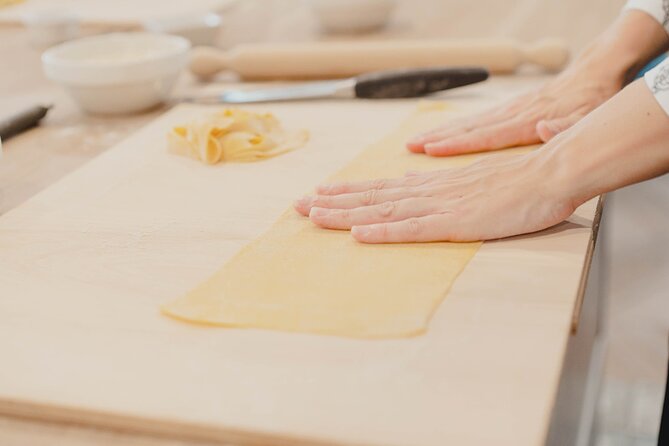
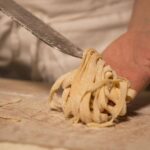
- Fettuccine From Dough to Sauce: The First Win
- Ravioli Practice and the Moment It Clicks
- Tiramisù for Dessert: The Easy-to-Love Finale
- Lunch and Drinks: What’s Included and Why It Matters
- The Chefs You’ll Learn From: Danilo and Agnese’s Teaching Style
- Recipes Afterward: The Real Souvenir
- Price and Value: Is $66.52 a Smart Buy?
- Who This Pasta and Tiramisù Class Is Best For
- Book It or Skip It? My Simple Decision Guide
- FAQ
- What is the duration of the Pasta and Tiramisù cooking workshop in Rome?
- Where is the meeting point?
- What time does the class start?
- Is the workshop offered in English?
- How many people are in the group?
- What dishes will I learn to make?
- Are drinks included during the class?
- Will I receive the recipes after the class?
- What is the cancellation policy?
Key Points at a Glance
- Six-person cap for hands-on help at every step
- Two pasta styles (fettuccine and ravioli) plus classic tiramisù
- Lunch and beverages included, including Prosecco, wine, and limoncello
- English instruction in a modern, clean cooking space
- Recipes sent after class, so you can cook again at home
- Near public transport, easy to fit after a day of sightseeing
How This Rome Cooking Class Fits Into Real Travel Time
This is a practical kind of Rome experience: you get an early-evening start, you cook proper Italian food, and you end with a meal that feels earned. At $66.52 per person for roughly 2.5 hours, the pricing makes sense only if you treat it like an activity that includes food and drink, not a cooking show with snacks.
What makes it especially appealing is the format. You’re not just learning techniques in the abstract. You’re making fettuccine and ravioli, then finishing the day with tiramisù, all within one continuous evening. The result is that you leave with both skills and something to eat right away—two things your trip budget usually doesn’t let you do at the same time.
And because the class is capped at six, you’re more likely to get feedback like fix the thickness, adjust the fold, correct the pinch on the ravioli edge. That’s hard to get in bigger groups.
You can also read our reviews of more tours and experiences in Rome.
Where You Meet: Via Firenze and a Smooth Start
You meet at Via Firenze, 10, 00184 Roma RM. The activity ends back at the meeting point, so you don’t have to worry about figuring out your own transport afterward.
Starting at 6:00 pm is smart for most itineraries. You can spend the late afternoon sightseeing, then switch gears and focus on one “thing” for a couple of hours: dough, sauce, and dessert. It also fits the way Rome evenings often work—dinner soon after.
One more practical note: it’s near public transportation. In a city where getting lost is basically a sport, this matters. You can plan to arrive a little early, settle in, and not stress about missing the start time.
What You Actually Make: Fettuccine, Ravioli, and Tiramisù
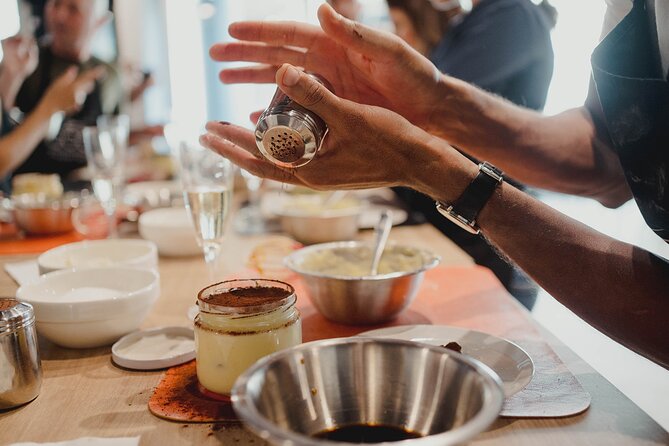
This workshop’s core promise is simple: learn to make two pasta varieties plus tiramisù. The sample menu lists:
- Fettuccine and ravioli (main)
- Tiramisù (dessert)
That trio is the sweet spot for a first-time pasta maker. Fettuccine teaches you dough feel and rolling, while ravioli adds a different challenge: portioning and sealing. Then tiramisù gives you a dessert win that doesn’t require pastry skills—more about timing, texture, and assembly.
Your pasta skills will come in layers
You’ll likely start with a dough base and get guided through shaping. Then you’ll move into portioning and forming. Finally, there’s the payoff phase: cooking and plating with the sauces chosen for your course.
From the way the class is described, the chef and team keep the pace moving while still answering questions. That’s key. When pasta is involved, timing isn’t optional—so you need a steady hand and a clear sequence.
Entering the Cooking Space: Clean, Organized, and Built for Learning
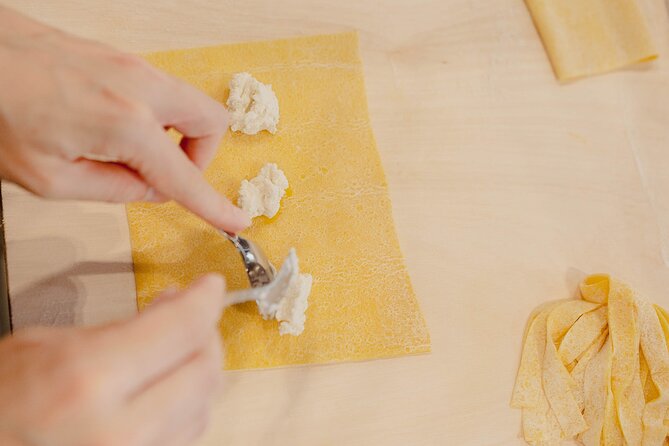
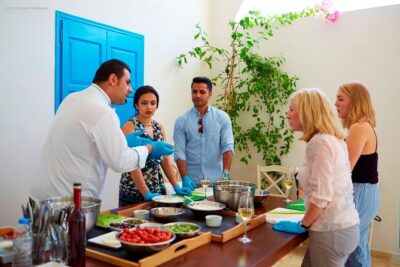
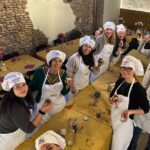
The setup is described as modern and kept very clean. That matters more than you’d think. If the room is messy or cramped, cooking classes become a lesson in frustration. Here, the vibe seems designed for doing the work comfortably.
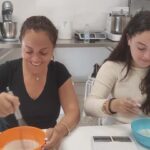
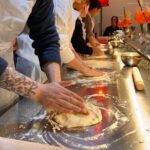
You’ll be in an active workspace, not a demo stage. Expect stations where you can roll dough and assemble ravioli. You also need room to move—hands get floury fast, and you don’t want to be bumping elbows with strangers.
Many people also mention the atmosphere as pleasant and well organized. If you’re coming from a full day of walking, that kind of organization helps you switch into “doing mode” quickly.


Fettuccine From Dough to Sauce: The First Win
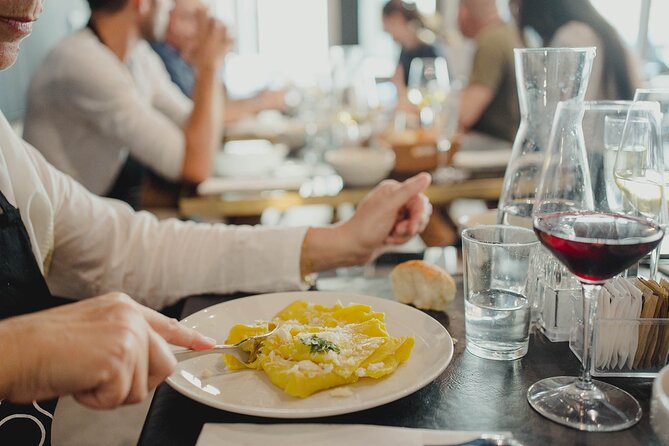
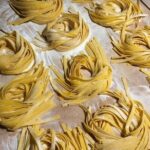
Fettuccine is the pasta that feels like the foundation. It’s also the recipe that helps you understand what “fresh pasta” actually means, because the dough and rolling process is visible.
Here’s what you’ll get out of making it:
- Dough handling: learning how the dough should feel as it’s worked
- Rolling technique: figuring out thickness and consistency
- Pairing with a sauce: you’ll eat it as part of the main course
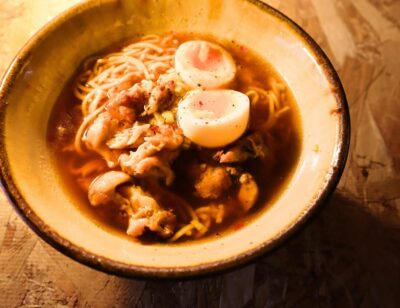
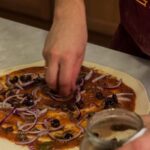
In the menu pairing described, fettuccine is served with a red sauce. Even if you’re not chasing gourmet perfection, red sauce plus fresh noodles is classic and satisfying. It’s the kind of meal that makes you forget you were just rolling dough five minutes earlier.
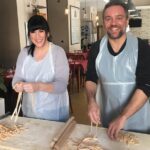
One of the best parts of this style of class is that you’re not stuck watching someone else do it. You’re doing it, then eating it. That creates a direct memory loop: action → result → pride.
Ravioli Practice and the Moment It Clicks
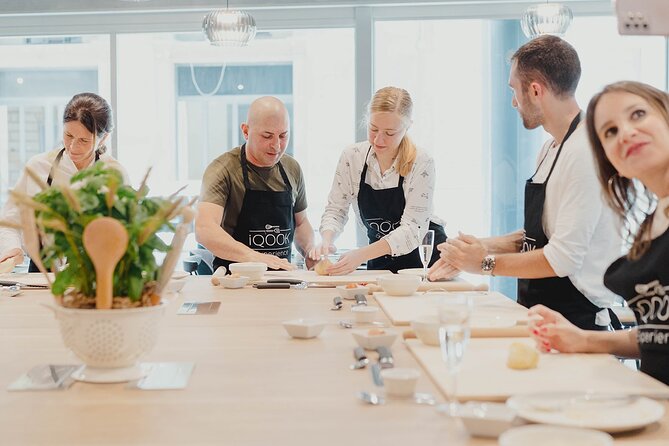
Ravioli is where a lot of people get nervous. The good news is that this class is structured to help you succeed instead of fail theatrically.
Ravioli teaches a few very specific skills:
- Portioning and shaping so pieces cook evenly
- Sealing so filling doesn’t leak
- Getting comfortable with a hands-on workflow
In the experience format, you’ll also get guidance on how to make the process easier. Some instructors are described as making the steps feel straightforward, with help when needed so your ravioli doesn’t turn into pasta confetti.
Ravioli is served with a simple butter sauce. This pairing is smart for a class setting. Butter lets the taste of fresh pasta and filling come through without competing flavors. And it’s forgiving: even if your ravioli edges are not perfectly identical, the meal still tastes like a real dinner.
A small consideration to keep in mind: while you’re making the components yourself, the chef does the cooking. In one case, the pasta was prepared in a way where people couldn’t easily tell which individual piece belonged to which batch. If knowing that level of individuality matters to you, set your expectations that the final cook and plating are part of a shared class workflow.
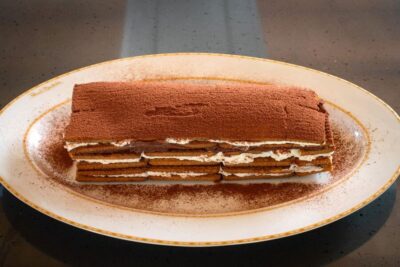
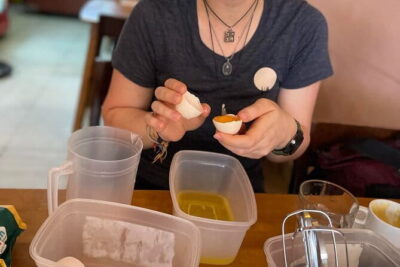
Tiramisù for Dessert: The Easy-to-Love Finale
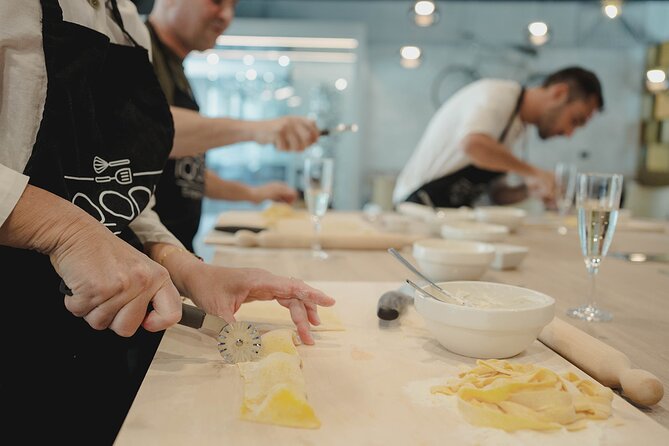
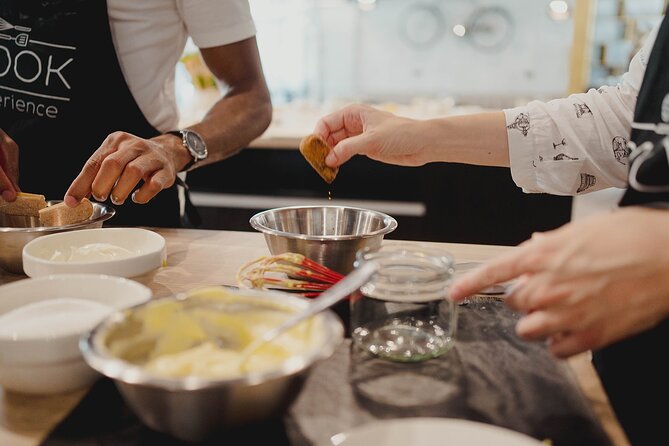
After pasta, tiramisù is the finish line. It’s also the kind of dessert that gives you instant satisfaction. You’re working with a familiar Italian classic, and you get to practice assembling it in a guided way.
The workshop description centers tiramisù as a featured dessert, and reviews point out it lands well—people call it perfect and delicious. The best part about ending with tiramisù is that you’re not leaving hungry or mentally exhausted. You get a sweet reward while the rest of your evening still feels social and relaxed.
If you want to recreate this at home, getting a recipe afterward is a huge plus (more on that next).
Lunch and Drinks: What’s Included and Why It Matters
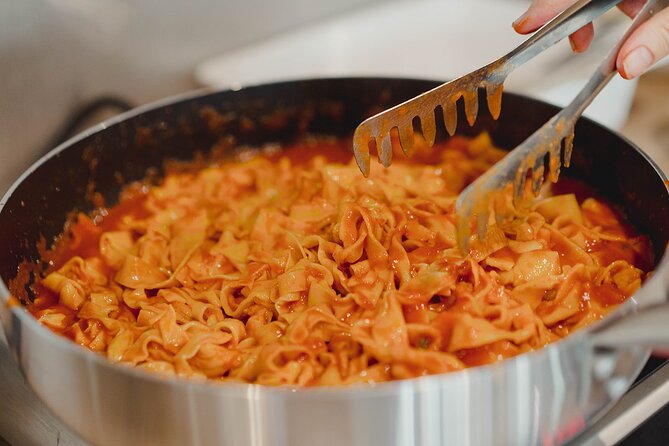
This class isn’t just teaching techniques. It’s feeding you like you’re hosting yourself. The included meal includes the pasta you make and a dessert, plus a range of beverages.
From the details provided, beverages can include:
- Prosecco
- Wine
- Limoncello
- Non-drinking alternatives for those who prefer not to drink
That’s not a small thing. When you book a cooking class in a city like Rome, the best value is when the cost covers both the activity and the dinner you’d otherwise pay for. Here, the meal is part of the experience, which helps justify the price.
Also, small-group cooking tends to slow things down in a good way. You’re cooking, eating, chatting, and getting instruction in real time. It feels less like a timed factory and more like a planned evening.
The Chefs You’ll Learn From: Danilo and Agnese’s Teaching Style
Two names show up clearly in the teaching team: Danilo and Agnese. Different instructors bring different personalities, but the teaching method described stays consistent: patient instruction and practical help.
- With Danilo, people highlight that the process feels easy, with help through the pasta-making steps. Reviews also mention his helpfulness and good pacing.
- With Agnese, people mention a fun, patient style and even extra context about Roman food and regional traditions. Some also note she shares culture and history alongside cooking.
If you’re worried about your skills level, this matters. A good instructor doesn’t just explain—they correct. And because the group is small, you’re far more likely to get individual feedback when something goes slightly off.
Recipes Afterward: The Real Souvenir
One of the most useful perks is that the team sends recipes after the class. Multiple mentions say they come by email afterward.
That turns the workshop from a one-night meal into something you can reuse. If you cook at home even once or twice a year, that follow-up is what makes the experience last beyond your photos.
It also gives you a safety net for memory gaps. Fresh pasta has lots of tiny steps that can be hard to remember word-for-word while you’re flour-covered and hungry.
Price and Value: Is $66.52 a Smart Buy?
Let’s talk value in plain terms. This costs $66.52 per person and lasts about 2 hours 30 minutes, with:
- English instruction
- A small-group setting
- Two pasta varieties made in class
- Tiramisù
- Lunch you eat
- Beverages (including Prosecco, wine, and limoncello mentioned)
- Recipes sent after
If you’d otherwise buy dinner in central Rome plus a paid activity, this can pencil out better than it seems. You’re basically paying for a guided dinner with a hands-on component and an educational payoff. The small group is also a cost driver, and that’s exactly where the quality shows—everyone gets attention.
One more value signal: reviews give it strong marks, with a 5-star rating and many people recommending it. That doesn’t automatically mean it’s perfect for everyone, but it does suggest the format consistently hits the mark.
Who This Pasta and Tiramisù Class Is Best For
This is a strong fit if you want a cooking experience that feels friendly and achievable.
Best matches:
- Beginners who want guided steps without feeling judged
- Couples and small groups who like an evening activity
- Families where kids can participate (there are mentions of children having a blast)
- Anyone who wants a cooking skill plus a real meal
It’s also ideal if you want a break from Rome’s sights that still feels authentic. You’re not just looking at Italy—you’re tasting it, then replicating part of it later.
If you dislike group activities, have a very rigid schedule, or can’t do a 6:00 pm start, it may feel like more hassle than it’s worth.
Book It or Skip It? My Simple Decision Guide
Book this workshop if you want a small, hands-on Rome evening where you leave fed, taught, and with recipes to cook again. The six-person cap, the full menu (fettuccine, ravioli, tiramisù), and the included drinks are what make it feel like actual value.
Consider skipping if you need a daytime activity instead of a 6:00 pm start, or if you’re the kind of cook who insists on total control over every step and hates shared-batch workflows.
If you like practical cooking, classic Italian food, and a calm, organized room where someone helps you succeed, this is the kind of experience that often becomes a trip highlight.
FAQ
What is the duration of the Pasta and Tiramisù cooking workshop in Rome?
It runs about 2 hours 30 minutes (approx.).
Where is the meeting point?
You meet at Via Firenze, 10, 00184 Roma RM, Italy.
What time does the class start?
The start time is 6:00 pm.
Is the workshop offered in English?
Yes, it’s offered in English.
How many people are in the group?
The experience has a maximum of 6 travelers.
What dishes will I learn to make?
You’ll make two pasta varieties from start to finish (fettuccine and ravioli) and also make tiramisù.
Are drinks included during the class?
Yes. The experience includes a range of beverages, and Prosecco, wine, and limoncello are mentioned. Non-drink options are also noted.
Will I receive the recipes after the class?
Yes, the recipes are sent afterward by email, as mentioned in the provided feedback.
What is the cancellation policy?
Free cancellation is available. You can cancel up to 24 hours in advance for a full refund.