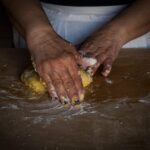
REVIEW · CAGLIARI
Cagliari: Sardinian Cooking Class with Meal and Drinks
Book on GetYourGuide →Operated by Escursì · Bookable on GetYourGuide
Cagliari smells like Sunday lunch. In this 3-hour class, I love how you go hands-on with culurgiones, then sit down to a full meal with local drinks.
My favorite part is the teaching style of Damiano (with his sister). You learn the real technique, not just the recipe, and you get practical tips about common pasta mistakes.
One thing to consider: this is home-style, hands-on cooking, so it’s not the best fit if you want a mostly passive food tour. Also, it isn’t suitable for kids under 7.
In This Review
- Key Things I’d Block Time For
- Why Cagliari Foodies Should Try This 3-Hour Culurgiones Workshop
- Meeting in Cagliari: Where to Find the Class
- Meet Damiano, Meet the Sardinian Sunday-Supper Mindset
- From Resting Dough to a Proper Seal: What You Actually Learn
- The dough stage and getting it right
- The filling stage
- Closing the signature “a spighedda” shape
- From Kitchen Work to the Table: Aperitif, Meal, Wine, Digestif
- Aperitif to start
- The big meal while water boils
- Lunch/dinner: culurgiones plus toppings
- A Price That Makes Sense for 3 Hours of Real Food
- Who This Class Fits Best (and Who Should Skip It)
- Practical Tips Before You Go (So You Enjoy the Class More)
- The Sardinia Details You’ll Carry Home
- Should You Book Cagliari’s Culurgiones Class?
- FAQ
- What will I cook in this class?
- How long is the experience?
- What’s included with the meal and drinks?
- Where do I meet the group in Cagliari?
- Is the class available in English?
- Can the class handle food intolerance or vegetarian needs?
Key Things I’d Block Time For
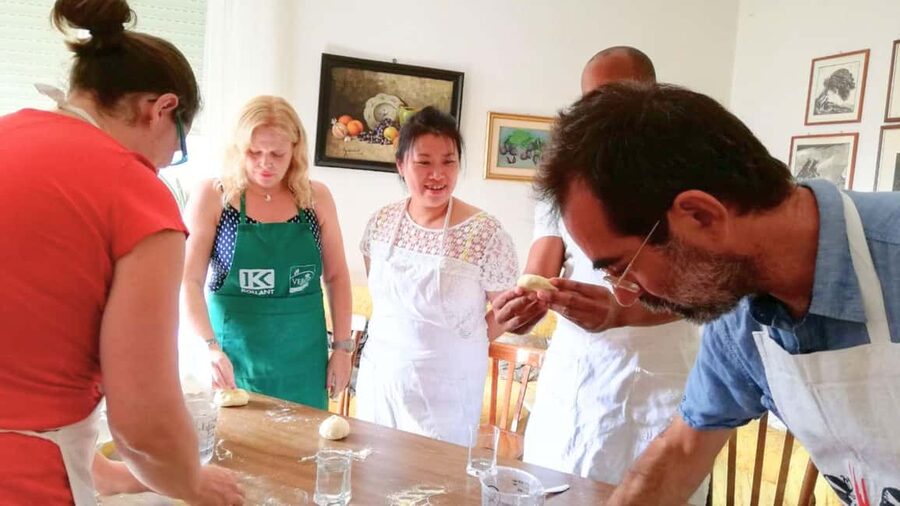
- Jerzu culurgiones, Ogliastra province style: You learn a specific local version, not a generic “Sardinia pasta” story.
- The ear-shaped closure (a spighedda): You’ll work on the signature “spike” finish that makes culurgiones look right.
- Scivedda container setup: You’re taught how to use the container approach for handling the dough.
- A full sit-down meal: You eat aperitif cheeses and cold cuts, then culurgiones with toppings plus wine and digestif.
- Small group (up to 8): You get enough attention to actually improve your sealing and filling.
- Hygiene rules are taken seriously: Hand-washing, aprons, and gloves when needed keep the kitchen comfortable.
Why Cagliari Foodies Should Try This 3-Hour Culurgiones Workshop
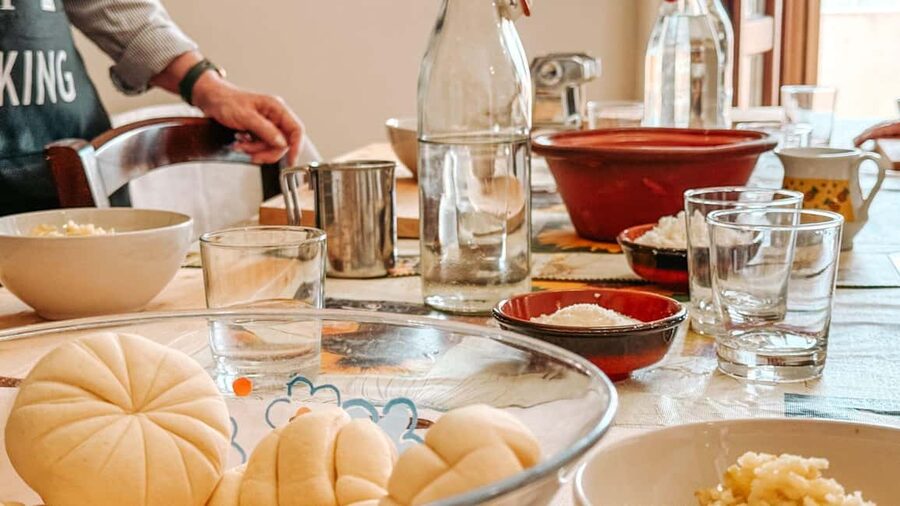
If you only eat Sardinian food on your trip, you’ll miss half the fun. This class is built around making culurgiones the way families do at home, then turning that work into lunch. You’ll be in Cagliari, the south Sardinia capital, learning a dish tied to the Ogliastra area (southeast Sardinia) and its local variations.
I like that the pacing feels human. You’re not rushed through steps, and the lesson includes the “why” behind technique: how the dough behaves, how to seal properly, and what can go wrong when you rush the process. It’s part cooking, part slow-life lesson, and you end up with something you can repeat later at home.
The class is hosted by Damiano and his sister, and if anything happens at the last minute, they’ll be replaced by qualified staff who have taken part in the course. Either way, you’re not left floating.
You can also read our reviews of more tours and experiences in Cagliari.
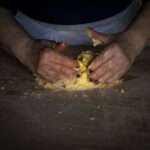
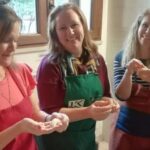
Meeting in Cagliari: Where to Find the Class
The meeting point is in front of ‘Zuzy Café’. That’s useful because Cagliari’s center is easy to get turned around in if you’re relying on guesswork.
Plan to arrive a few minutes early. Small groups mean the host needs a clean start, and once you begin, it moves like a real kitchen routine: hands-on, ingredient-ready, step-by-step.
Meet Damiano, Meet the Sardinian Sunday-Supper Mindset
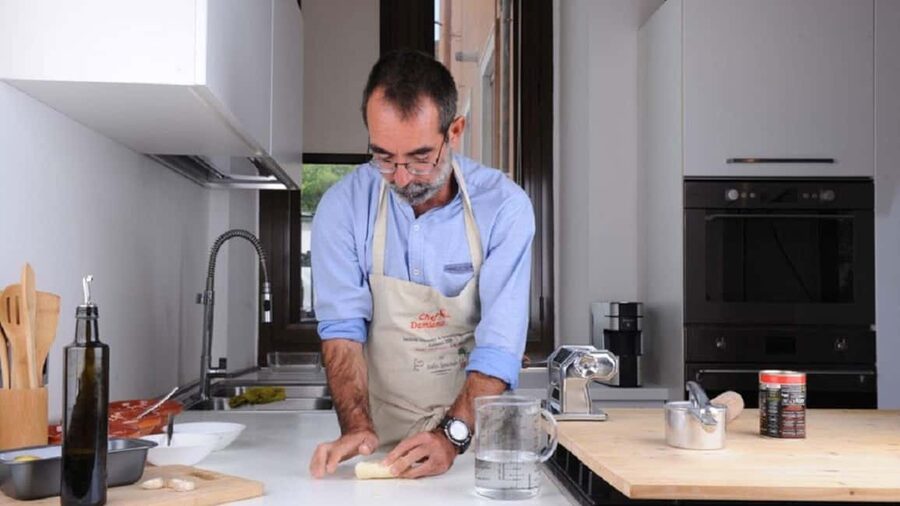
Right away, you’re set up for a home-cooking experience, not a staged demonstration. Damiano teaches the recipe he learned from his grandma since childhood. His approach matters because culurgiones aren’t just “stuff pasta.” They’re a shape + seal + dough texture job.
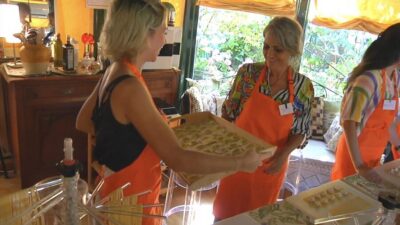
You’ll be given a scivedda container and shown how to prepare the pasta. The point isn’t fancy gear. It’s about workflow: how to handle the dough and keep it workable while you work through the filling and sealing steps.
One practical plus: this class is in Italian and English, so you shouldn’t feel stuck. When you’re learning hands-on technique, being able to ask short questions matters.
From Resting Dough to a Proper Seal: What You Actually Learn
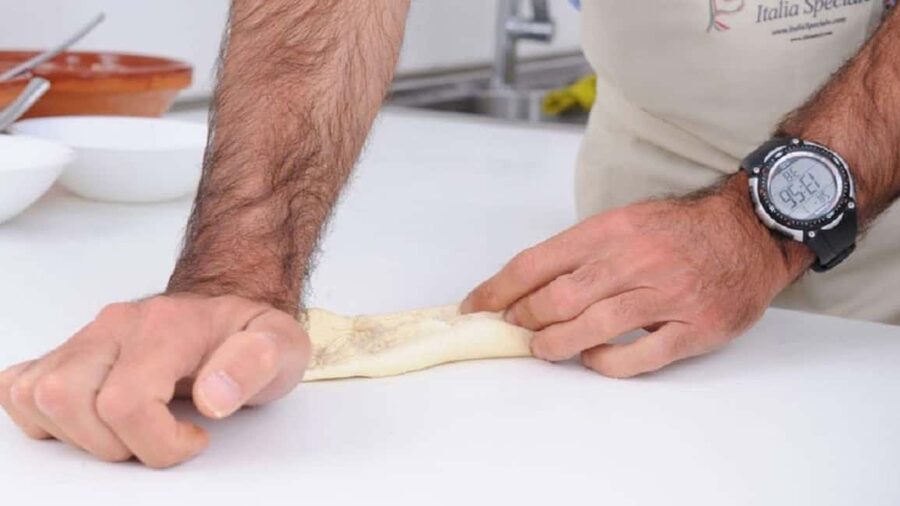
The heart of the class is making culurgiones from scratch. Here’s what the work looks like, in plain terms, and why each step matters.
The dough stage and getting it right
You start with dough that’s been rested before your hands take over. Resting helps relax gluten and makes the dough easier to shape without fighting it. You’ll learn how to process the dough after that.
Then comes the part that makes or breaks the final result: sealing. If your edges aren’t closed well, you’ll end up with filling trying to escape when cooked. Damiano’s teaching focuses on that practical reality, including the common pitfalls people run into.
The filling stage
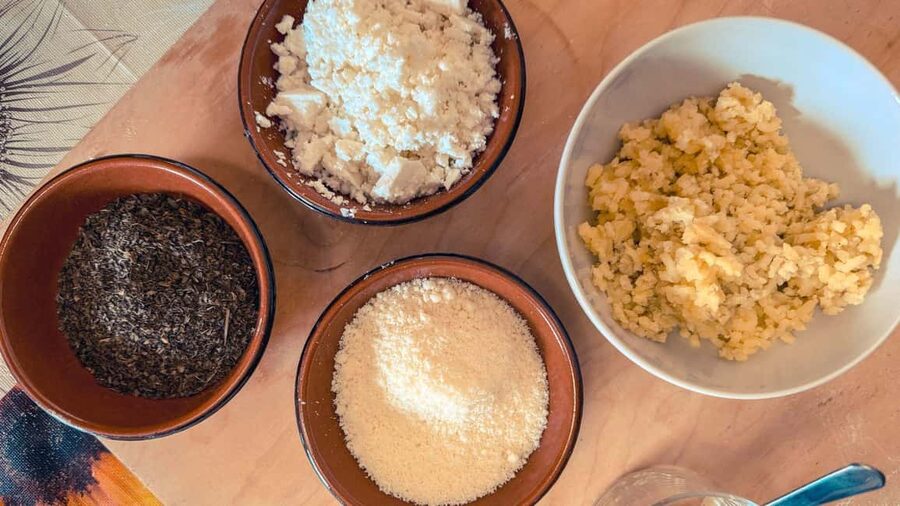
Next, you prepare the filling. The class doesn’t just tell you what goes in. You’re guided through the process so you can feel the right texture. That matters because filling that’s too wet or too loose can make sealing harder.
Closing the signature “a spighedda” shape
Once the dough is shaped, you start the typical closure: a spighedda, the “ear of grain” look. This is the recognizable pattern on culurgiones from the south of Sardinia, and it’s also where your technique gets tested.
You’ll work until you’ve closed the culurgiones in a consistent way. In a small group of up to 8, you can get corrections early rather than discovering problems at the end.
From Kitchen Work to the Table: Aperitif, Meal, Wine, Digestif
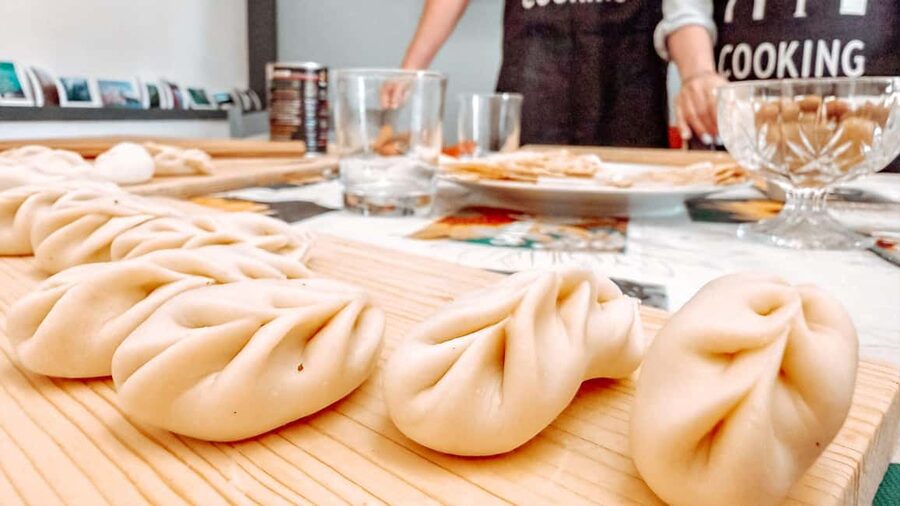
After you finish shaping your culurgiones, you shift from cooking mode to eating mode. Everyone sits down together. That transition is part of why this class feels like a genuine meal with local ritual, not a snack break between photo stops.
Aperitif to start
You begin with an aperitif of local cheeses and cold cuts, plus a glass of wine. It’s a good warm-up because it gets you relaxed and social while the meal prep finishes in the background.
The big meal while water boils
While you eat, the water is boiled for the big meal. That detail tells you something about the pacing: it’s not just about cooking hands-on. It’s also about timing, kitchen rhythm, and letting food get cooked at the right moment.
Lunch/dinner: culurgiones plus toppings
Your culurgiones arrive with 2 toppings. You’ll also get water, wine, and digestif, and dessert rounds things out. Even if you’re not a huge drinker, the digestif is part of how the meal closes in many Italian settings.
What you should expect on your plate is simple and satisfying: pasta you made, cooked properly, then finished with local toppings. This is exactly why the class works better than watching cooking videos later. You learn enough to understand what you’re eating.
A Price That Makes Sense for 3 Hours of Real Food
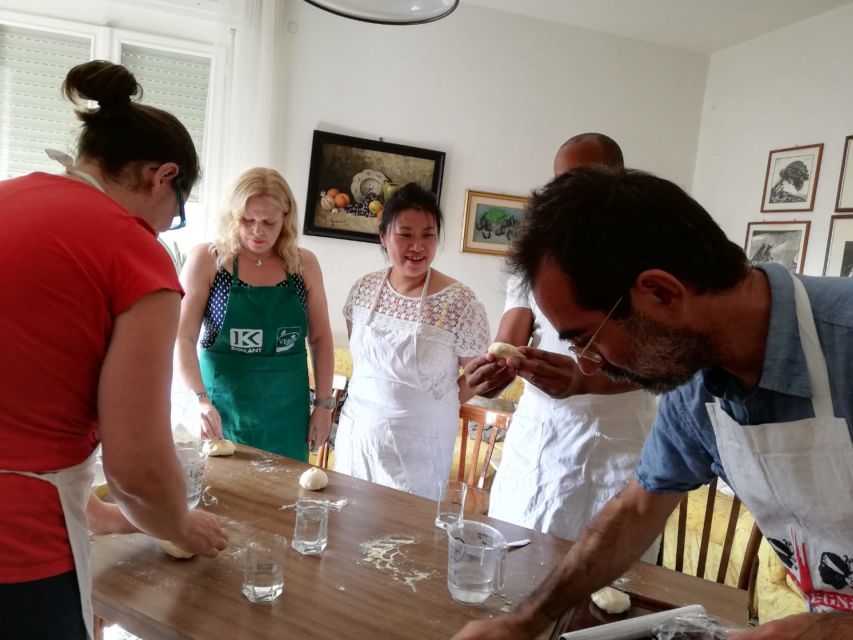
At $105 per person, this isn’t the cheapest thing you can do in Cagliari. But it’s not overpriced in the way “touristic cooking class” can be.
You’re paying for:
- fresh, hands-on instruction with a named host (Damiano and his sister)
- small-group attention (limited to 8 participants)
- ingredients and a full sit-down meal
- drinks included, including house wine and digestif
- a structured cooking experience that ends with what you made
If you compare it to buying pasta ingredients and trying to replicate culurgiones at home, you’re really buying coaching, technique, and the meal experience. You also get something harder to price: confidence. After this, you’re more likely to cook stuffed pasta again because you’ve seen how the dough should feel and how sealing should look.
Who This Class Fits Best (and Who Should Skip It)
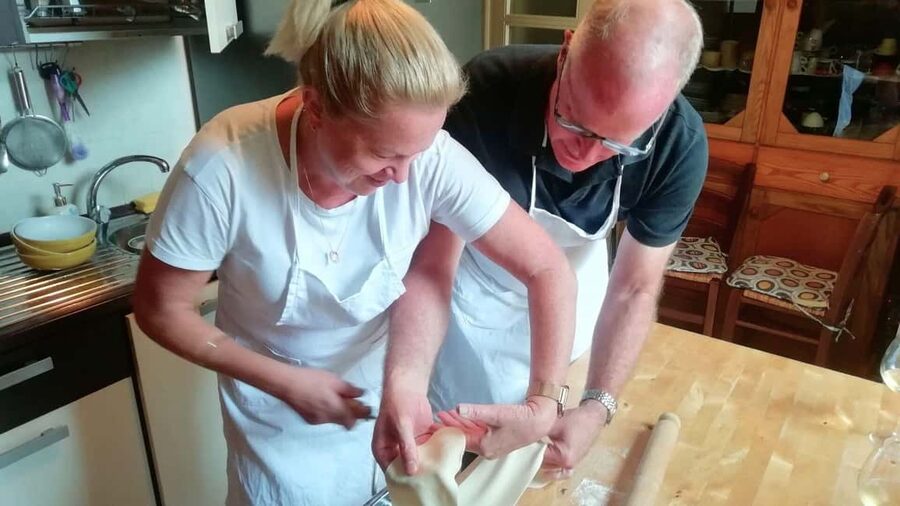
This class fits best if you:
- like cooking and want real technique, not just tasting
- enjoy structured, step-by-step lessons
- want a Sardinian meal that feels tied to family practice
- travel with friends and want a shared activity (small group helps)
You might want to skip it if you:
- want a purely scenic or wandering tour (this is a working kitchen)
- are traveling with kids under 7 (it’s not suitable)
- don’t want to follow kitchen hygiene steps like hand-washing and aprons
Also: pets aren’t allowed, so plan for that if you’re coming with a companion animal.
Practical Tips Before You Go (So You Enjoy the Class More)
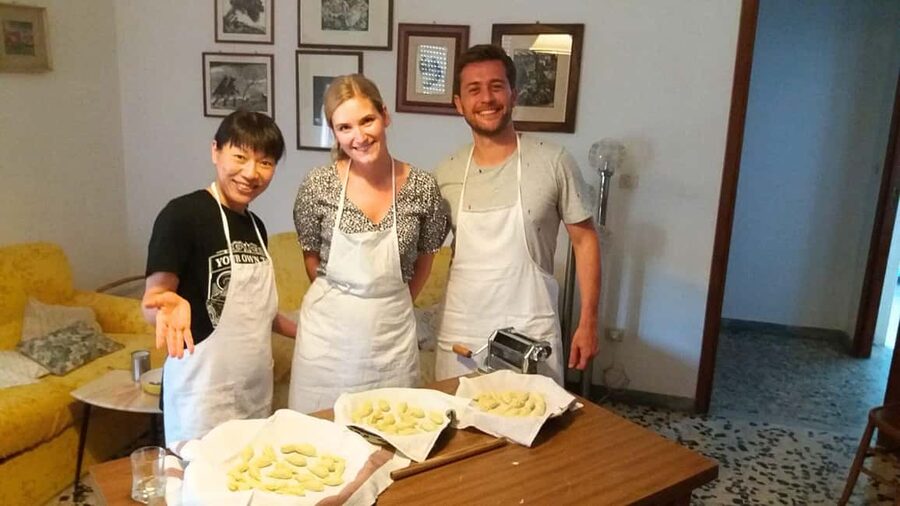
Based on how the class runs, here’s how to make it smoother.
- Expect to wash your hands and wear an apron during prep.
- If gloves are needed, you’ll be asked to use them.
- If you have food intolerance or vegetarian needs, tell the operator. You’ll need to message the number on your booking voucher ahead of time.
- If you want gluten-free or similar adjustments, the class can be accommodating when you notify them in advance. It’s smart to confirm specifics early.
One more mindset tip: culurgiones take patience. If you treat it like a sprint, your sealing will suffer. If you treat it like a hands-on craft, it becomes fun fast.
The Sardinia Details You’ll Carry Home
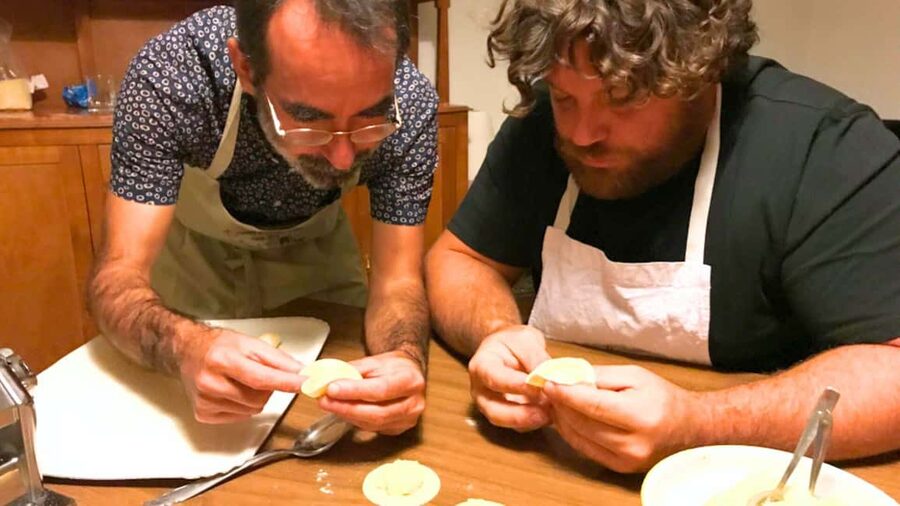
This isn’t just a “learn pasta” class. You’re learning the local identity behind it.
You’ll hear how culurgiones recipes vary by county across the Ogliastra province. In this workshop, the focus is on the town of Jerzu. That matters because it explains why one version of culurgiones might look a little different from another.
You’ll also learn a traditional closing method, plus simplified sealing options. That gives you flexibility: you can aim for the full “a spighedda” look, or you can take the techniques home in a way that still works.
And the biggest takeaway is the recipe taught like a family habit. Damiano’s story is that his grandma made culurgiones on Sundays and holidays with the whole family. That’s the energy you’re cooking with.
Should You Book Cagliari’s Culurgiones Class?
I’d book it if you want one standout food experience where you do the work and then eat what you made. The small group, the named hosts, and the specific Jerzu/Ogliastra connection make it feel grounded, not generic.
You should also book it if you’re the type who learns better with your hands than with a screen. The payoff is immediate: you finish shaping, sit down, and taste a full meal with wine, digestif, and dessert.
Skip it if you’re looking for a passive tour or you’re traveling with a small child under 7. Also, if you have strict dietary needs, don’t wait. Message ahead so the team can plan around it.
FAQ
What will I cook in this class?
You’ll learn to prepare Sardinian culurgiones, including the dough handling, the filling, and the typical closing shape known as a spighedda.
How long is the experience?
The class lasts 3 hours.
What’s included with the meal and drinks?
You’ll have an aperitif with local cheeses and cold cuts, then a full meal featuring culurgiones with two toppings, served with water, house wine, digestif, and dessert.
Where do I meet the group in Cagliari?
Meet in front of ‘Zuzy Café’.
Is the class available in English?
Yes. The live guide provides instruction in Italian and English.
Can the class handle food intolerance or vegetarian needs?
You should message the number on your booking voucher in advance to notify any intolerances or vegetarian needs. The team can be accommodating when you give them details ahead of time.