REVIEW · PISA
Pisa: Private Home-made Pasta Cooking Class
Book on GetYourGuide →Operated by Pasta Spazzavento · Bookable on GetYourGuide
Roll your own pasta near Pisa’s olive groves. This private class turns a simple bowl of noodles into a full-on, hands-on morning or afternoon: you’ll knead and shape dough in a family farmhouse and then sit down to taste what you made with local wine and farm-grown ingredients. I especially like the farm-table meal feel, and the practical pasta technique guidance that makes the whole thing more than just watching someone else cook.
One thing to consider: the farm is about 15 to 20 minutes outside Pisa, and the experience runs about 4 hours, so plan your day around it. Also, since pickup locations are confirmed after booking, you’ll want to be ready to meet where they tell you.
You’ll get instruction in English, Italian, French, or Russian, and the vibe is clearly family-run. In multiple accounts, hosts like Helena and Giacomo are front and center, and you might even meet Dario while learning the steps.
In This Review
- Key highlights you’ll actually feel
- Why this Pisa pasta class feels different than a standard cooking tour
- Getting to the farm: pickup from Pisa and that olive-grove drive
- Welcome drinks and the setup for hands-on cooking
- Pasta from scratch: kneading, shaping, and the points that actually matter
- While the dough rests: optional farm tour and garden-to-table moments
- The main event: cooking, tasting your pasta, and eating like you mean it
- Drinks, dessert, and the Tuscan flavor mix you’re getting
- Price of $147.27 per person: what you’re really paying for
- What to wear, what to bring, and what to expect in the timing
- Who this class suits best (and who might want something else)
- Should you book this Pisa homemade pasta class?
- FAQ
- How far is the farm from Pisa?
- How long is the pasta cooking class?
- What do I cook and what do I eat?
- Is wine included?
- Is there a farm tour during the class?
- Do I get anything to take home?
- What languages are available?
- Can I pay later or cancel if plans change?
Key highlights you’ll actually feel
- Hands-on pasta from scratch in a family farmhouse setting
- Personal guidance as you knead, roll, shape, and build confidence
- Farm stroll (optional) while the dough rests, plus garden herb and vegetable picking
- Local food and drink included, with complimentary wine, coffee, and water
- 3-course meal built around your pasta, then a sweet local dessert
- Take-home recipe cards so you can recreate your pasta later
Why this Pisa pasta class feels different than a standard cooking tour
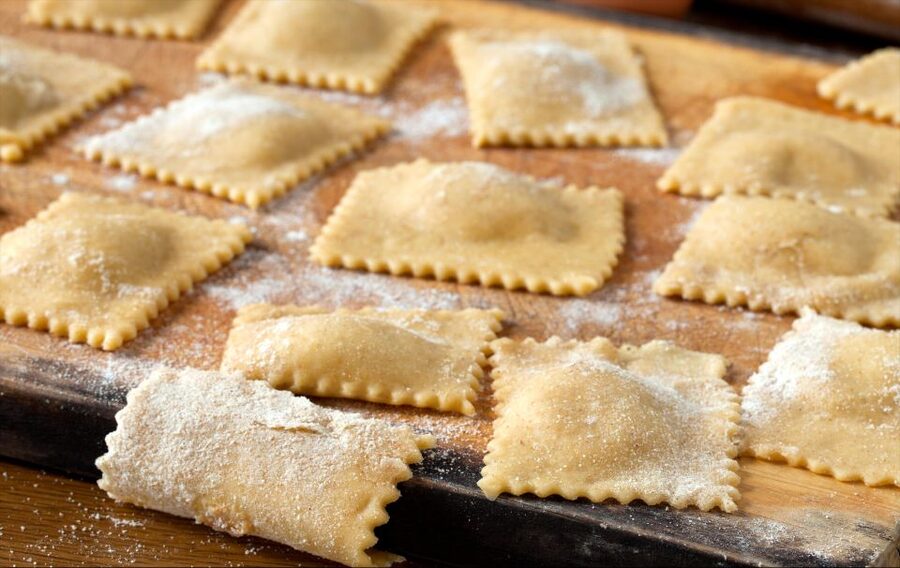
This isn’t one of those fast, crowd-style “you watch, then you eat” experiences. The point is to get your hands dirty with dough, then enjoy it right away with the people who taught you. That order matters. Learning the motions of pasta-making first helps you understand why the finished texture matters once it hits the pot.
I also like how the meal is treated as part of the lesson, not a random add-on. You cook, you taste, and you connect the ingredients to what’s happening on the table. Even the simplest tasks—choosing herbs from the garden or tasting the local sauce—make sense because you’re using them for your own pasta.
If you want something relaxed and personal, this kind of private group format works well. It’s easier to ask questions when the class isn’t squeezed between other groups and a schedule that’s moving too fast.
Getting to the farm: pickup from Pisa and that olive-grove drive
Your day starts with transfers. You’ll get pickup from your local accommodation, then it’s a short drive—about 15 minutes—to the farmhouse outside Pisa (typically in the 15–20 minute range). From the setup, it sounds like they confirm the exact pickup point after booking, and your driver will meet you at a meeting location they message you with.
That drive is more than logistics. Once you’re away from the city, the pace slows, and you’re surrounded by the olive grove environment that the class is built around. Several accounts mention a ride where hosts share context along the way, which is a nice way to get oriented before you start cooking.
A small practical note: because the meeting point is confirmed later, don’t schedule something right before pickup. Leave a little buffer so you’re not rushing to catch the car.
Welcome drinks and the setup for hands-on cooking
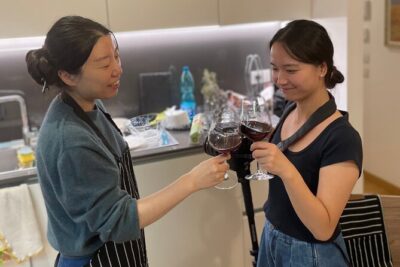
When you arrive, you’ll start with welcome drinks—local wine plus refreshments—so you’re comfortable before flour hits the counter. The class is designed to keep things friendly and manageable, especially since you’re doing the work yourself.
You’ll also get a sense of the flow right away: dough-making first, a rest, and then cooking and tasting together. That timing helps. If you’re new to pasta, the rest period is useful because it gives you time to learn without feeling like you’re fighting the clock.
Also, the instruction team can work in multiple languages (English, Italian, French, Russian). That matters more than it seems. When you can understand the little details—like how dough should feel or why shaping technique affects sauce pickup—you’ll enjoy the results more.
Pasta from scratch: kneading, shaping, and the points that actually matter
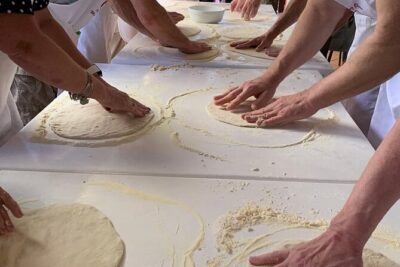
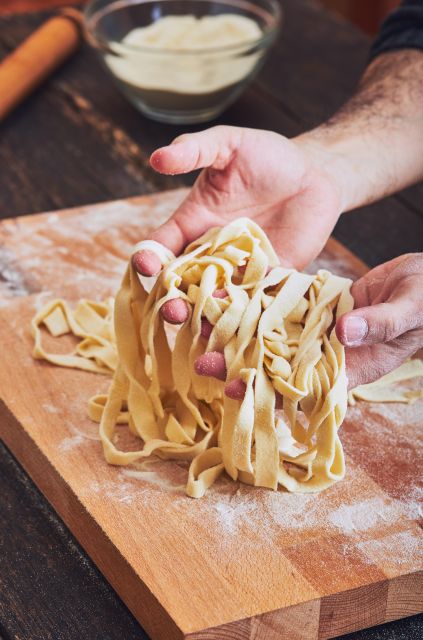
The core experience is hands-on pasta making. You’ll roll up your sleeves and learn the process, following a chef demonstration and then doing the steps with personalized assistance. The goal is simple: make pasta you can taste with confidence.
Here’s what this typically involves in practice:
- Kneading the dough until it reaches the right feel
- Rolling and shaping, using the techniques taught during the demo
- Getting help when your dough behaves differently than you expect (it can, especially if ingredients and room conditions vary)
The value here is that you’re not just making a dish. You’re learning a method. That’s why so many people praise the patience and clarity of the teaching. When someone slows down and corrects your technique early—before it becomes frustrating—the class turns into a fun project instead of a floury struggle.
And because it’s a family farm setting, you’re usually cooking with ingredients and tools that make sense for traditional preparation. You’ll also see how the pasta step connects to everything after it, including the sauce and the way you’ll share the meal.
While the dough rests: optional farm tour and garden-to-table moments
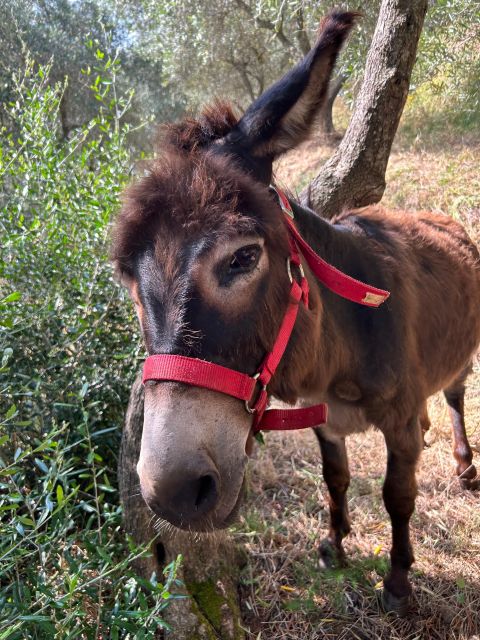
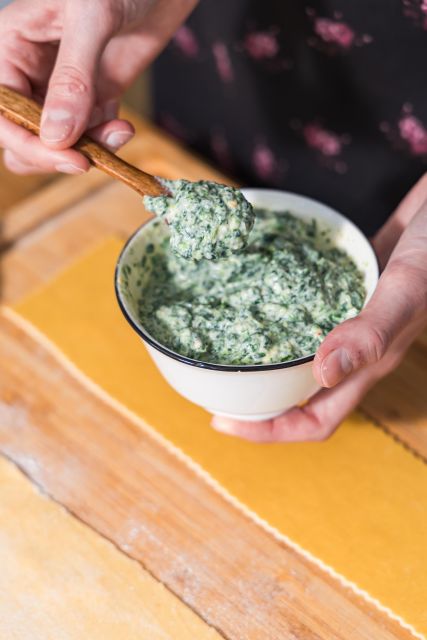
As the dough rests, you have an optional tour of the farm. This is where the olive grove setting becomes more than a backdrop. You’ll stroll through olive farm and gardens, and you can pick fresh items—herbs, vegetables, and other ingredients—from the garden to use in your pasta sauce.
This is a small moment that changes the whole experience. Picking herbs means you’re not just eating “Tuscan flavors.” You’re eating something you handled. Even if you’re not a big gardener, it helps you notice scent and flavor in a more direct way.
If you prefer to keep things strictly cooking-focused, you can skip the tour. The class is structured so you won’t fall behind; the tour happens during downtime while dough rests.
Wear comfortable shoes for this part. It’s a farm area, and you’ll want stable footing even if the walk is easy.
The main event: cooking, tasting your pasta, and eating like you mean it
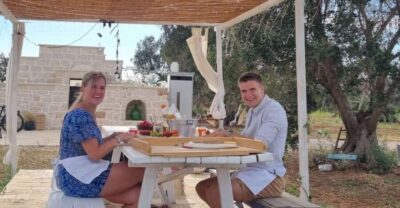
Once your pasta is ready, you’ll gather around the table as it cooks. Then comes the part you’ve been working toward: you enjoy the pasta you made with the sauce of the day and local wine. This is also where the experience becomes social in the best way—shared food, shared effort, and conversation that feels natural.
The class includes a full meal set:
- Starter
- Main course featuring your pasta
- Dessert
There’s also mention of appetizers served at the start of the meal sequence in some accounts, which suggests you’re eating in stages rather than just a single plate delivered right after cooking. Either way, plan on leaving full.
A bonus that many people appreciate: you’re not left with a vague memory of the day. You get recipe cards and tips to recreate the pasta dishes at home. For me, that’s the difference between a fun day-trip and something you can actually use.
Drinks, dessert, and the Tuscan flavor mix you’re getting
The included drinks are straightforward: complimentary wine, coffee, and water. Because it’s included, you don’t have to do the usual vacation math in your head while you’re trying to enjoy the meal.
The food side focuses on local Italian flavors, including products from the farm. You’ll also finish with a local sweet treat (dessert) at the end. This matters if you’re the type who wants the whole meal arc—salt, sauce, and then something sweet to close the day.
One caution: if you’re very sensitive to alcohol, or you prefer not to drink wine, it’s still helpful to know the class includes wine. You can likely take a smaller amount, but the experience is clearly designed around wine during the meal.
Price of $147.27 per person: what you’re really paying for
At $147.27 per person for a 4-hour experience, it isn’t the cheapest activity in the Pisa area. But the price makes sense if you care about doing the work and eating well.
Here’s the value math in plain terms:
- You get transfers to and from your accommodation
- You get all pasta tools and ingredients
- You get a full meal (starter, main, dessert)
- You get complimentary wine, coffee, and water
- You get take-home recipe cards
Most cooking experiences either stay instruction-light or cut the food budget. This one ties the learning to a full table experience, and it’s hosted in a real family farmhouse context with local farm ingredients. That’s why it feels “worth it” for many people: you leave with both food memories and skills you can repeat.
If you’re traveling solo, the cost might feel steep compared to group classes. But as a private group experience, you’re paying for attention, pacing, and hospitality.
What to wear, what to bring, and what to expect in the timing
The practical stuff is simple:
- Bring comfortable shoes
- Bring comfortable clothes
- Expect a hands-on cooking block that will involve flour and standing around the cooking area
The total duration is 4 hours, but your actual start time depends on availability. Pickup is included, and the meeting/drop-off points are flexible based on where you’re staying.
Because pickup is part of the schedule, try not to schedule a tight dinner plan right afterward. You’ll likely want time to digest, especially since the meal includes starter, main, and dessert plus wine.
Who this class suits best (and who might want something else)
This is a strong choice if you:
- Want an authentic, family-style food experience outside the city center
- Like hands-on activities where you actually make something
- Prefer a private setting where you can ask questions
- Want a full meal that’s included, not just a small tasting
It might be less ideal if you:
- Only have a short window and can’t spare about 4 hours
- Want to focus entirely on Pisa sights and not drive out to the countryside
- Don’t like farm walking or being in a working-home environment
That said, the class is designed to be relaxed and welcoming, so it’s not a “performance” workshop. It’s practical learning with good food at the end.
Should you book this Pisa homemade pasta class?
If you’re after a day in Tuscany that mixes cooking skills with real hospitality, I think this is an easy yes. You’re not just eating pasta—you’re learning how to make it, then enjoying it as part of a full starter-to-dessert meal with wine and garden ingredients.
Book it if you want a private, hands-on class in a family farmhouse setting outside Pisa, and if you’ll appreciate the countryside pace. Skip it if you’d rather spend every minute in central Pisa, or if you can’t make the 4-hour block fit your schedule.
Either way, bring comfy shoes, arrive ready to get involved, and treat the day like a meal you’re invited into—not just an activity you’re ticking off.
FAQ
How far is the farm from Pisa?
Pickup is from your local accommodation, and the drive to the farmhouse is about 15 minutes. The farm is roughly 15–20 minutes outside Pisa city center.
How long is the pasta cooking class?
The experience lasts 4 hours. Starting times vary by availability.
What do I cook and what do I eat?
You’ll learn to make pasta from scratch, then you’ll eat your pasta with the sauce of the day. The included meal includes a starter, a main, and dessert.
Is wine included?
Yes. Complimentary wine is included, along with coffee and water.
Is there a farm tour during the class?
There’s an optional farm tour while the dough rests. You can stroll through the olive farm and gardens and pick herbs and vegetables from the garden for the sauce.
Do I get anything to take home?
Yes. You’ll receive recipe cards and tips so you can recreate the pasta dishes at home.
What languages are available?
Instruction is available in English, Italian, French, and Russian.
Can I pay later or cancel if plans change?
Yes. You can reserve now and pay later, and you can cancel up to 24 hours in advance for a full refund.