REVIEW · MOSHI
Private Market Tour and Tanzanian Cooking Class in Moshi
Book on Viator →Operated by Traveling Spoon · Bookable on Viator
A private trip to a Moshi kitchen beats any restaurant meal. Start at the market with William and the family, then cook in a mud house using a traditional setup. You’ll make staples like coconut milk and ugali, and share the meal outside with the whole household.
I love how this tour feels hands-on without being staged. You’re not just watching food get made—you’re getting taught the steps, including grating coconuts and working the cornmeal until it turns into the right texture.
One thing to consider: it’s a real home kitchen with wood fire cooking. If you’re picky about heat, rough edges, or rustic hygiene standards, plan for a more down-to-earth experience than a polished cooking studio.
In This Review
- Key things to know before you go
- Why this Moshi cooking class feels more real than a restaurant
- Moshi market stop: fresh choices, local talk, and smart tastings
- Shida’s mud house: coconut milk the traditional way with the buzi
- The coconut milk step (and why it matters)
- Vegetable and stew building blocks
- Ugali at the wood fire: mastering the cornmeal staple
- What makes ugali tricky
- Why wood fire changes the experience
- The outdoor meal: ugali with peanut brittle and homemade alcohol
- What to expect on the plate
- Why eating outside is a big deal
- Private format, timing, and why 5.5 hours works well
- Price and value: what $86 buys you in Moshi
- Who should book this cooking class, and who might pass
- Should you book this Private Market Tour and Tanzanian Cooking Class in Moshi?
- FAQ
- What is included in the private market tour and cooking class?
- How long does the experience last?
- Does the tour offer pickup in Moshi?
- Is this tour private or shared?
- What will I learn to cook?
- Is there alcohol included with the meal?
- What is the cancellation policy?
Key things to know before you go
- Market time with William to select ingredients and sample local foods
- A one-hour practical class focused on coconut milk and ugali
- Traditional coconut milk setup using a wooden grinder seat (buzi)
- Wood-fire ugali skills where timing and technique matter
- Family-style meal outdoors with peanut brittle and homemade alcohol
- Pickup and drop-off in Moshi so you can show up and focus on the food
Why this Moshi cooking class feels more real than a restaurant
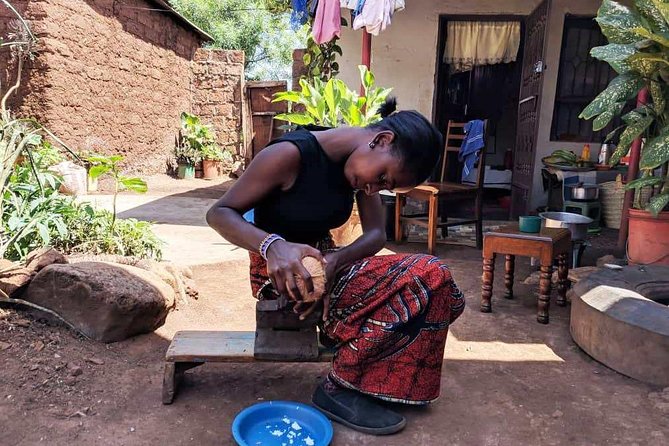
In Moshi, the food story doesn’t start on a plate. It starts at the market, when ingredients are still tied to the day’s routine—what looks good, what’s available, and what families actually use.
What makes this experience special is the shift from shopping to cooking to eating, all in one flow. You go from vendor chatter to grating coconuts, then to sitting down with Shida, Marissa, William, and the rest of the family outside the house. That single arc helps you understand Tanzanian cooking as a living system, not a performance.
Also, the private format matters. When it’s just your group, you can ask questions, move at a comfortable pace, and get more direct help with techniques that can be tricky—especially ugali.
Moshi market stop: fresh choices, local talk, and smart tastings
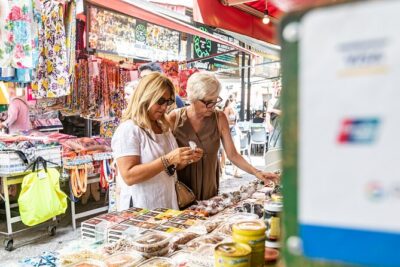
You start with pickup from your Moshi hotel, then head to the local market. This isn’t a quick drive-by. You walk through stalls with your hosts, learning how they think about ingredients for Tanzanian cooking.
A market tour in this part of Tanzania is a fast lesson in what goes into everyday meals. You’ll see fruits, vegetables, aromatic herbs, and staple ingredients chosen based on freshness and how they’ll be used later in the day.
One practical benefit: you’ll get to understand what to look for if you ever cook at home. For example, herb freshness and the condition of produce can matter more than you’d expect once you’re the one preparing the meal.
The hosts also point out favorite vendors and help you gather what you’ll need for the cooking class. In the same spirit, you get chances to taste market items—some past participants mention trying fruit and even dried sardines. That’s not just snack time; it’s how you get your taste buds oriented to local flavor and texture.
Quick tip: come with a normal appetite. You’ll be tasting along the way, but the main meal is still coming.
Shida’s mud house: coconut milk the traditional way with the buzi
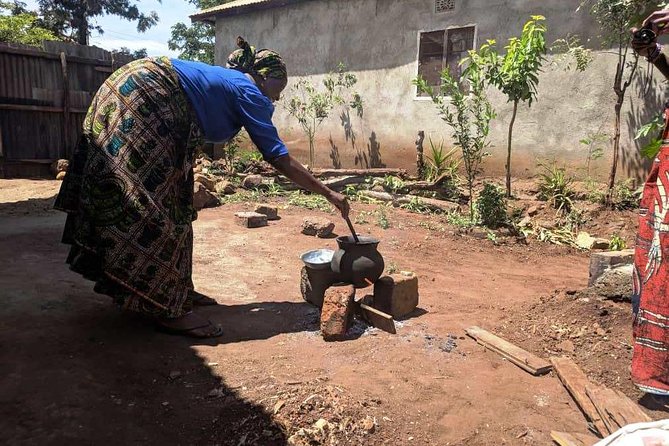
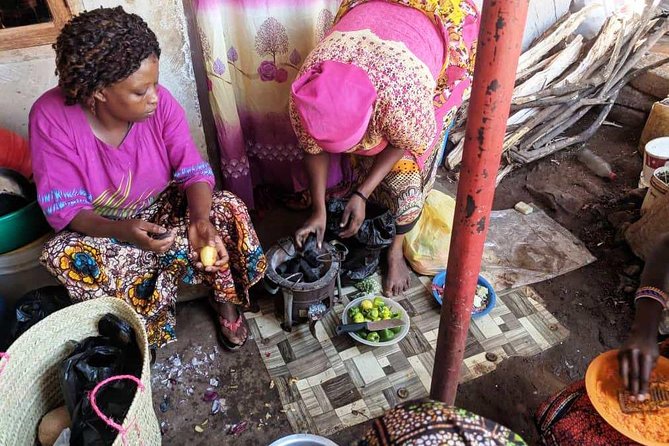
After the market, you head to Shida’s home, about 20 minutes away. Depending on the day, you may take a walk or use a tuk-tuk—either way, you’re moving from the busier public world into a family space.
The cooking class itself lasts about one hour and focuses on two big skills: making fresh coconut milk and setting up the base flavors for vegetable and stew-style dishes. This is where the tour really earns its keep. It’s not “chef theatre.” It’s method.
The coconut milk step (and why it matters)
You’ll grate coconuts, then use a traditional wooden grinding seat called a buzi to shave coconut meat. That shaved coconut becomes the heart of the coconut milk, made the way the household would do it rather than how a modern kitchen might.
This part is a wake-up call if you think coconut milk is just a can you open. Fresh coconut milk changes everything: aroma, body, and how it carries flavors from vegetables and spices.
It also slows you down in a good way. You’ll learn that the process is physical. Your hands do real work, and that helps you understand why certain recipes taste the way they do back home.
Vegetable and stew building blocks
Once the coconut milk is made, your class ties it to actual Tanzanian cooking. Coconut milk becomes the base for dishes you can expect to see in the home kitchen—especially vegetable plates and stews. Even if you don’t cook the full stew during the class, you’ll get the logic behind the flavor foundation.
What to watch for: if you prefer very fast, low-effort cooking, this step may feel like a workout. That’s also why it’s memorable.
Ugali at the wood fire: mastering the cornmeal staple
Next comes ugali, Tanzania’s cornmeal staple. You’ll prepare it over a wood fire, which is part of what makes this feel distinct from most cooking classes you’ll find elsewhere.
Ugali sounds simple—cornmeal and water, basically—but it’s not. The process depends on technique and timing, and Shida takes pride in teaching it the family way. You learn the art side: how the mixture comes together and what texture you’re aiming for.
What makes ugali tricky
Here’s the thing: ugali can go from perfect to wrong quickly. Too little stirring, wrong heat, or timing that’s off can affect the final consistency. Cooking ugali forces you to pay attention, not just follow steps.
That’s one reason I think food tours like this are better than passive activities. When you cook ugali, you’re practicing a local skill. It’s not just tasting; it’s learning how a staple gets made in real households.
Why wood fire changes the experience
Cooking on a wood fire adds a “live” element. Heat isn’t as uniform as a stove with controlled burners, so you naturally learn to respond. It’s also why the class feels grounded—this is how meals get cooked daily, without fancy equipment.
If you’re heat-sensitive, plan for it. Wood fire kitchens can feel warmer than you expect, especially in a mud house with an open cooking area.
The outdoor meal: ugali with peanut brittle and homemade alcohol
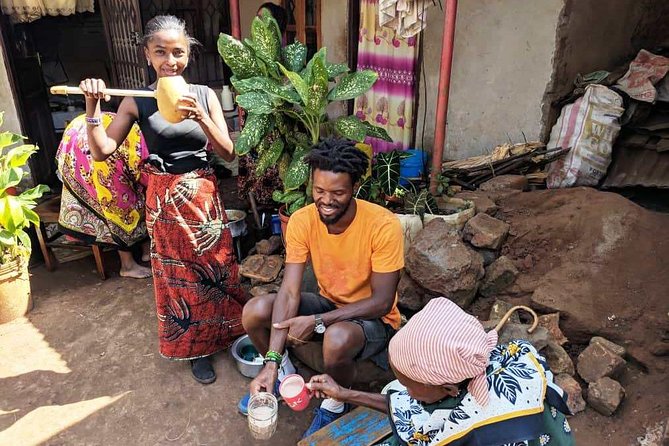
After cooking, you sit down and eat together outside the house on benches. This is an important part of the experience, not just a reward for finishing the class.
You’ll have ugali served with vegetable dishes, and the meal includes peanut brittle plus homemade alcohol. That combination tells you a lot about Tanzanian hospitality: the meal is communal, and drinks are part of the social rhythm, not a separate add-on.
What to expect on the plate
Ugali is the anchor. It’s eaten alongside vegetables and coconut-based dishes that bring richness and spice structure to the meal. The coconut milk you made earlier isn’t “just a side step.” It connects directly to what you taste.
The peanut brittle adds a sweet crunch that balances the savory meal, and the homemade alcohol gives the whole thing an extra social dimension.
Why eating outside is a big deal
Outdoor dining changes the feel of the experience. You’re not tucked into a dining room. You’re in the yard, within household life. It makes the tour more than a cooking class—it becomes a window into daily routines.
One more reason I like this setup: it keeps the pace realistic. You’re not rushing to serve plates and clear tables for the next group. You’re eating like a guest.
Private format, timing, and why 5.5 hours works well
This experience runs about 5 hours 30 minutes from pickup to drop-off. That’s a sweet spot. Long enough for market, cooking, and a full meal, but not so long that it bulldozes your day.
Because it’s private, only your group participates. That reduces waiting time and makes the market and cooking sections feel more personal. It also makes questions easier. If you’re curious about why an ingredient matters, you’re more likely to get a direct answer.
Pickup and drop-off at your Moshi hotel is a big convenience win. It matters here because you’re visiting a local home environment. You’ll want to arrive calmly, not stressed about transport.
Timing reality check: plan this for a time when you’re not racing to something else. Once you’re eating outdoors and sharing drinks, you’ll naturally linger.
Price and value: what $86 buys you in Moshi
At $86 per person, the cost isn’t low. But it can make sense if you compare what you’re actually getting.
You’re paying for:
- Market guidance and ingredient selection
- A hands-on class with a traditional coconut milk method
- Cooking over a wood fire with instruction from Shida’s household
- A full sit-down meal with peanut brittle and homemade alcohol
- Hotel pickup and drop-off in Moshi
Many food experiences charge similar prices but give you less direct participation. Here, you’re grating coconuts, learning coconut milk production, and working with cornmeal to make ugali. That’s skill-building, not just tasting.
It also helps that the tour can include group discounts when applicable. If you’re traveling with friends or family, that can soften the per-person cost.
If you’re in Moshi mainly as a stop before Mount Kilimanjaro, this tour can be a strong way to spend time that isn’t about trekking gear. You get a memory that’s not dependent on weather or trail conditions.
Who should book this cooking class, and who might pass
You’ll probably love it if you want more than a meal. This is for people who enjoy:
- Seeing ingredients firsthand in a real market
- Learning staple cooking techniques
- Asking questions and chatting with locals
- Trying home-cooked flavors in a family setting
It’s also a great fit if you like practical cultural experiences. You’re not just observing; you’re doing the work that turns ingredients into food.
You might skip it if:
- You dislike rustic environments or wood-fire cooking conditions
- You’re sensitive to heat and hands-on physical tasks
- You want a highly structured, restaurant-style class flow
That said, the friendly family atmosphere is the point. If you come with respect and a flexible mindset, it tends to feel welcoming rather than intimidating.
Should you book this Private Market Tour and Tanzanian Cooking Class in Moshi?
Yes, if you want an authentic Moshi experience that connects the market to the meal. The private format, the traditional coconut milk process using the buzi, and the ugali practice over a wood fire are the kind of details you don’t get from a typical food tour.
Book it especially if you’re spending time in Moshi around Kilimanjaro and want your day to feel like part of local life, not another checklist stop. The hotel pickup and drop-off also make it an easy choice when you’re trying to keep your schedule sane.
If you’re very heat-sensitive or uncomfortable with a home-kitchen setting, consider that before you commit. Otherwise, this is one of those rare experiences where learning and eating happen in the same room, with the same people.
FAQ
What is included in the private market tour and cooking class?
You visit a local market with your hosts to see and select fresh ingredients, then head to their home for a hands-on cooking class. You also enjoy a family-style meal with drinks afterward.
How long does the experience last?
The tour lasts about 5 hours 30 minutes.
Does the tour offer pickup in Moshi?
Yes. Pickup and drop-off are offered at your Moshi hotel.
Is this tour private or shared?
It’s private. Only your group participates.
What will I learn to cook?
You’ll learn to make fresh coconut milk the traditional way and make ugali, a cornmeal staple.
Is there alcohol included with the meal?
The meal includes homemade alcohol.
What is the cancellation policy?
Free cancellation is available. You can cancel up to 24 hours in advance for a full refund.