REVIEW · BODRUM
Cooking Class in Authentic Etrim Village
Book on Viator →Operated by Onelli Travel · Bookable on Viator
One of the best food days near Bodrum. Cooking in Etrim Village means you’re working with local ingredients, olive oil, and villagers in a home-style setting, not a demo kitchen. I like that the day combines village visits with cooking tasks, and you’ll learn how dishes fit into Aegean life.
What I really love is the focus on practical village cooking and using what’s grown nearby. You’ll see how things like fresh veg, figs, vine leaves, and wood-fire bread connect to the meal you eat. I also love that the menu can be adapted, so vegetarians are welcome.
One possible drawback: the class can feel more like shared kitchen help than a strict step-by-step lesson throughout. If you need constant English guidance for every hands-on moment, you’ll want to be ready to ask questions and slow down during the rolling stages.
In This Review
- Key highlights worth planning for
- A village cooking day you can feel in your hands
- The drive from Bodrum to Etrim: practical, not complicated
- Village tour first: homes, daily life, and a mosque visit
- In the kitchen: mezes, dolma-style rolling, and wood-fire bread
- Starters: mezes like Turkish tapas
- Main dishes: stuffed pepper and vegetable pie
- The repetitive part: vine leaves and big batches
- Bread and wood-fire moments
- Lunch in an authentic home: seasonal veg and real olive oil
- What diets can realistically expect
- English support and the most common friction points
- Price and value: why $59.64 can make sense here
- Who this Etrim cooking class suits best
- Should you book this Bodrum-area cooking day?
- FAQ
- How long is the Cooking Class in Authentic Etrim Village?
- What’s included in the price?
- Are vegetarians welcome?
- Is the tour offered in English, and is it private?
- Does lunch include alcohol?
- Where do we meet in Bodrum?
Key highlights worth planning for
- Etrim Village, village-first day with a local guide from the same community
- Mezes-style starter learning, like Turkish tapas
- Lots of hands-on rolling and prep, including vine leaves and bread dough moments
- Wood-fired elements: some food and bread are prepared with fire from the kitchen
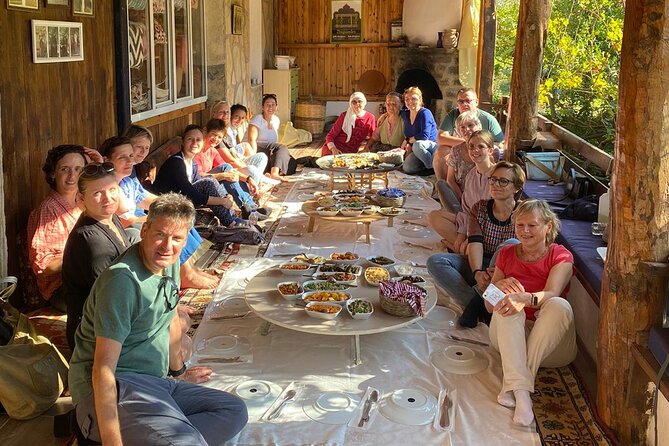
- Lunch served in a village home setting, using seasonal produce and local olive oil
A village cooking day you can feel in your hands
If your Bodrum trip is leaning toward beaches and late dinners, this is the counterbalance: a half-day that smells like olive oil, wood smoke, herbs, and warm bread. You’re not just tasting Turkish food. You’re participating in the work that turns local ingredients into dinner-table dishes.
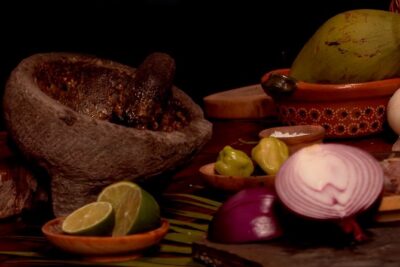
Etrim is close enough to Bodrum to make it easy, but far enough that the rhythm changes. The day is built around the idea that Aegean food is seasonal and practical. You’ll hear (and see) how village kitchens use what’s available all year: vegetables and herbs grown locally, olives and olive oil, figs, and vine leaves.
And you’re doing it alongside villagers, not in front of a chef with a safe distance. That’s why this kind of tour feels personal, even when you’re traveling with a group.
You can also read our reviews of more tours and experiences in Bodrum.

The drive from Bodrum to Etrim: practical, not complicated
Pickup starts at the Bodrum meeting point by the boat-tour office area in Umurca, Üçkuyular Cd. No:7 D:1b, 48400 Bodrum. From there, you’ll travel in an air-conditioned vehicle, and the guide is part of the experience, not just the ticket holder.
The time goal is about 6 hours total. That matters because you want to plan your day around it. If you’ve booked a late hamam or a dinner reservation that assumes you’ll be back by a certain hour, give yourself a buffer. Half-day cooking tours can run tight, and village kitchens don’t move like restaurants.
One other practical note: shoes matter. You’ll likely be on mixed surfaces around the village and in and out of kitchen spaces. Comfortable footwear keeps the day more enjoyable.
Village tour first: homes, daily life, and a mosque visit
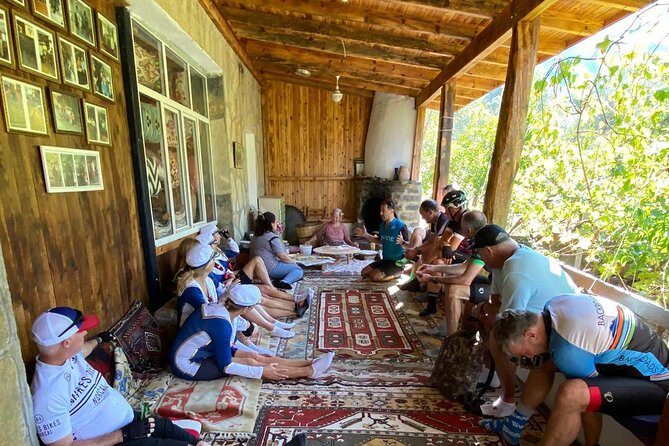
Before the cooking starts, you get a village introduction. The guide brings you around the area, sharing how people live and how village traditions carry on. You may visit houses to understand daily life past and present, and you can even step inside a mosque that’s different from what you’re used to in the city.
This part is more than a photo stop. It gives context for the food. Turkish village cooking isn’t one “signature dish.” It’s a system: growing, preserving, sharing labor, and using what the season provides.
Some days also include time where you notice other crafts linked to village life. You might see references to carpet makers during the broader village interactions, which helps explain how skills and patience run through the community, not just the kitchen.
In the kitchen: mezes, dolma-style rolling, and wood-fire bread
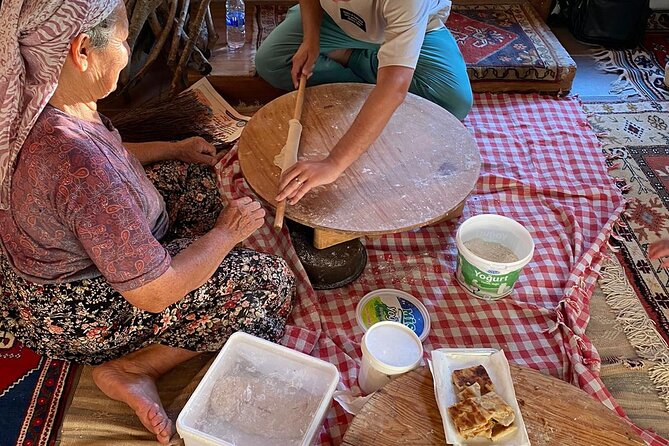
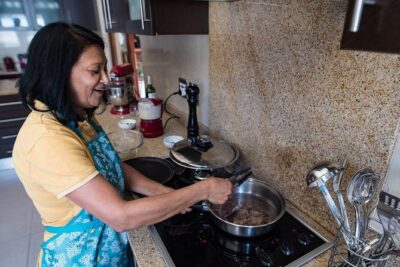
Now for the part that makes this tour worth it. The cooking is built around several tasks that repeat the real work of Turkish kitchens. You’re not just watching. You’re grating, stirring, rolling dough, shaping fillings, and learning the rhythm of a meal made from scratch.
Starters: mezes like Turkish tapas
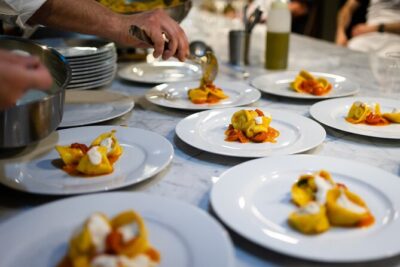
For starters, the example menu includes 4–5 mezes, taught as a group process. Think of these as the Turkish version of tapas: small plates that help you pace the meal and show off different ingredients and techniques.
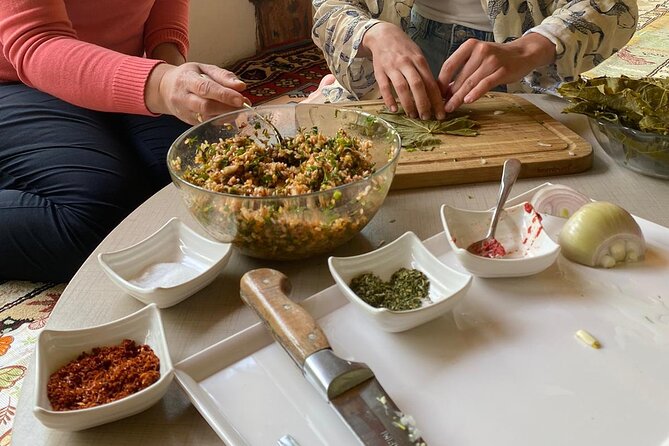
You might do prep tasks that include chopping, grating, and mixing, depending on the day’s menu. Some guests report doing jobs like grating carrots and stirring pots, and the point is learning the flow of cooking rather than only learning one perfect dish.
Main dishes: stuffed pepper and vegetable pie
The sample mains include stuffed pepper and vegetable pie. These dishes are great for a class because they teach you the logic of fillings and the way Turkish meals balance hearty and fresh flavors.
Stuffed peppers tend to be about learning the filling texture and portioning. Vegetable pie teaches how vegetables become something cohesive, not separate side dishes. Expect some hands-on shaping and assembly.
The repetitive part: vine leaves and big batches
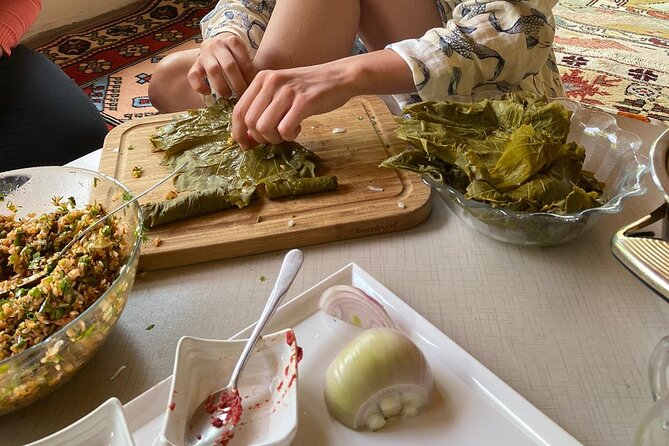
A big theme in the hands-on experience is rolling. You may roll vine leaves (dolma-style) and other dough-based items. One practical takeaway: this can involve making a large number of rolls in a single session, so you should expect repetitive motion and a longer time spent on technique.
If you’re someone who wants constant, precise English coaching, plan to stay engaged and ask the guide or translator to show the correction steps. When translation is inconsistent during hands-on moments, it can be awkward, because the fix is usually visual and quick.
Bread and wood-fire moments
At some point, you should get to see bread prepared in a wood-fired way, and you may even help with parts of the dough. Rolling bread dough and baking it over fire is one of the most memorable parts of this day, because it connects village food to tools and heat that haven’t changed much over generations.
Even if you don’t control every step, it’s the kind of moment you’ll remember when you’re eating at home. The flavor difference is real.
Lunch in an authentic home: seasonal veg and real olive oil
After the cooking, you eat what your day has produced, plus what the kitchen prepares for a full meal. Lunch is served in a village setting where the food is treated like a shared event, not a buffet line.
In the village meal you’re looking at:
- Seasonal fresh vegetables, prepared by locals
- Dishes using natural olive oil
- A spread that reflects what’s available from gardens and nearby fields
The lunch is served family-style in many cases, which changes the mood. Instead of one person holding a plate and posing for photos, you settle into the slow, social pace that village meals are built for.
You’ll also drink soft drinks, coffee or tea, and bottled water is included. Wine or beer may be part of the lunch experience depending on the day, but alcoholic beverages are listed as not included. Translation: you can enjoy village flavors, and if you want alcohol, you should be ready to pay separately.
What diets can realistically expect
This isn’t just a generic “we can do vegetarian.” The course is described as tailorable for different diets, and vegetarians are welcome. That’s a big deal if you travel with someone who doesn’t eat meat.
That said, village menus still revolve around what’s growing and what the kitchen can cook in one session. If you have a strict allergy or a very specific restriction, confirm it ahead of time so you’re not left with a partial plate.
The good news is that Turkish village cooking includes plenty of olive-oil vegetables, herb-heavy sides, pies, and mezze-style spreads that can adapt well.
English support and the most common friction points
The class is offered in English, and you should get a local guide to help connect the village and the kitchen. In some cases, the guide may move between groups or step in to interpret at key moments, and the cooking helpers may teach without speaking much English.
That’s not a deal-breaker for most people, but it is the main “watch out” for this style of tour. The skill is often in hands-on technique, and you’ll learn faster if someone stays close to correct your rolling, portioning, and shaping.
If you care most about technique learning, bring a simple strategy:
- Ask for a quick demonstration before you start a new task
- Pay attention to how the guide corrects the shape and size
- Don’t hesitate to ask what ingredients go into fillings before you begin
Also remember: this is a half-day experience, so it will naturally cover just a slice of Turkish cooking.
Price and value: why $59.64 can make sense here
At $59.64 per person for about 6 hours, the value is in what’s included: a local guide, an air-conditioned vehicle, bottled water, coffee/tea, lunch, soda/pop, and the whole village setting. You’re also getting ingredient sourcing that’s described as coming from the village and neighborhood gardens and vineyards.
Is it a bargain compared to a city cooking demo? Usually no. But village cooking classes tend to cost more because you’re paying for community labor, ingredients sourced nearby, and the time it takes to cook and serve.
Here’s how to judge value for yourself:
- If you want hands-on rolling and wood-fire bread moments, the price feels fair.
- If you only want to eat and would be happy with a restaurant meal plus a short tour, you may feel under-delivered on “cooking” time.
Given the format, I’d call it good value for people who like learning by doing, not people who want a cookbook-style lesson with every exact recipe written down.
Who this Etrim cooking class suits best
This is a strong fit if you:
- Want a break from Bodrum’s resort rhythm
- Like eating what you help make
- Enjoy village life, olive-oil food, and seasonal ingredients
- Travel with family and want a shared activity
It can also work well as a solo or couple experience because the village kitchen tasks create natural interaction. Plus, it’s private for your group, so you’re not mixed with random strangers in a way that can reduce attention.
If you’re a serious home cook who needs constant, detailed technique instruction, consider whether you’d rather spend more time on a longer program. The provider notes that real chef training is offered via 6- or 9-month courses, which hints that the half-day format is more about shared learning than full culinary schooling.
Should you book this Bodrum-area cooking day?
Book it if your goal is to leave Bodrum with more than photos. You want olive-oil flavors, fresh seasonal produce, and the satisfaction of making mezze and mains that feel like they belong to the Aegean.
Skip it or rethink your expectations if:
- You need uninterrupted English translation for every second of hands-on work
- You’re expecting a strict, step-by-step chef-style lesson with detailed ingredient breakdowns at all times
- You mainly care about sitting down for a meal rather than cooking tasks
For most food-minded travelers, though, this hits the sweet spot: village context + hands-on cooking + lunch in a home-style setting. If that sounds like your kind of day, you’ll likely feel it was time well spent.
FAQ
How long is the Cooking Class in Authentic Etrim Village?
The experience is listed as approximately 6 hours.
What’s included in the price?
Included are a local driver/guide, bottled water, coffee and/or tea, lunch, soda/pop, and an air-conditioned vehicle.
Are vegetarians welcome?
Yes. The course notes that vegetarians are welcome and that menus can be tailored to suit a wide variety of diets.
Is the tour offered in English, and is it private?
Yes, it’s offered in English. It’s also described as a private tour/activity, meaning only your group participates.
Does lunch include alcohol?
The tour listing says alcoholic beverages are not included, though the meal may be served with local wine or beer or soft drinks depending on the day. Soft drinks are included.
Where do we meet in Bodrum?
The start point is at Umurca, Üçkuyular Cd. No:7 D:1b, 48400 Bodrum/Muğla, Türkiye near the Bodrum tour/boat tour office area, and the tour ends back at the meeting point.