REVIEW · PISA
Private Cooking Class at a Cesarina’s Home in Pisa
Book on Viator →Operated by Cesarine: Cooking Class · Bookable on Viator
A home kitchen in Pisa beats another pasta factory on rails. This private cooking class with a Cesarina gives you a 4-hour, hands-on look at Pisan flavors, from fresh pasta choices to classic Tuscan dessert, plus regional wine. You also get a small take-home souvenir gift, which makes the evening feel more like you brought a piece of Pisa home.
I really like the focus on food you can connect with right away: you’ll taste a starter, fresh pasta, and a typical dessert, and you’ll do it seated with the rhythm of a real dinner. I also like the personal feel—your group only—and the fact it’s offered in English. One consideration: this is a home-based experience, so you’ll want to show up on time and follow the host’s sanitary rules and spacing (especially if there are other households around).
In This Review
- Key highlights worth planning for
- Inside a Cesarina’s Pisa home kitchen
- The 4-hour flow: start with starter, then fresh pasta, then dessert
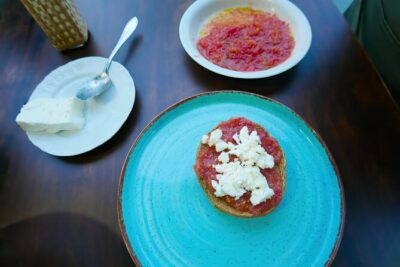
- Starter: a seasonal start that sets the tone
- Main: fresh pasta and classic Pisan choices
- Dessert: Tuscan classics and choices you can recognize
- Wine with the class: small tasting moments that teach the region
- What you learn: the secrets behind famous Pisan dishes
- Your host experience: attentive, careful, and focused on safety
- Pricing and value: what $174.23 gets you in Pisa
- How to plan it with Pisa sightseeing
- Who this class suits best
- Should you book this private Pisa cooking class?
- FAQ
- How long is the private cooking class in Pisa?
- What does it cost per person?
- Is this a private tour or shared group?
- What language is offered for the class?
- What dishes will we sample during the class?
- Is wine included?
- Where do we meet, and where does it end?
- Is free cancellation available?
Key highlights worth planning for
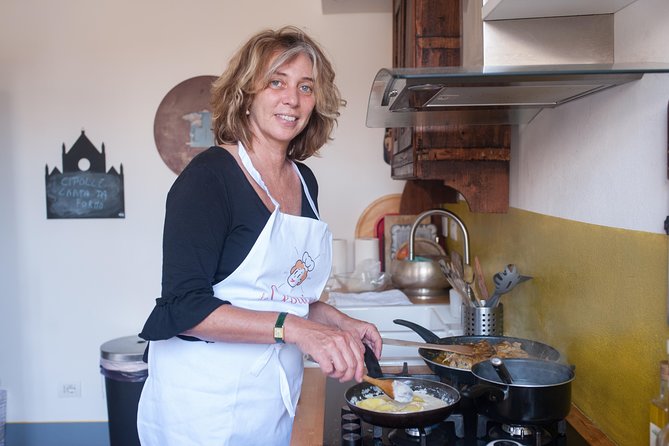
- Private dinner setup in a Cesarina’s home, only your group included
- Three-course tasting: starter, fresh pasta, and a Tuscan-style dessert
- Regional wine tasting with your meal, plus possible extra drinks like lemoncello in some classes
- Pisa-specific dish options such as spaghetti with arselle clams or chickpea pasta choices
- Hands-on learning of the secrets behind famous Pisan dishes, not just watching
- Take-home souvenir gift to remember the night
Inside a Cesarina’s Pisa home kitchen
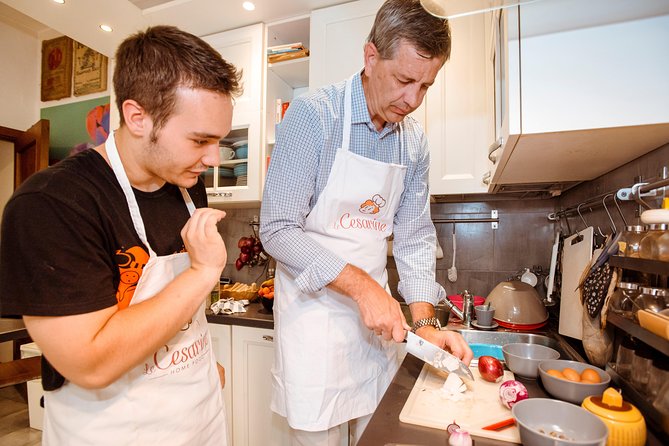
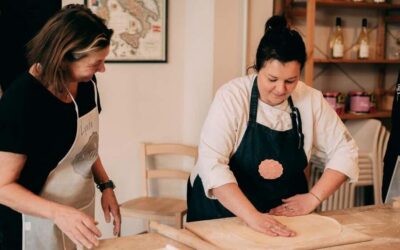
In Pisa, it’s easy to eat very well and still miss how locals actually cook. This class is built around a home setting, not a studio, so you learn the logic behind the dishes as you go—what matters, what’s flexible, and what’s worth doing carefully.
Because it’s private, you’re not sharing the table with strangers, and you don’t have to compete for attention. That matters with cooking classes, where questions pop up while your hands are busy and the timing matters.
You’ll start in Pisa (the meeting point is listed in the city center area) and the experience ends back there. It also notes it’s near public transportation, which is a big deal if you’re mixing this with sightseeing on the same day.
You can also read our reviews of more tours and experiences in Pisa.
The 4-hour flow: start with starter, then fresh pasta, then dessert
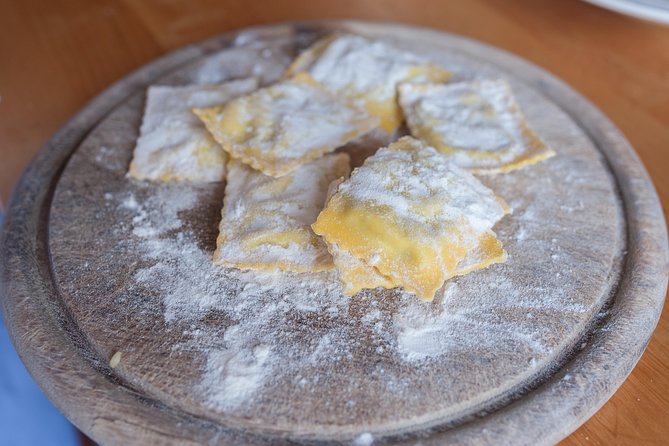
You’re in for about 4 hours. The menu is structured like a real meal, so you leave with more than recipes—you leave with a sense of what order people choose and why.
Starter: a seasonal start that sets the tone
Your starter is listed as a seasonal starter. That’s useful because it signals the main idea: Pisan food changes with what’s fresh and available. Even if the exact starter varies, the class teaches you how to think about seasonal choices instead of chasing one fixed dish.
If you want a lesson that feels grounded, a seasonal opener is a good sign. It’s the kind of logic that works at home later when you’re not buying ingredients from a single specialty shop.
Main: fresh pasta and classic Pisan choices
The main course is fresh pasta. The class includes example pasta dishes such as:
- Spaghetti with the arselle clams
- Pasta with chickpeas
- Pappardelle
Here’s why this is a smart lineup for a first-time Pisa food experience. Arselle clams point you toward the seafood side of the coast. Chickpeas bring an earthy, filling character that feels Italian, even when you’re far from the sea. Pappardelle gives you a wider noodle style that helps you understand how sauce and texture pair up.
During a private class, this is where you’ll likely get the most “oh, that’s how they do it” moments. Pasta is technical enough that one small tip can change your result, but it’s also practical enough that you can repeat it after your trip.
Dessert: Tuscan classics and choices you can recognize
For dessert, you’re tasting a Tuscan dessert with options like:
- Castagnaccio
- Torta coi Bischeri
- Pine nut cake
- Tiramisu (or similar typical desserts)
Tuscan desserts can be a sweet surprise if your idea of Italian dessert is limited to gelato and tiramisu. Cakes like castagnaccio and pine nut-based desserts often feel less sugary and more ingredient-driven. That’s great if you like food that tastes like it came from the pantry, not a bakery case.
Wine with the class: small tasting moments that teach the region
This experience includes sampling red and white regional wine with your meal. For me, that’s one of the best “value multipliers” in a food tour, because wine helps you understand the broader table style—how people balance richness in pasta and sweetness in dessert.
One of the reviews also mentions a tasty cocktail plus drinks like lemoncello and the meal finishing with espresso. That’s not listed as guaranteed in the menu details, but it does show the host may add small regional touches beyond the standard wine pairing.
If you’re the type who likes to understand food as part of an entire evening—food, drink, conversation—this format works well. It’s not a quick bite-and-run; it’s a meal that follows Italian timing.
What you learn: the secrets behind famous Pisan dishes
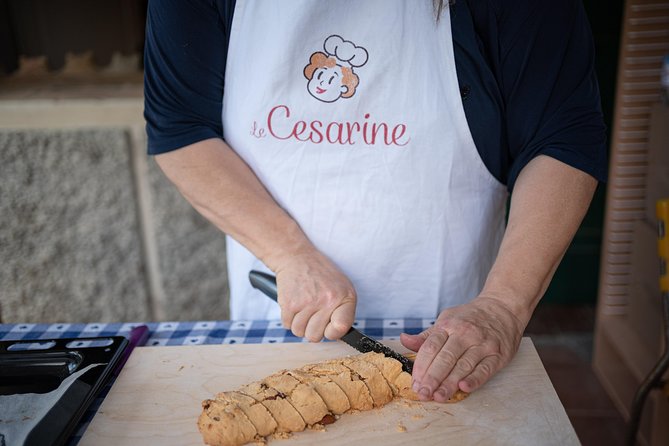
The class promises that you’ll learn the secrets of the most famous dishes of Pisa cuisine, and you can feel the difference between learning ingredients versus learning method.
The dish examples matter here. When a class offers both seafood-forward options like arselle clams and more pantry-friendly pasta like chickpeas, it’s showing you technique across different flavor directions. You’re not just copying one recipe—you’re learning how to build a dish that fits ingredients and local habits.
If you’re aiming for something you can actually cook later, pay attention to how the Cesarina explains:
- how the pasta is handled and timed
- how sauces cling (or don’t) based on shape
- how seasoning is adjusted for the ingredients, not the other way around
In one class experience described by name, the host was Elena, and her husband Silvio helped make the evening warm and welcoming. That kind of shared hosting is more than friendliness—it helps you ask questions without feeling rushed, which is when the real learning happens.
Your host experience: attentive, careful, and focused on safety
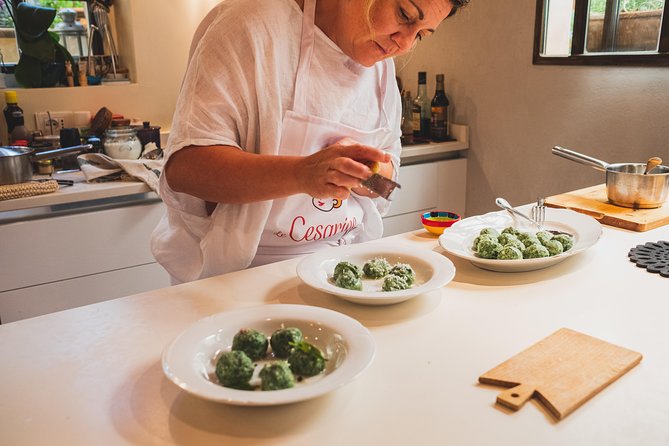
This is a home experience, and the details around safety are clearly stated. The host provides essential sanitary equipment such as paper towels for washing hands and hand sanitizing gel. You’re also asked to maintain 1 meter distance and, if you can’t, to wear masks and gloves.
That might sound formal, but it actually makes the experience easier to handle. You don’t have to guess what’s expected. Show up ready to follow the rules, and you’ll likely feel comfortable throughout.
It’s also noted as a private activity, so you’re not dealing with a constantly changing group while cooking. That privacy tends to keep the pace calm, and it helps you focus on the food instead of logistics.
Pricing and value: what $174.23 gets you in Pisa
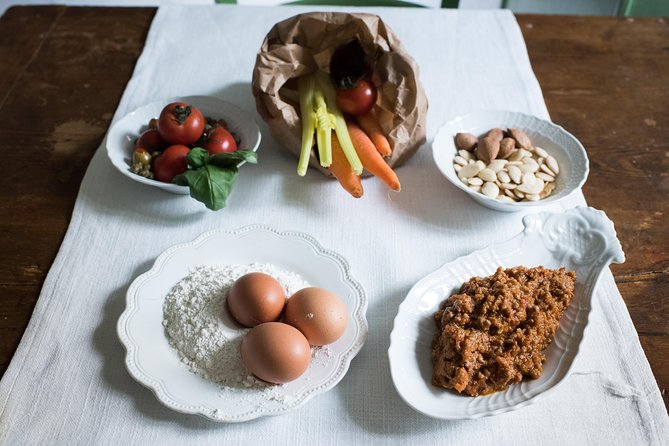
At $174.23 per person for about 4 hours, this is not a bargain-bus cooking class. But it’s also not trying to be. The value comes from three things.
First, you get a private setup in a real home. That’s the biggest difference between a shared class and this format. You’re paying for attention, pace, and a dinner-table experience.
Second, you’re tasting multiple courses and sampling regional wine. A meal with wine included changes the “per-hour cost” math, because you’re effectively trading a restaurant dinner plus a cooking lesson for one package.
Third, you leave with a souvenir gift, which adds a small but real sense of closure. It won’t be a life-changing item, but it makes the experience feel complete.
If you’re traveling with a partner or a small group that really likes food, the pricing starts to feel more fair. If you’re on a strict budget, you might prefer a shorter shared class. But if you want the most personal cooking experience possible in Pisa, this sits in the right lane.
How to plan it with Pisa sightseeing
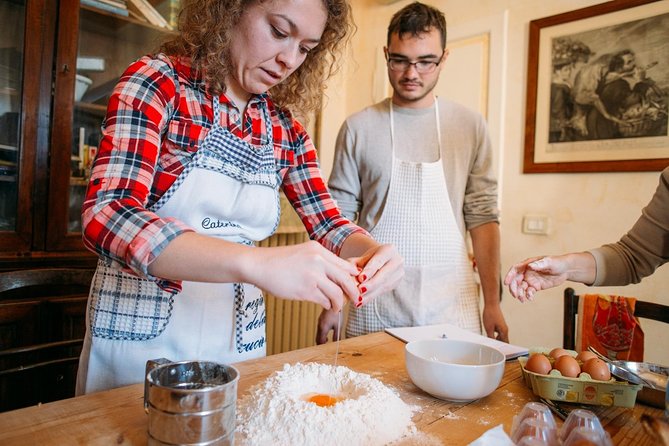
Because the start is in Pisa and the activity ends back at the meeting point, you can plan it as a dinner-time anchor. The experience time is about 4 hours, so give yourself a buffer before and after if you’re switching neighborhoods or catching transit.
Also check how far you’ll be walking beforehand. Since it’s near public transportation, you can usually manage it without a car, but you’ll still want easy access so you don’t rush in hungry and stressed.
Booking trends are noted: it’s often booked about 28 days in advance on average. If Pisa is part of your fixed itinerary, I’d aim to lock a time soon so you’re not picking from leftovers.
Who this class suits best
This one fits best if you want:
- a home-style food experience in Pisa, not a demo show
- real instruction tied to the dishes you’ll eat
- an English-friendly class format
- a meal that includes wine tasting and feels like an evening
It’s especially good for couples, friends, and anyone who likes to talk while cooking. If you’d rather browse markets, skip wine, and keep things strictly structured, you may find a cooking class too “slow and social” for your taste.
Also consider whether home-based experiences match your comfort level. If you like small spaces and following host instructions, you’ll probably enjoy it.
Should you book this private Pisa cooking class?
Book it if you want Pisa through the kitchen lens. The mix of fresh pasta, a Tuscan dessert, and regional wine tasting makes it more than a photo moment. The private setup, the English offering, and the home-host warmth described by name in at least one experience add up to a high-satisfaction formula.
Skip it if you’re only interested in a quick bite or you don’t care about learning cooking method. This is a 4-hour dinner-style experience, so it works best when food and conversation are the point.
If you do book, choose a time when you can arrive relaxed. Cooking goes smoother when you’re not sprinting through Pisa right before you start.
FAQ
How long is the private cooking class in Pisa?
The cooking class lasts about 4 hours.
What does it cost per person?
It costs $174.23 per person.
Is this a private tour or shared group?
It is a private tour/activity, and only your group will participate.
What language is offered for the class?
The class is offered in English.
What dishes will we sample during the class?
The menu includes a seasonal starter, fresh pasta, and a Tuscan dessert. Pasta options can include spaghetti with arselle clams, pasta with chickpeas, or pappardelle, and dessert options can include castagnaccio, torta coi Bischeri, pine nut cake, tiramisu, or similar typical desserts.
Is wine included?
Yes. You can sample red and white wine from the region with the meal.
Where do we meet, and where does it end?
The activity starts in Pisa and ends back at the meeting point.
Is free cancellation available?
Yes. You can cancel for a full refund up to 24 hours in advance of the experience’s start time.