REVIEW · NEW ORLEANS
New Orleans: Hands-on Cajun Roux Cooking Class
Book on GetYourGuide →Operated by The Mardi Gras School of Cooking · Bookable on GetYourGuide
The smell of roux is instant New Orleans. This hands-on Cajun and Creole cooking class hits the sweet spot: you get practical roux technique and you leave with three finished dishes you can actually repeat at home. I especially like the small-group feel (max 10), and I like that the menu is classic and specific: chicken and andouille gumbo, shrimp étouffée, and bananas Foster. One thing to consider: this is real cooking time, so if you do not enjoy chopping, stirring, and following a process, you might find it less fun than a pure food-walk.
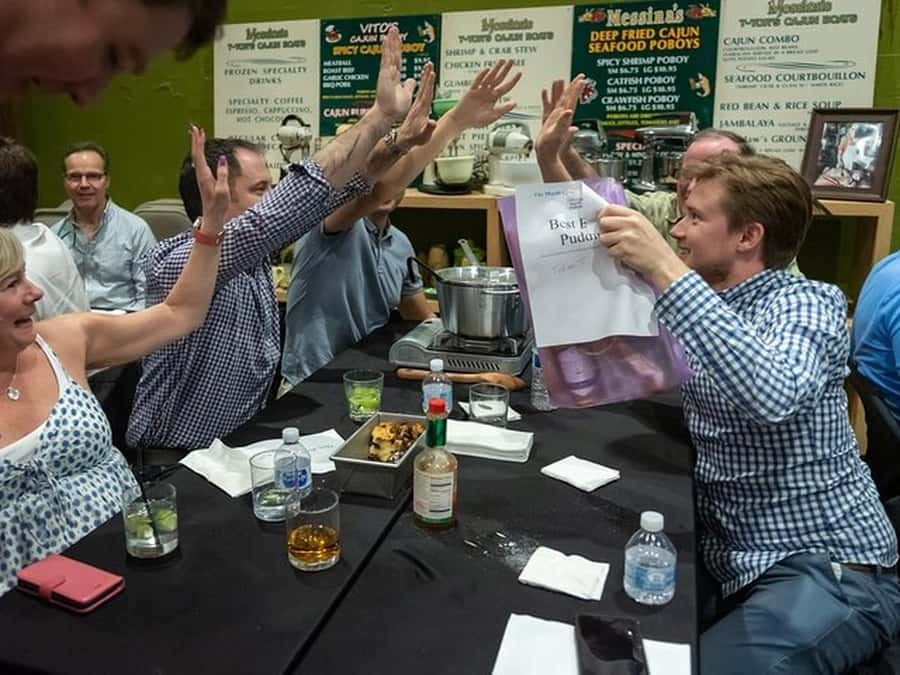
You meet in the French Quarter and the whole class runs about three hours. Expect music, friendly instruction, and a steady rhythm from prep to heat to plating—plus complimentary wine, beer, sodas, and water.
In This Review
- Key Things I Think You Should Notice Up Front
- Entering The French Quarter Kitchen Game Plan
- A quick note on who should come
- The 3-Hour Itinerary: What Happens From First Prep To Final Dessert
- 1) Get oriented and learn the Cajun and Creole setup
- 2) The Cajun Holy Trinity prep stage
- 3) First break with a glass in hand
- 4) Dark roux for gumbo
- 5) Light roux for shrimp étouffée
- 6) Plate, eat, and then close with Bananas Foster
- Roux 101: The Skill You Actually Take Home
- Dark roux vs light roux: why it matters
- Mise en place is not fancy wording—it saves you
- Stirring rhythm and attention
- The Menu: What You’ll Cook and How Each Dish Teaches Something
- Chicken and andouille gumbo
- Shrimp étouffée with light roux
- Bananas Foster dessert
- The Instructor Factor: Real Teaching Beats Rehearsed Performance
- Drinks, Included Meal, and the Value Math for $157
- What is not included
- Who gets the best value
- Practical Tips Before You Go (So You Enjoy the Whole Cook)
- Eat enough, but come ready to work
- Wear clothes you do not mind getting a little busy
- Bring your questions
- Should You Book This Cajun Roux Cooking Class?
- FAQ
- FAQ
- How long is the Cajun roux cooking class?
- Where is the meeting point?
- What dishes will I make during the class?
- What drinks are included?
- Is the class alcohol-free?
- What is the group size?
- Is the class in English?
- Is the experience wheelchair accessible?
- Are children allowed to join?
- What is the cancellation rule?
Key Things I Think You Should Notice Up Front
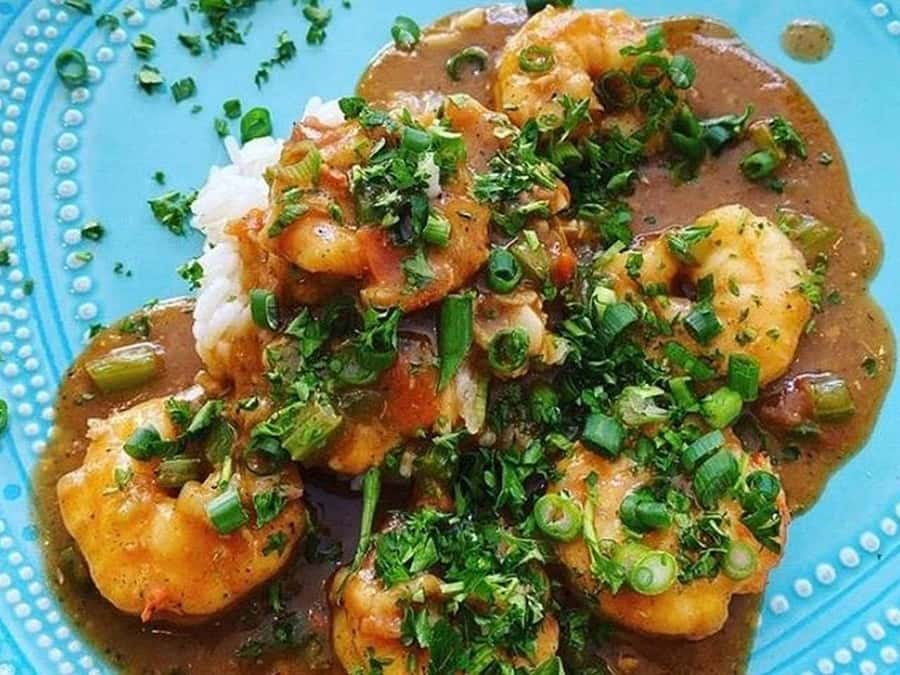
- You cook three signature dishes: chicken and andouille gumbo, shrimp étouffée, and bananas Foster
- You learn roux by color and purpose: dark roux for gumbo and light roux for shrimp étouffée
- Prep comes first with mise en place so you are not scrambling at the stove
- Small group, max 10 people, which keeps the class interactive and hands-on
- Chefs are big on teaching and energy—you may hear stories and Cajun/Creole notes from instructors like Chef Raymond, Chef Jason, or Mark
Entering The French Quarter Kitchen Game Plan
New Orleans is a city of food opinions. This class avoids the talk-only trap. It puts you in an apron with a plan, so your taste buds and your muscle memory both get something out of it.
The location is in the French Quarter, with the meeting point listed as Suite 101 on the ground level. That matters because Quarter navigation can be a little chaotic—knowing you are walking into a specific suite helps you get there calm and on time.
You are also not stuck in a classroom chair for three hours. The class is hands-on, and the format is built for participation. The group is limited to 10 people, so you should expect a lot more direct attention at your cutting board and your pot.
You can also read our reviews of more tours and experiences in New Orleans.

A quick note on who should come
This class allows children over 10 if they are willing to participate and, more importantly, love to cook. It is not suitable for children under 10. If that describes your group, you are set. If not, you may want to choose a different style of food experience that is more relaxed.
The 3-Hour Itinerary: What Happens From First Prep To Final Dessert
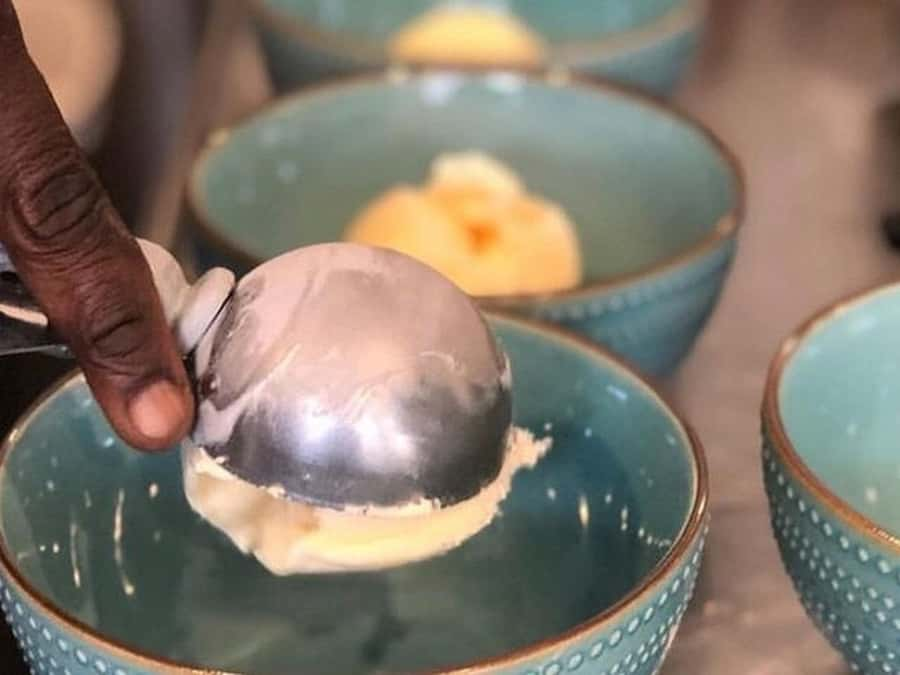
This class runs for about 3 hours, and it follows a logical flow: warm-up and history, prep, roux stages, then plating and eating. Here is how the timing usually feels.
1) Get oriented and learn the Cajun and Creole setup
You start by settling in with your classmates. You get acquainted, you put on aprons, and you learn what you are making and why it works. A key part is professional technique—so you are not just following a recipe, you are learning the method.
You also get some background on the dishes. The point is not trivia. The point is that you understand what makes Cajun and Creole flavors behave the way they do, so you can adjust confidently later in your own kitchen.
2) The Cajun Holy Trinity prep stage
The class emphasizes the Cajun Holy Trinity and has you cut and prep as part of the process. It is one of those foundational steps where being orderly helps everything else.
This is where you will use mise en place, meaning you prep and organize before you turn on serious heat. You are basically training for the real world: a smooth cook is a safer cook, and it usually tastes better because you stay focused.



3) First break with a glass in hand
Once that prep is done, there is a pause to enjoy the first glass of wine. Drinks during the class include wine, beer, sodas, and water. It is a nice mid-course reset—long enough to catch your breath, but not so long that you lose the momentum.
If you are the kind of person who cooks better with a moment to reset your brain, this pacing helps.
4) Dark roux for gumbo
Then the class moves to making the gumbo with a dark roux. This is the signature moment because roux is where many home cooks get stuck. The instructor-guided process helps you understand the difference between rushing and watching.
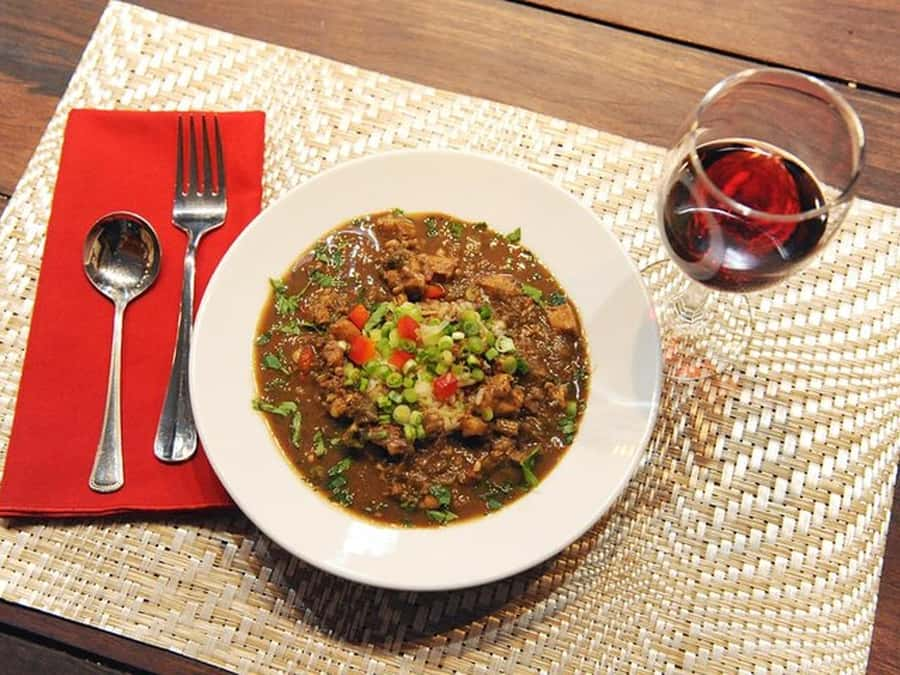
You start by building the roux, then you move into the gumbo. The recipe focus here is chicken and andouille sausage gumbo—so you get that classic smoky-salty profile that defines many New Orleans tables.
5) Light roux for shrimp étouffée
After gumbo, the class shifts gears to light roux for shrimp étouffée. This contrast is valuable because it teaches you that roux is not one-size-fits-all. Color changes flavor and thickening power, and the class has you practice that concept directly.
You then assemble and cook the shrimp étouffée, with instruction geared toward technique, seasoning, and timing.
6) Plate, eat, and then close with Bananas Foster
Once everything is cooked, you plate and dine. The final stretch is dessert: Bananas Foster. You are shown a fool-proof way to make it, and this is often the part people remember because dessert feels special after working through savory dishes.
The overall flow matters: you end with something impressive but approachable. That makes the whole class feel like more than cooking lessons—it feels like a complete meal.
Roux 101: The Skill You Actually Take Home
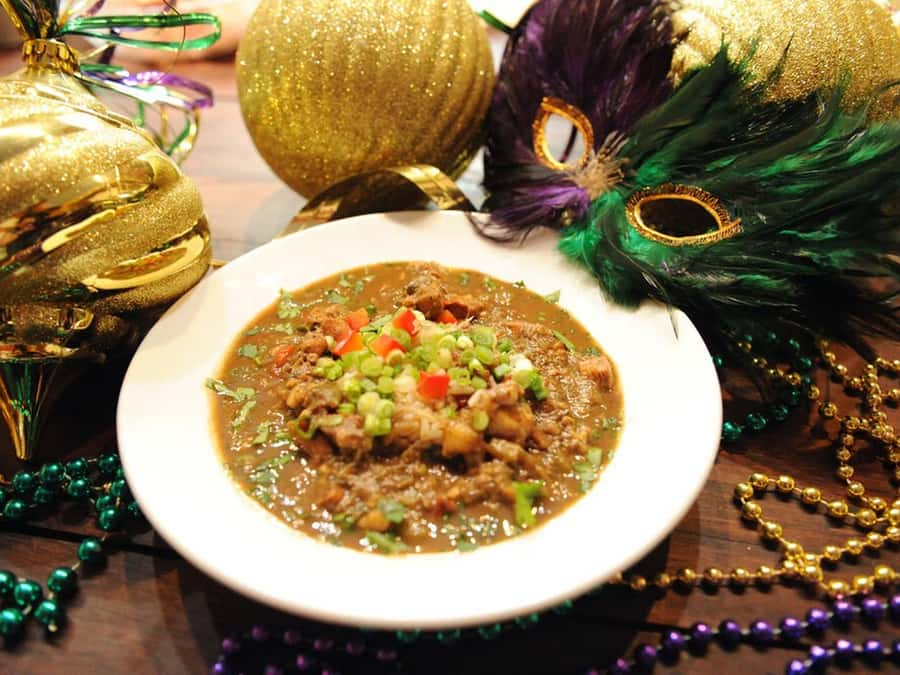
If you only cared about the food, you could stop at eating. But the reason this class is worth your time is that it teaches roux in a way you can reuse.
Dark roux vs light roux: why it matters
Gumbo and shrimp étouffée use different roux styles in this class, and that is the teaching point. Dark roux generally pushes you toward deeper, nuttier flavor and a different thickening outcome. Light roux stays milder and supports a different texture and taste direction.
You learn the method during the class, not just the outcome. That means next time you are making something at home—gumbo, étouffée, or even another thickened stew—you have a starting point for what to aim for.
Mise en place is not fancy wording—it saves you
The class explicitly uses mise en place. Translation: you prep first, then cook. When you are chopping, measuring, and organizing right before the stove gets serious, you are less likely to scorch, over-stir, or lose track of seasoning.
That is the kind of practical skill that makes home cooking less frustrating.
Stirring rhythm and attention
Roux is one of those techniques where attention beats speed. You are taught professional technique and the secrets of seasonings. Even if you already cook, you will likely pick up a better rhythm: what to watch, when to adjust, and how not to panic when the pot starts changing fast.
In the small-group setting, instructors can guide you in real time. That is a big difference from learning from a video where you do not get corrected.
The Menu: What You’ll Cook and How Each Dish Teaches Something
Three dishes in one class is a lot. The payoff is that each one teaches a different piece of Louisiana cooking.
Chicken and andouille gumbo
The class builds gumbo around dark roux. Gumbo also teaches you patience and balance. You are combining savory depth from the roux with the sausage character—so your seasoning needs to match the intensity of the base.
In a hands-on setting, you get to see how the roux and the rest of the components work together as the dish thickens.
Shrimp étouffée with light roux
Next comes shrimp étouffée, using light roux. This teaches you how thickening and flavor shift when you change the roux stage.
Shrimp cooks quickly compared to a stew-style timeline, so the class format helps you understand timing. You are not just making food—you are building the sequence that prevents rubbery shrimp and protects the texture you want.
Bananas Foster dessert
Then you finish with Bananas Foster. It is the most different dish on the menu, which is part of why it lands well. After savory cooking, dessert lets you focus on technique with a showier result.
Since the class shows you a fool-proof approach, it is a great confidence booster. You leave with something that feels special enough for company, not just something you made to get calories.
The Instructor Factor: Real Teaching Beats Rehearsed Performance
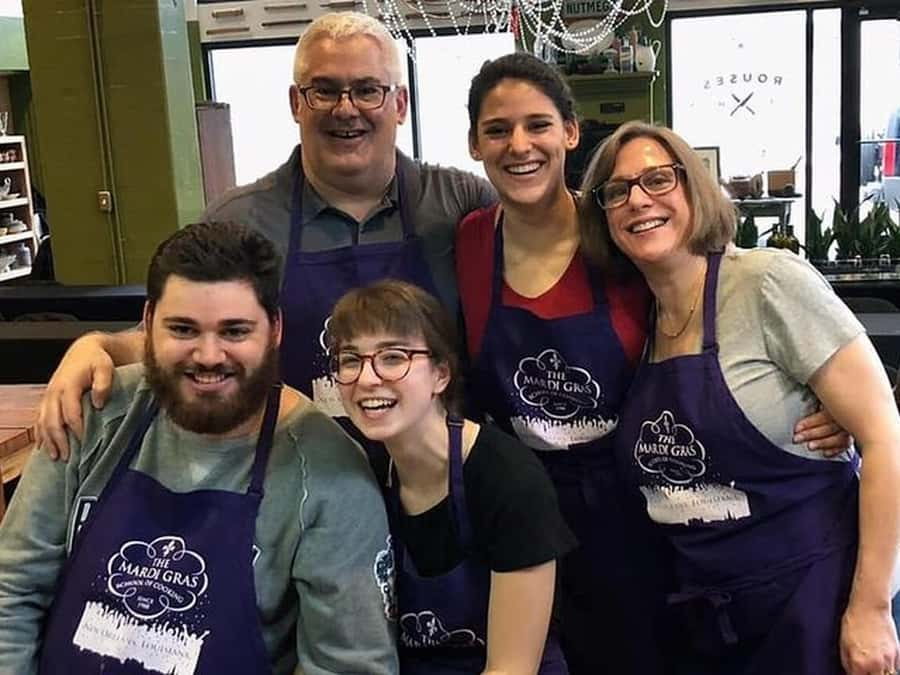
A cooking class lives or dies by the instructor, and the energy here is repeatedly described as welcoming and fun.
Chefs and instructors you might encounter include Chef Raymond, Chef Jason, and Mark. The teaching style shown in feedback focuses on clear explanations, keeping everyone involved, and adding jokes and stories that connect Cajun and Creole cooking to the people behind it.
One detail I like in this kind of class is the blend of structure and fun. Music while you work a roux can sound like a minor thing, but it changes the mood from stressful to playful. When you are stirring something that asks for attention, calm confidence is a secret ingredient.
Also, the class is designed for English instruction, so you are not stuck translating while your pot is changing color.
Drinks, Included Meal, and the Value Math for $157
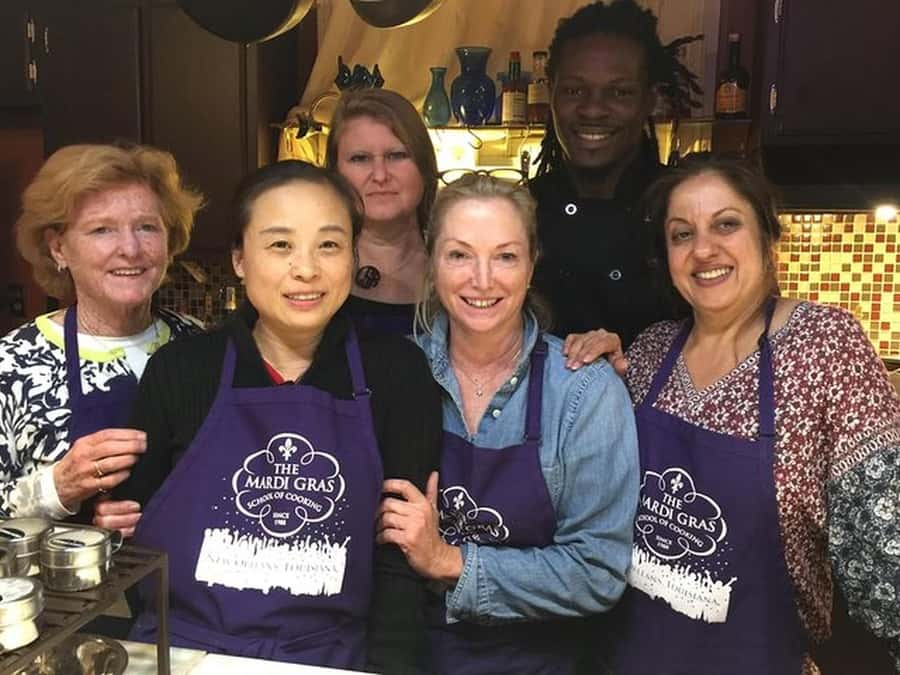
At $157 per person for about 3 hours, this is not a bargain bucket activity. But it also is not just a tasting menu. You are paying for hands-on instruction, ingredients, and a meal you cook and eat.
Here is what is included:
- Lunch/dinner (the meal you prepare and enjoy)
- Alcoholic beverages (wine and beer)
- Soda/pop
- Bottled water
That matters because food classes add up fast when you have to buy drinks and keep topping off water. Having beverages included makes it feel more like a complete evening with cost control.
What is not included
Personal expenses, souvenirs, and transportation to the venue are not included. That is normal. What helps is that the meeting point is specific (Suite 101, ground level), which reduces uncertainty on the logistics side.
Who gets the best value
You will likely get the most value if you fall into one of these groups:
- You want a skill, not just a meal
- You are traveling in a small group and want a shared activity with structure
- You enjoy cooking enough to stay engaged for three hours
If you only want a quick bite and do not like hands-on work, the value shifts.
Practical Tips Before You Go (So You Enjoy the Whole Cook)
The class is hands-on and includes real cooking tasks like cutting, prepping, and roux-making. That means a few practical decisions can make or break your comfort.
Eat enough, but come ready to work
Come hungry, because you will cook and then dine. At the same time, do not arrive so empty that the alcohol and cooking smells hit too hard. A normal meal earlier in the day is usually the easiest way to keep the evening enjoyable.
Wear clothes you do not mind getting a little busy
You will be prepping and cooking. Even if the class is tidy, roux cooking is messy work in the way cooking can be messy. Comfortable shoes help too, since you will likely be standing at stations.
Bring your questions
If you care about doing the dishes again at home, ask about seasoning and timing while you are still in the kitchen mode. This is the rare time you get to correct mistakes in the moment.
Should You Book This Cajun Roux Cooking Class?
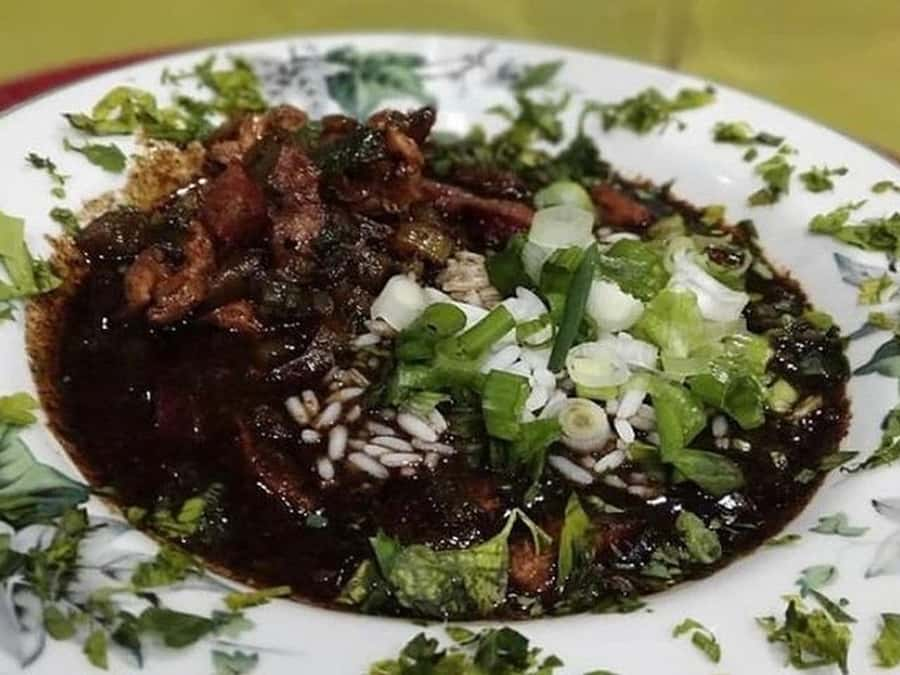
Book it if you want a hands-on, skill-building meal in the French Quarter where you can learn how roux changes flavor and thickening in two classic dishes—and still end with Bananas Foster.
Skip it if you want a passive food experience, or if your group includes kids under 10 who cannot handle the hands-on format. This is a cooking class, not a short tasting.
If you are on the fence, think about the best souvenirs you can bring home. A plate of food lasts an hour. A roux method and a process you can repeat lasts much longer.
FAQ
FAQ
How long is the Cajun roux cooking class?
The class lasts 3 hours.
Where is the meeting point?
You meet at Suite 101 on the ground level.
What dishes will I make during the class?
You will prepare chicken and andouille sausage gumbo, shrimp étouffée, and bananas Foster.
What drinks are included?
Wine, beer, soda/pop, and bottled water are included during the class.
Is the class alcohol-free?
No. Alcoholic beverages (wine and beer) are included.
What is the group size?
It is a small group limited to 10 participants.
Is the class in English?
Yes, the instructor teaches in English.
Is the experience wheelchair accessible?
Yes, it is wheelchair accessible.
Are children allowed to join?
Children over 10 are allowed if they are willing to participate and love to cook. Children under 10 are not suitable.
What is the cancellation rule?
You can cancel up to 24 hours in advance for a full refund.