REVIEW · NEW ORLEANS
Private New Orleans Cajun Cooking Class with a Local Courtland
Book on Viator →Bookable on Viator
Cajun cooking gets real fast in a home kitchen. You’ll spend about 3 hours with Courtland, a local Cajun French cook, learning hands-on techniques in a private residential setting instead of a big, commercial class.
I love how much personal attention you get, since this is just your group and Courtland teaches with stories from his life in New Orleans. The other thing I really like: the food is built around seasonal produce, including items from his garden when they’re ready. One possible drawback to plan for: it’s a real home, so you’ll be around household details like their cat, and the vibe is casual rather than staged.
In This Review
- Key Points You’ll Care About
- Why Courtland’s Home Kitchen Beats a Big-Class Workshop
- Meeting at 305 Homedale St: The Garden Welcome and the Setup
- The 90-Minute Cooking Lesson: Three Dishes and Real Cajun Techniques
- Starter: a traditional Cajun start
- Main: choose your Cajun-style spotlight
- How Courtland teaches (and how you’ll cook)
- Cajun vs Creole: What You’ll Actually Learn at the Stove
- From Kitchen Work to the Shared Table: Eating What You Make
- Fresh Produce, Garden Mindset, and Why Season Matters
- Choosing Lunch or Dinner: Getting the Timing Right
- Price and Value: What $64 Really Buys You
- Dietary Requests and Practical Tips That Actually Help
- Who Should Book This Cajun Cooking Class?
- Should You Book Courtland’s Cajun Cooking Class?
- FAQ
- How long is the Cajun cooking class?
- Is this a private class or a group tour?
- What dishes will I cook and eat?
- Does the class teach the difference between Cajun and Creole food?
- Is lunch or dinner available?
- What drinks are included?
- Can dietary restrictions be accommodated?
- Where does the experience begin?
- Is this a commercial cooking school?
- What is the cancellation policy?
- FAQ
- Is a mobile ticket used for entry?
- Are service animals allowed?
Key Points You’ll Care About
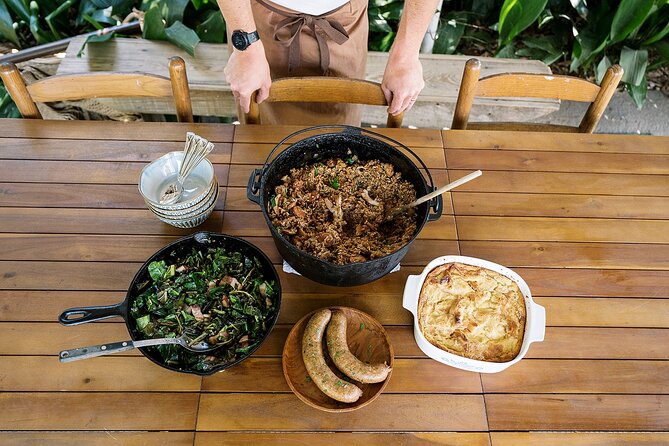
- Private, home-based Cajun class with Courtland and only your group
- Hands-on + demonstration format over about 1.5 hours of cooking
- Three dishes taught: a starter, a main, and dessert
- Garden and market ingredients used when they’re in season
- Cajun vs Creole differences explained as you cook
- Beer or wine included with your shared meal
Why Courtland’s Home Kitchen Beats a Big-Class Workshop
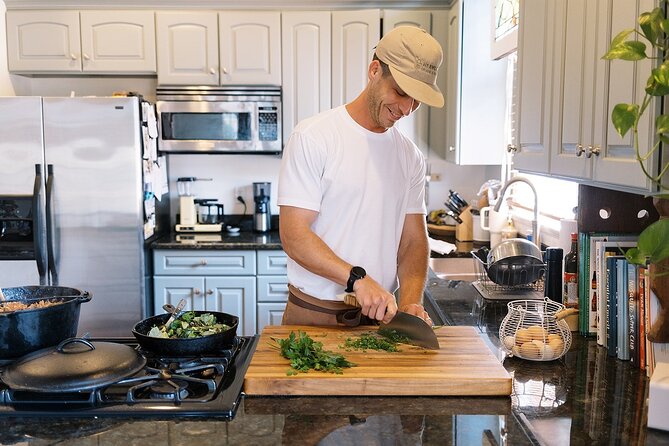
If you want New Orleans food culture without the tourist-machine feel, this is built for that. Courtland hosts from his home in a cool, residential neighborhood—so you’re not bouncing from one photo stop to the next. You’re in the place where the cooking actually happens.
The private setup matters more than you’d think. In a large class, you can end up watching most of the time. Here, Courtland encourages you to cook by what you taste, see, and smell, so the lesson stays practical and goes at a pace that fits your group. And because it’s only your party, you can ask questions instead of competing with other voices.
Another smart part of the experience is the authenticity in how the meal is taught. Courtland comes from a strong Cajun French background and learned to cook from his grandmother and father, who kept hosting “legendary Cajun parties.” That family thread shows up in the way he talks about food as conversation, not just directions on a recipe card.
You can also read our reviews of more tours and experiences in New Orleans.

Meeting at 305 Homedale St: The Garden Welcome and the Setup
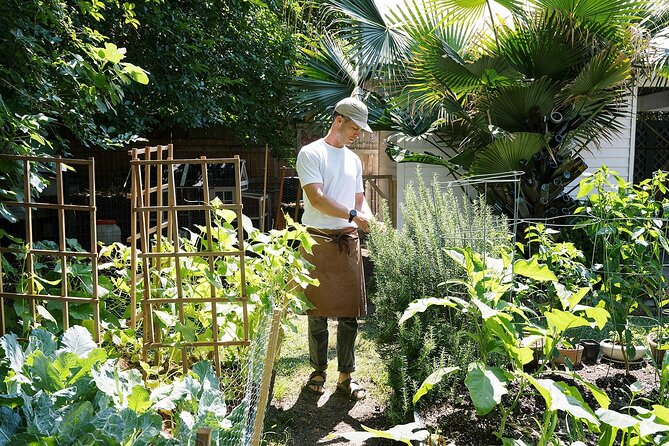
You start at 305 Homedale St, New Orleans, LA 70124. Courtland meets you at his welcoming home and beautiful garden, and you’ll begin with a refreshing drink while you settle in.
This early part is more than a formality. Courtland shares stories about living in New Orleans and about the way Cajun cooking fits into real life there. It also helps you get comfortable before you step into the kitchen. When you start cooking relaxed, you learn faster and you make fewer mistakes.
You may also get a look at the property as part of the welcome. One of the stand-out details people rave about is how the experience feels thoughtful in every step—like the cookware and the little kitchen touches are part of the story, not random tools pulled off a shelf.
One home detail to keep in mind: Courtland shares the house with his wife and their cat. If you have allergies or strong preferences, plan accordingly.
The 90-Minute Cooking Lesson: Three Dishes and Real Cajun Techniques
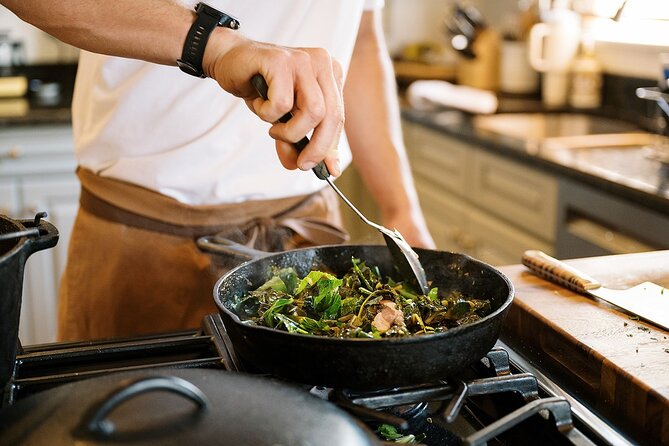
The heart of the experience is about 1.5 hours of cooking instruction. It’s hands-on, with some demonstration mixed in—so you’re not just standing around while Courtland does everything. He’ll guide you through techniques and then have you cook, adjust, and learn by doing.
You’ll make three authentic Cajun dishes: a starter, a main, and a dessert. At the same time, Courtland also explains the differences between Cajun and Creole cuisine. That’s a huge value add because it turns the meal from something you ate into something you understand.
Starter: a traditional Cajun start
A traditional Cajun appetizer such as boudin balls is part of the plan. That’s a great starter choice because boudin (and boudin-style flavors) tells you a lot about the Cajun approach—bold seasoning, comforting textures, and flavors that feel made for sharing.
Main: choose your Cajun-style spotlight
For the main course, you’ll work with one of several options, such as:
- jambalaya
- gumbo
- étouffée
- blackened fish
You’ll also get a vegetable side. The exact menu can vary depending on the season, but the idea stays the same: you’re learning how Cajun meals are built—layered flavor, smart timing, and seasoning that doesn’t hide behind extra tricks.

How Courtland teaches (and how you’ll cook)
Courtland encourages cooking based on what you taste, see, and smell. That approach is practical. It trains your palate and your senses, not just your stopwatch. If you’ve struggled with recipes that sound fine until you get in the kitchen, this method helps you think like a cook.
Cajun vs Creole: What You’ll Actually Learn at the Stove
A lot of food experiences talk about Cajun or Creole like it’s trivia. Here, the differences are taught while you’re cooking, which makes it stick.
Courtland explains the differences between Cajun and Creole cuisine during the class, tied to technique and ingredient choices you’ll use in your dishes. You’ll likely notice how the seasoning style and cooking traditions affect the final result. Even without turning it into a lecture, the lesson makes you more confident when you later order gumbo or jambalaya in a restaurant.
If you care about food culture, this is one of the key reasons the experience scores so well. It doesn’t just hand you a meal. It gives you a lens for understanding the meal.
From Kitchen Work to the Shared Table: Eating What You Make
After cooking, you sit down and share the meal you helped prepare with Courtland. This is one of those “simple, but it matters” details. The meal isn’t an afterthought. It’s part of the learning, because you get to taste the result of your decisions and adjustments.
Your menu includes dessert, and the experience includes beer or wine with the meal. That pairing makes the whole thing feel like a genuine Cajun get-together rather than a quick demo followed by leaving.
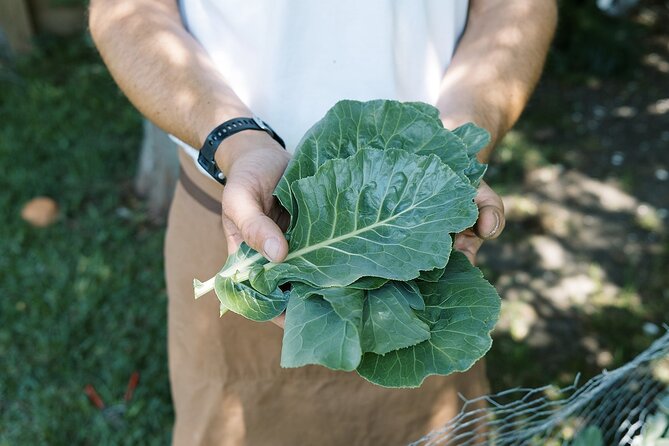
The meal is seasonal where possible, with a lot of focus on fresh produce. If you’re the type who hates when cooking classes feed you something bland or overly standardized, this is the opposite. You’ll be eating what was actually prepared with fresh ingredients from the garden or local markets.
Fresh Produce, Garden Mindset, and Why Season Matters
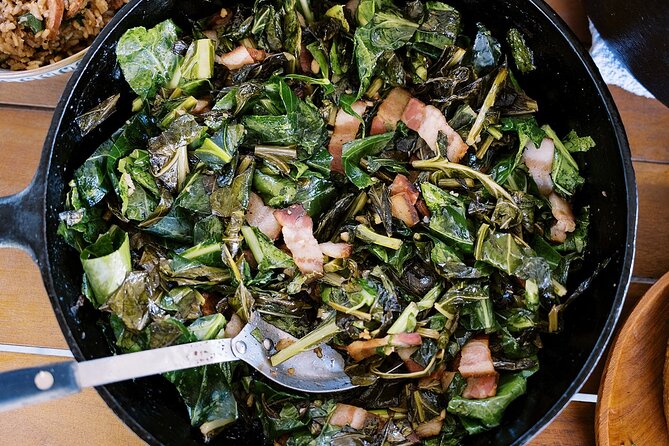
You’ll hear Courtland talk about using fresh produce from his vegetable garden or from local markets. That matters for two reasons.
First, the flavors are brighter when ingredients are in season. Second, it teaches you how locals think. Instead of cooking the same dish the same way every time, you learn to treat the season like an ingredient.
Even if you only remember the general idea—fresh when possible, adjust seasoning based on taste—you’ll get value you can use later at home.
Choosing Lunch or Dinner: Getting the Timing Right
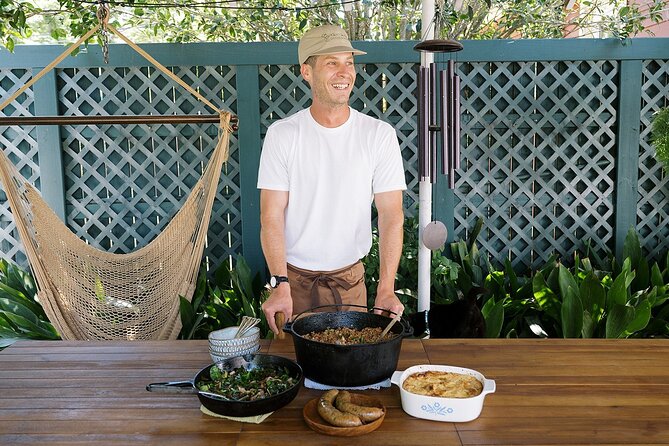
You can choose either a lunchtime or dinner class. Since the total duration is about 3 hours, the timing decision affects your day more than you might expect.
Lunch is great if you want an early cultural anchor and still have energy for an afternoon of walking and eating on your own. Dinner works well if you prefer to end your day with a full sit-down meal and a relaxed pace.
Either way, aim to come hungry. You’ll be cooking and then eating what you make, with dessert and beer or wine included.
Also note: this is often booked ahead. Planning with lead time helps, especially if you want a specific meal slot.
Price and Value: What $64 Really Buys You
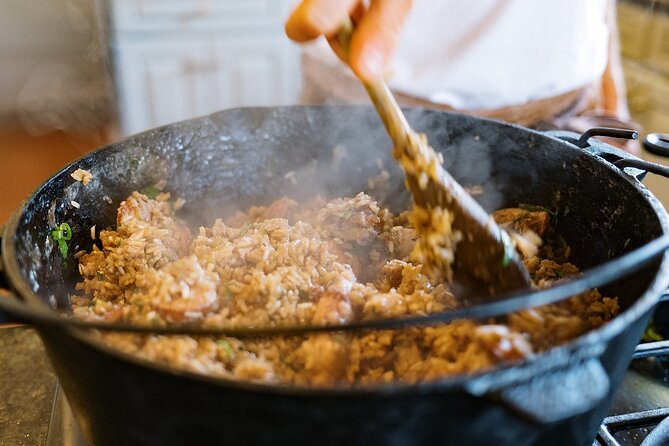
At $64 per person, you’re paying for more than a recipe lesson. You’re paying for:
- a private class setup for your group
- hands-on cooking instruction by a local home host
- three Cajun dishes plus dessert
- beer or wine
- a shared meal in a real home setting
In other words, the price includes the full experience loop—learn, cook, eat—rather than separating those parts into separate activities. For food lovers, that’s strong value because it turns your money into a day (or evening) of doing, not just watching.
If you’re traveling as a couple or a small group, the private format can feel especially worth it. You get the benefits of personalization without the “everyone lines up and waits” vibe you see in larger setups.
Dietary Requests and Practical Tips That Actually Help
Courtland is happy to accommodate dietary requests on request, including vegetarian, gluten-free, or lactose-free diets. If you have needs, send them early so the menu can be adjusted appropriately.
A few practical notes for a smooth experience:
- Wear comfortable clothes. You’re cooking, so expect hands-on time.
- Expect a home kitchen environment. It’s not a commercial studio with a scripted flow.
- If you’re sensitive to pet presence, remember the cat is in the home.
Also, you’ll get a mobile ticket, and confirmation is received within 48 hours of booking, subject to availability. If you like to plan tightly, that window is helpful.
Who Should Book This Cajun Cooking Class?
This class fits you if you want:
- a local-host experience in a real New Orleans home
- an actual cooking lesson (not just eating)
- Cajun food that comes with context, especially Cajun vs Creole differences
- a shared table vibe with beer or wine included
It’s also a good pick when you’re tired of big, crowded tours and want something that feels personal. The atmosphere people describe as welcoming and friendly isn’t an accident—Courtland runs the experience like food is for bonding, the way family-style meals are supposed to be.
Should You Book Courtland’s Cajun Cooking Class?
Yes, if you want a genuine Cajun experience with real instruction and a real table moment. This isn’t the kind of activity where you leave with a photo and a vague memory of spices. You leave knowing how to approach Cajun cooking—how to taste as you go, how dishes are built, and why Cajun and Creole are different in practice.
It might be less ideal if you only want a highly formal, commercial cooking studio setting or if home environments (including a cat) are a deal-breaker. But for most food travelers, the combination of private teaching, seasonal ingredients, and a warm host makes this an easy yes.
FAQ
How long is the Cajun cooking class?
The cooking class portion is about 1.5 hours, and the full experience is about 3 hours.
Is this a private class or a group tour?
It’s private. Only your group participates.
What dishes will I cook and eat?
You’ll learn to cook three Cajun dishes: a starter, a main, and a dessert. The starter may include boudin balls, and the main could be jambalaya, gumbo, étouffée, or blackened fish. The menu can vary by season.
Does the class teach the difference between Cajun and Creole food?
Yes. You’ll learn about the differences between Cajun and Creole cuisine during the experience.
Is lunch or dinner available?
Yes. You can choose either a lunchtime or dinner cooking class.
What drinks are included?
The meal includes beer or wine. You’ll also start with a refreshing drink when you meet Courtland.
Can dietary restrictions be accommodated?
Yes. Courtland can accommodate vegetarian, gluten-free, or lactose-free diets if you request it.
Where does the experience begin?
The start location is 305 Homedale St, New Orleans, LA 70124.
Is this a commercial cooking school?
No. It’s not a commercial cooking class. It’s a visit into Courtland’s home to cook and share New Orleans Cajun cuisine together.
What is the cancellation policy?
You can cancel up to 2 days in advance of the experience for a full refund.
FAQ
Is a mobile ticket used for entry?
Yes. It’s listed as a mobile ticket.
Are service animals allowed?
Yes. Service animals are allowed.