REVIEW · HO CHI MINH CITY
Ho Chi Minh: Local Cooking Class At Auntie’s Home
Book on GetYourGuide →Operated by LV Tours · Bookable on GetYourGuide
A scooter-and-market day in Saigon beats the typical route. You’ll wander back alleys to see how locals really shop, then cook Vietnamese comfort food with Auntie Tu’s own step-by-step teaching. I love the mix of street-life sightseeing and real kitchen time, and I especially love that it feels like home instead of a staged demo. One watch-out: you’re walking and you’ll be in sun and market crowds, so bring good coverage and plan for a bit of hustle.
This class is run through LV Tours, and it pairs a local English-speaking guide (I saw names like Bao and Kevin in the experience) with a cooking host, Auntie Tu (often referred to as Ms. Tu). In practice, you’re not just watching—you’re learning techniques and cooking alongside the host. The menu includes both standard and vegetarian options, so it works for more than just meat-and-noodles schedules. One possible drawback: this is not set up for wheelchair users, and it can involve uneven ground in small lanes.
In This Review
- Key highlights worth your time
- Saigon’s District 6 feels more local than central Saigon
- Walking back alleys: the real warm-up for Vietnamese food
- Bình Tây Market: shop like you belong there
- Auntie Tu’s kitchen: hands-on cooking in a real home
- The menu: what you’ll cook and why it makes sense
- Standard menu
- Vegetarian menu
- Getting to the kitchen: transportation that can add to the fun
- Meals and drinks: what the timing feels like
- Value check: what $56 gets you in real terms
- Who this is best for (and who should think twice)
- Tips to make the day smoother
- Should you book Auntie Tu’s cooking class?
- FAQ
- How long is the cooking class experience?
- Where do you get picked up?
- What market do you visit?
- What dishes are included in the standard menu?
- Is there a vegetarian option?
- What’s included in the price?
- What should I bring?
- Is this suitable for wheelchair users?
Key highlights worth your time
- Back alleys first, then the wet market so you get context before you shop
- Bình Tây Market for color, produce, and everyday vendor-customer rhythm
- A real local kitchen taught by Ms. Tu, not a tourist-show setup
- Cooking hands-on for multiple dishes, not just one course
- Photos and emailed recipes so you can recreate the flavors later
Saigon’s District 6 feels more local than central Saigon
This experience starts by taking you away from the busiest central parts of Saigon and into District 6. That matters because you’ll spend the day among everyday routines, not just postcard sights. The vibe is quieter and more residential once you leave the main traffic corridors.
Pickup is flexible with options in District 5, District 4, District 1, and District 3. That reduces the “where do we meet?” stress and lets you focus on the day ahead. If you’re coming from the center, it’s a helpful way to get there without extra planning.
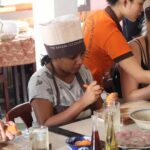
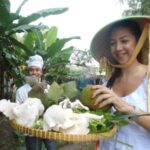
You’ll also get a conical hat for walking under the sun during the market visit. It’s practical, and it also helps you blend in more than you might expect.
You can also read our reviews of more tours and experiences in Ho Chi Minh City.


Walking back alleys: the real warm-up for Vietnamese food
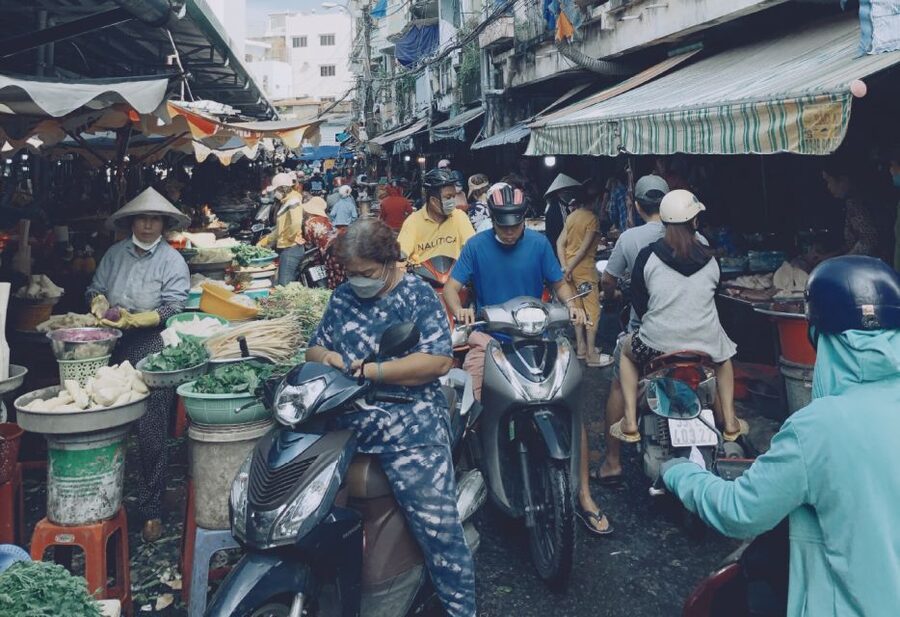
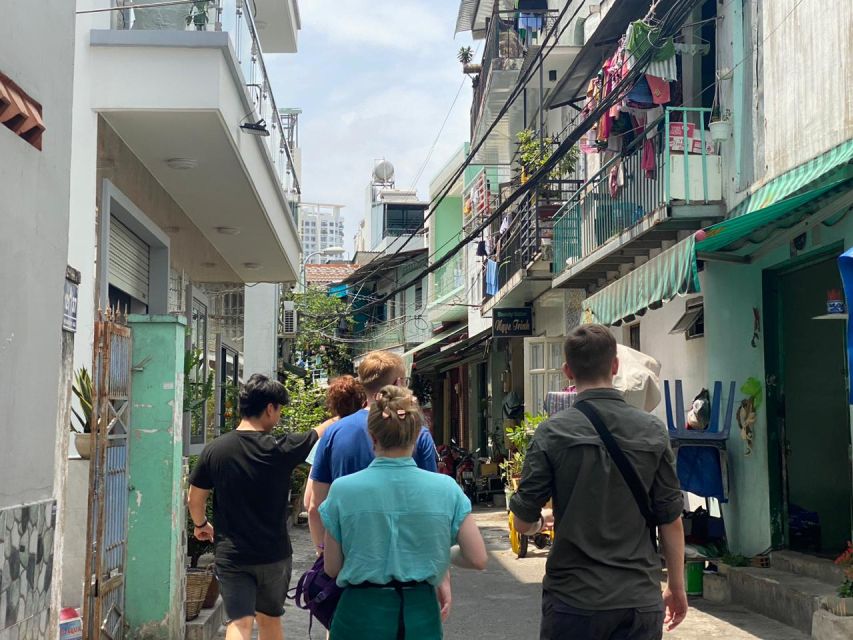
Before you ever touch an ingredient, you walk through small lanes where daily life is loud in a normal way. Expect storefronts that feel close, people moving fast, and the kind of everyday scenes that don’t show up on typical sightseeing routes. This is where you start understanding what you’re about to buy and cook.
The goal isn’t just photos. It’s getting your bearings about how locals travel, shop, and snack. If you come in hungry, you’ll appreciate this pacing: it builds appetite and context at the same time.
Pro tip for comfort: wear covered shoes. Even if the tour doesn’t advertise it as a rule, the market and alley streets can be slippery or uneven, and you’ll want stable footing.
Bình Tây Market: shop like you belong there
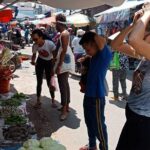
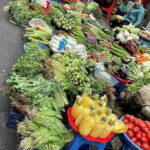
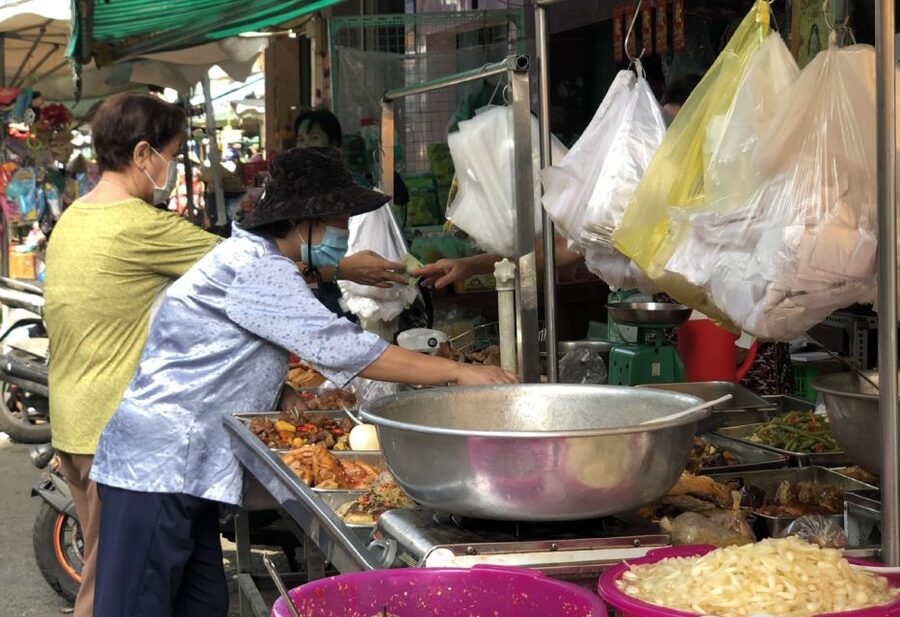
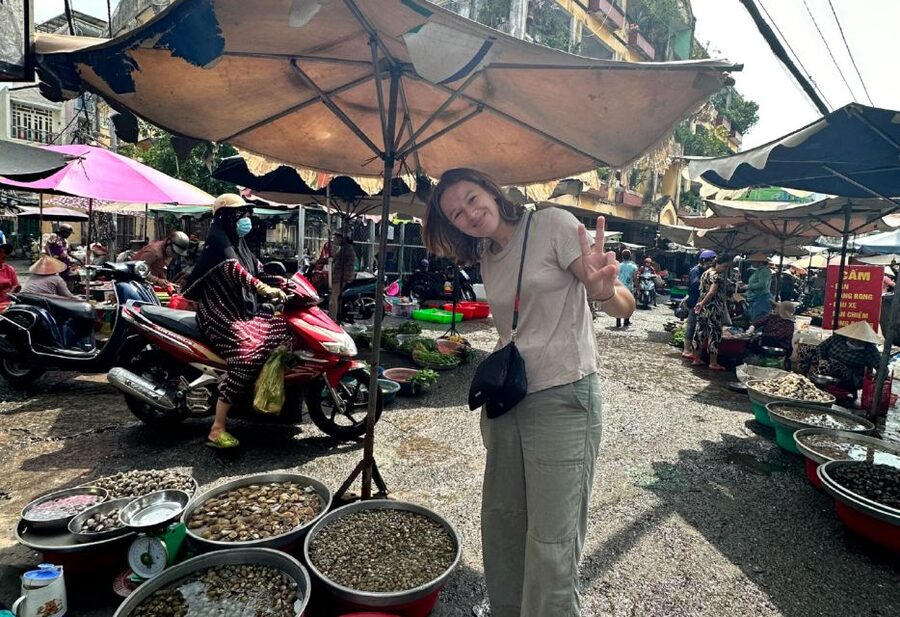
Your market stop is Bình Tây Market, a busy place filled with produce, meats, and the practical chaos of everyday shopping. This is where the day turns from sightseeing into ingredient hunting.
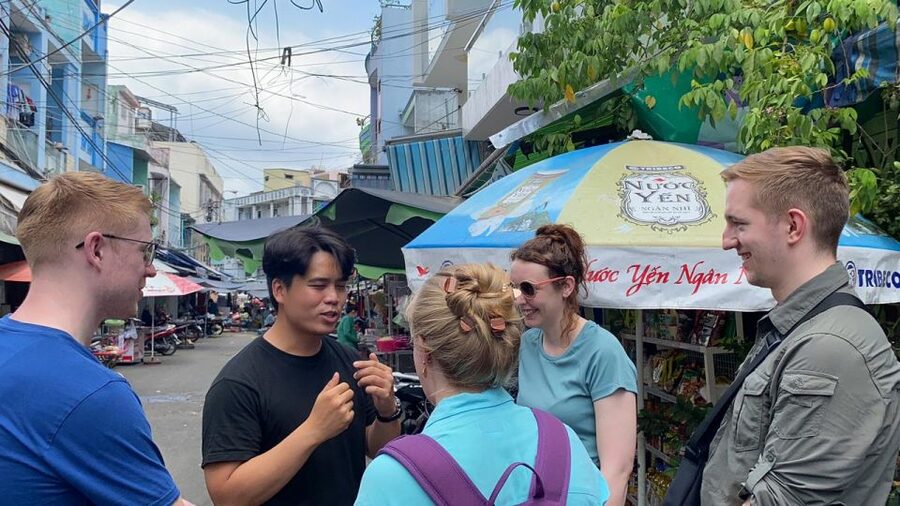
You’re guided through it, and you’ll get help understanding what’s what. The experience includes learning Vietnamese in a way that connects directly to grocery shopping, so you’re not just collecting words—you’re using them while you look.
You’ll also stop for local snacks and see how people actually buy food. That’s the difference between a market tour and a market experience: you’ll pay attention to how vendors talk, how items are grouped, and what looks fresh.
Market time can be intense if you don’t like crowds. If you prefer calm, you can still enjoy it—just keep a steady pace and let the guide pull you through the busiest moments.
Auntie Tu’s kitchen: hands-on cooking in a real home
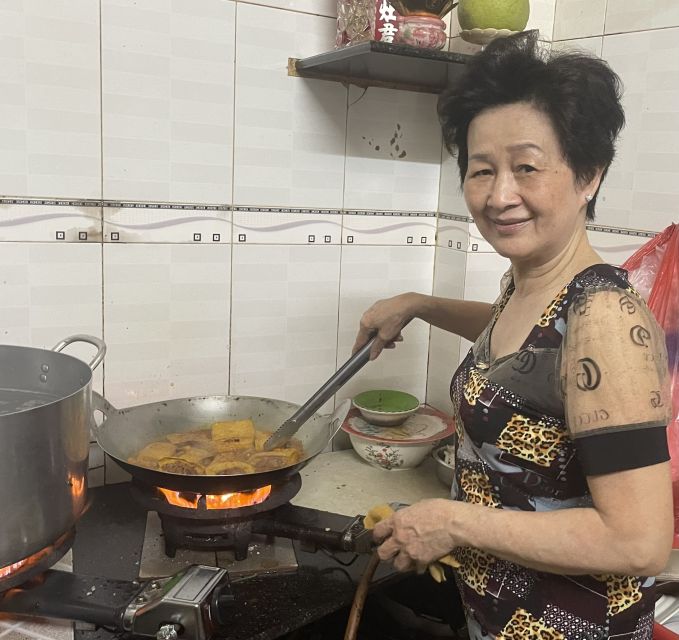
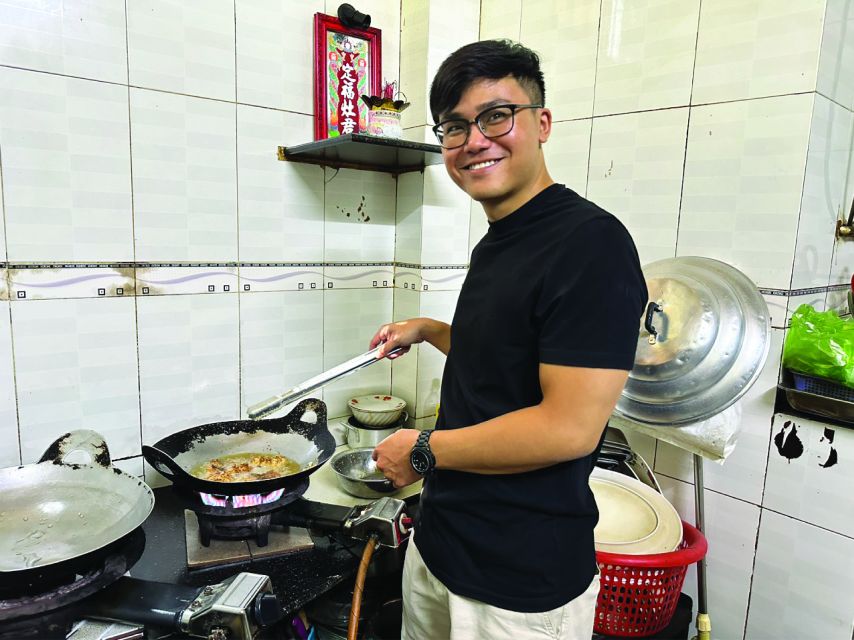
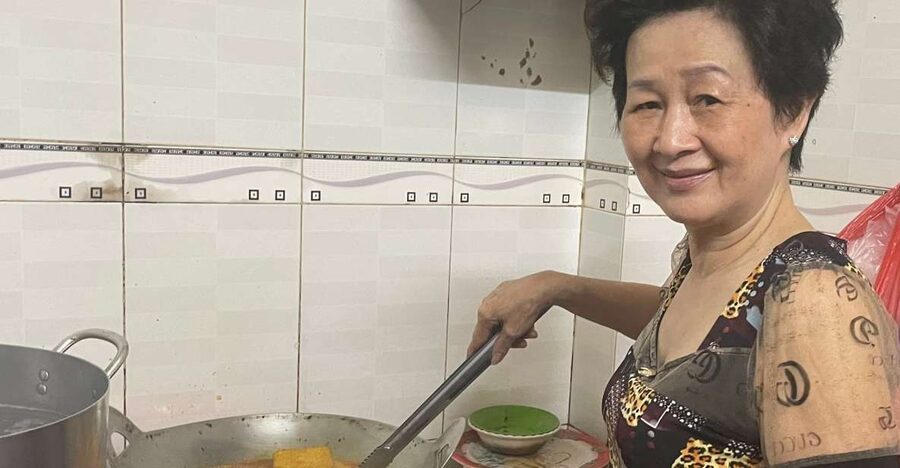
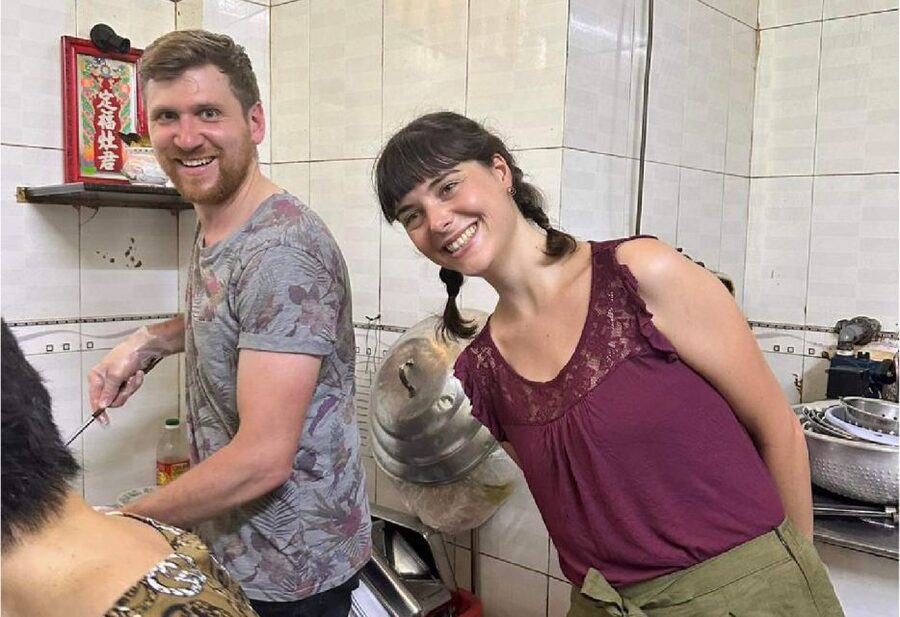
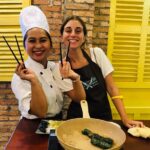
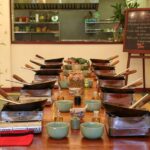
The most memorable shift happens when you reach Auntie Tu’s house. This is not a show kitchen. It’s a working home kitchen where you can see the scale, tools, and flow of Vietnamese cooking.
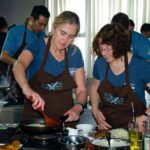
Ms. Tu is your cooking teacher, and she guides you step-by-step. The format is hands-on enough that you participate in making the dishes, not just watching someone else work. One review described that you do nearly half of the process together, which matches what you should expect if you want real skill, not just a tasting.
A local English-speaking guide also helps with translation when needed, since Ms. Tu’s English isn’t the point of the experience. The language barrier is actually part of the charm: you learn by doing, and the guide bridges the gaps.
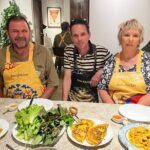
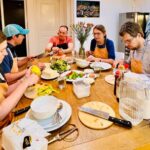
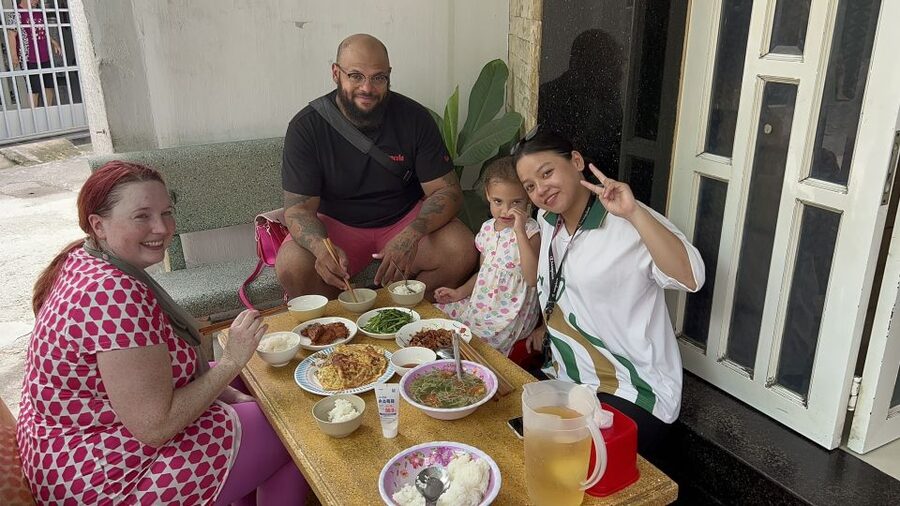
The kitchen setting also supports the day’s theme—feels like home. You’ll eat what you cook, and it won’t feel like you’re consuming a meal on a schedule. It feels shared.
The menu: what you’ll cook and why it makes sense
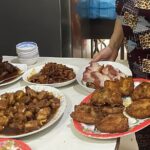
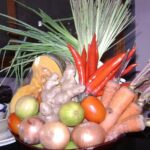
You’ll cook a full set of dishes rather than a couple of appetizers. The standard menu is built around classic flavors and textures, with a mix of protein, greens, and soup.


Standard menu
- Poached meat with pepper
- Fried egg with minced meat
- Fried red tilapia
- Sautéed garlic spinach
- Sour soup
Vegetarian menu
- Stewed vegetables
- Fried salted tofu with lemongrass
- Fried egg with onion
- Sautéed garlic spinach
- Vegetarian sour soup
This lineup is smart for a home cook because it teaches you repeated foundations. Pepper-forward poaching, quick stir-fry timing, and a sour soup base show up again and again in Vietnamese meals. If you’re trying to learn Vietnamese cooking beyond one recipe, this menu gives you pattern recognition.
You also get photos taken during the experience, and recipes are provided after as well (email is mentioned in the experience feedback). That’s a big value add because you won’t have to guess ingredient ratios later.
Getting to the kitchen: transportation that can add to the fun
The day typically includes private transportation as part of the tour. Some smaller group situations may include a motorcycle ride with the guide, which shows up in the experience descriptions.
If you’re comfortable on a scooter, it can be an exciting way to see traffic flow and neighborhoods up close. If you’re not, tell your guide what you prefer. Either way, you’re moving as a group, so you’re not left figuring out directions on your own.
The ride also matters for timing. You’re spending less time commuting and more time in the market and kitchen, which is where the value is.
Meals and drinks: what the timing feels like
The experience is listed as 4 hours total, and the food element is spread across the market and the home meal. You’ll have tea and local snacks during the market portion, then a fuller lunch tied to the cooking and tasting.
Plan to show up ready to eat. Even if you think you can “make it last,” the smells in a wet market and the cooking process can erase your best intentions fast.
Value check: what $56 gets you in real terms
At $56 per person for a 4-hour, home-kitchen cooking class, the price is easier to justify than it looks at first glance.
You’re paying for:
- a guided market walk with ingredient context
- a cooking host teaching step-by-step in a home kitchen
- a full menu (standard or vegetarian)
- drinks/snacks plus the meal you cook
- local English-speaking guiding support
- photos and recipe sharing afterward
- conical hat and private transportation
If you tried to replicate this on your own, you’d likely spend more time and money on logistics: finding a local kitchen, arranging a market visit that makes sense, and getting consistent instruction. This experience bundles the steps into one smooth day.
The main cost risk is personal fit: if you hate walking, crowds, or active cooking, you might not feel the value. If you like hands-on learning and you want real neighborhood texture, it’s a strong use of time.
Who this is best for (and who should think twice)
This is best for you if:
- you want authentic food learning, not just a tasting session
- you enjoy markets and want ingredient context
- you like cooking enough to participate and not just observe
It may be less ideal if:
- you need wheelchair-friendly routes (it’s not suitable for wheelchair users)
- you strongly dislike crowded market areas
- you’re sensitive to sun and walking without breaks
It’s also a great choice if you’re pairing it with other Saigon sights. The day isn’t just food; it gives you day-to-day cultural grounding that makes the rest of your trip feel less like a checklist.
Tips to make the day smoother
A few small things help you enjoy it more:
- bring sunglasses and sunscreen (you’re in the sun during the market walk)
- wear covered shoes for the market and alley paths
- keep water on your mind even if drinks are provided; market air can feel hot and busy
- come with questions about technique, not only ingredients
The guide can often explain why a dish is done a certain way, and that’s what sticks.
If you’re worried about language, don’t be. The instruction is step-by-step, and the guide supports communication.
Should you book Auntie Tu’s cooking class?
Yes—if you want Saigon food that starts in everyday places and ends with you actually cooking. The strongest part is the combination of back alleys + Bình Tây Market + Auntie Tu’s home kitchen, which is exactly what makes this feel real instead of scripted.
Book it early in your trip if possible. Getting the basics of key flavors and methods while you’re fresh helps you notice Vietnamese food everywhere after. If you’re short on time, this 4-hour format is also a good way to get a lot of value without taking over your whole day.
If you’re not comfortable with walking in busy areas or you need wheelchair accessibility, look for another style of class that fits your needs better. But for most visitors who want the “how it’s really cooked here” experience, this one hits the mark.
FAQ
How long is the cooking class experience?
The total duration is 4 hours. You should check availability to see the starting times.
Where do you get picked up?
Pickup options are available in District 5, District 4, District 1, and District 3.
What market do you visit?
You’ll visit Bình Tây Market, where you’ll walk, see local produce, and shop with the guide.
What dishes are included in the standard menu?
The standard menu includes poached meat with pepper, fried egg with minced meat, fried red tilapia, sautéed garlic spinach, and sour soup.
Is there a vegetarian option?
Yes. The vegetarian menu includes stewed vegetables, fried salted tofu with lemongrass, fried egg with onion, sautéed garlic spinach, and vegetarian sour soup.
What’s included in the price?
The experience includes private transportation, 2 food & drinks, local English-speaking tour guide, local cooking host, conical hat, photos, cooking techniques, and Auntie Tu’s secret recipe.
What should I bring?
Bring sunglasses and sunscreen. You’ll also be walking in sunny market areas.
Is this suitable for wheelchair users?
No, it’s not suitable for wheelchair users.