REVIEW · ROME
Rome: Pasta Cooking Class, Dinner & Wine in Authentic Restaurant
Book on Viator →Operated by GOURMETALY FOOD TOURS OF ROME · Bookable on Viator
Rome’s Jewish Ghetto is a great place to cook.
This small-group Rome experience mixes hands-on pasta making, a real chef teaching classic sauces, and guided stories from the square of Piazza Mattei in the Jewish Ghetto area. You’re in an eatery housed in a building tied to the 12th century, and the vibe is food-first, not stiff and formal.
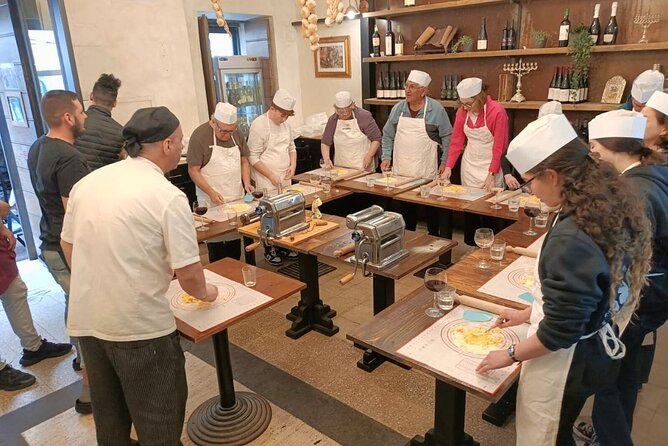
I love the personal attention you get with only 10 participants, and I love that the class includes a full meal: the pasta you make plus a ricotta and visciole dessert and wine served throughout. One thing to consider: this is not a kosher setting, and gluten is involved, so it’s not recommended for anyone with a gluten allergy or with strict dietary needs.
In This Review
- Key things I’d plan around
- Why the Jewish Ghetto makes this pasta class feel different
- Meeting at Via del Portico d’Ottavia, then into a 12th-century eatery
- Hands-on pasta making: from dough work to cooking under the chef
- Seasonal fried starters: artichokes or zucchini flowers
- Two sauces, one confident pasta strategy: cacio e pepe and amatriciana
- Wine throughout, plus ricotta cheesecake that actually feels like dessert
- Value and what you leave with after 2.5 hours
- Should you book this Rome pasta class?
- FAQ
- How many people are in the cooking class?
- What dishes will I cook and taste?
- Can vegans or vegetarians join?
- Is this a kosher cooking class?
- Where do I meet for the experience?
- Can I cancel for a refund?
Key things I’d plan around
- 10-person group size means you’re not just watching.
- Cacio e pepe and amatriciana are two true Roman favorites you’ll learn hands-on.
- Seasonal fried starters switch between fried artichoke and fried zucchini flowers.
- Wine and water flow during the cooking and tasting.
- Pasta from scratch: you’ll work the dough and cook under supervision.
- Apron + cookbook come with the meal, so you leave with something you’ll actually use.
Why the Jewish Ghetto makes this pasta class feel different
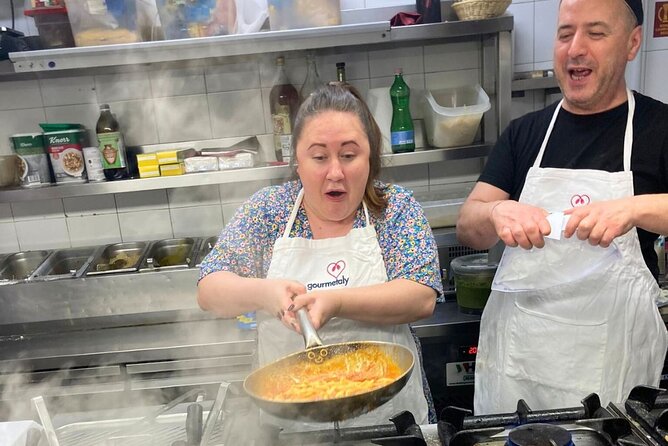
If you want Rome with context, start in the Jewish Ghetto. This class isn’t just a cooking demo; your host guides you through the neighborhood’s food traditions and the legends tied to the area, right as you’re heading into the kitchen. You’ll get tips on how local Roman-Jewish ingredients and flavors shaped dishes you’ll recognize on your plate.
That history-and-food pairing matters because it changes how you eat. When you’re learning cheese-and-pepper cacio e pepe or the pork-and-tomato intensity of amatriciana, you’re also learning the logic behind why Romans build flavor the way they do: simple ingredients, smart technique, and confidence with what goes into the pan.
One more practical point: meeting and cooking here keeps things walkable and atmospheric. You get a built-in pre-dinner feel without needing to plan a separate food-and-sight day.
You can also read our reviews of more tours and experiences in Rome.

Meeting at Via del Portico d’Ottavia, then into a 12th-century eatery
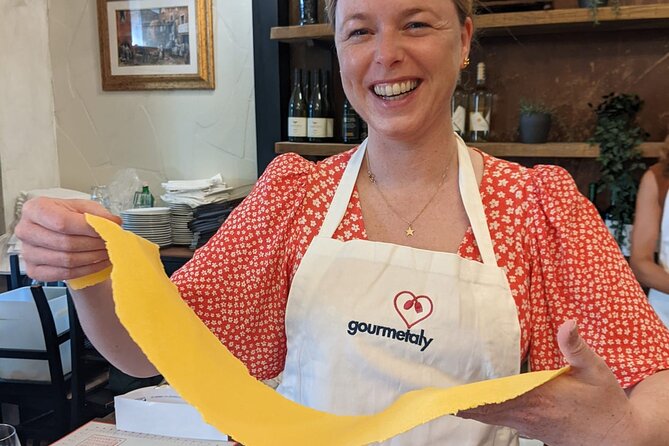
You meet at Via del Portico d’Ottavia, 8, 00186 Roma RM, and the activity ends back at that same meeting point. The area is near public transportation, so you’re not stuck trying to cross Rome like it’s a cardio test.
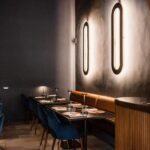
From there, the group goes into the ancient eatery for the workshop. The setting is inside an edifice linked to the 12th century (the kind of place you might spot in TV travel storytelling), which means you’re not cooking in a sterile classroom. You’re in a real food space, with the pace of a dinner service rather than a museum exhibit.
Weather-wise, it operates in all conditions, so dress for Rome in the season you’re traveling. If it’s cold or rainy, you’ll appreciate layers and shoes that handle cobblestones.
Hands-on pasta making: from dough work to cooking under the chef
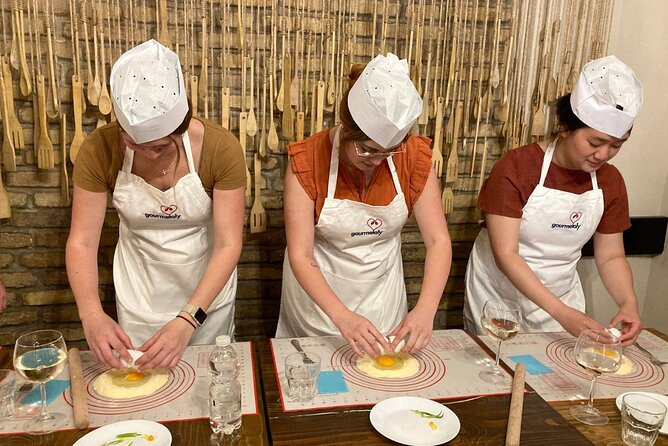
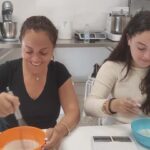
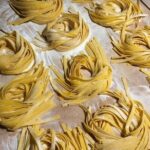
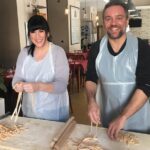
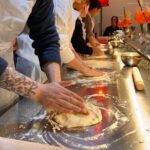
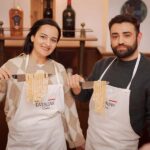
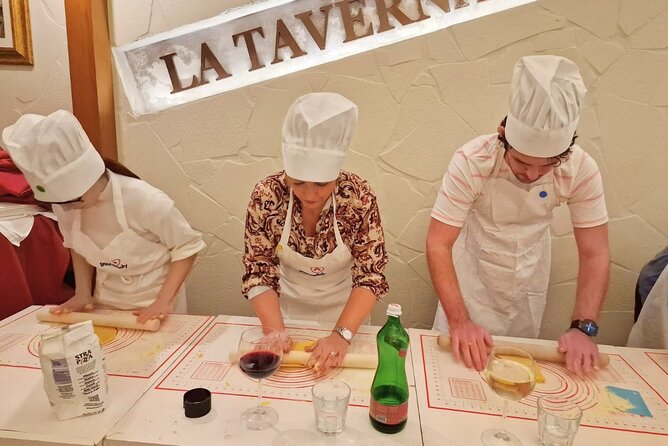
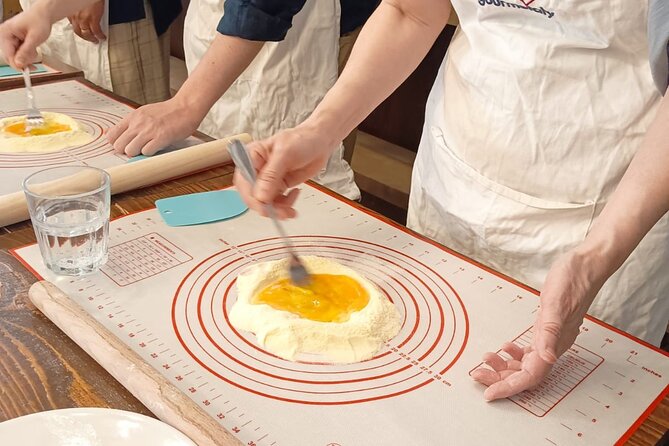
This is a workshop built around doing, not just listening. Your chef started cooking with his grandma, and the class keeps that “learn by making” style at the center of the experience. You’ll help with home-made pasta from scratch, and you’ll also do prep work that fits the seasonal ingredients.
Your host stays with you the entire time, translating between the chef and the group and sharing history and legends about the neighborhood and its unique food style. That translation part is more than convenience. It helps you actually understand the technique the chef is showing, especially when it comes to timing, texture, and how pasta should finish in the pan.
Then comes the moment you’ll remember: you’ll cook a perfect pasta under supervision. That supervision matters because Roman pasta can be a little strict about how sauce and pasta water come together. When you’re working close to the chef, you learn the why, not just the steps.
Seasonal fried starters: artichokes or zucchini flowers
Before sauce and main pasta, you’ll snack on a fried Roman specialty. What you get depends on the season: fried artichoke in winter or stuffed zucchini flower in summer. Either way, it’s a practical way to taste how Roman-Jewish flavors show up in everyday street-style food.
This starter choice is also a smart skill-builder. Frying is one of those techniques that can go wrong fast, so doing it with a chef nearby helps you understand oil temperature, batter or filling behavior, and how quickly things go from golden to overdone.
From the menu details, you’ll likely encounter summer zucchini flowers stuffed with mozzarella and anchovie, plus the winter fried artichoke version. If you’re choosing vegetarian options, the class does note accommodations are possible, but always double-check what is handled in your specific workshop and tasting.
Two sauces, one confident pasta strategy: cacio e pepe and amatriciana
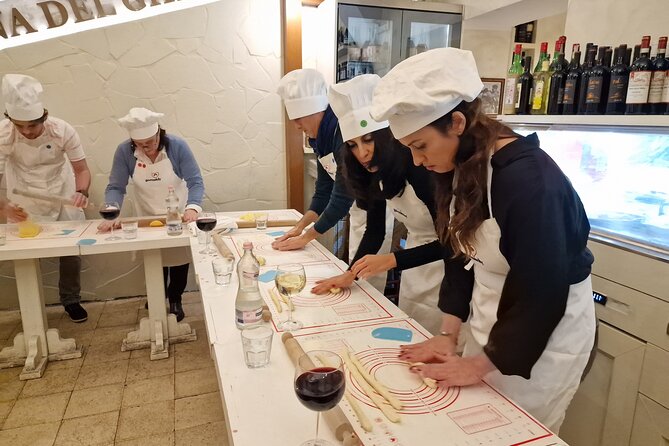
This class teaches you how to build two classic Roman sauces with fresh ingredients, then you’ll apply that knowledge as you cook. The signature duo is cacio e pepe and amaticiana.
Cacio e pepe is all about getting a creamy sauce without turning it into a clumpy mess. You’ll work with pecorino romano cheese and black pepper, and the technique depends on timing and the way the pasta finishes. Amatriciana brings pecorino romano, guanciale, and tomato sauce. It’s punchy and deeply Roman, and learning it here gives you a reference point for what “good” tastes like.
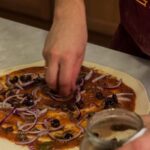
There’s also tonnarelli all’arrabbiata on the sample menu, plus a vegetarian pasta sauce option with tomato, chili, and parsley for no-pork eaters. That combination means you can compare flavor styles: peppery and creamy versus rich and tomato-forward versus spicy and herby.
One small reality check: this class isn’t designed around strict kosher rules, and it includes dairy and pork ingredients in standard dishes. If you have religious dietary limits or food restrictions beyond vegetarian/vegan preferences, you’ll want to be extra careful and ask what will be prepared for your exact session.


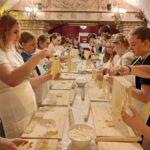
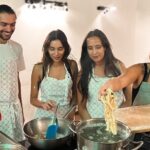
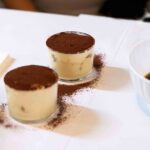
Wine throughout, plus ricotta cheesecake that actually feels like dessert
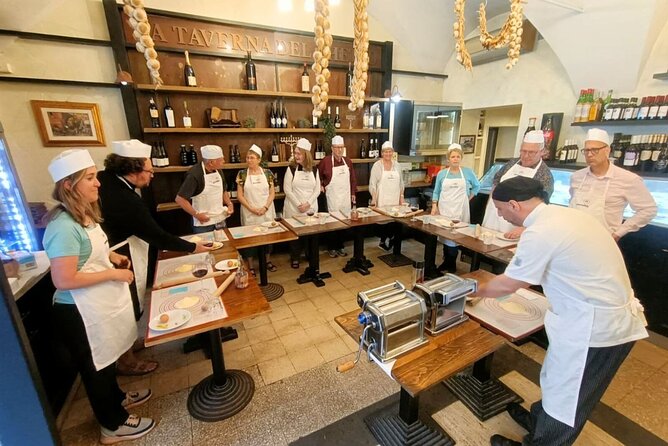
Good news: the class covers what a lot of people spend extra money on in Rome. You get wine and water served all along the cooking class, so you’re not scrambling to find a drink after your pasta lesson.
By the time you sit down to taste, you’re eating what you made, plus the chef’s “gift” dessert: torta di ricotta e visciole, a ricotta cheesecake-style treat with black sour cherry jam. That’s a very Roman-Jewish pairing, and it works as a satisfying end to a meal that’s built on cheese and pepper earlier.
The sample menu is designed so the food is enough to cover dinner. That’s a major value point because the $104.25 price isn’t just paying for instruction. It’s paying for ingredients, equipment, tastings, dessert, and drinks in a small setting.
Value and what you leave with after 2.5 hours
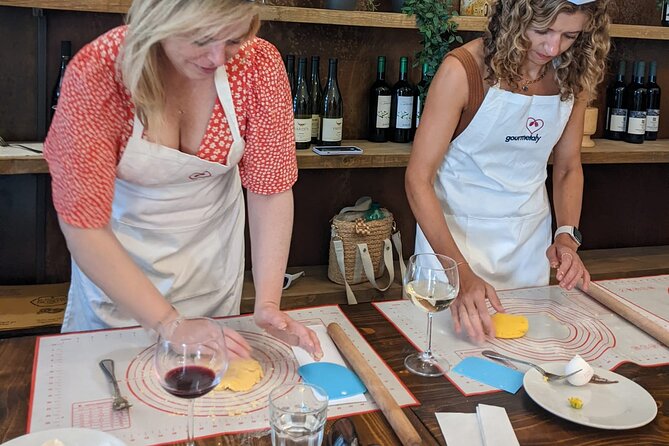
At $104.25 per person for about 2 hours 30 minutes, you’re paying for a full evening: hands-on cooking, guided translation, a multi-part menu, and wine included. The small-group cap of 10 matters here. It’s not a “pack you into a crowd” class, so you get enough attention to learn something you can repeat later.
You also leave with practical takeaways. Included in the experience are all cooking equipment and ingredients, a 100% cotton apron, and a free cookbook plus Best Restaurants guides. You’ll also get bottled water. That combination turns the class into a souvenir you’ll use at home, not a paper certificate you toss in a drawer.
If you’re booking in advance, keep in mind that this type of class tends to fill. On average it’s booked about 86 days ahead, so earlier planning gives you more choice of dates.
Should you book this Rome pasta class?
Book it if you want Rome’s food in a setting that feels personal: small group, hands-on pasta, and a chef-focused evening with drinks and dessert included. It’s also a good pick if you like learning context as you eat, since your host brings in stories about the Jewish Ghetto food tradition and translates the chef’s techniques.
Skip or ask a lot of questions if you need strict dietary control beyond vegan/vegetarian accommodation, because allergen notes include milk, eggs, soya, mustard, nuts, and gluten, and the experience is not kosher. And if gluten is a serious medical issue for you, the class isn’t recommended.
If you’re the kind of traveler who likes one great meal you can recreate at home, this is the type of Rome activity that actually teaches you something.
FAQ
How many people are in the cooking class?
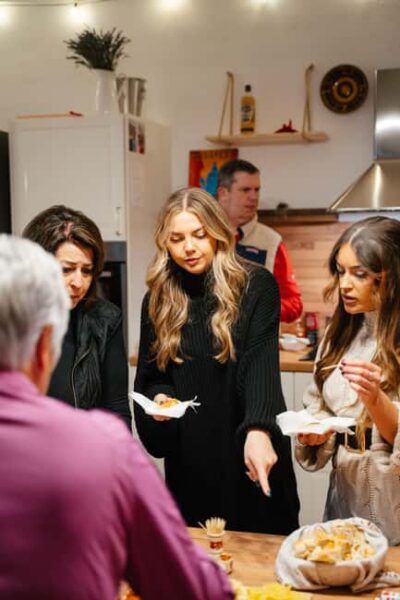
The class has a maximum of 10 travelers, which is set up for small-group attention. Your host and chef can work with you more closely than in larger cooking workshops.
What dishes will I cook and taste?
You’ll make home-made Roman-style pasta from scratch and learn two sauces from fresh ingredients. The sample menu includes cacio e pepe, amatriciana, tonnarelli all’arrabbiata, plus a vegetarian sauce option and a fried seasonal starter (fried artichoke in winter or zucchini flowers in summer), ending with torta di ricotta e visciole.
Can vegans or vegetarians join?
Yes. The workshops can accommodate vegans and vegetarians. You should still confirm what will be prepared for your specific menu needs, since the note says the team cannot guarantee special food requirements and allergens may be present.
Is this a kosher cooking class?
No. The restaurant and the food provided are not kosher, and this is noted clearly as not a kosher cooking class.
Where do I meet for the experience?
You meet at Via del Portico d’Ottavia, 8, 00186 Roma RM, Italy. The tour ends back at the same meeting point.
Can I cancel for a refund?
Yes, free cancellation is available. You can cancel up to 24 hours in advance of the experience start time for a full refund.