REVIEW · SANTORINI
Santorini Family Farm Food & Wine Tour with Cooking Class
Book on Viator →Operated by Argyros Travel · Bookable on Viator
Tomato cooking in Santorini beats the crowds. This family farm food and wine tour pairs a hands-on cave-farm cooking class with wine tastings and a guided walk through Megalochori’s kadounia maze of stone paths. I like that it feels built around everyday agriculture, not just photo stops, and that you get island context from hosts like Anna (often Anna Maria) along the way.
I love the garden-to-plate vegetables used in the dishes you cook, from tomatoes for domatokeftedes to fava beans for Santorini fava. I also love that the afternoon ends with a village walk that pulls you away from the busiest lanes. One possible drawback: the menu has a heavy tomato focus, so if tomatoes are an issue, check first.
In This Review
- Key Moments That Make This Tour Worth Your Time
- A Santorini Day Built Around Real Farm Life (Not Just Vineyards)
- Megalochori’s Kadounia: The Maze You’ll Want to Walk Slowly
- The Cave Farm Cooking Class: Tomatoes, Fava, and Hands-On Steps
- A Practical Note About the Tomato Focus
- Wine Tasting with Santorini’s Volcanic Terroir Explained
- How the Transport and Timing Keep It Easy
- Price and Value: What You’re Really Paying For
- Who This Tour Fits Best (And Who Might Want Another Option)
- Practical Tips to Make Your Afternoon Smoother
- Should You Book This Santorini Family Farm Food and Wine Tour?
- FAQ
- How long is the Santorini Family Farm Food and Wine Tour with Cooking Class?
- Is hotel pickup included?
- What food and dishes are included in the cooking class menu?
- What about the wine—how much do you taste?
- How big is the group?
- Does the tour run if the weather is poor?
Key Moments That Make This Tour Worth Your Time
- Small group size (max 12) keeps the cooking class hands-on and the conversations easier.
- Cave-farm cooking with seasonal produce means you’re working with ingredients grown for the day’s meal.
- Tomato fritters, Santorini fava, and fried eggplant/zucchini turn classic dishes into something you learn by doing.
- Wine tasting with volcanic terroir talk gives you more than sip-and-smile trivia.
- Megalochori kadounia stone pathways add a real-feeling local finish, far from cruise-ship foot traffic.
A Santorini Day Built Around Real Farm Life (Not Just Vineyards)
If you’ve come to Santorini for the views, this tour offers a different angle: how people actually live off the island’s soil. Instead of treating food like a souvenir, the experience centers on growing, harvesting, and cooking what the land provides. It’s also short enough—about 4 hours 30 minutes—to fit into a busy visit without turning your day into a full production.
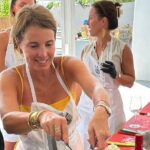
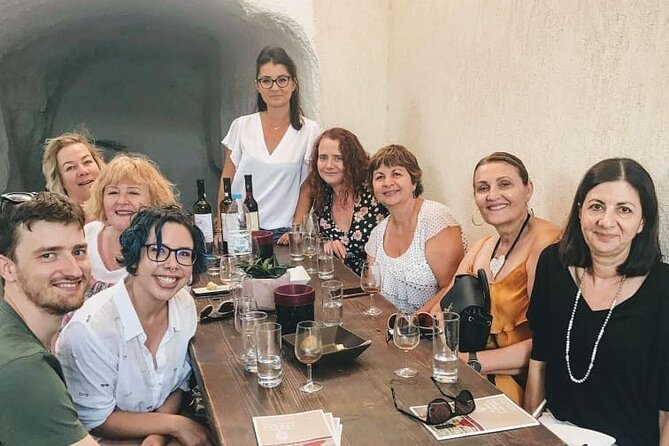
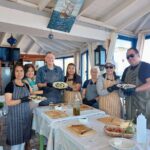
What helps is the scale. With a maximum of 12 travelers, you’re not stuck watching from the sidelines. Your guide, often Anna (Anna Maria), sets a friendly pace and makes space for questions. The vibe shows up in the details, like the chance to eat outside under shade while you talk about farming traditions and day-to-day life.
You can also read our reviews of more tours and experiences in Santorini.
Megalochori’s Kadounia: The Maze You’ll Want to Walk Slowly
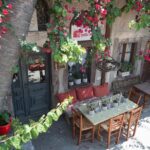
Megalochori is known for its kadounia, the narrow stone pathways that form a labyrinth through the village. This part matters because it’s not a generic “walk past a landmark” routine. A guided stroll helps you notice the scale, the layout, and why locals built paths that stay practical and sheltered.
You’ll be walking on uneven stone streets and lanes, so comfortable shoes matter. Plan for a few stretches where you’ll slow down, look up, and take in the atmosphere rather than rushing to the next stop. It’s a great ending to the day because the walking gives your legs a reset after the cooking and tasting.
The Cave Farm Cooking Class: Tomatoes, Fava, and Hands-On Steps
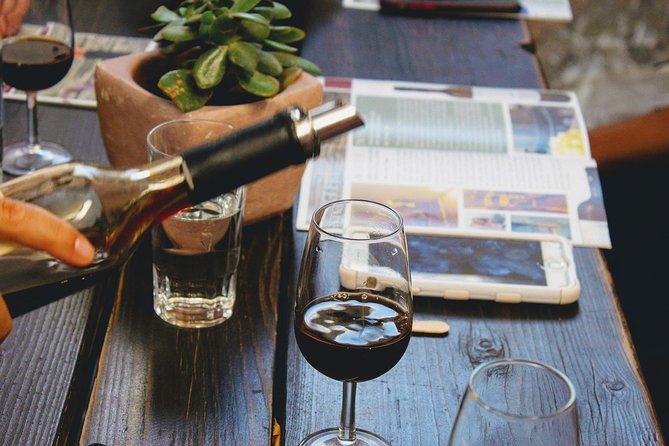
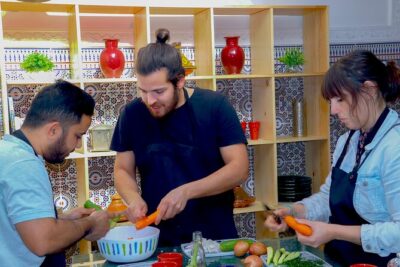
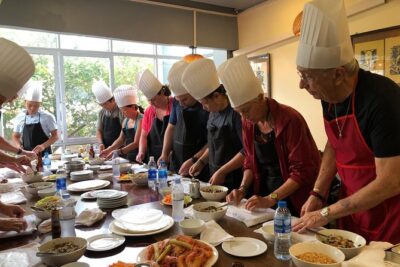
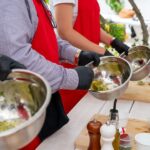
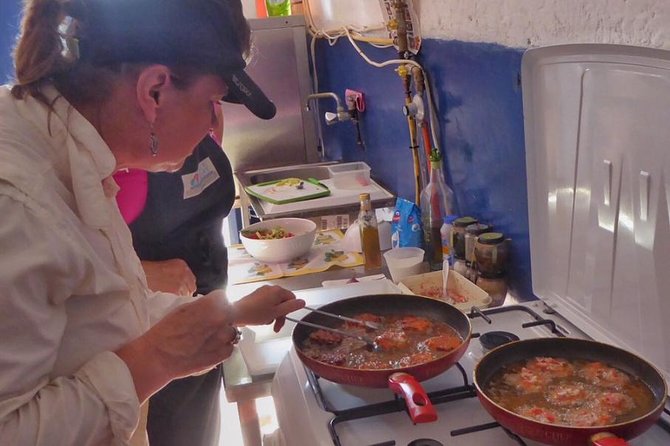
The heart of the tour is the cooking class at the family farm setting. You start with the garden angle: fresh, seasonal vegetables are part of the story, and the meal isn’t just ordered—it’s prepared. The experience is built around local recipes and techniques that link back to generations of Santorinian food culture.
Here’s what you’re set up to cook and eat:
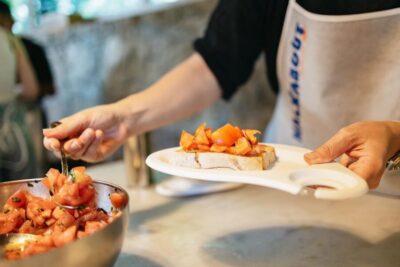
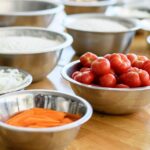
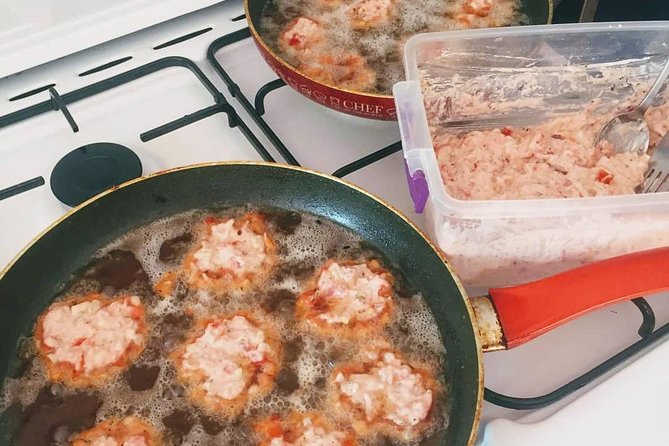
- Tomato fritters (domatokeftedes): You use fresh local tomatoes, and you learn how they turn into those savory little balls you can’t really fake without the right approach.
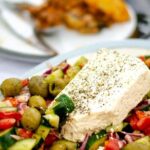
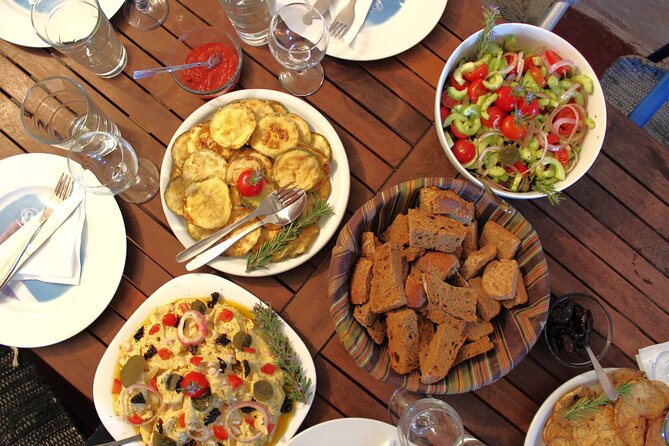
- Greek salad with farm ingredients: Expect cherry tomatoes, cucumbers, onions, feta, handpicked capers, extra virgin olive oil, and local olives—all pulled from what the farm provides.
- Santorini fava: This is the star for anyone who hasn’t tried it. It’s a yellow split-pea purée with a texture similar to hummus, served with fava beans sourced from the fields.
- Fried white eggplant & zucchini: Lightly fried seasonal vegetables, prepared in the traditional way.
- Greek yogurt with homemade marmalade: The marmalade uses Santorini cherry tomatoes, which brings things full circle with sweet-tangy fruit flavors.
A standout detail from the experience style is where you eat. Many people remember sitting outdoors under an old canopy tree, with the food you cooked in front of you. That makes the meal feel like a shared table, not a staged demo.
A Practical Note About the Tomato Focus
Because tomatoes are central—from fritters to salad to marmalade—people with tomato allergies or strong dislikes should think carefully. This is a farm-based cooking class, not a flexible menu studio. If tomatoes are a concern, ask ahead before you book.
Wine Tasting with Santorini’s Volcanic Terroir Explained
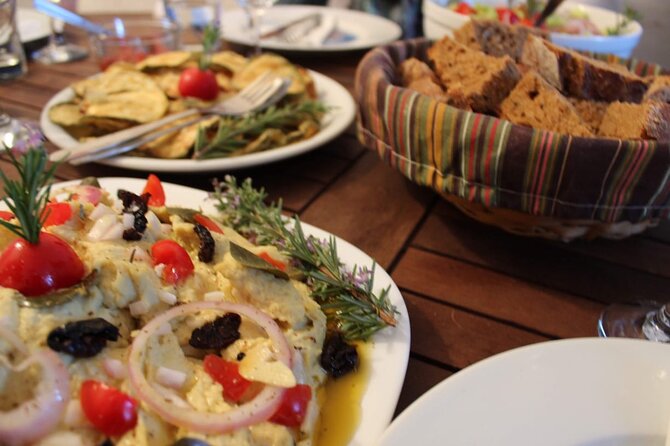
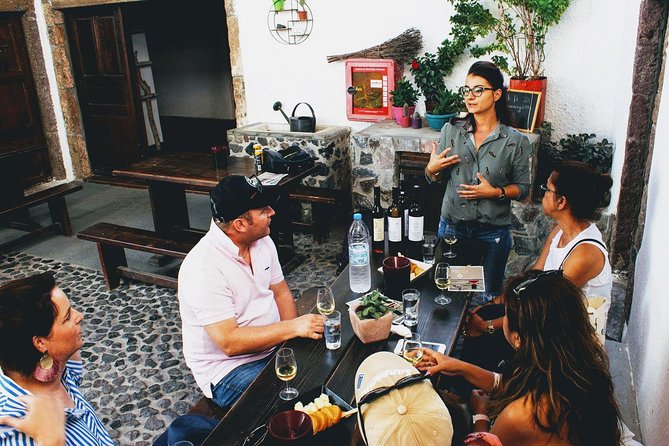
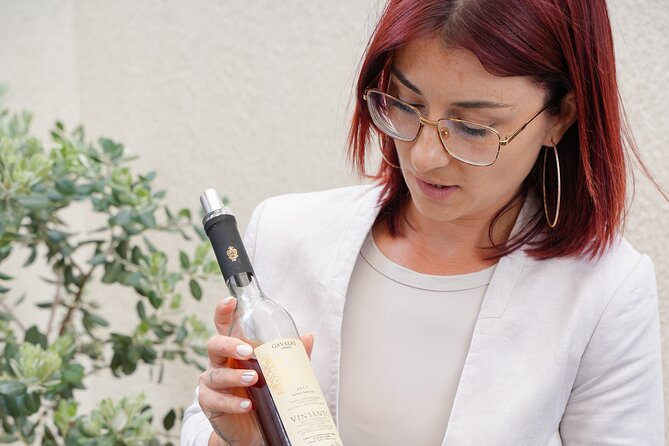
After the cooking, you shift from the kitchen to the vineyards. You’ll enjoy wine tasting with four glasses of local produced wines, and the tour description points to visits tied to Santorini wineries. You get an education angle too: the tasting comes with explanations about the island’s volcanic terroir and indigenous grape varieties.
This is where the tour earns its place for food people who also like wine. The point isn’t to turn you into a sommelier. It’s to help you taste with context—why these grapes and styles make sense on this island, and how farming conditions influence what ends up in the glass.
One thing I’d plan for: wine adds time, and it slows you down in a good way. Expect the tasting to be part of the tour’s conversation-driven rhythm. If you’re the type who enjoys asking questions and learning how farms and wineries work, you’ll likely have a great time with the guide’s stories.

How the Transport and Timing Keep It Easy
The tour includes transport by air-conditioned minivan and hotel pickup and drop-off for selected hotels. If your hotel isn’t in the list, you’re instructed to message about pickup time and place. Either way, the goal is to remove stress, especially when you’re dealing with Santorini’s roads and the island’s frequent traffic swings.
The meeting point is Stathmos Leoforion (Fira 847 00, Greece), with the tour ending back at the meeting point. That matters if you’re building the rest of your day around it, because you’ll know where to return.
The operating style also matters. The tour states it runs in all weather conditions and asks you to dress appropriately. At the same time, the cancellation terms note weather can trigger a different date or full refund. Bottom line: if you book for a day with rough forecasts, bring layers and be ready for a plan change.
Price and Value: What You’re Really Paying For
At $145.12 per person for about 4.5 hours, this tour isn’t cheap on paper—but it’s also not just a tasting. In the price, you’re getting:
- a guided experience
- a live cooking class
- wine tasting (four glasses)
- bottled water
- fuel surcharge and taxes
- air-conditioned minivan transport
- pickup and drop-off for selected hotels
The value comes from combining three elements that normally cost more when separated: a cooking class meal, wine tastings, and a village walk guided through local context. Add in the small group size, and you’re not paying for a “big bus” day. You’re paying for a tighter, more personal afternoon.
Also, it’s being booked fairly ahead of time (about 38 days on average). That’s often a sign the day slots sell out, especially when cruise schedules and hotel availability line up.
Who This Tour Fits Best (And Who Might Want Another Option)
This is a smart match if you want Santorini through food, farming, and village life, not just viewpoints. I’d especially recommend it for couples and small groups who enjoy cooking and want a shared table experience. It also works for families—children must be accompanied by an adult, and the tone from the experience style suggests kids can be included in the activities rather than just observing.
If you’re a wine-only person, this might feel like more food than you expected, because the menu centers around cooking and eating. On the flip side, if you’re strictly vegetarian, you’ll want to ask how the dishes are handled. The data lists multiple tomato- and vegetable-based dishes, but it doesn’t spell out vegetarian substitutions.
Practical Tips to Make Your Afternoon Smoother
A few small things make a noticeable difference:
- Wear sneakers or closed shoes for the stone village lanes and farm surfaces.
- Bring a light layer in case the weather shifts; the tour asks you to dress appropriately.
- Think about tomatoes ahead of time if you have allergies or a serious dislike.
- Plan for small-group attention: with max 12 people, questions are part of the experience—so be ready to talk.
If you’re lucky, you may also meet the driver Konstantinos, who has been mentioned as bringing stories to the ride. Those little back-and-forth moments are often what people remember after the meal is done.
Should You Book This Santorini Family Farm Food and Wine Tour?
I think this is an easy yes for anyone who wants a break from the busiest Santorini routines and prefers learning through hands-on cooking. The big wins for me are the farm ingredient focus, the chance to cook classic island dishes, and the fact that the day ends in Megalochori’s kadounia maze—an authentic-feeling finish instead of a rushed checklist.
If you’re sensitive to tomatoes, or you want a more wine-centric program with minimal cooking, consider your priorities first. Otherwise, for a half-day with transport, wine, and a real meal you help make, this is the kind of tour that gives you more than a souvenir taste.
FAQ
How long is the Santorini Family Farm Food and Wine Tour with Cooking Class?
The tour lasts about 4 hours 30 minutes (approx.), including the time spent at the farm, wineries, and the village walk.
Is hotel pickup included?
Hotel pickup and drop-off are included for selected hotels. If your hotel is not on the list, you need to message to set up the pickup time and place.
What food and dishes are included in the cooking class menu?
You’ll cook and eat tomato fritters (domatokeftedes), Greek salad, Santorini fava, fried white eggplant & zucchini, and Greek yogurt with homemade marmalade made from cherry tomatoes.
What about the wine—how much do you taste?
You’ll enjoy wine tasting with four glasses of local produced Santorini wines.
How big is the group?
The experience has a maximum of 12 travelers.
Does the tour run if the weather is poor?
It operates in all weather conditions and you should dress appropriately. If it’s canceled due to poor weather, you’ll be offered a different date or a full refund.