REVIEW · ROME
Rome: Traditional Pizza Cooking Class near Piazza Navona
Book on GetYourGuide →Operated by IPM COETUS SRL · Bookable on GetYourGuide
Dough, wine, and a perfect Rome pizza lesson. This hands-on Roman pizza class happens right by Piazza Navona at Osteria Pasquino, where you make the dough, build a pie, and then eat it in the same restaurant setting. I love that you get both the cooking instruction and the full osteria vibe, with prosecco on arrival and a sit-down meal afterward.
The main thing to watch is the included drinks flow: you get complimentary prosecco, but if you want to swap it for another drink, clarify early what counts toward the included wine/beer/soda so you do not get surprised later.
In This Review
- Key Highlights You’ll Care About
- Osteria Pasquino: the Rome Square Setting You’ll Want After the Oven
- What You’ll Make: Roman Pizza, Not Just Any Pizza
- The Hands-On Steps (and Why They Matter in Real Life)
- Drinks, Bruschetta, and the Best Part: Eating Where You Cooked
- Your Instructor: From Luca to Elisa to Simone and Sara
- Timing and Pace: a 2-Hour Class That Still Feels Like a Real Meal
- Price and Value Near Piazza Navona (What You’re Really Buying)
- Who Should Book This Pizza-Making Class
- Tips So You Have a Smooth, Fun Evening
- Should You Book This Roman Pizza Class?
- FAQ
- FAQ
- Where is the meeting point for the pizza class?
- How long does the Rome pizza cooking class last?
- Is the class beginner-friendly?
- What’s included with the class?
- Can I accommodate vegetarian or other dietary needs?
- Is it suitable for kids or gluten intolerance?
Key Highlights You’ll Care About
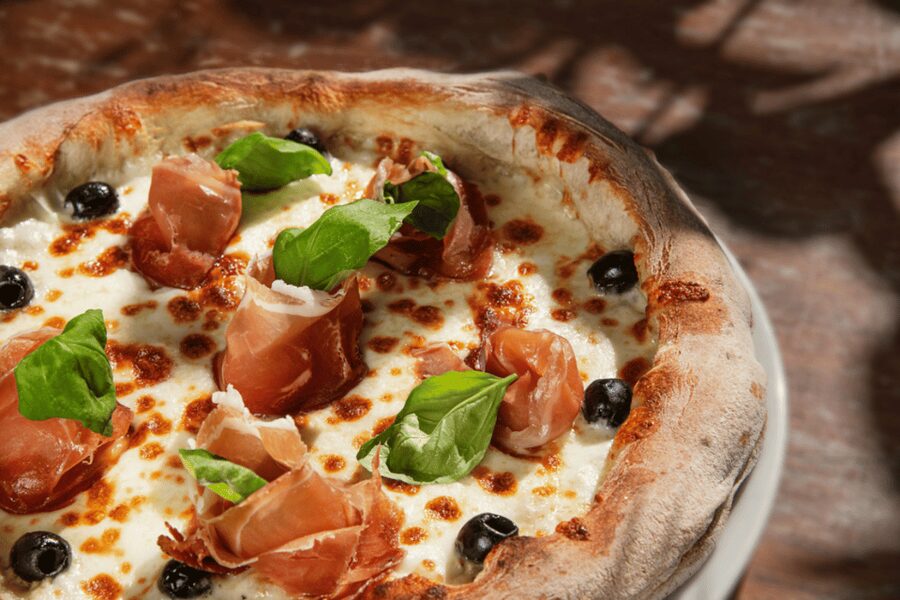
- Roman Pizza from scratch-ish: dough work, stretching, topping, and a real oven bake, not just assembling
- Small groups (up to 10): you actually get hands-on help while you’re standing there holding dough
- Osteria Pasquino right at Piazza di Pasquino 1: you start inside and end with your own pizza and drinks
- Language support in English: the instruction is designed for English-speaking cooks, from flour to finish
- Food and drink aren’t an afterthought: bruschetta + your choice of included drink + limoncello or coffee after
Osteria Pasquino: the Rome Square Setting You’ll Want After the Oven
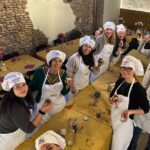
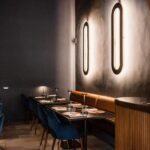
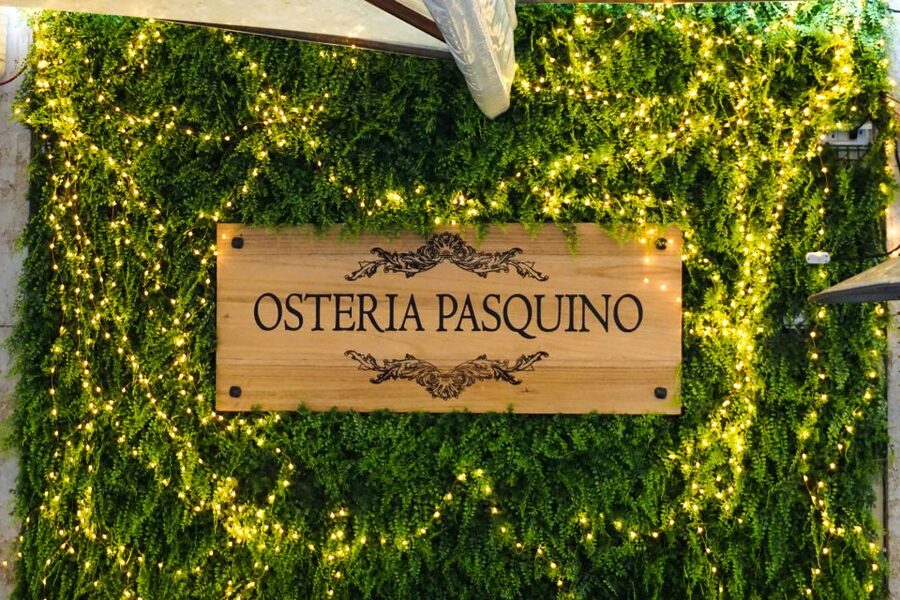
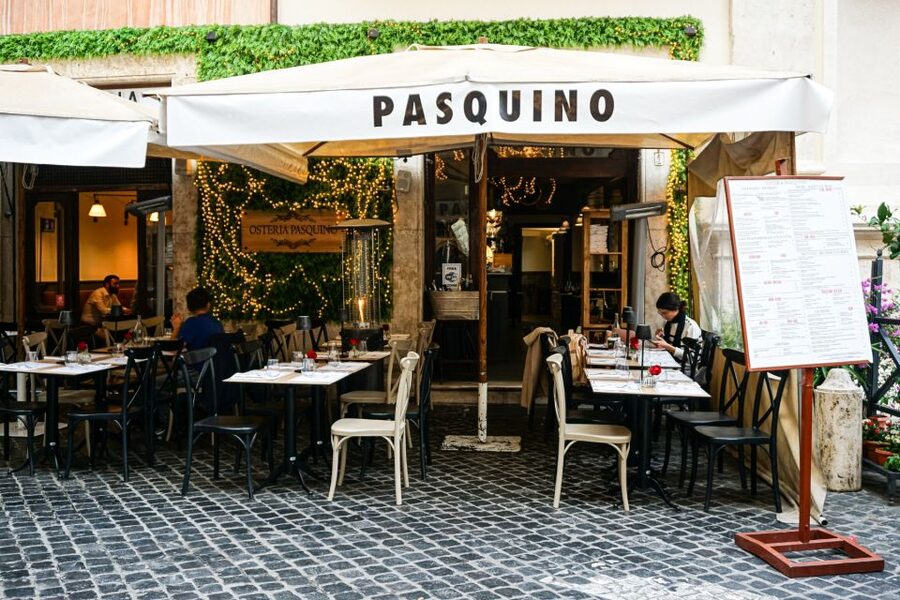
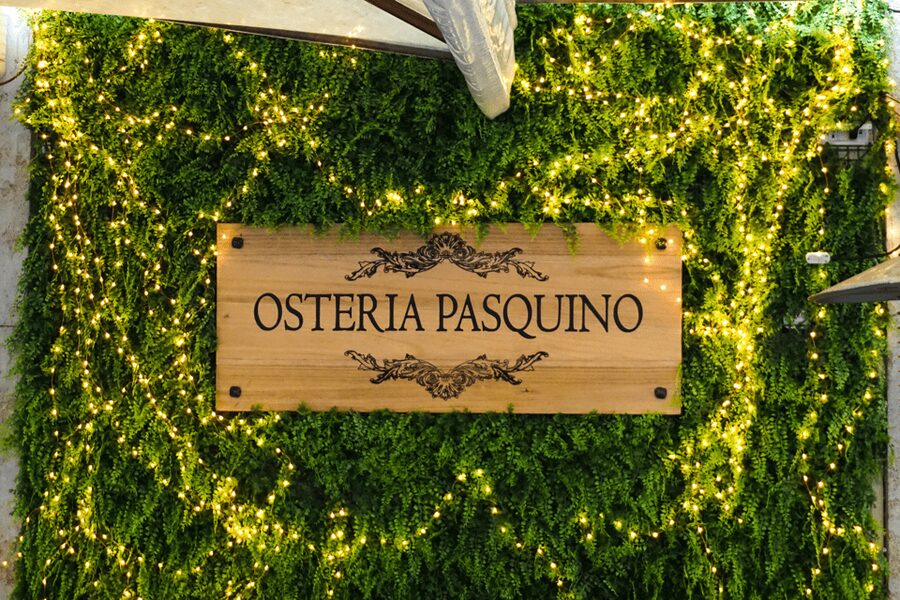
This class is built around a simple idea: learn in the kitchen, then enjoy your result without rushing off to find your next meal. You meet inside Osteria Pasquino on Piazza di Pasquino 1, a short hop from Piazza Navona. It’s the kind of location where walking out feels like you’ve stepped into a movie set—stone steps, church bells, and people drifting through the square.
What helps here is that the setting is not just for photos. You’re in a working osteria. So the whole experience feels like a real evening out, not a rushed tourist workshop with plastic chairs and paper aprons.
One practical note: the class is meeting inside, but you may see people gathering just outside first. If you arrive and it looks like nothing is happening, ask a waiter to escort you to the class area. That one move saves time and stress.
You can also read our reviews of more tours and experiences in Rome.
What You’ll Make: Roman Pizza, Not Just Any Pizza
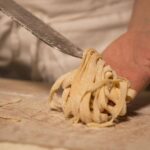
This is a Roman-style approach, often called pizza Romana. You’ll get a taste for the logic of the dough and the build. It’s not only about choosing toppings. The instruction focuses on how dough should feel, how to handle it without tearing it up, and how to get that correct thin, satisfying bite.
You’ll also hear plenty of pizza context while you work. Some recent classes were led with stories about pizza history and variations, plus a bit of the science behind dough. That matters because it turns you from a follower of steps into someone who understands why the dough does what it does.
And yes, you’ll likely be able to tell the difference after one lesson. A good pizza class doesn’t just produce a meal. It teaches your hands what “good” looks like—so you can recreate it later.
The Hands-On Steps (and Why They Matter in Real Life)
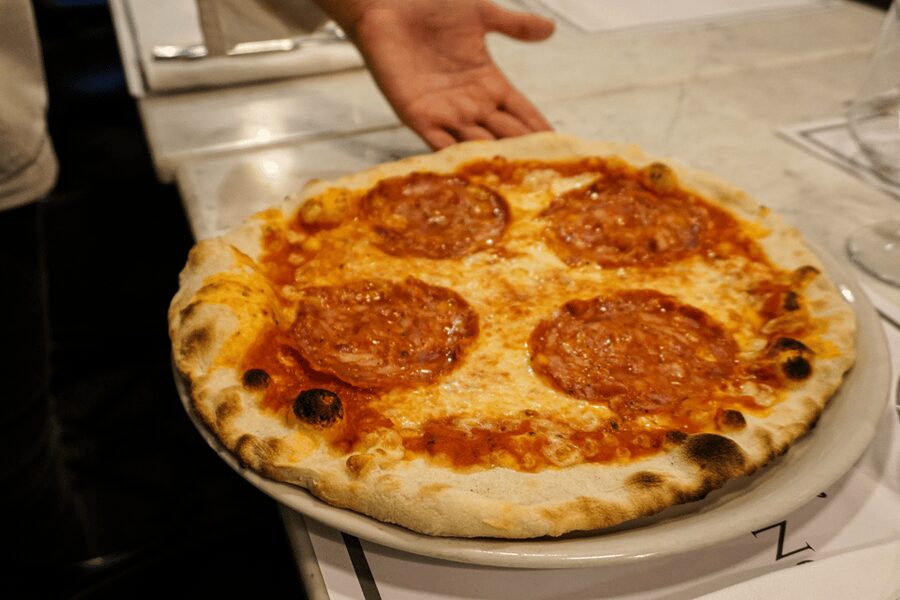
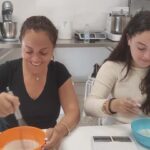
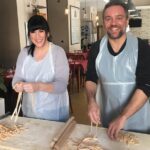
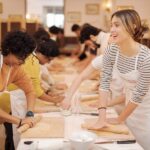
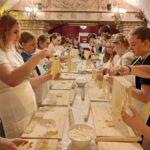
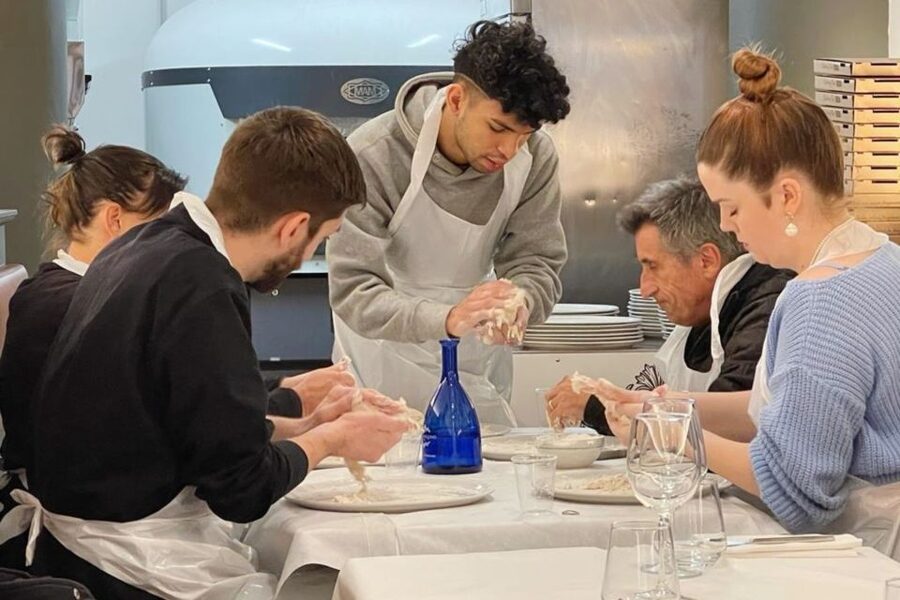
Plan on getting your hands dirty. That’s the whole point. Even if you’re brand new, the teaching style is designed to get you moving quickly through the key steps.
From what you’ll experience, the workflow usually looks like this:
1) Dough work and prep mindset
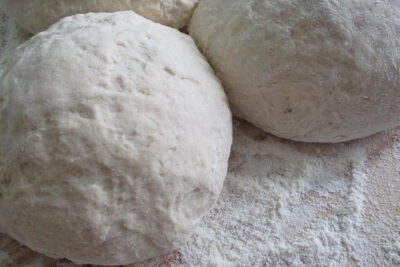
You start by learning how the dough should be handled. In some classes, instructors explain that the dough is typically pre-risen (often 24–48 hours), so your job focuses on shaping and building rather than waiting around for yeast magic.
2) Stretching with control
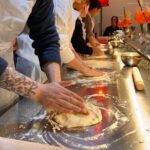
Instead of only rolling dough, you learn how to get it thin without turning it into a sticky mess. In at least one class, the instructor emphasized tossing techniques—like moving flour off by tossing from one hand to the other—so the dough doesn’t turn tough from extra dust.
3) Toppings you can actually manage
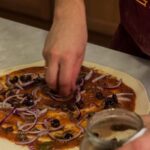
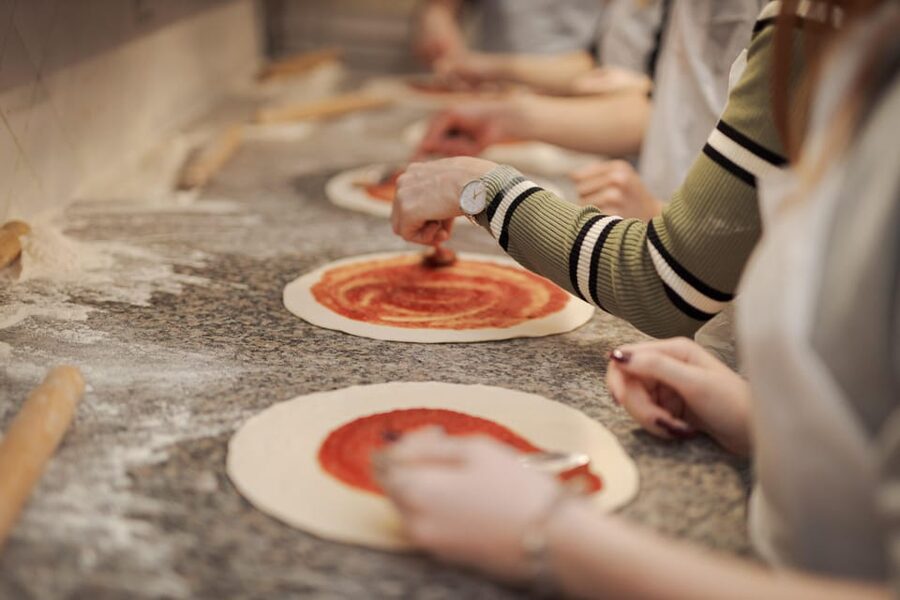
You get guidance on portioning and placement. That sounds basic until you’re standing there wondering how much is enough. The instruction helps you avoid two common mistakes: under-topping (it tastes flat) or over-topping (it turns watery).
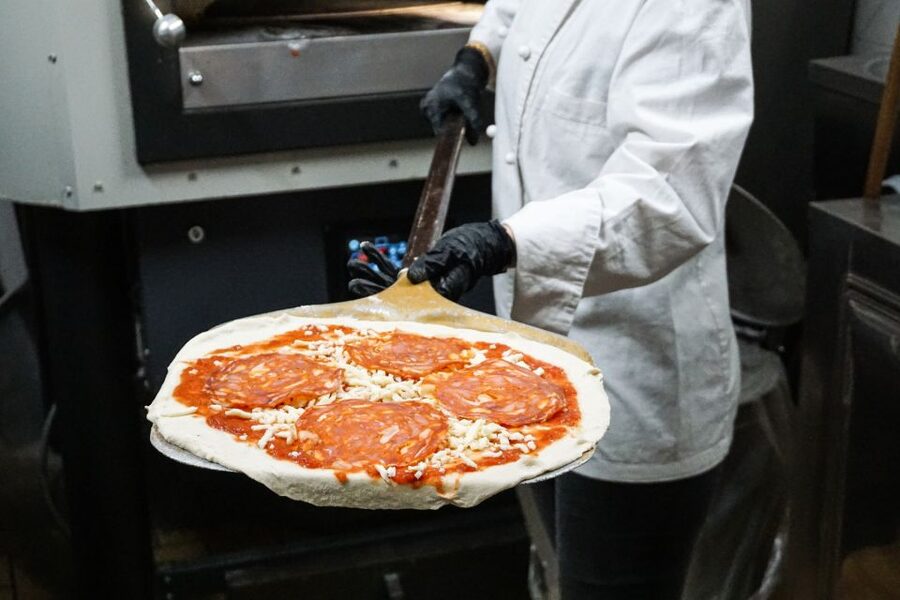
4) Baking and eating with the payoff taste
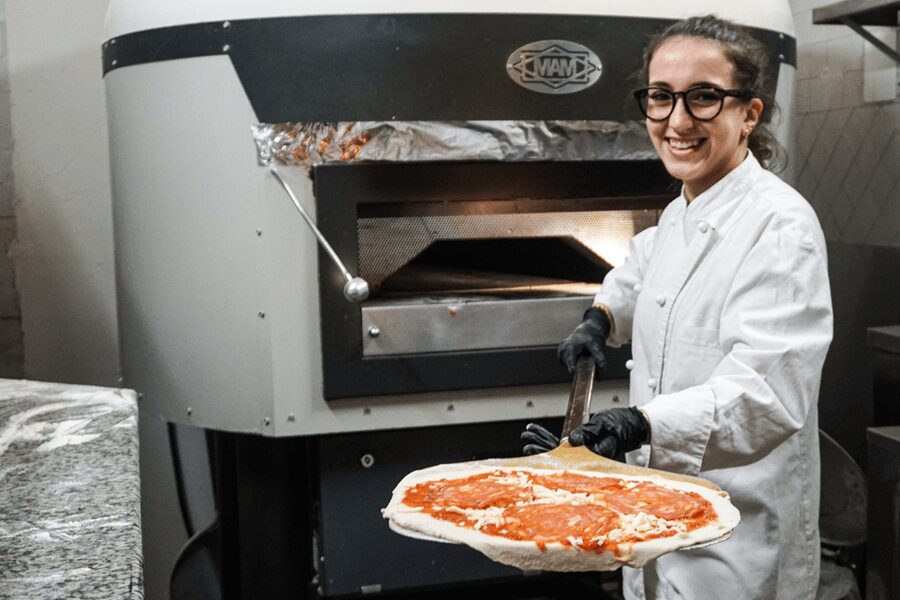
Once your pizza is baked, the best part kicks in: you eat the pizza you just made, with the restaurant treating it like a real meal.
If you’ve ever done a food tour and felt like you only watched the cooking, this feels different. You’re part of the process, and you leave with a working feel for pizza dough—something you can’t get from tasting alone.
Drinks, Bruschetta, and the Best Part: Eating Where You Cooked
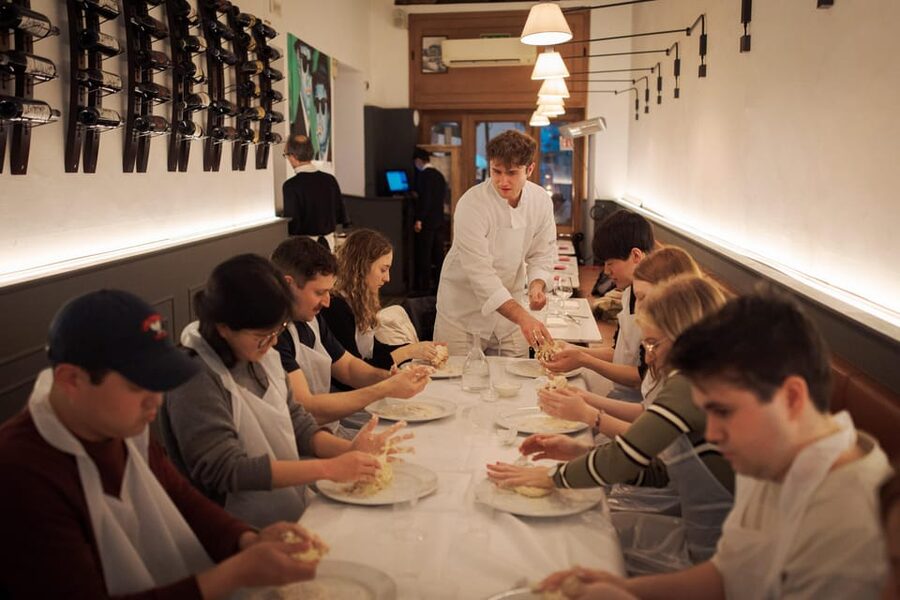
Here’s the value lever: you don’t just make pizza and then leave. After the class, you’re seated in the osteria and served like you’re part of the restaurant’s evening.
The experience includes:
- Complimentary prosecco on arrival (a gift from the restaurant)
- Water plus an included glass of wine or small glass of beer
- Appetizers such as bruschetta
- After your pizza, limoncello or coffee depending on what’s offered in your session
This is why the class price feels fair. At around $46 per person for a 2-hour, English-taught, small-group hands-on lesson in a central historic restaurant, you’re not paying only for instruction. You’re paying for an entire evening rhythm: welcome drink, appetizer, your own pizza, then limoncello/coffee. That’s hard to replicate on your own without booking multiple activities.
One thing to keep in mind: the drinks are part of the included plan. There’s a small risk of confusion if you request a change on arrival (like opting out of the prosecco). If you care about what you’re being served, ask early so it’s clear what counts toward your included drink options.
Your Instructor: From Luca to Elisa to Simone and Sara
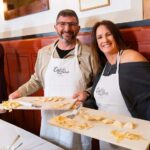
The class runs with English-speaking instructors (and skilled chefs). You might be taught by different people depending on the date. Names that have come up in recent classes include Luca, Elisa, Simone, Sara, Ana, and Georgia.
Why you should care about names: each instructor seems to bring a similar goal—make the steps clear, keep the pace friendly, and turn the class into an actual fun evening. Several past sessions emphasized humor and relaxed teaching. And when the group size is capped at 10 participants, that tone matters because it makes it easier to ask questions and get corrections on the spot.
If you love watching cooking styles, pay attention to how your instructor handles dough and explains it. Even if you only remember one trick—like tossing off excess flour or stretching without tearing—you’ll have something useful to take home.

Timing and Pace: a 2-Hour Class That Still Feels Like a Real Meal
The experience is listed at 2 hours. In practice, that time is enough for dough work, shaping, topping, baking, and eating your pizza. With a small group and active hands-on steps, the pace doesn’t drag.
A few people noted that their class felt shorter than expected. That can happen when groups move quickly or when certain steps are streamlined. If you’re the type who likes every moment laid out, go in with flexible expectations and plan your schedule with a little buffer afterward. The bigger win here is not the exact minute count—it’s the full chain from dough to dinner in one place.
Price and Value Near Piazza Navona (What You’re Really Buying)
At $46 per person, this pizza class isn’t trying to be the cheapest thing in Rome. It’s positioned for people who want a higher-value experience in the center: historic setting, small group, real instruction, and a restaurant meal that follows.
Here’s where the value shows up:
- Small group size (max 10) means more real time with the instructor
- You eat what you make rather than leaving right after cooking
- Drinks and bruschetta are included, which reduces the “surprise extras” you’d otherwise deal with at sit-down meals
- The location—Piazza Navona area—saves time. You’re not commuting across town to do a cooking demo
If you’re comparing options, ask yourself what you want to remember from Rome: the taste, the story, or the hands-on skill. This leans toward the last two.
Who Should Book This Pizza-Making Class
This is a great fit if you:
- Want an easy, beginner-friendly activity that still feels hands-on
- Like pairing learning with a proper meal and drinks
- Travel with teens or adults who enjoy cooking tasks
- Prefer small-group experiences instead of crowds
You might skip it if:
- You need a strict gluten-free option (gluten intolerance isn’t listed as suitable)
- You’re traveling with kids under 5 (not suitable)
- You hate the idea of working with your hands for the full session (this is not just watching)
Wheelchair access is noted as available, which is a plus in a historic central Rome location.
Tips So You Have a Smooth, Fun Evening
A little prep makes this feel effortless.
- Arrive a few minutes early and be ready to ask a waiter to escort you to the class inside Osteria Pasquino.
- Ask about drink choices right away if you want something other than the included prosecco on arrival. Keep it simple: tell them what you prefer and confirm it counts.
- Go hungry in a good way. You’ll eat bruschetta and your own pizza, then finish with limoncello or coffee.
- Expect to learn one or two concrete dough-handling tricks, not just a general feel. If you focus on how dough should stretch and how toppings should sit, you’ll take something home.
And a light bit of humor: if you’ve never used a rolling pin before, you’re exactly the kind of person this class is made for.
Should You Book This Roman Pizza Class?
If you want a Rome experience that mixes hands-on cooking with a charming historic-restaurant dinner, I’d book it. The best reason is the structure: you make Roman pizza, you eat it where you cooked it, and the included drinks and bruschetta make it feel like a complete evening rather than a quick snack-and-go activity.
The one real consideration is drink clarity. Ask early how the included beverages work if you want to swap anything. If you do that, you’re set up for a straightforward, fun, genuinely tasty night near Piazza Navona.
FAQ
FAQ
Where is the meeting point for the pizza class?
Meet inside Osteria Pasquino at Piazza Pasquino 1. When you arrive, ask a waiter to escort you to the class.
How long does the Rome pizza cooking class last?
The class duration is listed as 2 hours. Starting times depend on availability.
Is the class beginner-friendly?
Yes. The class is designed for people with no prior experience, and the instruction is provided in English.
What’s included with the class?
You’ll have an instructor, coffee and tea or a glass of limoncello, bottled water, and a glass of wine or a small glass of beer. You’ll also be served appetizers such as bruschetta and you’ll eat your own pizza after.
Can I accommodate vegetarian or other dietary needs?
Vegetarian options are available, and other diets are supported. You should inform the activity provider of your dietary needs when booking.
Is it suitable for kids or gluten intolerance?
It’s not suitable for children under 5. Gluten intolerance is listed as not suitable. Wheelchair accessibility is available.