REVIEW · HYOGO PREFECTURE
Private Home-Style Cooking Class in Osaka with Local Mom Yoshiko
Book on Viator →Bookable on Viator
A real home kitchen beats any restaurant dinner. I like the private setup with Yoshiko in her own space, and I love starting with dashi, since it makes Japanese flavors click fast. One thing to consider: you’re eating at the end point, not back at the station, so plan your return on your own.
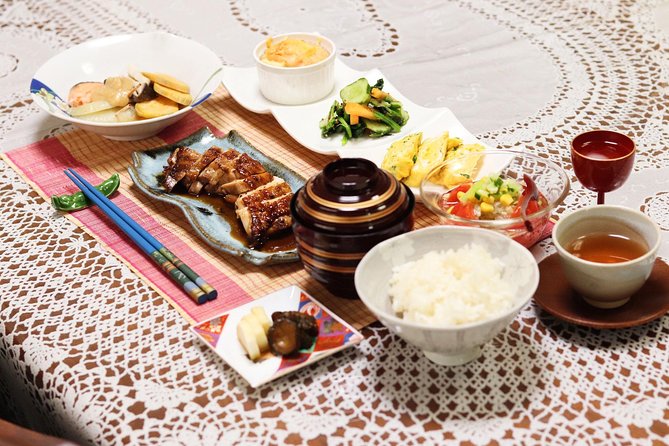
This class is built around a simple idea: learn the techniques behind everyday Japanese cooking, then eat what you helped make. Expect 4–5 home-style dishes from scratch, plus recipe cards you can use later. You’ll also get conversation time that feels more like visiting than following a script.
In This Review
- The Private Format That Makes It Worth the Trip
- Key Points You’ll Care About
- Why This Osaka Cooking Class Feels Like Visiting a Friend
- Getting There: The Kawanishiikeda Pickup and the 10-Min Car Ride
- Dashi Stock: The Flavor Lesson That Changes How You Cook
- What You Actually Do in the Kitchen (Cooking for About an Hour)
- Lunch or Dinner Options: How to Choose Your Meal Plan
- Plum Wine, Local Beer, and the Dinner Table Conversation
- The Recipes You Get After: Why This Class Helps You Cook Again
- Price and Value: What $86 Gets You (and Why It’s Not Just “Cheap”)
- Group Size, Taxis, and How to Plan Your Return
- Who This Class Is Best For (and Who Might Prefer Something Else)
- Should You Book This Private Class in Osaka?
- FAQ
- How long is the cooking class?
- Where do I meet Yoshiko for pickup?
- Is this experience private?
- What’s included in the price?
- Do I get lunch or dinner, and can I choose?
- What food will I learn to cook?
- Do I receive recipe cards?
- What about dietary restrictions?
- Can I bring my own alcohol?
- What is the cancellation policy?
The Private Format That Makes It Worth the Trip
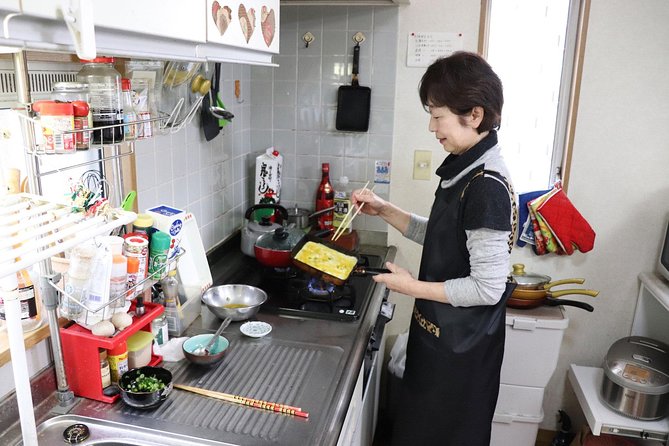
You’re not doing a big show cooking demo. You’re getting pulled into a real rhythm: cook for about an hour, then sit down together to enjoy the meal. Yoshiko picks guests up at Kawanishiikeda Station on the JR Takarazuka line, drives you about 10 minutes to her home, and keeps the pace friendly and personal.
If you want Japanese food with context, this one delivers.
Key Points You’ll Care About
- Dashi first: you learn the flavor foundation many dishes rely on
- Private home visit: you cook and talk in Yoshiko’s daily life setting
- 4–5 dishes in 3 hours: enough variety without feeling rushed
- Recipe cards included: you can recreate your meal at home
- Lunch or dinner choices: plan around your Osaka day schedule
- Return is on you: the experience ends at her home, not at the station
Why This Osaka Cooking Class Feels Like Visiting a Friend
Most cooking classes teach recipes. This one teaches a way of thinking. Yoshiko opens her home so you can learn how Japanese home cooks build flavor, especially with the stuff that might sound basic until you actually use it: broth, seasoning, and timing.
The private setup matters more than you’d think. When it’s just your group, you get patient, step-by-step guidance, and you can ask questions while you’re working. That’s how dashi goes from a mystery ingredient to a kitchen tool you’ll want to use again.
And yes, you’ll eat what you make. That makes the learning stick, because your brain links each technique to real results on your plate.
Getting There: The Kawanishiikeda Pickup and the 10-Min Car Ride
Your start point is Kawanishiikeda Station on the JR Takarazuka line. Yoshiko picks you up from there by car, then drives you about 10 minutes to her home. Hotel pickup is not included, so you’ll want to plan how you reach the station yourself.
Here’s the practical reality: this isn’t in central Osaka. You should give yourself extra time to get from Osaka’s main areas to Kawanishiikeda. In plain terms, plan for roughly an hour from Osaka train access to Yoshiko’s home area, depending on your route and transfers.
This trip style is part of the charm. You’re going beyond the tourist map and into a lived-in residential neighborhood. Just don’t treat it like a quick add-on between sights.
Dashi Stock: The Flavor Lesson That Changes How You Cook
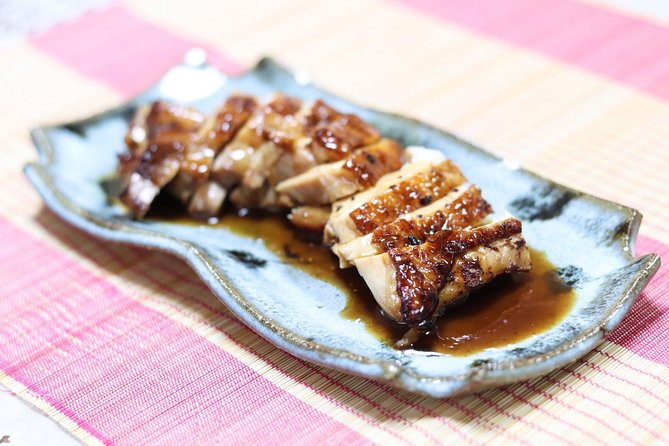
The heart of the class is dashi stock. Yoshiko starts you here because dashi isn’t just a broth; it’s the flavor backbone behind a lot of Japanese cooking. Once you learn how it’s made, you stop relying on bottled or diluted convenience flavors and start building taste the way Japanese home cooks do.
You’ll also learn why dashi matters: Yoshiko will guide you to use dashi instead of water in cooking steps where it makes a difference. That’s how you get more depth and umami without turning everything into something heavy or salty.
If you’ve ever eaten Japanese food and thought, I can’t reproduce that flavor at home, dashi is a big part of the answer. It’s one of those lessons that quietly upgrades what you cook afterward.
What You Actually Do in the Kitchen (Cooking for About an Hour)
The class runs about 3 hours total. The cooking portion takes around an hour, and then you sit down to eat. That timing is important because it shapes the style of instruction.
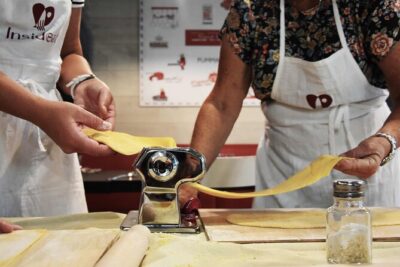
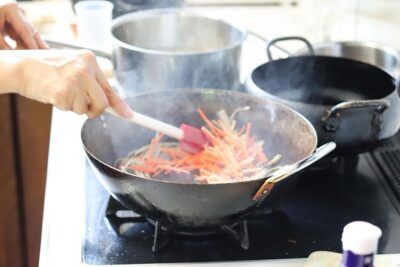
You can expect to prepare 4–5 home-style dishes from scratch. Some of your work may focus on cutting, mixing, assembling, and cooking components step-by-step under Yoshiko’s direction. One review experience specifically called out assembling bento boxes, which suggests that depending on the menu, you may also have a chance to build your meal in a more hands-on, plating-focused way.
Also keep expectations realistic. At this length, you’re learning technique and getting guidance, not running a full restaurant line. You’ll be actively involved, but the pacing stays comfortable for a home kitchen.
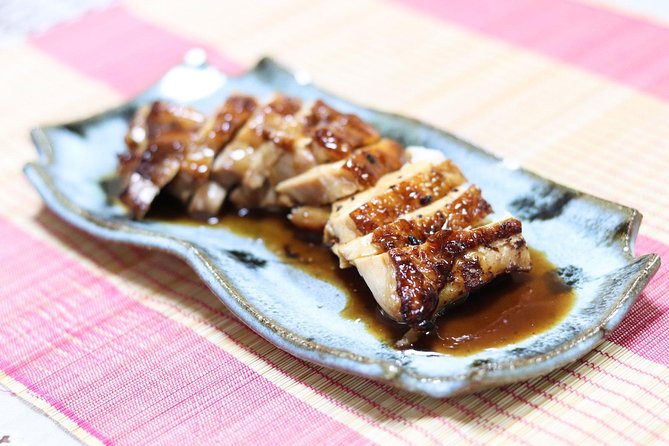
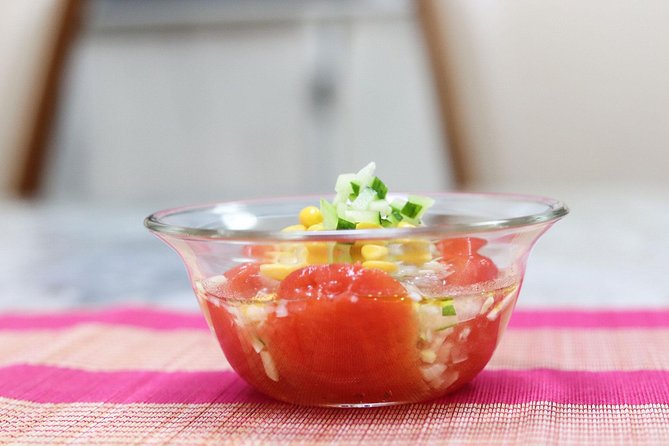
A small note that helps: the menu can vary by season. So if you’re thinking of trying to match flavors exactly to photos you’ve seen, treat the menu as flexible. The skill set you’re learning is the consistent part.
Lunch or Dinner Options: How to Choose Your Meal Plan
Yoshiko offers a choice of lunch or dinner. You’ll need to communicate your preference at least 3 days in advance so she can shop for what’s needed.
If you don’t specify, she’ll prepare the default menu, described as Mother’s taste menu. So if there’s a specific style you want, don’t wait last minute.
From the information you have, you can also infer that the dishes are not fixed. The “sample menu” includes multiple options, and one review specifically mentioned okonomiyaki as a must. That’s a good sign if you’re craving a classic Japanese comfort dish, but just remember: what you cook depends on Yoshiko’s season and her menu selection.
Plum Wine, Local Beer, and the Dinner Table Conversation
Food is the main event, but the meal setting is what makes it feel different. Yoshiko includes plum wine with the experience. If you request it in advance, you can swap to local beer.
You can also bring your own alcohol if you want. That’s a nice flexibility feature, especially if you enjoy trying regional drinks and want something familiar with your meal.
And then there’s the conversation. This isn’t just eating quietly and leaving. Yoshiko shares details about day-to-day life, and the class pauses long enough for you to connect as people. In a good way, it makes Japanese food feel less like a list of dishes and more like a culture of habits and routines.
The Recipes You Get After: Why This Class Helps You Cook Again
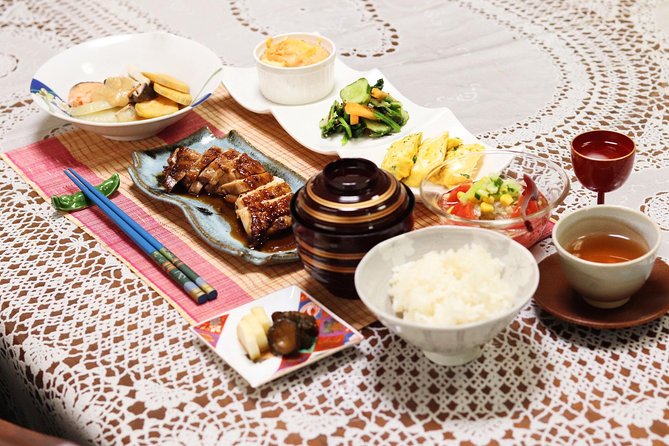
One of the best parts is that you receive printed recipe cards. That matters because Japanese cooking can feel abstract if you only watch and taste. With the recipes, you can recreate what you learned, not just remember it.
Also, the lesson format supports the recipes. You’re not learning random dishes. You’re learning ingredients and techniques that show up across Japanese home cooking—starting with dashi, then carrying that flavor approach into your other dishes.
Practical tip for using the recipe cards later: cook one dish first, the simplest one from the set. Then use your success to tackle the rest. You’ll build confidence faster than trying to cook the full menu at once.
Price and Value: What $86 Gets You (and Why It’s Not Just “Cheap”)
At $86 per person, this is not the bargain end of cooking classes. But you’re paying for a private, home-based experience with pickup included from Kawanishiikeda Station, plus the host’s time, shopping, and cooking guidance inside her kitchen.
Here’s the value math that makes sense: you’re getting a small-class atmosphere, dashi instruction you can carry home, recipe cards, and a full meal you helped prepare. In many cooking experiences, the meal feels like an add-on. Here, the meal is the payoff for the lesson.
It also helps that it’s booked far ahead on average (about 88 days in advance). That often means people plan it as a key activity, not a last-minute filler. If you want a specific meal time, you’ll likely need to book with real lead time.
If you’re comparing alternatives, think in terms of “cost per useful technique” rather than “cost per dish.” This class gives you at least one technique you can repeat: making dashi and using it for cooking instead of plain water.
Group Size, Taxis, and How to Plan Your Return
This is private for your group, so you don’t get mixed into a larger crowd. But there’s a group-size rule: if your group is more than 4 people, Yoshiko requests that additional people take a taxi and follow her home.
That’s worth planning for, because it affects how you coordinate arriving together. It also reinforces the home-kitchen feel—this setup isn’t built for a big crowd.
The other big logistics point: the experience ends at Yoshiko’s home. You should expect to make your way to the station on your own afterward. Yoshiko can help arrange a taxi to the nearest station, and it’s approximately ¥2000, paid directly to the driver.
In other words, don’t plan to “hop right back onto your next train.” Build in buffer time, even if the ride is short.
Who This Class Is Best For (and Who Might Prefer Something Else)
This fits best if you want hands-on cooking with a local mom host, and you’re excited by foundational skills like dashi. If you’re the type who wants to ask why something is seasoned a certain way, you’ll enjoy the conversation time and the step-by-step approach.
It’s also a great choice for couples. Multiple reviews praised the intimate experience and the friendly pace, and that matches how a private home class typically works best.
You might choose a different option if:
- you want a central Osaka location with minimal travel time
- you want a strict, fully hands-on class where every minute is cooking with no demonstrations
- you hate the idea of ending at the host’s home and arranging your own return
Should You Book This Private Class in Osaka?
If your travel style is about real daily life, this booking makes sense. I’d book it if you want more than food pics. You want skills, recipes, and a meal that feels grounded in how people actually cook and talk at home.
Do it especially if dashi has been a question mark for you. Learning how to build umami from the start is the kind of practical knowledge that pays off every time you cook Japanese food later.
If you prefer city-center convenience and quick tour loops, you may feel the travel time more. But if you can plan for that and you’re ready for a local neighborhood visit, the experience is the kind that leaves you with both dinner memories and kitchen habits.
In short: book it when you’re ready for a home-cooked afternoon or evening, not a checklist stop.
FAQ
How long is the cooking class?
The experience lasts about 3 hours (approx.). The cooking portion is about an hour, followed by you eating the meal.
Where do I meet Yoshiko for pickup?
You meet at Kawanishi-Ikeda Station (JR Takarazuka line) at 2 Chome-7 Sakane, Kawanishi, Hyogo 666-0021, Japan.
Is this experience private?
Yes. It’s a private, personalized experience with only your group participating.
What’s included in the price?
Included are the private cooking class and meal with Yoshiko, plum wine (or local beer if requested in advance), and pickup from Kawanishi-Ikeda Station on the JR Takarazuka line.
Do I get lunch or dinner, and can I choose?
You can choose from lunch or dinner options. You need to tell Yoshiko your preference at least 3 days in advance so she can shop accordingly. If you don’t respond, she prepares the default Mother’s taste menu.
What food will I learn to cook?
You’ll prepare about 4–5 Japanese home-style dishes from scratch. The menu may vary depending on the season.
Do I receive recipe cards?
Yes. Yoshiko provides printed recipes so you can recreate the dishes you learned at home.
What about dietary restrictions?
You should advise any dietary requirements in the Special Requirements box at the time of booking.
Can I bring my own alcohol?
Yes. Guests can bring their own alcohol to enjoy over the meal.
What is the cancellation policy?
You can cancel up to 2 days in advance for a full refund. If you cancel less than 2 days before the start time, the amount paid is not refunded.