REVIEW · MANAROLA
Authentic Pesto cooking class in Manarola at Cinque Terre
Book on Viator →Operated by Curioseety SRLS · Bookable on Viator
A mortar, basil scent, then you cook. In Manarola, Cinque Terre, this pesto-focused class has a family-kitchen feel: you’ll make pesto the traditional way, then sit down to taste it with focaccia and local white wine. I love that the lesson is built around the why behind the ingredients, not just the steps. I also love the hands-on grind with a marble mortar, which turns pesto from a jar thing into a real, physical skill.
Do note one potential drawback: it’s a bit of a workout to reach the meeting place, especially if you’re coming from the train. You’ll also be putting in elbow grease while grinding, so bring patience and a willingness to work.
In This Review
- Key takeaways before you go
- Manarola and Cinque Terre: why the setting matters for pesto
- Getting there: the uphill reality (and how to handle it)
- Inside the class: what happens in that one hour
- The main technique: marble mortar pesto you can feel
- Basil and pine nuts: the ingredient lesson behind the classic sauce
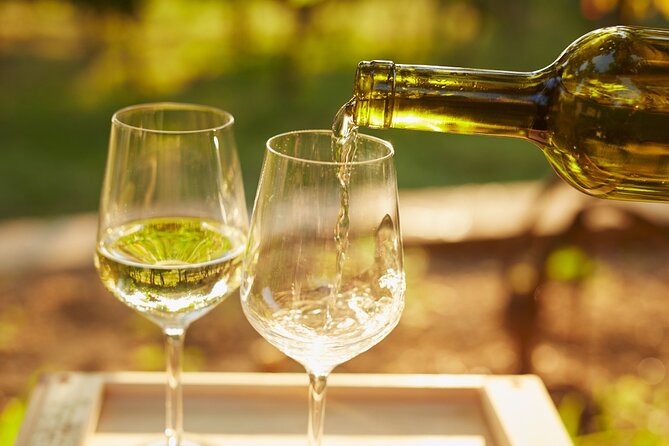
- The tasting: focaccia and local white wine, right after you cook
- Where Cinque Terre comes into it: beyond food, into local rhythm
- Taking pesto home: the recipe you’ll actually use
- Price and value: is $100.17 fair for a one-hour class?
- Who should book this pesto class in Manarola?
- Should you book this Manarola pesto class?
- FAQ
- How long is the pesto cooking class in Manarola?
- Where does the experience meet in Manarola?
- Is the class offered in English?
- What do you eat and drink during the class?
- Do you get to take the recipe home?
- Can I cancel for a full refund?
Key takeaways before you go
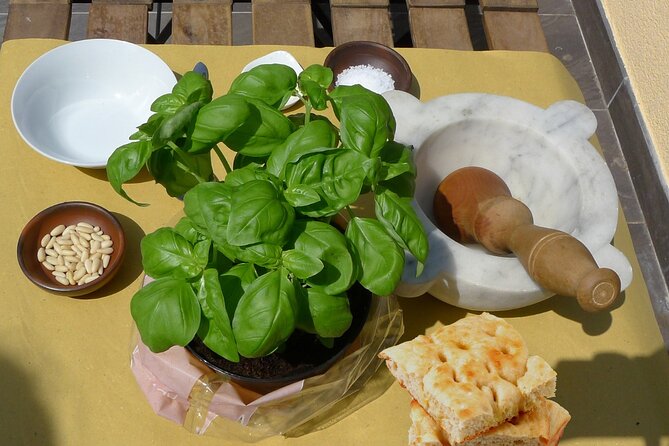
- Traditional grinding tools: You’ll use a marble mortar, so you learn texture and control, not just a recipe.
- History that changes how you taste: You’ll hear about Ligurian pesto traditions and even when basil entered the scene.
- Small-group vibe: The class caps at 16 people, and the small kitchen setup makes it feel personal.
- You eat what you make: Your pesto comes with homemade focaccia and a glass of local white wine.
- Recipe to take home: You leave with the instructions so you can recreate it later, at least parts you can’t memorize from memory.
- English instruction: Offered in English, which makes the explanations easy to follow.
Manarola and Cinque Terre: why the setting matters for pesto
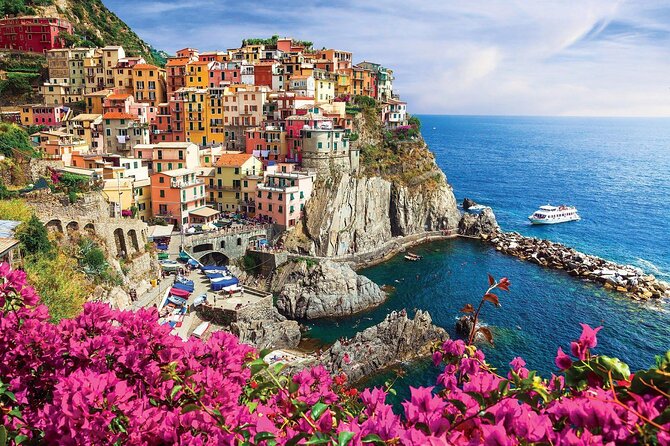
Cinque Terre is all cliffs and charm, but Manarola is the part that feels most like a working village. You’re not just visiting a viewpoint. You’re getting into a real rhythm—meeting your cook in the village, using fresh ingredients, and then turning around to taste your work right there.
The meeting point is at Focacceria A piè de Campu in Manarola. From the train area, expect an uphill walk to get there. One practical tip that helps: head up along the main road after you pass through the tunnel area; you’ll pass a church, then some bridges, and the path to the studio is to the left.
This matters because pesto is seasonal and ingredient-driven. When you’re in the Ligurian mood—salt air nearby, basil and nuts being handled with care—the lesson clicks faster.
Getting there: the uphill reality (and how to handle it)
Let’s be honest: “just walk over” can be misleading in Manarola. Several experiences describe the route as uphill from the station, away from the busiest tourist lanes. If your legs are already tired from hiking between villages, plan your timing so you aren’t arriving red-faced.
What I’d do:
- Wear shoes you trust on stone steps.
- Give yourself buffer time so you don’t rush into the class already stressed.
- If it’s a rainy day, go slow on slick surfaces and keep that umbrella closed around the kitchen area if possible.
Also, the class runs about one hour, so arriving late can compress the full experience. This isn’t the kind of activity you can half-skip.
Inside the class: what happens in that one hour
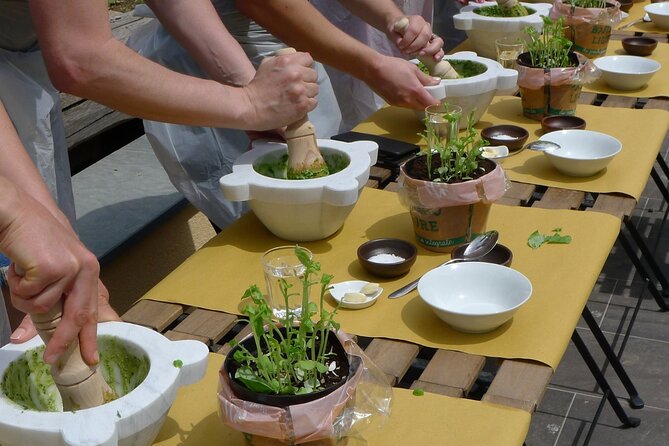
This is a one-hour pesto class with a tight focus. That’s a good thing. You don’t get a long performance. You get a concentrated lesson: ingredients, technique, then tasting.
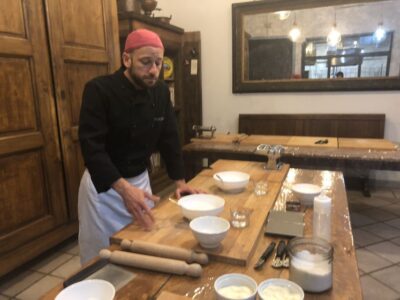
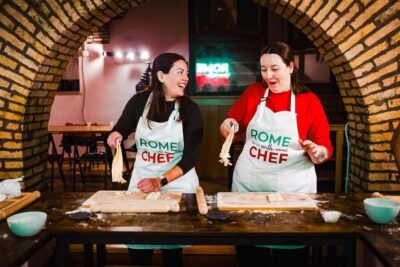
In the small kitchen setup, you’ll work with the chef and other participants. The vibe is friendly and practical, with lots of explanation as you go. People describe it as feeling like learning from someone local—sometimes even like an extended family kitchen.
Your cook is local and food-focused, and English instruction is included. In multiple sessions, instructors have been named Ivonne and Yvonne, and at least one instructor has been listed as Victoria. You’ll feel the same theme either way: ingredient stories, practical tips, and guidance while you’re grinding.
The main technique: marble mortar pesto you can feel
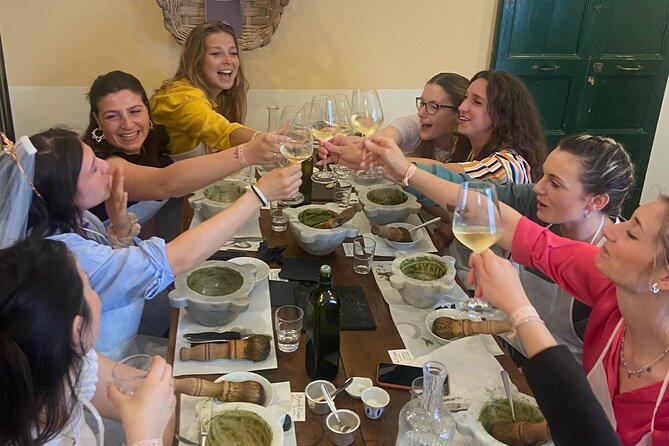
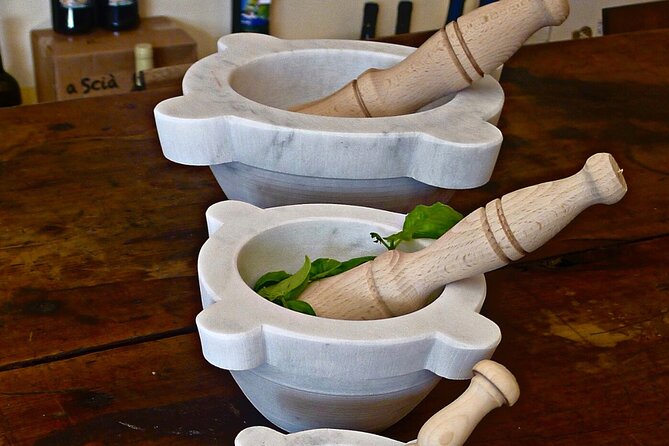
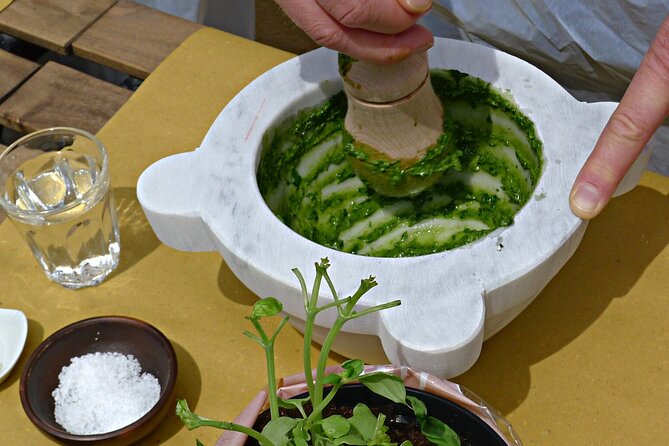
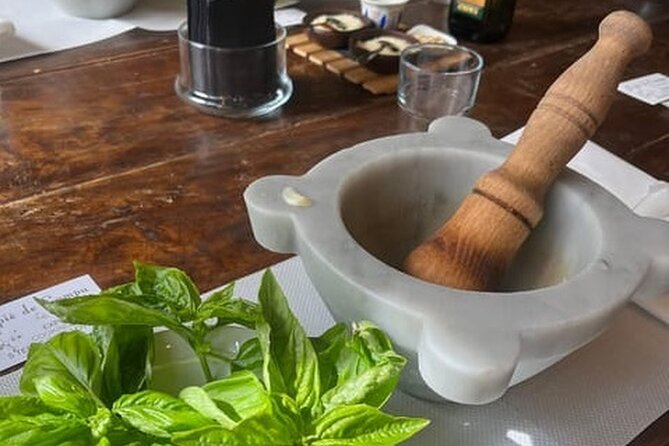
Here’s where this class becomes more than “make pesto.” You’ll learn using a marble mortar, the traditional tool that changes everything.
When you grind basil with pine nuts the right way, you’re not just mixing ingredients. You’re creating texture:
- The basil releases flavor as you break it down.
- The pine nuts add body and richness as they get crushed.
- The mortar helps you control how coarse or smooth you end up.
One review detail that really stuck with me: people talk about it like real work. It takes serious elbow grease. That sounds intimidating, but it’s also part of the value. By the end, you understand why pesto can taste flat when it’s made quickly with the wrong texture—or why it tastes vivid when the ingredients are properly treated.
If you’re someone who likes doing things by hand, this will feel satisfying. If you don’t like manual effort, keep your expectations grounded. This is pesto, not a shortcut.
Basil and pine nuts: the ingredient lesson behind the classic sauce
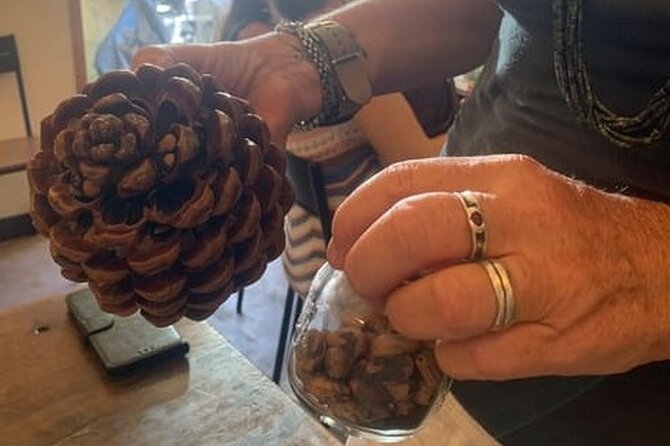
Pesto is famous, but the class tries to make you see it clearly. You’ll use fresh basil and pine nuts, and you’ll learn about what makes those choices matter.
A fun detail from the class content: basil’s role in pesto came later than many people assume, with one instructor sharing that basil wasn’t introduced into pesto until after the 14th century. Whether you remember the exact timeline or not, the point lands: pesto has history, and ingredients have shifted over time based on availability and tradition.
You’ll also hear about Ligurian culinary traditions—not vague “Italian culture,” but how Ligurians think about flavor and ingredients. One participant highlighted that the chef was using ingredients from her own cultivation. Even if yours doesn’t mention the same garden story, the overall emphasis on fresh, local-feeling produce is consistent.
The practical takeaway is that good pesto isn’t only about having basil. It’s about treating basil well and getting the nut texture right.
The tasting: focaccia and local white wine, right after you cook
You don’t end with a lecture and then leave hungry. After you finish your pesto, you’ll sit down and enjoy what you made.
The sample meal is:
- Pesto
- Homemade focaccia
- A glass of local white wine
This tasting moment is important for two reasons. First, it calibrates your senses. You’ll taste the pesto while the technique is still fresh in your mind. Second, you’ll get a realistic idea of what pesto should taste like as a meal, not just as a topping.
One more detail: some people mention learning and tasting as part of a relaxed, social atmosphere with music and a lively mood. Even if your session isn’t the same, you can expect a friendly end-of-class hangout vibe.
Where Cinque Terre comes into it: beyond food, into local rhythm
Even though the class is pesto-centered, Cinque Terre shows up in the way the lesson is delivered.
You’re in the village of Manarola, walking to a small studio, meeting a local cook, and learning in a setting that feels like part of daily life. That matters because pesto is tied to local habits: fresh herbs, simple but careful technique, and sharing food afterward.
Also, small-group size helps. With a max of 16 travelers, it’s easier to get questions answered while you’re mid-grind. That’s not just comfort—it changes results. When you get feedback in real time, your pesto becomes more accurate.
Taking pesto home: the recipe you’ll actually use
The class doesn’t end when you walk out the door. You’re told to take the recipe home, and that’s one of the big reasons I think this tour is worth the money.
Here’s the truth about cooking classes: if you don’t have instructions you can follow later, your effort fades fast. Having the recipe in your hands means you can recreate the flavor when basil and pine nuts are available again.
And pesto is one of those dishes where small changes matter. Texture matters. Ingredient balance matters. A written recipe plus the technique you practiced makes it much easier to avoid the common mistakes that lead to bland or overly oily pesto at home.
One helpful angle: after class, you’ll have learned what the ingredients do as you work them. That makes your version more yours, not just a copy.
Price and value: is $100.17 fair for a one-hour class?
At $100.17 per person for about an hour, it’s not the cheapest activity in Cinque Terre. But it’s also not just a “hands-on snack.”
You’re paying for:
- A focused, small-group lesson in traditional pesto technique
- English instruction
- Fresh ingredients (basil and pine nuts) and the grinding tool setup
- Food and drink included: pesto, homemade focaccia, and local white wine
- A recipe to take home
When you add those together, the cost makes sense for people who want more than a souvenir. It’s also a strong choice for “one evening I want something authentic and not too long.” The time limit keeps it efficient, while the technique and recipe keep it useful later.
One more value point: this experience is commonly booked about 47 days in advance on average. That’s usually a sign it sells out or is time-dependent with instructor schedules. If you want a specific day, book early.
Who should book this pesto class in Manarola?
This experience is ideal if you:
- Like food lessons that are hands-on, not passive
- Want a traditional technique you can explain and repeat
- Prefer short activities that still feel authentic and local
- Enjoy meeting friendly people and eating together afterward
It’s also great if you’re traveling with a teen or curious adult who will work a mortar. One detail you should know: people do mention it can be sweat-inducing. So if grinding feels like your idea of torture, you might still enjoy the history and tasting, but go in with realistic expectations.
If you’re a hardcore foodie, you may love the focus on Ligurian ingredient behavior and the pesto timeline detail about basil. If you’re a beginner home cook, the recipe at the end makes it easier to translate the lesson into your kitchen.
Should you book this Manarola pesto class?
I’d book it if you want an authentic, ingredient-driven activity in Cinque Terre that you can take home literally. The combination of marble mortar technique, clear pesto explanation in English, and the chance to taste your creation with focaccia and local white wine is a strong value package for a one-hour slot.
Skip it only if you strongly dislike manual grinding or you don’t want an uphill walk before a class. Otherwise, this is one of those small experiences that tends to become a story you tell later, because you’ll have the recipe in hand and the method in muscle memory.
FAQ
How long is the pesto cooking class in Manarola?
The class lasts about 1 hour (approx.).
Where does the experience meet in Manarola?
You meet at Focacceria A piè de Campu, Località piè di campo, 19017 Manarola SP, Italy.
Is the class offered in English?
Yes, it is offered in English.
What do you eat and drink during the class?
You’ll taste pesto with fresh homemade focaccia and a glass of local white wine.
Do you get to take the recipe home?
Yes, you can take the recipe you try in class home with you.
Can I cancel for a full refund?
Yes. You can cancel up to 24 hours in advance for a full refund. If you cancel less than 24 hours before the start time, the amount paid is not refunded.