REVIEW · VERONA
Verona: Pasta & Tiramisu Cooking Class at a Local’s Home
Book on GetYourGuide →Operated by Cesarine · Bookable on GetYourGuide
If you want real Italian food skills, this is it. A Verona cooking class in a local home teaches you fresh sfoglia by hand and ends with homemade tiramisu.
I love that the group stays small, with a maximum of 12 people, so you actually get time at the work surface instead of watching from the sidelines. I also like that you eat what you make, with wines and an aperitivo right at the start. One possible drawback: because it’s in a private home, you only receive the full address after booking, so you’ll want to arrive a bit early to avoid stress.
In This Review
- Key Reasons This Verona Class Works
- A Cesarina in a Verona Home Kitchen
- Aperitivo First: Prosecco and Nibbles While You Settle In
- Learning Sfoglia by Hand: The Skill That Changes Everything
- Making Two Iconic Pastas From Scratch
- Tiramisu Timing: Why Making It Early Helps
- What You Actually Eat and Drink
- Group Size and Coaching: Why Up to 12 People Matters
- Price and Value: Is $152.93 Worth It?
- Who Should Book This Class (and Who Might Not)
- Booking Tips So Your First Few Minutes Go Smooth
- Should You Book This Verona Pasta and Tiramisu Class?
- FAQ
- Where does the class take place?
- How long is the cooking class?
- What’s included in the price?
- What will I learn to cook?
- Is the class taught in English?
- Is it suitable for wheelchair users?
- Can I cancel and still get a refund?
- Do I need to pay everything right away?
Key Reasons This Verona Class Works
- Home-kitchen setting with a real local host, not a busy studio kitchen
- Hands-on sfoglia rolling so you learn the feel of fresh pasta dough
- Two pasta types from scratch, plus tasting of everything you cook
- Tiramisu timing that lets it set properly during the class flow
- Italian aperitivo with prosecco and nibbles to warm you up before cooking
- Small group size (up to 12) for more coaching and less waiting
A Cesarina in a Verona Home Kitchen
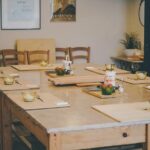
This experience is run through the Cesarine network, which is known for opening real homes to travelers who want food lessons that feel personal. That matters, because cooking in someone’s kitchen tends to be calmer and more practical than big commercial classes. You’re not just learning recipes. You’re picking up how locals think about dough, timing, and flavor balance.
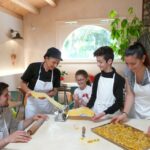
You’ll be with an instructor who speaks Italian and English, and you’ll be in a group of up to 12. In past sessions led by hosts like Michela and Adele, the vibe has been warm and generous—exactly what you want when the goal is to learn without feeling rushed.
One quick note for planning: this class is not designed for wheelchair users, and the location is in a private home. If you have mobility concerns, you’ll want to think about stairs, narrow doorways, and kitchen setup before you book.
You can also read our reviews of more tours and experiences in Verona.
Aperitivo First: Prosecco and Nibbles While You Settle In
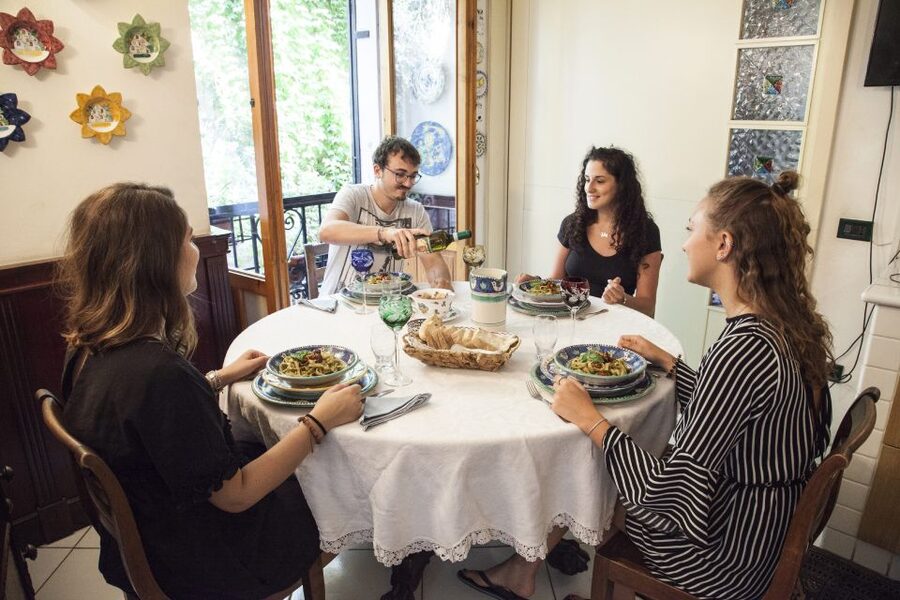
The class begins with an Italian aperitivo—prosecco and nibbles—plus water, coffee, and wine as part of the included drinks. It’s not just a nice start. Aperitivo is a small ritual, and it helps you get comfortable with your host and the kitchen before flour gets everywhere.
Practically, this also helps with the pacing. When you arrive hungry and a little tired after travel, that first glass (and a bite or two) makes the next three hours feel manageable. It’s easier to focus when you’re not thinking about food 30 minutes into a lesson.
If you like social cooking—talking while you work—this opener sets that tone. You get time to ask questions early, including how to handle dough texture and what to watch for when shaping pasta.
Learning Sfoglia by Hand: The Skill That Changes Everything
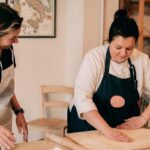
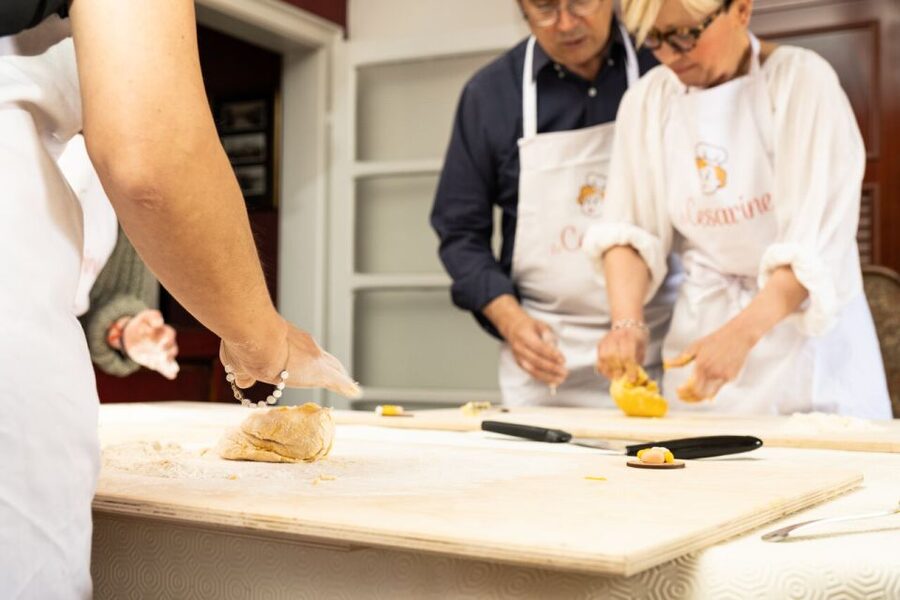
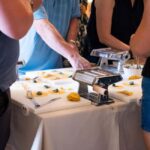
The centerpiece skill here is rolling sfoglia (fresh pasta dough) by hand. Even if you’ve watched pasta-making videos online, hand-rolling is a different world. You’re learning dough consistency, pressure, and patience—how to get thin sheets without tearing or drying them out.
Why this matters for you:
- Fresh pasta is fragile, and the thickness affects texture. If it’s too thick, it feels heavy; too thin, it can overcook.
- Rolling teaches muscle memory. Once you understand the feel, you can reproduce it later at home.
In the class format, the host teaches you the process step by step, then guides you as you do it. In sessions led by Adele, the instruction is active—she gets people working right away—so you don’t spend the whole time waiting for your turn.
One thing to keep in mind: fresh pasta dough is dough, so it can be slightly messy. This is a working kitchen experience. Wear something you don’t mind getting flour dust on.
Making Two Iconic Pastas From Scratch
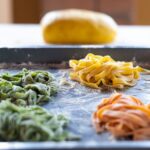
You’ll make two pasta types from scratch as part of the lesson. The exact pasta shapes can vary by class, but the goal stays the same: you practice dough, shaping, and finishing until you can confidently plate it.
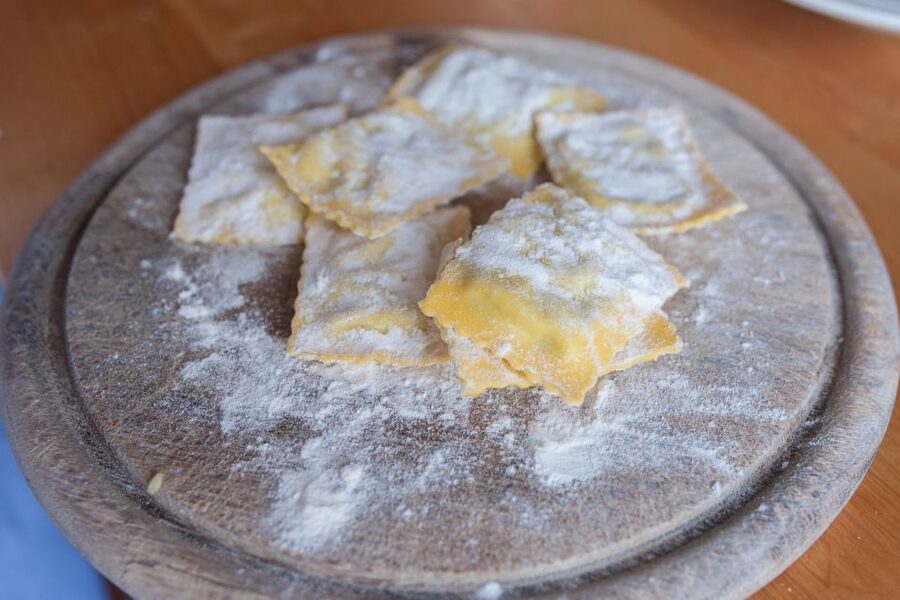
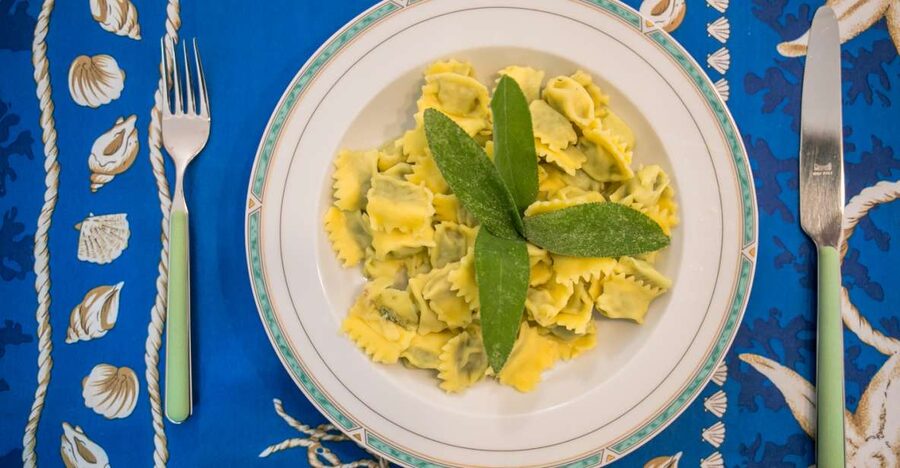
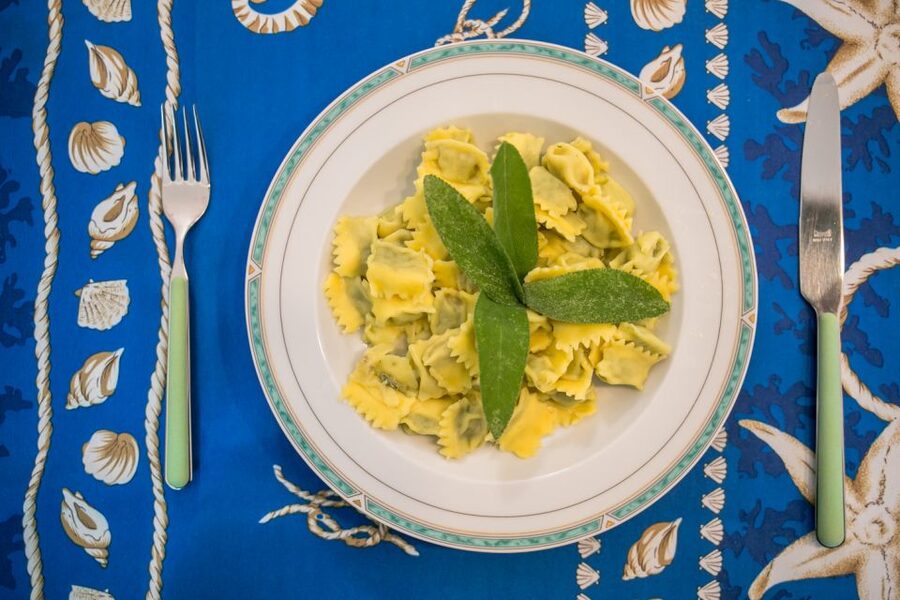
In one example from a previous session, the group made taghatelle (often associated with tagliatelle) with asparagus, and then ravioli with a butter-cream style filling. That’s a great pairing because it shows two different pasta techniques:
- Long pasta (like taghatelle) helps you learn how to cut and handle thin strands.
- Stuffed pasta (like ravioli) teaches portioning, sealing, and how to keep the filling from leaking.
If you’re a first-timer, stuffed pasta can feel intimidating. That’s where the value of a small group shows up. With fewer people, the host can spot issues early—pinched edges that need more sealing, dough that’s too dry, or portions that are uneven.
Also, you’re not just learning recipes. You’re learning why certain choices work. Your host will likely point out things like dough thickness, the right moment to shape, and how to keep pasta from sticking while you work.
Tiramisu Timing: Why Making It Early Helps
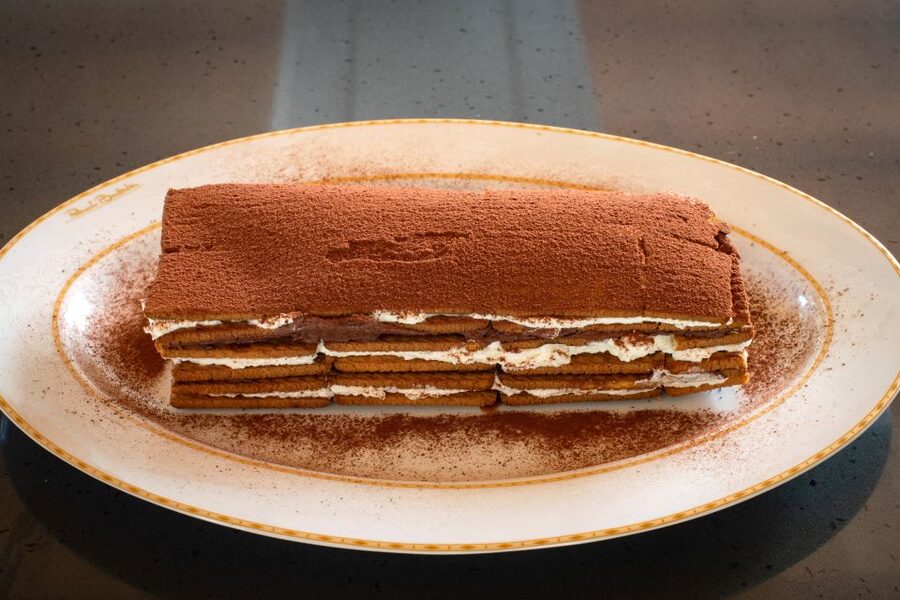
The class also includes tiramisu-making. What I like about this setup is the timing. In one past session taught by Adele, she had the group make the tiramisu early so it would set properly during the class.
That’s a smart food-practice lesson in its own right: tiramisu needs time. The flavors meld as it chills, and the texture firms up. If you try to make it at the end, you often end up with something more like soft cream than true tiramisu.
So expect tiramisu to play a structured role in the overall schedule. You’ll likely switch between pasta work and dessert steps so you don’t end up waiting around while your dough sits.
For the final tasting, you get to enjoy what you made—both the two pasta recipes and the tiramisu. That makes the class feel like a full meal rather than a demo disguised as a lesson.
What You Actually Eat and Drink
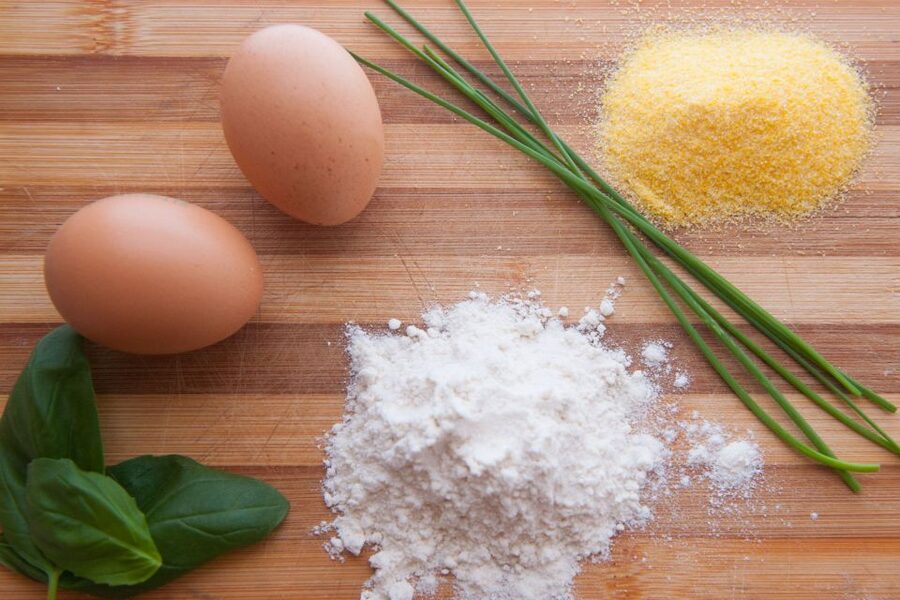
By the time you finish cooking, you’re not leaving empty-handed. The experience includes:
- tasting of the 2 pasta recipes
- tasting of the tiramisu
- beverages including water, wines, and coffee
The aperitivo at the start includes prosecco and nibbles, which sets the stage for the meal. During the class, you can expect a food-and-drink rhythm that keeps energy up while you work with hands-on tasks.
If you’re thinking like a traveler, this is part of the value. You’re paying for time, instruction, ingredients, taxes, and a meal. You’re not just learning techniques; you’re also getting lunch or dinner out of it, depending on your start time.
Group Size and Coaching: Why Up to 12 People Matters
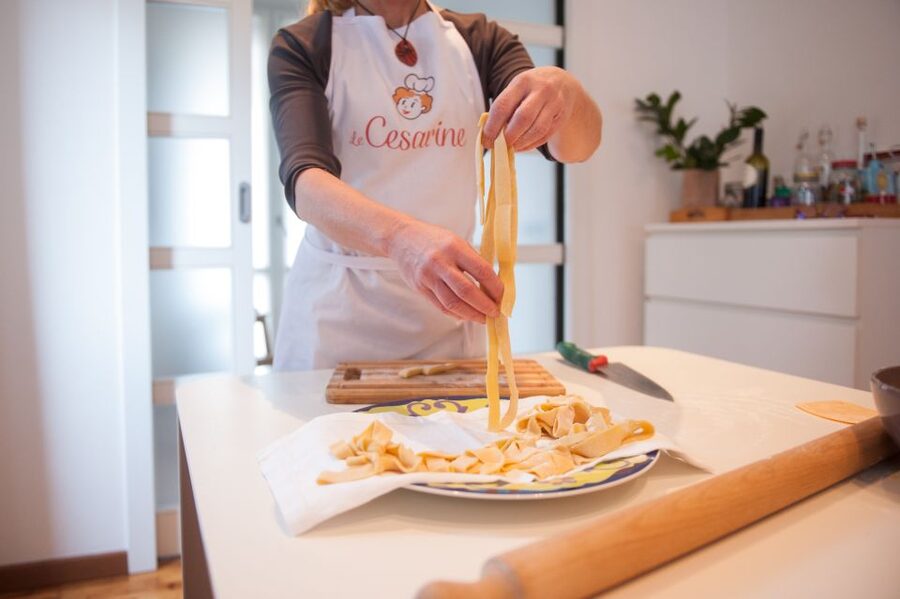
Cooking classes in large groups often end with one outcome: you spend most of the time watching. Here, the limit is 12 people, which changes the experience.
With fewer students, your host can:
- correct rolling technique while it’s happening
- help with pasta shaping issues before they become habits
- keep the pace from dragging when someone needs extra guidance
In both Michela- and Adele-led experiences from past sessions, the teaching style comes through as hands-on and welcoming. Adele’s sessions in particular were described as involved, with hosts encouraging people to make ravioli and taghatelle rather than observing.
If you’re traveling with family or friends, the small group can also feel more like a shared table experience than a formal class. One review highlighted that the lesson was suitable for kids too, which tells me the hosts are used to adjusting how they explain tasks.
Price and Value: Is $152.93 Worth It?
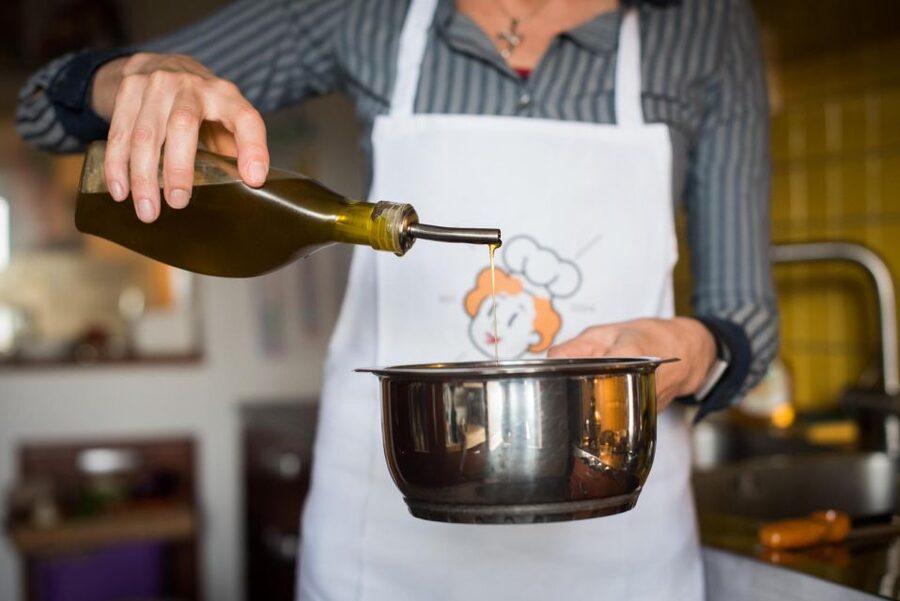
At $152.93 per person, this isn’t a budget activity. But it also isn’t just a recipe workshop. The included items add up:
- a full three-hour lesson
- small-group instruction (max 12)
- ingredients for multiple pasta types plus tiramisu
- tasting of everything you make
- aperitivo with prosecco and nibbles
- wine, water, and coffee
- local taxes
When you compare that to the cost of eating one good meal in central Verona plus paying for a cooking experience, the pricing starts to feel more reasonable. You’re paying for access to a local home, for real coaching, and for the ingredients and meal outcome.
For best value, treat this as a meal plan. If you’re choosing between this and a casual dinner, you’ll likely feel you ate well either way—but here you also take home skills you can repeat.
Also: the English-speaking support matters. If you’re not confident with Italian food terms, you’ll still get the guidance you need to understand what you’re doing and why.
Who Should Book This Class (and Who Might Not)
This is a great choice if you:
- want hands-on pasta skills, not just a tasting
- enjoy learning in a smaller, less formal setting
- like Italian food culture and want it through a home-cooking lens
- want to bring friends and have a shared activity where everyone works
It might be a weaker fit if you:
- need wheelchair accessibility (it’s not suitable for wheelchair users)
- strongly prefer fixed meeting-point clarity (the full address is shared only after booking)
- don’t like practical, hands-on food work and prefer food-only tours
If you’re on a tight schedule, remember the duration is 3 hours. Choose start times that don’t collide with your must-see Verona sights. Fresh pasta work takes focus, and you’ll enjoy it more when you can settle in.
Booking Tips So Your First Few Minutes Go Smooth
Because the address is private and shared after booking, plan like this:
- give yourself extra time to arrive
- read any host instructions closely (they’re crucial for home locations)
- wear clothes you can get a little flour on
And mentally prepare for the rhythm: aperitivo up front, then rolling and shaping tasks, then tiramisu steps that benefit from good timing. If you show up hungry, you’ll be happy you have the prosecco and nibbles to start.
Should You Book This Verona Pasta and Tiramisu Class?
If your goal is authentic food learning with real instruction, I’d book it. The combination of hand-rolled sfoglia, two pasta types made from scratch, and tiramisu that’s handled with proper timing makes this more than a meal. It’s a skills experience you can repeat later.
Book it especially if you value small-group attention and you’d rather cook in a local home than in a big classroom. If mobility is an issue or you need a clear, public meeting point, you may want to look for alternatives.
FAQ
Where does the class take place?
The experience is held in a local’s home. For privacy reasons, you receive the full address of your host only after you have booked.
How long is the cooking class?
It lasts 3 hours.
What’s included in the price?
Included are beverages (water, wines and coffee), an Italian aperitivo with prosecco and nibbles, local taxes, the pasta and tiramisu-making class, and tastings of the two pasta recipes and the tiramisu.
What will I learn to cook?
You’ll learn to roll fresh pasta dough (sfoglia) by hand, make 2 iconic pasta types from scratch, and make tiramisu.
Is the class taught in English?
Yes. The instructor teaches in Italian and English.
Is it suitable for wheelchair users?
No, it is not suitable for wheelchair users.
Can I cancel and still get a refund?
You can cancel up to 24 hours in advance for a full refund.
Do I need to pay everything right away?
You can reserve and pay later, keeping travel plans flexible.