REVIEW · VERONA
Verona: Market and Cooking Class at a Local’s Home
Book on GetYourGuide →Operated by Cesarine · Bookable on GetYourGuide
A market stop beats any museum day. You get hands-on shopping with a Cesarina in Verona’s local market, then you cook at a real home kitchen with someone who grew up making these dishes. I love the way you learn what to pick and why, and I love that the meal ends with everything you make—at the table—with local wine.
One thing to consider: this is a full 5 hours of food time. It’s not a quick snack-and-walk experience, so if you want a light, no-pressure outing, plan your afternoon or evening accordingly (and think about how you feel about wine since it’s part of the tasting).
In This Review
- Key takeaways before you book
- Verona market shopping with a Cesarina: what you learn fast
- Cooking in a local home kitchen: hands-on, not a show
- Tasting what you make: the meal is part of the lesson
- Meeting locals through food: why the Cesarina connection matters
- Timing, group style, and how to plan your 5 hours
- Price and value: does $214.11 make sense?
- Who should book this Verona market and cooking class?
- Should you book? My straight answer
- FAQ
- How long is the Verona market and cooking class?
- Is this experience private or shared?
- What languages does the instructor speak?
- What happens during the market visit?
- Do you taste what you cook?
- Can the Cesarina accommodate dietary requirements?
Key takeaways before you book
- Market-smart shopping tips: you’ll learn how to spot the best ingredients where locals shop, not just what to buy.
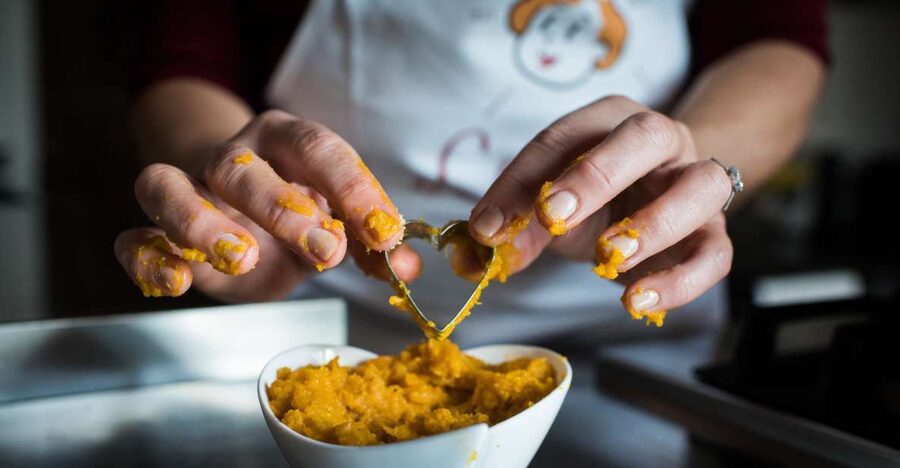
- A private Cesarina cooking class: hands-on, at a home kitchen set up for instruction.
- Three local recipes, tasted together: you eat what you cook, with water, coffee, and local wines included.
- Dietary needs can be accommodated: your Cesarina can tailor options if you confirm them with the organizer.
- A personal local connection: you’re welcomed into a family-style setting, not a big, impersonal classroom.
Verona market shopping with a Cesarina: what you learn fast
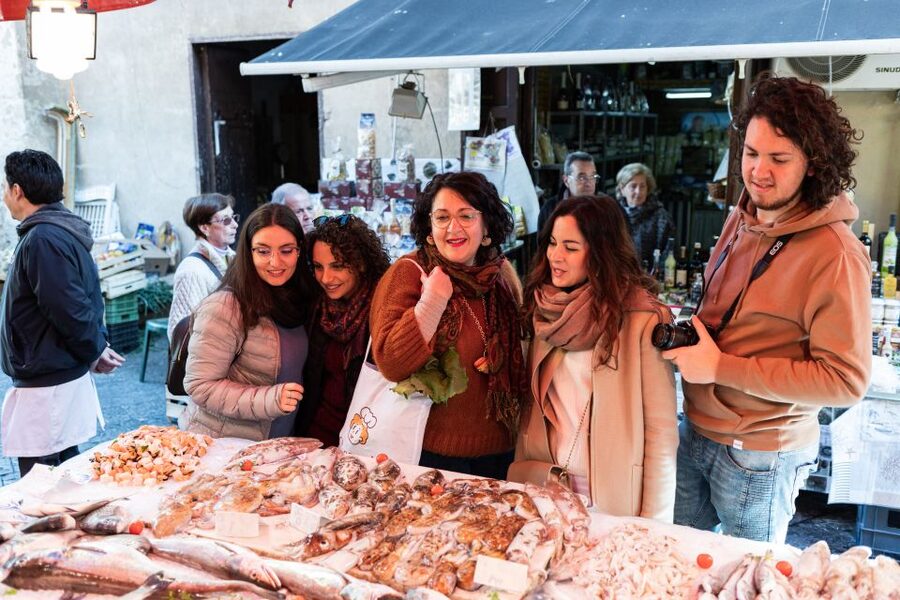
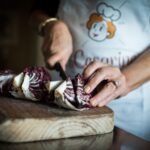
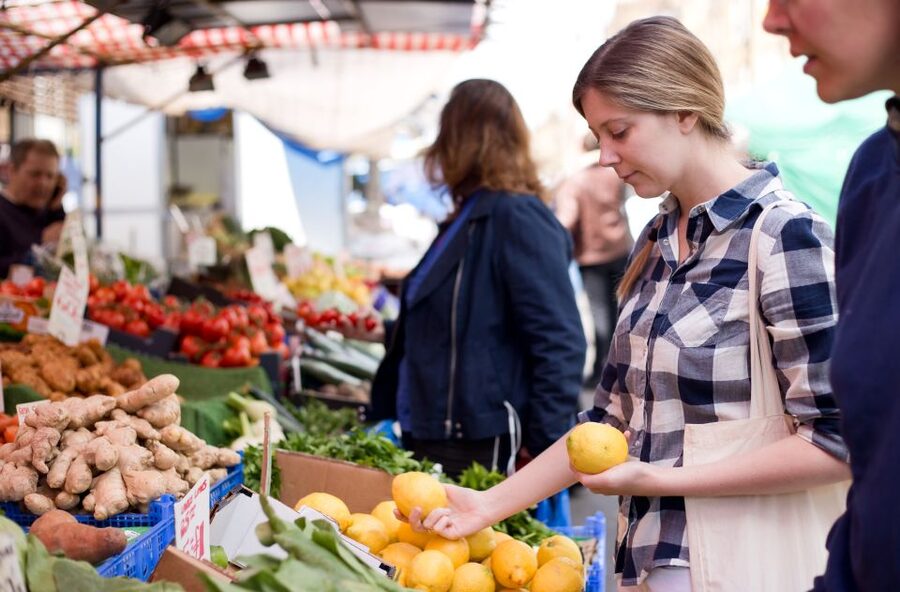
The day starts with market time, guided by your Cesarina (a certified Italian home cook). This is the part that changes everything for your rest of the trip, because it teaches you how Italians think about food: season, quality, and the small clues you only notice when someone points them out.
You’ll go shopping like a local. The goal isn’t just to collect ingredients. It’s to understand how to choose them. Think: what looks freshest, what’s worth paying for, and how certain products in Verona’s region get their reputation. One of the nicest details from real experiences is that you may visit places like Campagna Amica, where you can purchase items tied to the province of Verona—like olive oil and wine—so you’re seeing the local food economy in action, not just eating the result later.
And yes, you’ll see normal people doing normal shopping. That’s where the culture lives. You’ll learn the rhythm of the market and pick up practical habits you can use again when you’re back in your own kitchen.
A small scheduling note: market tours usually start at 9:00AM and 4:00PM, but the exact timing can flex based on your needs. If you’re trying to sync this with a specific Verona walking plan, it’s worth checking your start time early.
You can also read our reviews of more tours and experiences in Verona.
Cooking in a local home kitchen: hands-on, not a show
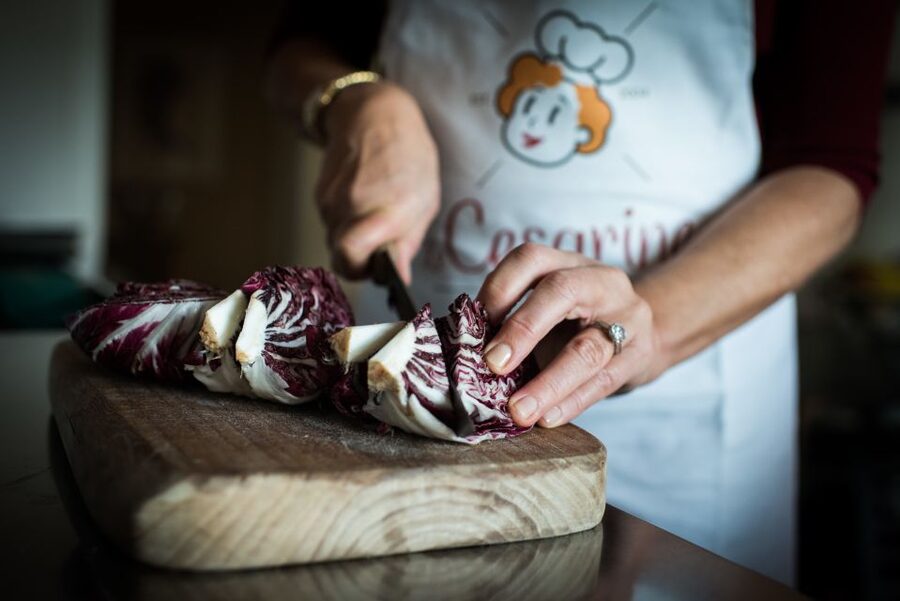
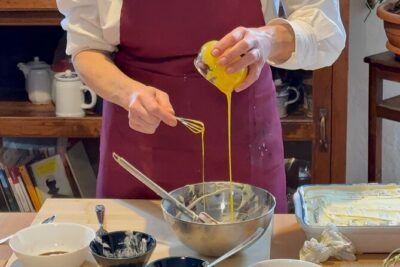
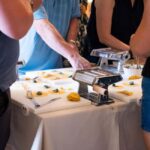
After market shopping, you head to your Cesarina’s home for a private cooking class. This is where the experience stops feeling like a tour and starts feeling like a lesson you’d be lucky to get from a friend-of-a-friend.
Your workstation will be set up with utensils, and the ingredients you need for the lesson are provided. That matters because it keeps you from wasting time hunting for tools or wondering if you’re doing things “right.” You can focus on learning techniques, not logistical guesswork.
The class centers on three authentic local recipes. During the lesson, your Cesarina shares the tricks behind each dish. In other words, you’re not just following steps—you’re learning what to watch for and what adjustments experienced home cooks make on the fly.
In some cases, your Cesarina can also tailor what you cook and how you approach each course. For example, one participant asked to make ravioli and the Cesarina offered choices, with multiple suggestions per course so you could pick what you wanted to create. That’s a big quality signal: the class isn’t one-size-fits-all.
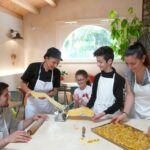
Since it’s a private group, you also get more back-and-forth. If you’re unsure about timing, texture, or substitutions, you can ask while it matters—while the food is still in your hands.
Tasting what you make: the meal is part of the lesson
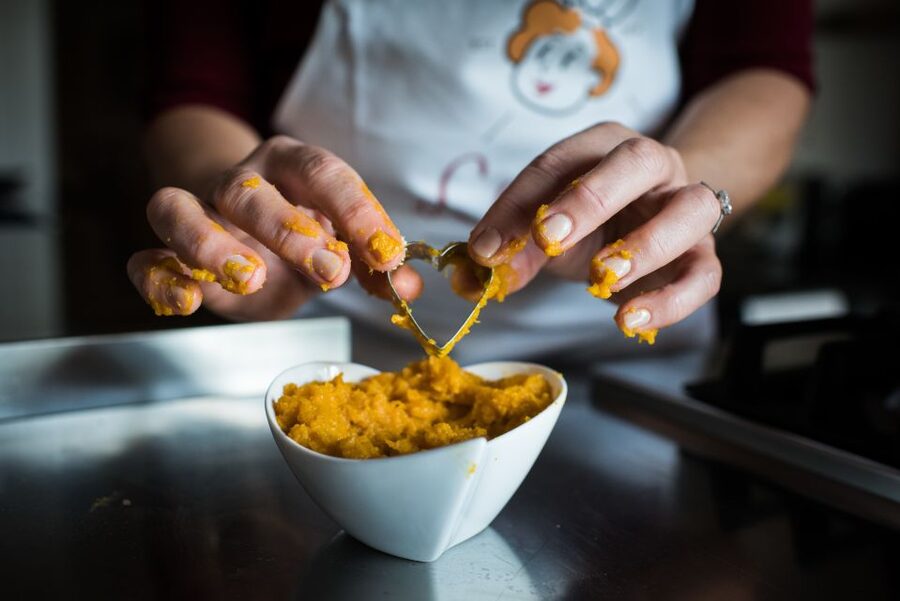
A good cooking class teaches you how to cook. This one also teaches you how Italians actually eat: together, slowly enough to enjoy the conversation, and with drinks that match the food.
Once the recipes are ready, you taste everything you prepared around the table. Your menu includes the tastings of the three local recipes, plus beverages: water, red and white local wines, and coffee. That’s not just a nice perk. It helps you understand why these dishes work, because you experience the balance of flavors as a complete meal—not as isolated samples.
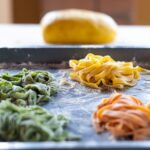
From real experiences, the exact dishes can vary depending on what your Cesarina has planned and what you and your group want to make. One participant described the day as producing three types of pasta along with a starter and dessert. Another requested ravioli. The consistent theme is that you end up with a full, satisfying food spread—because the goal is learning and enjoyment, not leaving hungry.
If you don’t drink alcohol, the data here doesn’t say that wine can always be swapped. What you can do is share your preferences with the organizer when confirming your booking and dietary needs. I’d treat that as especially important for you if wine would be a hard no.
Meeting locals through food: why the Cesarina connection matters
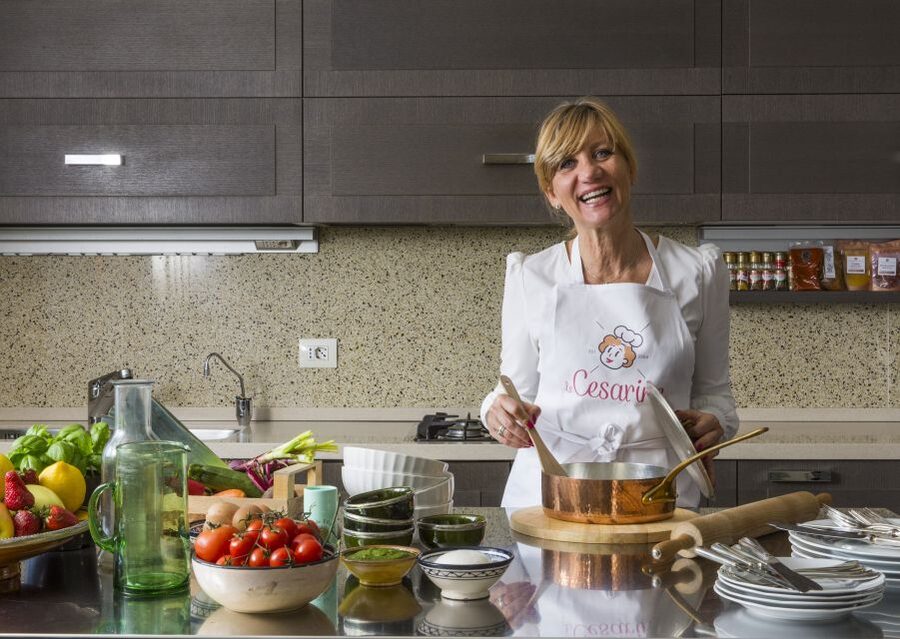
The market and the cooking class are the obvious highlights. The less obvious highlight is the connection to local people and local habits—because you’re not just consuming culture, you’re getting a guided pass into it.
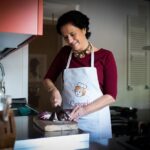
Your Cesarina opens up their home and shares family-style recipes and methods. A real example of this warmth: Michela Azzini is described as welcoming and generous, bringing people into an authentic home setting and sharing family recipes. In that same experience, the market visit included meeting locals and stopping at a food-focused site like Campagna Amica, where regional products from the province of Verona are sold. That combination—market insight plus a home kitchen—creates a full-circle understanding of where the food comes from.
Another participant appreciated that Michela was happy to tailor the day to their interests, especially because they planned to live in Verona for a few months. That kind of local guidance is valuable because it goes beyond the cooking lesson: you come away with real food instincts and a map of where to find great produce, bread, meat, and cheese.
You shouldn’t expect a rigid script. The best Cesarina experiences feel flexible, because your guide can adjust to what you want to learn and how you like to cook.
Timing, group style, and how to plan your 5 hours
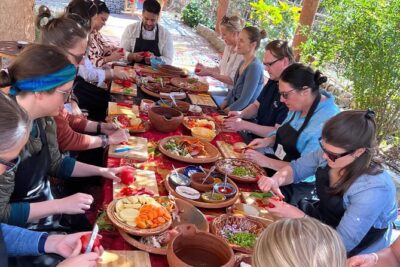
This is a private group experience, which usually means you get a more personal pace. Instead of being one face among many, you’re part of a smaller cooking table conversation. That makes a difference when questions come up or when a dish needs a second hand at the right moment.
The tour runs about 5 hours, and it ends back at the meeting point. Your meeting point is arranged after booking based on your needs and dietary requirements, and the address of your Cesarina is shared after the reservation. So you’ll want to be ready with those details when asked—because it helps the organizer match you with the right setup.
Since the market starts at 9:00AM or 4:00PM (usually), think about what else you’re doing in Verona that day. Morning slots pair well with a slower lunch. Afternoon slots can set you up for a relaxed evening meal elsewhere—or for a very quiet evening at your lodging, depending on how much you cook and eat.
Language support is English and Italian, so if you want more detail or prefer explanations in a specific language, tell the organizer so they can plan accordingly.

Price and value: does $214.11 make sense?
At $214.11 per person, this isn’t a budget activity. But it also isn’t just a cooking demo. You’re paying for several things that cost money and time to do well:
- A private, home-based setting with a certified Italian home cook (Cesarina)
- Market shopping time plus guidance on ingredient selection
- Hands-on instruction for three local recipes
- Full tastings of what you cook
- Included beverages: water, local wines, and coffee
When you compare that to typical group cooking classes, the price can feel high—until you factor in the market visit and the private access to a home kitchen and local food guidance. This is the kind of experience that can replace multiple food activities you’d otherwise pay for separately: market guidance, a guided meal, and a cooking lesson.
Is it worth it? For most people who care about food and want more than a meal, yes. For people who only want a quick taste or who prefer to cook at home with YouTube and grocery store basics, it might feel like too much commitment.
My practical take: if you like learning through doing, and you want a local connection you can’t easily replicate on your own, the value usually clicks.
Who should book this Verona market and cooking class?
This fits best if you want a day that’s clearly Verona, not generic Italy.
You’ll probably love it if:
- You enjoy food as a skill, not just a hobby.
- You want to learn what to buy at a market and how to use those ingredients.
- You like private, family-style hospitality and conversation.
- You’re okay spending a chunk of time eating what you cook.
It might be less ideal if:
- You’re trying to pack in a full day of sightseeing with no slack time.
- You don’t enjoy wine-based tastings and would rather avoid it entirely.
- You want a cooking class that shows specific recipes every time without adjustment for preferences.
Dietary needs can be catered to, but you’ll need to confirm your requirements with the organizer. If you’re traveling with allergies or strict preferences, don’t wait until the last minute.
Should you book? My straight answer
Book it if you want the most Verona version of food learning: market choices, home-cooked technique, and a shared table meal you can actually remember. The consistently praised parts—welcoming hosts like Michela Azzini, a strong market component, and the sense of making real dishes in a real home—are exactly what turn this into more than a one-off activity.
Skip or reconsider if you’re mainly chasing a quick souvenir experience, or if you’d rather eat well by yourself and keep cooking lessons minimal. This one asks for your time and appetite. If you give it both, you’ll get home with skills, confidence, and a very local story to tell.
FAQ
How long is the Verona market and cooking class?
It lasts about 5 hours.
Is this experience private or shared?
It’s a private group experience.
What languages does the instructor speak?
The instructor offers English and Italian.
What happens during the market visit?
You shop with your Cesarina and learn how to recognize the best local produce in Verona-area markets.
Do you taste what you cook?
Yes. You taste the three local recipes you prepare, along with water, local wines, and coffee.
Can the Cesarina accommodate dietary requirements?
Yes, the Cesarina can cater to different dietary requirements, but you need to confirm details directly with the organizer after booking.