REVIEW · HOI AN
Hoi An : Vietnamese Cooking Class with Hotel Pickup
Book on GetYourGuide →Operated by Vietnam Orange Tours · Bookable on GetYourGuide
A cooking class in Hoi An should be hands-on, not a show. This one sends you from your hotel to the Cam Thanh Coconut Village area, where an English-speaking chef guides you step by step and you end by eating everything you make. I love that you cook real dishes with real ingredients, and you also get time to chat and share plates after the class. The one thing to think about is that some schedules can feel a bit fast, so double-check how much time you’ll spend actually cooking versus watching.
You’ll start with a welcome drink and a short break at the restaurant before you roll up your sleeves. I also like that the menu covers staples people actually order in Central Vietnam, including a Hoi An rice pancake and spring rolls, plus papaya salad and either cao lầu or fish in clay pot. A possible downside: if you’re booking for a bigger group or you’re traveling with kids, you’ll want to be clear about portions and participation ahead of time, since a few past guests reported ingredient quantities not matching the headcount.
In This Review
- Key Things I’d Bet On (Before You Book)
- From Your Hotel to Cam Thanh: The Pickup That Sets the Tone
- Welcome Drink and a Real Rest Stop Before You Cook
- Your Menu: 4 Classic Dishes You’ll Cook in Hoi An Style
- Hoi An Rice Pancake: The Dish That Tells You the Technique
- Hoi An Spring Rolls: Getting the Wrapping Under Control
- Papaya Salad: Crunch, Balance, and the Right Flavor Push
- Cao Lầu or Fish in Clay Pot: Two Options, One Lesson in Comfort
- Chef Hon and the English-Language Teaching Style
- Timing Reality Check: 150–270 Minutes, With a Chance of a Quick Pace
- Eating Together: Your Meal Is Part of the Lesson
- Transport Quality Matters More Than You Think
- Diets, Allergies, and the Vegan Option
- Optional Basket Boat Trip: Nice If You Want It, Skip If You Don’t
- Price and Value: Is $24 Worth It?
- Who This Works Best For (and Who Might Feel Let Down)
- Should You Book This Hoi An Cooking Class?
- FAQ
- Do I get hotel pickup and drop-off?
- What dishes will I learn to cook?
- Is the class taught in English?
- Is there a vegan or vegetarian option?
- What should I bring to the class?
- What if I have food allergies or dietary restrictions?
- Are children allowed?
- Is there a basket boat trip included?
Key Things I’d Bet On (Before You Book)
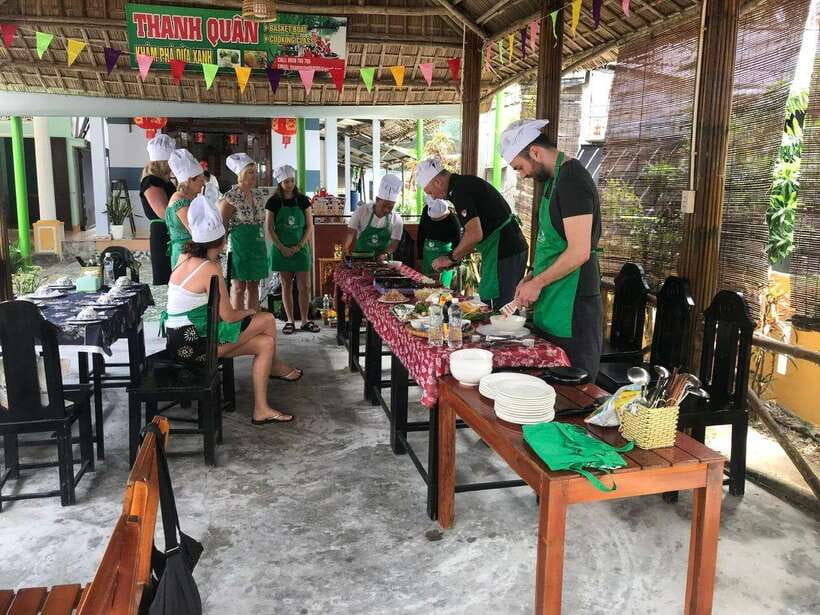
- Hotel pickup and drop-off in Hoi An city center, so you don’t burn time figuring out transport.
- Chef-led, step-by-step instruction in English, aimed at cooks with no experience.
- You make 4 dishes, including Hoi An rice pancake and spring rolls, not just a tasting.
- A shared meal afterward, with time to talk with your cooking partners.
- Optional basket boat trip if you select it, tied to the coconut village experience.
- Dietary flexibility, including a vegan/vegetarian option and a chance to flag allergies in advance.
From Your Hotel to Cam Thanh: The Pickup That Sets the Tone
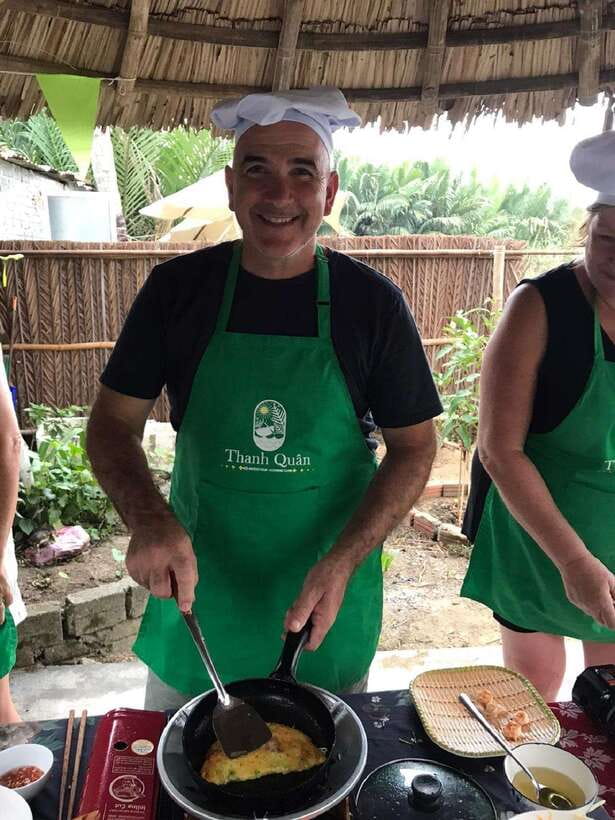
This tour starts the way I like many Hoi An food tours to start: you don’t have to manage logistics. Pickup is available in Hoi An city center, then you’re transferred to the Cam Thanh Coconut Village area before the class begins. With group transport, you’re usually spending your mental energy on what you’ll cook next, not where the kitchen is.
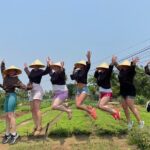
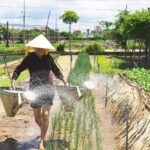
Once you arrive in the coconut village zone, the vibe shifts. The area is known for its water-and-coconut setting, and it gives you a nice break from the busy Old Town feel. It also matters practically: you’re already at the area where the class happens, so there’s less shuffling during the day.
If you’re sensitive to rushing, keep one thing in mind. The total duration is listed as 150 to 270 minutes, which usually means the day includes travel time, a welcome drink, the lesson, and the meal. Still, the hands-on portion can vary depending on the exact time slot.
You can also read our reviews of more tours and experiences in Hoi An.
Welcome Drink and a Real Rest Stop Before You Cook
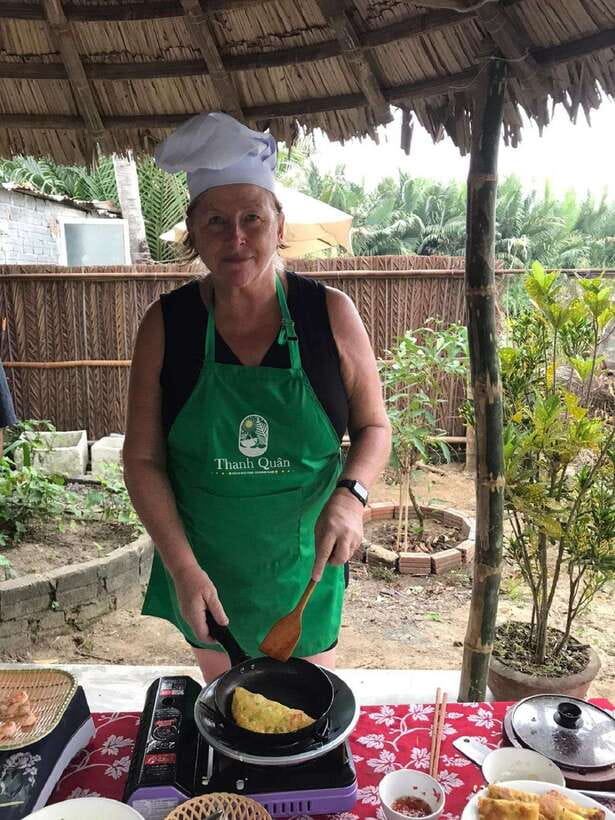
Before you’re at the cutting board, you get a quick reset: a welcome drink plus time to rest at the restaurant. For me, this is more than a nice perk. Cooking in Vietnam can involve chopping, mixing, and frying, and having a short break before that helps you stay focused.
It’s also the moment where you can get your gear ready. The tour asks you to bring comfortable shoes, a hat, and sunscreen, plus a camera and comfortable clothes. That’s not just “tourist advice.” Even if the class is mostly indoors or under cover, you’re outdoors for transfers and you’ll likely move around more than you expect.
If you travel with allergies or dietary needs, this is also a smart time to make sure your instructions are clear. The tour notes you should inform them in advance, and that can save you from awkward confusion later when the ingredients are already set out.
Your Menu: 4 Classic Dishes You’ll Cook in Hoi An Style
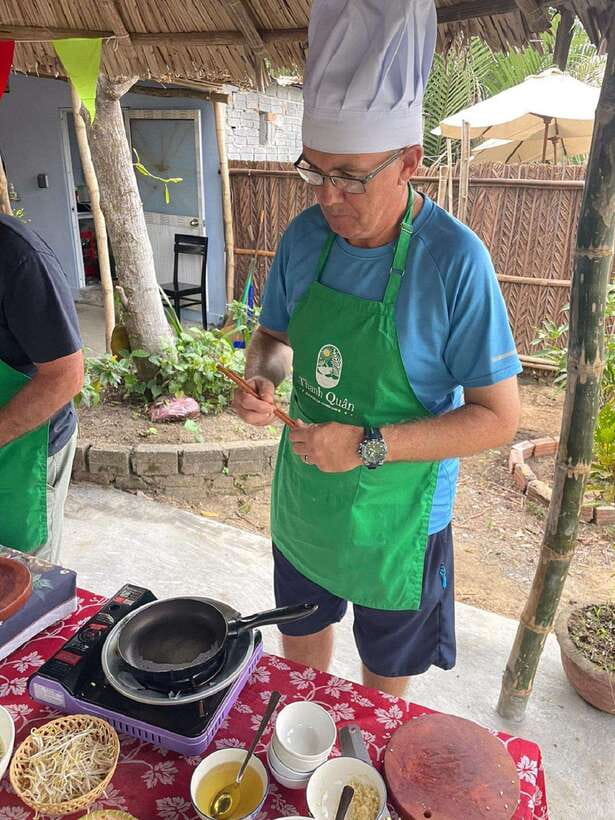
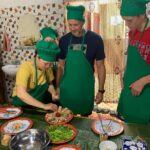
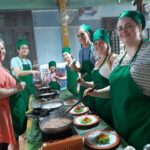
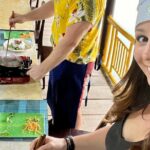
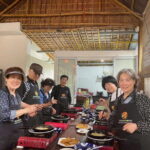
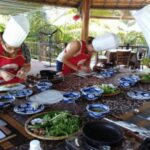
The big selling point here is that you don’t just watch. You prepare and cook 4 local dishes, following an English-speaking chef’s step-by-step guidance. The menu is designed around Central Vietnamese flavors and textures, so by the end you’ll understand what makes each dish Vietnamese—not just how to make it once.
Here’s what you’ll cook:
Hoi An Rice Pancake: The Dish That Tells You the Technique
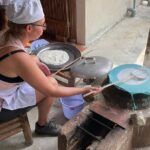
The Hoi An rice pancake is one of those dishes where the details matter. Rice batter, heat, and timing are the difference between something that tastes right and something that turns out bland or too thick. The chef’s approach is practical: you’re guided through the steps, and you get a chance to practice the process rather than just tasting the result.
This one is also great if you like learning “why.” Even without a long lecture, when you’re making it yourself, you naturally notice what changes the texture. That kind of feedback sticks, and it makes the class feel like real cooking education.
Hoi An Spring Rolls: Getting the Wrapping Under Control
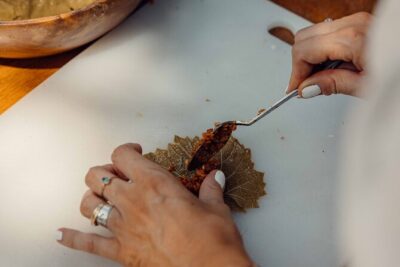
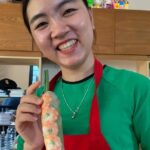
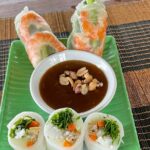
Spring rolls are another good choice because they teach two skills at once: filling and wrapping. The chef’s instruction helps you avoid the classic beginner problems, like overstuffing, uneven rolling, or getting the wrapper too dry.
If you’re a bit shy in cooking classes, this dish is still a win. It’s hands-on, it has a clear sequence, and you can see progress pretty quickly. Plus, it pairs well with the meal afterward, so you’re not just cooking for the sake of cooking.
Papaya Salad: Crunch, Balance, and the Right Flavor Push
Papaya salad is where Vietnamese seasoning philosophy shows up. You’re not just mixing ingredients—you’re aiming for balance: sweet, sour, salty, and a little heat. Following step-by-step instructions helps a lot, because you can’t really shortcut taste in a dish like this.
This is also where the class becomes fun if you like flavors. When you’re tasting the salad at the end, you’ll be able to connect what you did during prep to how it tastes. That feedback loop turns a one-off experience into something you can repeat later.
Cao Lầu or Fish in Clay Pot: Two Options, One Lesson in Comfort
You’ll either cook cao lầu or fish in clay pot, depending on the class option. I like having a choice in spirit, because both directions lead you into Central Vietnam comfort food.
Cao lầu tends to be about layers—texture, herbs, and that slightly complex broth-and-noodle feel. Fish in clay pot pushes you toward aroma and gentle cooking: you learn how ingredients come together when heat is steady and flavors build as they cook.
Either way, this dish is a good “final exam.” If you can handle the last recipe, you leave with confidence that you can take on more than just one type of cooking.
Chef Hon and the English-Language Teaching Style
You’ll be taught by an English-speaking chef, and the instruction is designed for regular people, not culinary pros. One name you may hear is Chef Hon, who tends to keep an eye on the group and help you course-correct when something goes off.
What I like about this style is that it’s built for participation. The chef doesn’t only narrate; you follow steps and get feedback. That’s also why this works for first-timers. Even if you’re nervous about cooking in a foreign country, you’re not left alone with a pan.
That said, here’s the honest caution. Some class formats end up feeling shorter on actual cooking time than the overall day length suggests. If you want the most hands-on experience possible, choose a time slot that fits your day and don’t assume you’ll spend the entire class in active cooking every minute.
Timing Reality Check: 150–270 Minutes, With a Chance of a Quick Pace
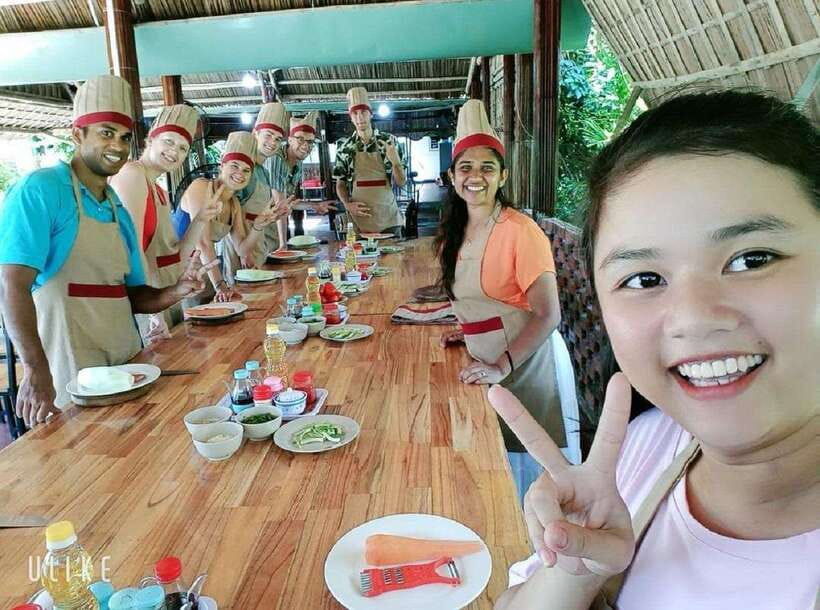
The duration is listed as 150 to 270 minutes, which usually includes pickup, the restaurant stop, the class itself, and eating. That’s a wide range, and it means your experience can feel different depending on the start time.
In practice, I’d plan around two realities:
- The first part (transport + drink + rest) will take some of that time.
- The active cooking portion can be tight if the schedule is packed.
There’s also a practical point you’ll appreciate if you hate feeling rushed. Some previous guests reported the day moving quickly after meals, with taxis waiting. If you’re the type who likes to linger, eat slowly, and take photos at the table, it helps to set that expectation ahead of time.
One smart approach: if your schedule allows you to pick between shifts, you might prefer the one that feels less rushed for your personal energy. Evening can feel calmer for some people, while midday slots may feel like a faster handoff.
Eating Together: Your Meal Is Part of the Lesson
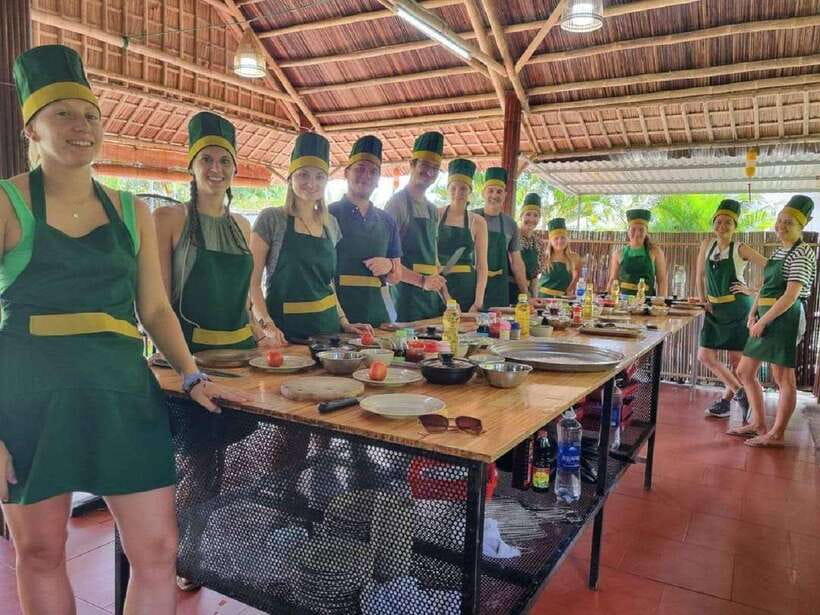
After everyone finishes cooking, you eat what you made. This is a real teaching moment, not just a final plate. You’ll sit down with your fellow classmates, taste your dishes, and chat while you compare notes—what you nailed, what you’d tweak, and what you want to order again next time you’re in Vietnam.
I like this part because it turns the class from a task into a memory. When you share a table, you also get quick context for what other people chose to ask about (or how they handled a specific step).
If you’re traveling with others, this shared meal helps break the ice fast. If you’re solo, it’s still one of the easier tours to join because you’re naturally grouped and busy.
Transport Quality Matters More Than You Think
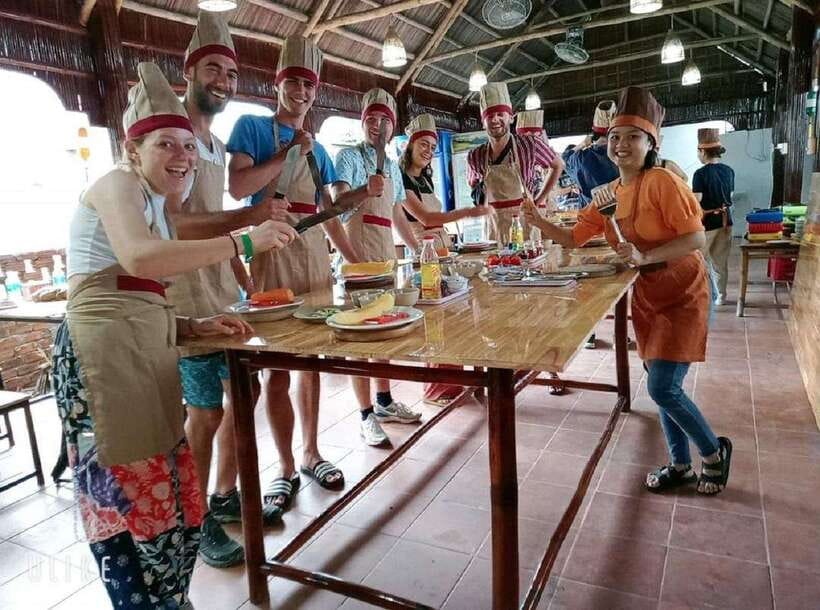
The tour highlights highly rated transport, and it makes sense. When you’re in a place like Hoi An, you don’t just want a ride—you want a ride that shows up on time and gets you back without stress. Pickup and drop-off also means you don’t worry about finding a taxi after your hands smell like herbs and you’re hungry.
That said, if you’re bringing kids, the timing becomes even more important. The tour notes that children under 3 are free but won’t participate in cooking and will share services with parents. If your group includes young kids, confirm what role they’ll have during the class and how portions are handled so expectations match reality.
Diets, Allergies, and the Vegan Option
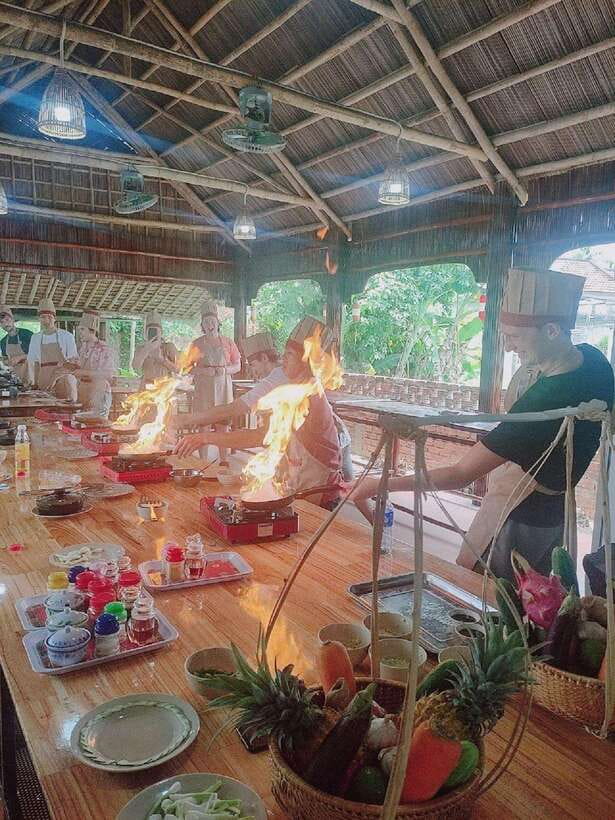
Food safety and comfort are key here. The tour asks you to inform them of any food allergies or dietary restrictions in advance. That’s not just courtesy; cooking classes involve multiple ingredients laid out together, and prep happens quickly.
There’s also a vegan/vegetarian option available. If you’re vegan, use it. If you’re vegetarian but still eat dairy/eggs, tell them your preference so they can match it correctly.
For best results, write down your restrictions clearly and send them early. It’s one of those small steps that pays off with a calmer class.
Optional Basket Boat Trip: Nice If You Want It, Skip If You Don’t
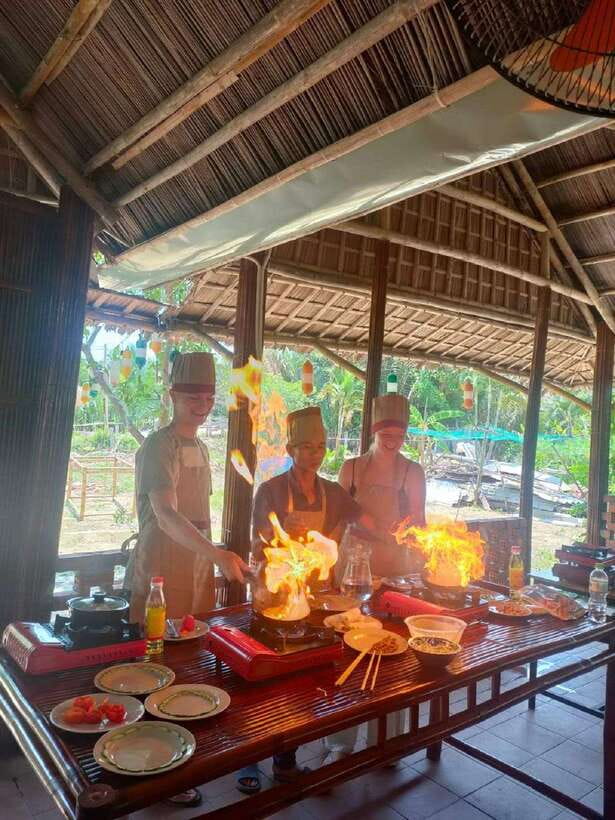
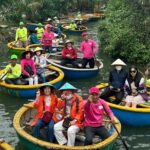
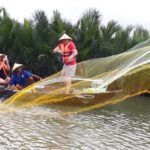
The tour includes a basket boat trip option (only if you select it). Since it’s not required for the cooking class, I see it as a choose-your-own-adventure add-on.
One caution: if you prefer not to purchase add-ons on the spot, just be straightforward early. Some people have felt pressured about boat activities. If that’s your style too, keep it simple when you’re offered extras, so you can enjoy the cooking portion without mental friction.
If you do select it, think of it as your scenic break tied to the coconut village setting, not as a replacement for the cooking lesson.
Price and Value: Is $24 Worth It?
At about $24 per person, this tour lands in the mid-range for a full cooking class with hotel pickup. What makes it feel like value is the bundle:
- hotel pickup and drop-off,
- an English-speaking chef,
- ingredients for the dishes,
- you eat the meal you prepare,
- plus a local village transfer experience.
You’re also cooking 4 dishes, including two dishes that people often struggle to make at home: rice pancake and properly rolled spring rolls. For $24, you’re paying for instruction, ingredients, and the fact that you’re eating what you made right away.
Where the value can drop slightly is if you end up feeling you watched more than you cooked or if the cooking window feels short for your chosen time slot. That’s not guaranteed, but it’s worth knowing before you commit.
My practical take: if you want a structured way to learn classic Vietnamese dishes and you like learning by doing, this is a solid price. If you mainly want a long, hands-on cooking session with deep cultural storytelling, you may want to consider another format.
Who This Works Best For (and Who Might Feel Let Down)
This experience is a great fit for:
- beginners who want step-by-step instruction,
- food lovers who want to learn dishes you’ll actually recognize in Vietnam,
- anyone who likes a mix of cooking plus a relaxed meal and conversation,
- visitors staying in central Hoi An who appreciate pickup and drop-off.
It might not fit perfectly if:
- you’re very sensitive to time pressure and want to linger at every step,
- you expect a long cultural lecture in addition to cooking,
- you’re traveling in a group where quantities and participation need extra care, especially with kids.
If you fall in the “middle” (most people do), this tour still makes sense. Just show up ready to cook, confirm your needs in advance, and keep your expectations aligned with a fun, active class rather than a slow, museum-style experience.
Should You Book This Hoi An Cooking Class?
If your goal is a practical, guided way to learn 4 classic Vietnamese dishes in Hoi An, with hotel pickup and a meal at the end, I’d say go for it. The biggest strength is that you’re not stuck watching from the sidelines—you’re cooking, tasting, and learning in a real local setting.
Book it if you:
- want hands-on instruction in English,
- like the specific dishes (rice pancake, spring rolls, papaya salad, cao lầu or clay pot fish),
- value convenience with pickup and transport.
Skip or rethink it if you:
- need a long, unhurried cooking session with lots of background talk,
- hate any add-on pressure (especially if you’re not interested in the basket boats),
- have complex allergies or a group situation—then you should message ahead carefully before you arrive.
FAQ
Do I get hotel pickup and drop-off?
Yes. Pickup and drop-off are provided, and pickup is optional in Hoi An city center.
What dishes will I learn to cook?
You’ll cook 4 dishes: Hoi An rice pancake, Hoi An spring rolls, papaya salad, and either cao lầu or fish in clay pot.
Is the class taught in English?
Yes. The tour includes an English-speaking chef and a live tour guide in English.
Is there a vegan or vegetarian option?
Yes. A vegan/vegetarian option is available.
What should I bring to the class?
Bring comfortable shoes, a hat, a camera, and sunscreen, plus comfortable clothes suitable for cooking.
What if I have food allergies or dietary restrictions?
You should inform them in advance about allergies or dietary restrictions so they can prepare accordingly.
Are children allowed?
Children under 3 years old are free of charge, but they won’t participate in cooking and will share services with their parents.
Is there a basket boat trip included?
A basket boat trip is included if the option is selected.
If you want, tell me what time of day you’re considering (morning vs later) and whether anyone in your group has dietary needs, and I’ll help you gauge how to maximize the hands-on cooking time.