REVIEW · SAMARKAND
Samarkand: Cooking class with local family
Book on GetYourGuide →Operated by Navruz · Bookable on GetYourGuide
A home-cooked meal beats any class. In Samarkand, this 5-hour experience pairs a local bazaar walk with cooking Uzbek favorites in a family home, taught by Navruz and his family. I especially like the hands-on kitchen time and the chance to talk real life, not just recipes.
You’re paying $65 for a full half-day with an English (plus other languages) guide, lunch, bottled water, and air-conditioned transport, so it’s a solid value for how personal it feels. One thing to consider: you’re stepping into someone’s daily space, so dress and behavior rules matter, including limits on tight clothing and alcohol.
In This Review
- Key points to know before you go
- Why This Samarkand Cooking Class Feels Like a Day With People, Not a Show
- The Bazaar Walk: Where You Learn What Actually Goes Into Uzbek Food
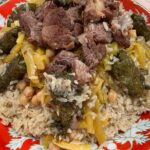
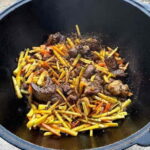
- Cooking With a Local Family: Plov, Shashlik, and Samsa From Scratch
- More Than Recipes: Customs, Costumes, and Small Moments of Daily Life
- The Day’s Craft Stops: Konigil Paper, Oil-Press Work, and Pottery
- What You Actually Get for $65: Value in the People, Not Just the Menu
- Dress, Rules, and Comfort: How to Respect the Home and Stay Comfortable
- Who This Experience Suits Best (and Who Might Want Something Different)
- Should You Book the Samarkand Cooking Class With a Local Family?
- FAQ
- What dishes will I cook during the class?
- Is this tour private?
- How long is the experience?
- What languages can the live guide speak?
- What’s included in the price?
- Are there dress or alcohol restrictions?
Key points to know before you go
- Bazaar first: You start at a local market to see ingredients, bargaining styles, and what families actually buy.
- Cook from scratch: Expect Uzbek dishes like plov, shashlik, and samsa made with step-by-step help.
- Family conversation: You learn daily customs through conversation, stories, and small cultural touches like traditions and even chess if the mood hits.
- Craft stops after cooking: The day can continue to Konigil paper work and other traditional craft activities like oil-meal and pottery.
- Small/private feel: It’s a private group, so questions and pacing don’t get swallowed by a crowd.
- Guide support in multiple languages: English, Korean, Russian, Uzbek, and Tajik are available through the live guide.
Why This Samarkand Cooking Class Feels Like a Day With People, Not a Show
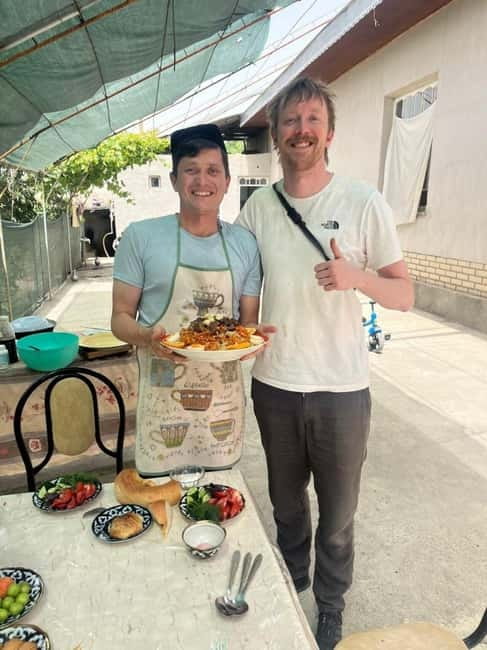
Samarkand can feel like a highlight reel if you only do monuments. This is the opposite. You trade “look and go” for a half-day that includes food, conversation, and craft work, all tied to how people live now.
I like that the day isn’t only about what ends up on your plate. You also get the backstory of ingredients, routines, and why certain flavors and techniques matter in everyday Uzbek cooking. And yes, you’ll still eat well, including lunch you made with help.
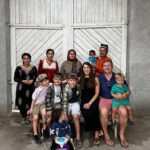
There’s also a human element you can’t fake with a demo kitchen. In the past, guests have met Navruz and his family, with support from family members such as his wife and parents, and sometimes an additional guide presence like Guli. That’s why it feels warm and specific, not generic.
You can also read our reviews of more tours and experiences in Samarkand.
The Bazaar Walk: Where You Learn What Actually Goes Into Uzbek Food
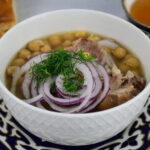
The day begins at a local bazaar, the place where ingredients, spices, and household goods all share the same space. This part matters because Uzbek cooking isn’t built from one or two signature items. It’s built from choices—what’s fresh, what’s worth buying today, and what a family reaches for without thinking.
You’ll stroll the stalls, talk with vendors, and see the everyday rhythm of the market. If you’re the type who likes to connect food to its source, this is where you’ll start feeling the “why” behind the meal. Even if you don’t speak much, watching how people handle produce, dry goods, and small wares gives you context fast.
Practical note: expect a real market environment—active sellers, moving through narrow areas, and lots of visual detail. Wear comfortable shoes. You’ll be happier if you treat this as part walking tour and part ingredient lesson.
Cooking With a Local Family: Plov, Shashlik, and Samsa From Scratch
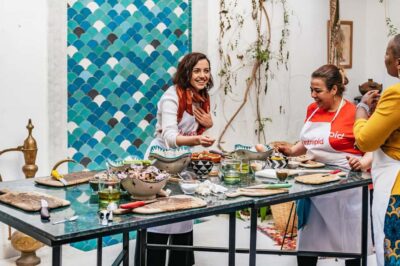
After the bazaar, you move into the kitchen portion of the day: hands-on cooking with a local family. This is the core reason I’d book it. The best part isn’t the final dishes. It’s being guided through the steps—mixing, shaping, timing, and learning how people adjust as they go.
The dishes you’re likely to work on include:
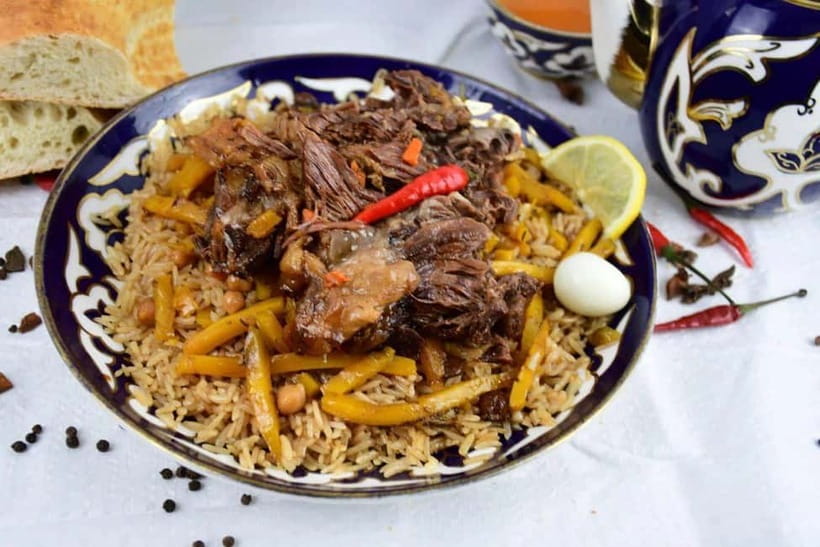
- Plov (rice pilaf): the kind that feels simple on paper but takes technique in practice.
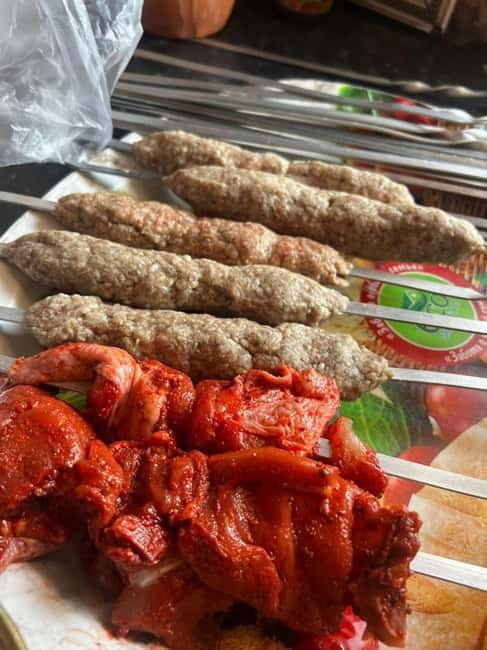
- Shashlik (grilled meat): cooked with a focus on seasoning and handling.
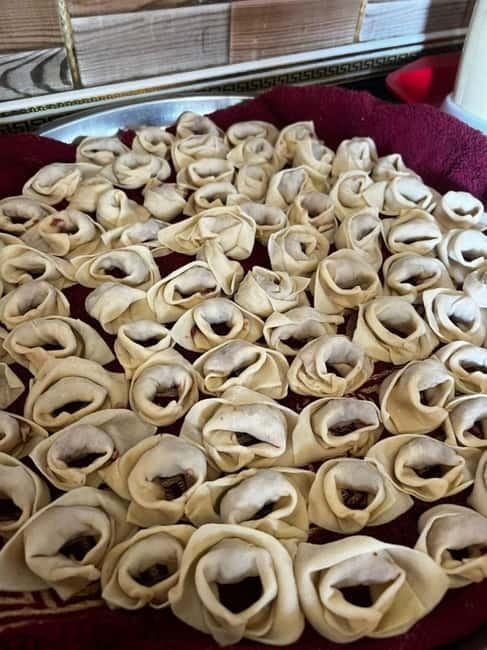
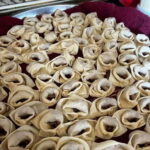
- Samsa (savory pastries): shaped and prepared so you understand the dough and filling relationship.
What makes it click is the teaching style. Navruz and family members tend to explain the process in plain language and then watch you do it. Guests have highlighted how helpful Guli was in making sure things made sense, and how welcoming Navruz’s household was when cooking from scratch.
And it’s not just a one-dish situation. You get a multi-course feel, so you can taste the logic of Uzbek cuisine across different textures: rice, grilled meat, and pastry. That variety is also great for remembering the lesson later, when you try to recreate it at home.
More Than Recipes: Customs, Costumes, and Small Moments of Daily Life
The cooking is the headline, but the cultural learning is what makes the day memorable. This experience is built around spending time with the family—sharing stories, learning customs, and picking up details you won’t get from a standard restaurant meal.
You may talk about traditions and what day-to-day life looks like in Samarkand. Some guests have described learning about local history and traditions alongside food, with enough time for relaxed conversation. In one account, the family experience even included a possible game of chess, which is a great reminder that hospitality often looks like ordinary family life, not a scripted performance.
Look for the small teaching moments. When family members adjust a technique, explain a habit, or point out a cultural detail, you’ll understand the food better. Uzbek cooking isn’t just flavor; it’s routine, respect, and shared time at the table.
The Day’s Craft Stops: Konigil Paper, Oil-Press Work, and Pottery
The itinerary doesn’t end when the meal ends. The plan can continue to traditional craft sites, adding another layer to why Samarkand feels different from other Silk Road cities.
One stop is Konigil paper work. Guests have specifically called out paper-making that connects to earlier traditions, and you’ll see how material production fits into local life. It’s a good pairing with cooking: you finish one hands-on craft (food) and then watch another (making everyday materials).
You may also spend time at an oil-meal and pottery workshop area. Oil-press work ties into cooking because it’s part of how people process and use food materials. Pottery adds a visual rhythm to the day: while you’re learning to shape dough at home, you also see how shaping and firing define another kind of craft.
In at least one guest account, the day also included a hand-rug workshop where rugs are made by hand. If that’s part of your schedule, it’s worth paying attention to labor and patience. Rug-making explains another side of “home life”—skills passed along, work done patiently, and a product meant to last.
What You Actually Get for $65: Value in the People, Not Just the Menu
$65 for a 5-hour private experience can look straightforward until you break down what’s included. Here, you’re not just buying a meal. You’re buying:
- a live guide (with multiple language options),
- air-conditioned vehicle transport,
- lunch,
- bottled water,
- and the key asset: time inside a local home kitchen.
The private group format matters. It tends to keep questions from getting lost, and it helps you move at a pace that fits the kitchen and conversation. With cooking, timing is everything. A crowded group can mean rushed steps and less explanation; a private group usually keeps it calmer.
Also, the mix of bazaar + cooking + craft stops makes the price feel more like a full-day cultural session than a quick “activity.” If you’re the type who likes to go beyond the sites and understand how daily skills connect to food, this feels like good spend.
Dress, Rules, and Comfort: How to Respect the Home and Stay Comfortable
Because you’re hosted in a family home and you’ll also visit workshops, follow the behavior and dress rules listed for the experience. Tight clothing is not allowed, and short skirts are also not allowed. Alcohol and drugs are off-limits, and alcohol isn’t permitted in the vehicle.
It’s also wise to plan for comfort. You’ll likely walk through market areas, stand during cooking instruction, and move between indoor and workshop spaces. Wear breathable layers and closed-toe shoes. If you’re unsure about what counts as “tight,” choose something looser than you think you need.
No alcohol drinks in the vehicle is listed, so don’t plan on treating this like a drinking tour. Think of it as cultural and food-focused.
Who This Experience Suits Best (and Who Might Want Something Different)
This is a strong fit if you:
- want to learn by doing, not watching,
- enjoy meeting people and hearing how they see their own city,
- like Uzbek food and want to understand it at the ingredient and technique level,
- prefer a smaller, private feel over large group touring.
It’s less ideal if you:
- want only monuments and don’t care about cooking or crafts,
- hate dress-rule environments,
- or dislike hands-on food preparation and prefer purely observational activities.
For many visitors, this tour becomes the “anchor” day of the trip—the one that makes Samarkand feel personal instead of just impressive.
Should You Book the Samarkand Cooking Class With a Local Family?
Yes, I’d book it if you’re chasing the kind of travel that leaves you with more than photos. The bazaar start gives you ingredient context, the home cooking teaches technique, and the craft stops add a second hands-on angle through Konigil paper, oil-meal work, and pottery (with hand-rug making sometimes included in the day).
If $65 for 5 hours feels like a lot, think about what’s actually included: private time, lunch, an air-conditioned ride, and a real household host situation. That’s where the value lives.
If you’re okay with a home setting and you can follow dress and rule guidelines, this is one of the most human ways to experience Samarkand.
FAQ
What dishes will I cook during the class?
You’ll cook traditional Uzbek foods such as plov (rice pilaf), shashlik (grilled meat), and samsa (savory pastries).
Is this tour private?
Yes, it’s listed as a private group.
How long is the experience?
The duration is 5 hours.
What languages can the live guide speak?
The live tour guide can speak English, Korean, Russian, Uzbek, and Tajik.
What’s included in the price?
Included items are an air-conditioned vehicle, lunch, and bottled water, plus a live tour guide.
Are there dress or alcohol restrictions?
Yes. Short skirts, tight clothing, and nudity are not allowed. Alcohol and drugs are not allowed, and alcoholic drinks are not allowed in the vehicle.