REVIEW · SAN MIGUEL DE ALLENDE
Private Pre-Hispanic Cooking Class with a Mexican Grandmother
Book on Viator →Operated by Traveling Spoon · Bookable on Viator
Pre-Hispanic cooking beats any restaurant. In San Miguel de Allende, I love that this private class sends you into Isabel’s home kitchen for a hands-on lesson rooted in pre-Hispanic flavors, not just a scripted tasting. After a garden walk, you’ll cook 3–4 dishes from scratch, often including salsa made in a molcajete, then sit down together to eat what you made.
One thing to plan for: the exact dishes shift by season, so you may not get every item from the sample menu.
Key things I’d prioritize
- Private, home-based setting with a real family-style rhythm
- Garden harvest of seasonal vegetables and herbs before you cook
- Pre-Hispanic techniques explained as you cook (including the three-sisters idea)
- Hands-on meal building: 3–4 dishes from scratch, not just watching
- Molcajete salsa + traditional sauces you can recreate later
- Vegetarian option available if you plan ahead
In This Review
- Why This Private Cooking Class Works in San Miguel
- Meeting Isabel: Pickup, Arrival, and the Welcome Drink
- The Garden Harvest: Three Sisters and Seasonal Picks
- Cooking Pre-Hispanic Flavors in an Open Kitchen
- What You’ll Likely Cook: Nopales, Black Bean Soup, Pollo Santo
- Nopales salad
- Fresh guacamole
- Sopa de frijoles negros
- Pollo santo (and similar stewed mains)
- Salsa in the Molcajete and Other Techniques You Can Reuse
- Dessert and the Meal at the Table
- Price Value: What $114 Buys You Here
- Who This Class Is For (and Who Should Skip It)
- Practical Tips So You Leave With Techniques, Not Just Memories
- Should You Book This Class?
- FAQ
- How long is the private cooking class?
- Is pickup available in San Miguel de Allende?
- Is the class offered in English?
- Do they offer a vegetarian option?
- Where does the experience start and end?
- What is the cancellation policy?
Why This Private Cooking Class Works in San Miguel
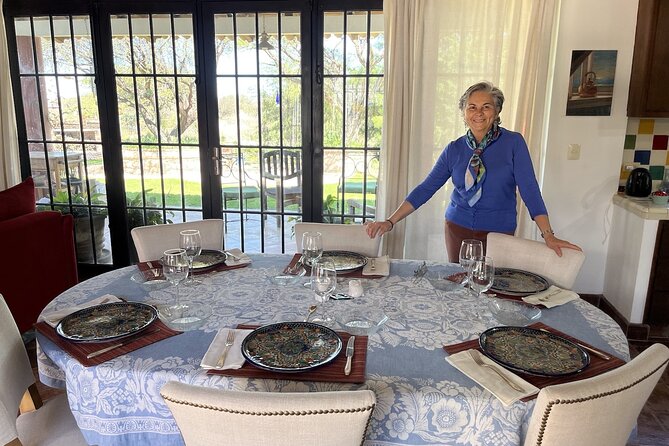
San Miguel de Allende has plenty of food to eat. This experience is about the other half of the equation: learning how the food comes together. You’re not waiting on courses from a menu. You’re cooking them.
I like that it’s private, so you can ask questions as you go and get help with basics (even if your knife skills are… theoretical). I also like the focus on pre-Hispanic foundations—ingredients and growing methods—so the meal makes sense, not just tastes good.
Meeting Isabel: Pickup, Arrival, and the Welcome Drink
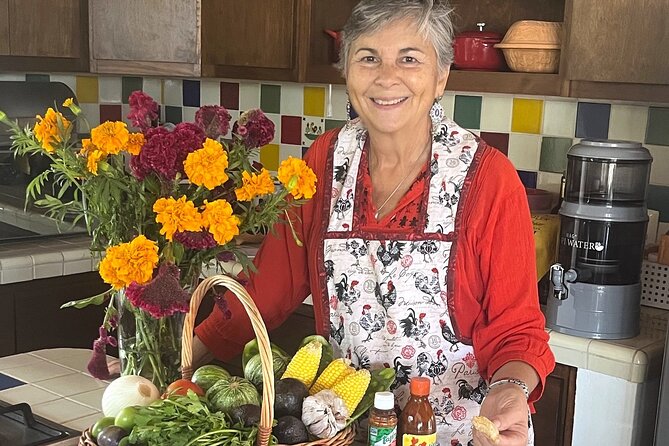
Your day starts at 37893 Presita de Santa Rosa, Gto., Mexico, and it ends back there. If you book with pickup, a driver brings you from your San Miguel de Allende lodging to Isabel’s home. When you book, make sure you include your pickup location—or send it at least 3 days before—so the timing stays smooth.
When you arrive, Isabel welcomes you into her home and garden. You start with a margarita or a non-alcoholic agua de jamaica, depending on what you prefer.
This first part matters more than it sounds. A calm start makes the cooking feel like a relaxed afternoon, not a class that rushes you through steps.
You can also read our reviews of more tours and experiences in San Miguel de Allende.
The Garden Harvest: Three Sisters and Seasonal Picks
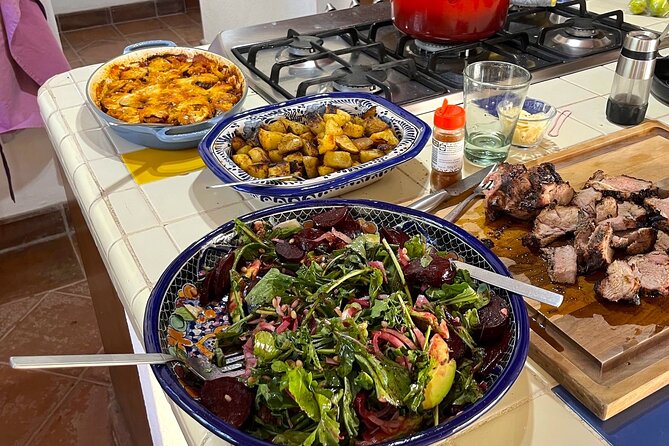
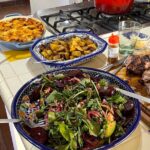
After the welcome drink, you tour Isabel’s garden and pick vegetables and herbs that are in season. This isn’t just for show. You’re gathering the building blocks for what you’ll cook later.
You’ll also hear about traditional growing ideas, including the three-sisters method (the classic mix of crops grown together). It’s a useful mental model because it explains why so many Mexican dishes lean on corn, squash, and beans as a system, not random ingredients.
Expect to see and work with things that don’t show up the same way back home. If you’ve ever wondered why flavors taste tied together, this is where the connection starts.
Cooking Pre-Hispanic Flavors in an Open Kitchen
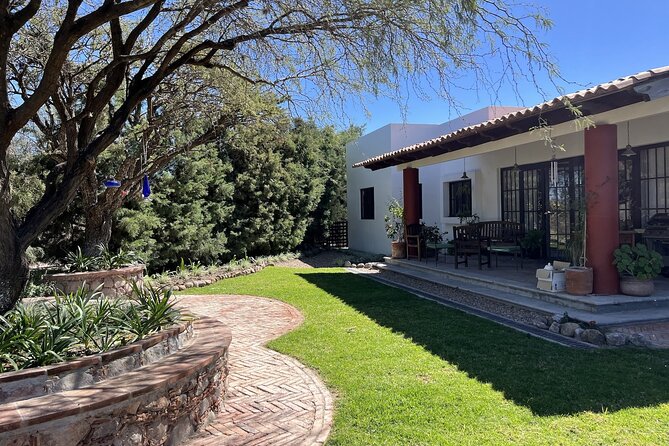
Once you’re in the kitchen, Isabel guides you through recipes passed down through her family. The instruction is practical: how to prep, how to build flavor, and what each ingredient is doing.
You can expect to cook 3–4 dishes from scratch in about three hours. That’s a tight window, so you’ll move from one step to the next—but it’s still hands-on, not a conveyor belt.
Because it’s family cooking rather than a restaurant show, you’ll get perspective on the why. That makes the biggest difference if you want to cook these meals later.
What You’ll Likely Cook: Nopales, Black Bean Soup, Pollo Santo
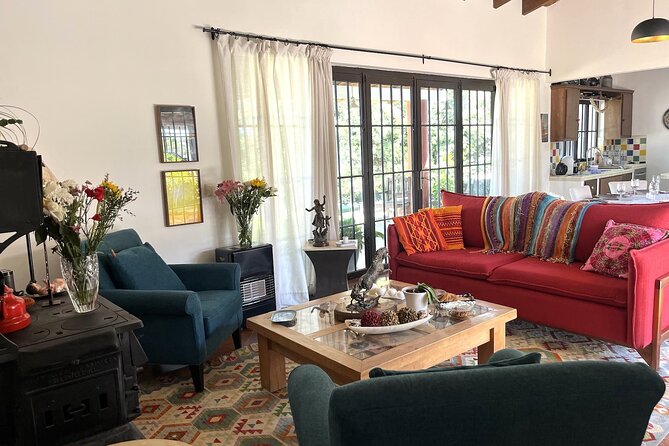
Your final menu depends on the season, but there’s a clear pattern: fresh greens and herbs, deep bean-based flavors, and sauces that lean on tomatoes, chiles, and local leaves.
Here are common dishes you might make:
Nopales salad
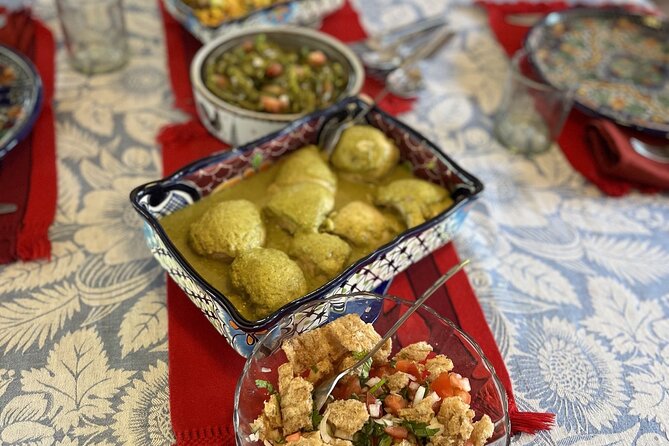
Nopales are cactus pads, often sliced and cooked until tender. In the class, you may make a nopales salad with tomatoes, onion, cilantro, and an oregano-and-vinegar dressing. It’s bright and tangy, and it helps balance heavier flavors later.
Fresh guacamole
You might also put together fresh guacamole with chips. Even if you’ve made guac before, it’s a good entry point for learning how you season to taste in a Mexican kitchen—salt, acid, herbs, and texture.
Sopa de frijoles negros
Black bean soup is another likely stop. You may learn to top it with crispy tortilla strips for crunch. The effect is simple but smart: creamy beans plus texture so the bowl feels complete, not flat.
Pollo santo (and similar stewed mains)
For a main, you might cook pollo santo, which is chicken (or sometimes rabbit) stewed with green tomatoes, cilantro, and hoja santa. The dish typically arrives with sides like corn, mushrooms, and squash blossoms.
Hoja santa is the kind of ingredient you can’t fully replicate from memory. If you love working with distinct flavors, this is one of the coolest pieces of the menu.
Salsa in the Molcajete and Other Techniques You Can Reuse
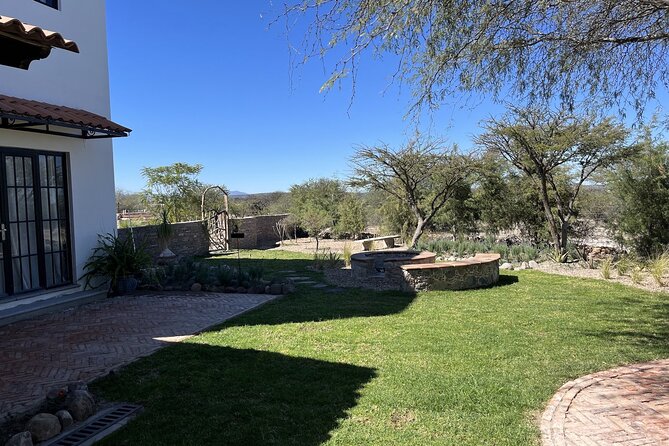
If you only remember one skill from this class, make it the salsa. You may learn to make salsa picante in a molcajete, the stone mortar and pestle used in many Mexican kitchens.
Why it matters: the texture changes when you grind by hand. You get a salsa that feels thicker and more integrated, and it clings differently to chips and food. It also teaches you to adjust seasoning as you grind, rather than relying on a single measured recipe.
You’ll also get practice with traditional ingredients that create depth fast, like tomatillos, chiles (fresh and dried), onions, tomatoes, and garlic. Even when you don’t cook the exact same dish again, those flavor moves carry over.
Dessert and the Meal at the Table
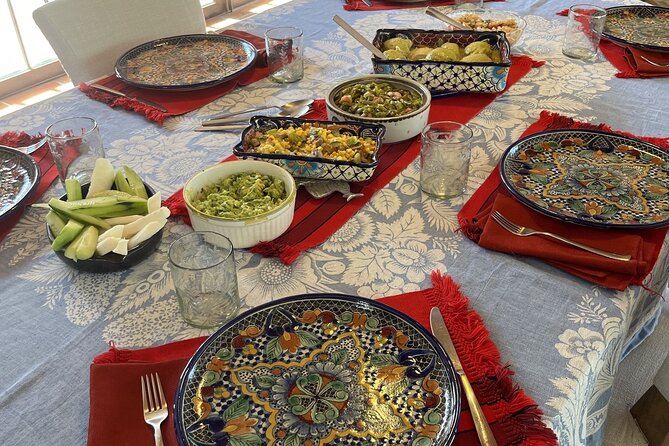
Once the cooking is done, you sit down for the meal you built. That’s a key part of the experience: you don’t just “finish cooking” and leave. You eat while the flavors are still fresh and the lesson still feels alive.
A common dessert is ate con queso, a simple traditional sweet. It’s the kind of ending that doesn’t need theatrics. It just tastes like it belongs in this region and this tradition.
If you’re traveling with family, this is also the moment kids (and adults) usually relax. The food does the bonding work.
Price Value: What $114 Buys You Here
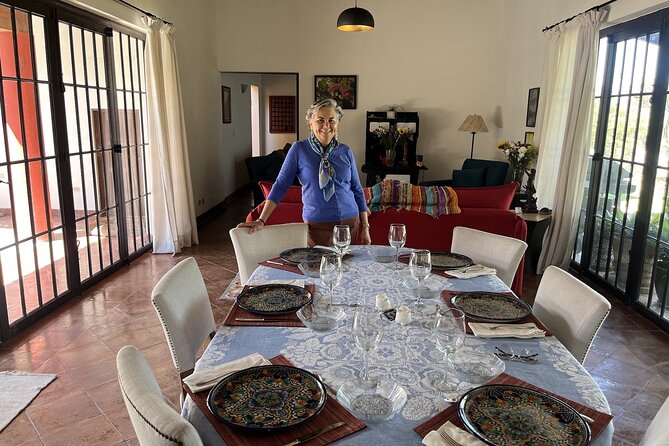
At $114 per person for about 3 hours, this isn’t a budget cooking class. But it’s not overpriced for what you get, either.
Here’s what you’re really paying for:
- Private format in a home, not a crowded group demo
- Transportation pickup if you request it
- Hands-on cooking of multiple dishes, not a quick tasting
- Ingredient work (including garden picking), plus meals and dessert
If you compare this to paying for dinner plus a separate food experience, it starts to make sense. You’re buying a skill transfer—techniques you can repeat—plus a full meal. That’s better value than most “just eat” tours.
Also, this runs well year-round, and it’s often booked about 43 days in advance on average. If you want a specific date, don’t wait for perfect plans.
Who This Class Is For (and Who Should Skip It)
This works well if you want a more personal San Miguel day. It’s family friendly, and it’s designed to handle different cooking levels—so beginners won’t feel lost, and experienced cooks still get useful guidance.
It also fits travelers who care about food origins. The class isn’t only about taste. It’s about pre-Hispanic cuisine basics: ingredients, growing patterns, and how sauces and chiles build flavor.
I’d think twice only if you strongly prefer restaurant-style predictability. This is a home kitchen. The menu changes with the season. The pacing is relaxed, not scripted like a show kitchen.
Practical Tips So You Leave With Techniques, Not Just Memories
To get the most from your time:
- Arrive hungry and with an appetite for new flavors (things like cactus and hoja santa may be unfamiliar).
- Tell them your dietary needs at booking, especially if you want the vegetarian option. The vegetarian option is available, but it’s not the same as “whatever is left.”
- Wear comfortable clothes you can move in. Kitchen time often means standing, tasting, and hopping between prep areas.
- Ask about what you’re tasting as you go. A good question can turn one step into a repeatable skill.
- If you want to recreate the salsa later, pay attention to texture—how it feels as it’s ground—not just the ingredients list.
And yes, having the full meal at the end is a big payoff. By the time you eat dessert, you’re not just a spectator. You’re part of the process.
Should You Book This Class?
Book this if you want a San Miguel food experience that’s practical, personal, and rooted in how Mexican families cook. The private home format, the garden-to-kitchen flow, and the focus on pre-Hispanic ingredients and techniques make it worth putting on your calendar.
Skip it only if you need a fixed menu every time or you’re looking for a purely restaurant-style itinerary. Otherwise, this is exactly the kind of activity that turns into a repeatable cooking memory you’ll actually use.
FAQ
How long is the private cooking class?
It lasts about 3 hours.
Is pickup available in San Miguel de Allende?
Pickup is offered. Include your pickup location when booking, or at least 3 days before the experience.
Is the class offered in English?
Yes, it’s offered in English.
Do they offer a vegetarian option?
Yes. A vegetarian option is available, and you should advise them when booking.
Where does the experience start and end?
It starts at 37893 Presita de Santa Rosa, Gto., Mexico and ends back at the meeting point.
What is the cancellation policy?
You can cancel for a full refund if you cancel at least 24 hours before the experience starts. Free cancellation is available up to 24 hours in advance.