REVIEW · MILAN
Milan: Hands-On Pasta & Dessert Cooking Class & Wine Pairing
Book on GetYourGuide →Operated by CASA PASTROCCHI · Bookable on GetYourGuide
A kitchen visit beats another museum day. You’ll make fresh pasta shapes, learn the real tiramisù, and get a guided wine pairing with Niccolò and a Certified Sommelier. I especially love the fact that you’re cooking side-by-side with the chef, not just watching, and that the flavors are kept Italian and specific. One heads-up: it’s a hands-on 3.5-hour workshop, so if you hate cooking or need a totally quiet evening, this may feel like too much work.
Here’s the good news: the pace is friendly and practical. You start with a welcome aperitif, then move into a full 3-course flow—starter, multiple pasta shapes with different sauces, and dessert—followed by the meal you cooked. If you want a class that feels like an Italian home kitchen (with wine), this one is easy to recommend.
In This Review
- Key Things I’d Plan For
- A Milan Kitchen Session You’ll Actually Remember
- Finding the Apartment Meeting Point (So You Don’t Lose Time)
- Welcome Aperitif: Prosecco, Salami, and Cheese First
- The 3-Course Cooking Flow: Bruschetta to Tiramisù
- Starter: Tomato/Sausage Tuscan Bruschetta
- Fresh Pasta Shapes: Several Types, Same Core Skills
- Sauces: Pomodoro, Amatriciana, Cacio e Pepe, and Carbonara
- Dessert: Classic Tiramisù (or Chocolate Variation)
- Wine Pairing That Feels Like Part of the Meal
- What “Hands-On” Means Here (and Why It Matters)
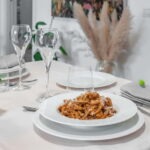
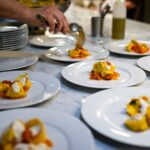
- Dinner Time: Sit Down and Eat What You Made
- Leave With a Recipe Book (So This Isn’t One-Night-Only)
- Price and Value: What You’re Really Paying For
- Who This Class Is Best For
- Should You Book This Milan Pasta and Wine Class?
- FAQ
- FAQ
- How long is the Milan pasta and dessert cooking class?
- What’s included in the price?
- Do you make fresh pasta and dessert during the class?
- Are wines part of the experience?
- Is there an age requirement for alcohol?
- What should I bring?
- Where do I meet the instructor?
Key Things I’d Plan For
- Small group size (up to 10) means you can actually work, ask questions, and get feedback.
- Chef-led fresh pasta shapes: you’ll learn more than one style, not just a single dough trick.
- Wine pairing built into the meal with Niccolò and a Certified Sommelier (plus dessert wine and limoncello).
- A clear menu you can repeat at home: bruschetta, several pasta types, amatriciana/cacio e pepe/carbonara options, and tiramisù.
- You leave with a recipe book, so the class doesn’t vanish the next day.
A Milan Kitchen Session You’ll Actually Remember
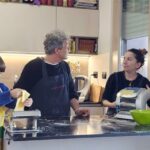
This class is built around one idea: real Italian cooking is a hands-on skill, not a performance. You walk into a kitchen in the heart of Milan and spend your evening working with dough, shaping pasta, and building sauces you can name and repeat later.
What makes it feel special is the combo: cooking plus wine plus dessert drinks. Many food tours stop after a tasting. Here, you’re doing the cooking, then sitting down to enjoy everything you made together. That’s the difference between collecting food photos and bringing home confidence.
The other big plus for me is the instructor setup. Niccolò runs the experience, and the wine side is handled by a Certified Sommelier. That pairing matters because it turns the tasting into something useful—like learning what to sip with tomato-based sauces versus richer, cheese-forward bites.
You can also read our reviews of more tours and experiences in Milan.

Finding the Apartment Meeting Point (So You Don’t Lose Time)
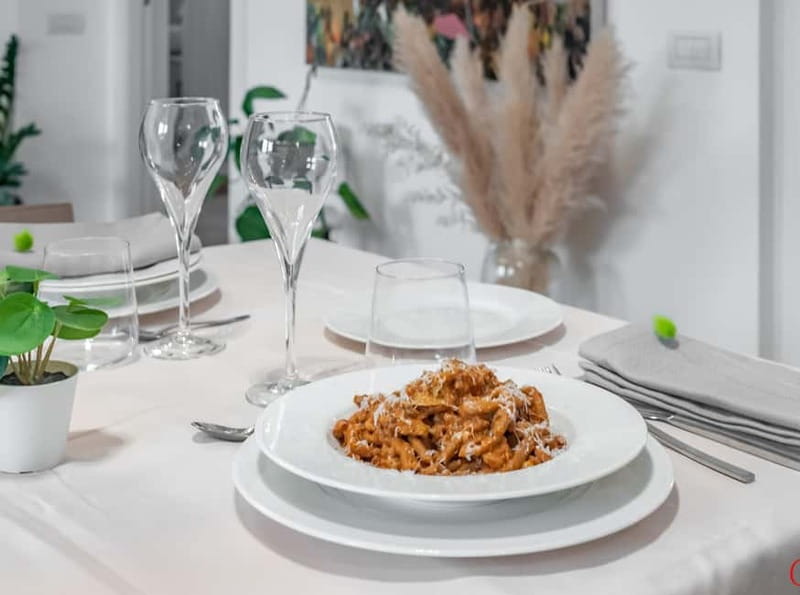
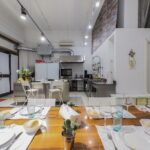
The meeting point is inside a condominium, so plan for a bit of careful navigation. You’ll use the intercom system to reach apartment G1.
Here’s the step-by-step the host provides:
- At the intercom, use the downward arrow on the display to find apartment G1, then ring the bell.
- Once you enter the condominium complex, turn right toward the staircase.
- Look for a second door and another intercom, then ring G1 again.
- The apartment is on the first floor, left side.
Practical tip: wear comfortable shoes and arrive with a few minutes of buffer. Milan apartments don’t always make the entrance obvious from the street, and the whole evening flows faster when you’re not hunting.
Welcome Aperitif: Prosecco, Salami, and Cheese First
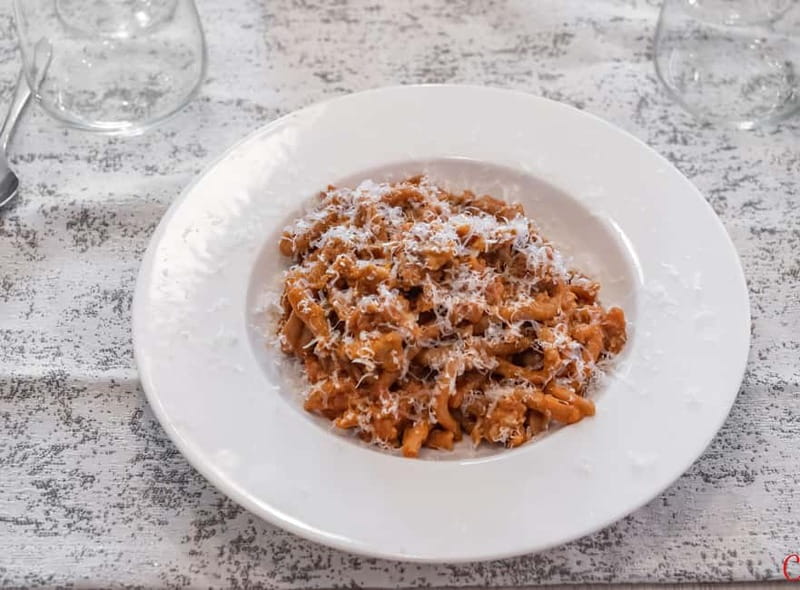
Before anyone touches dough, you start with a welcome aperitif. You get Prosecco along with fresh salami and cheese. It’s a simple start, but it’s the right one—light, social, and it kicks you into the Italian-meal mindset.
This is also a smart timing choice. You’re about to spend time doing focused cooking tasks, and the aperitivo takes the edge off. It also gives you a moment to settle in, meet your small group, and get oriented before the chef starts teaching.
The 3-Course Cooking Flow: Bruschetta to Tiramisù
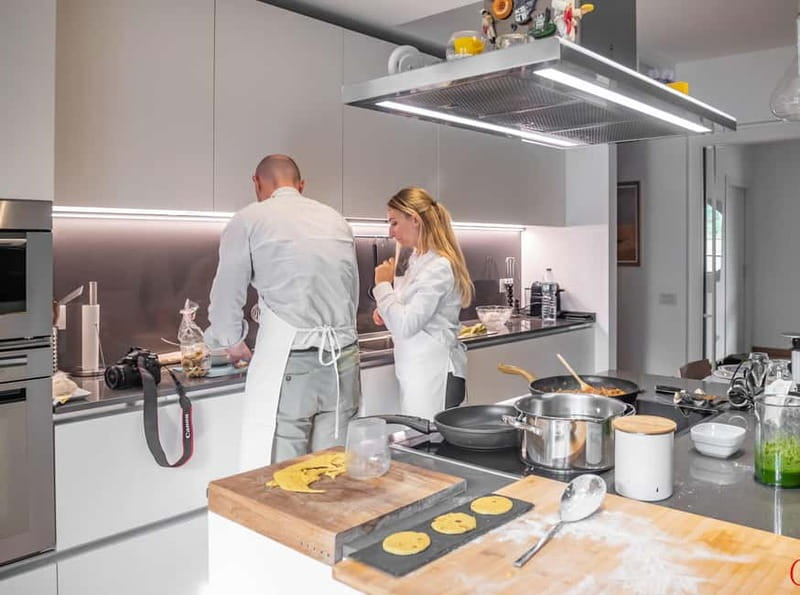
The structure is clean and satisfying: starter, multiple fresh pasta shapes with sauce options, then dessert. You also eat what you cook after the cooking part is done.
Starter: Tomato/Sausage Tuscan Bruschetta
The first course gives you a flavor anchor—tomato and sausage with a Tuscan-style bruschetta approach. Even if you’ve made bread toppings before, you’ll learn how these components come together in an Italian context, where the balance matters more than fancy technique.
Why this starter works in a class setting: it’s hands-on without being too complicated, and it makes the kitchen feel real right away. You get immediate feedback on taste and seasoning, then you move forward with momentum.

Fresh Pasta Shapes: Several Types, Same Core Skills
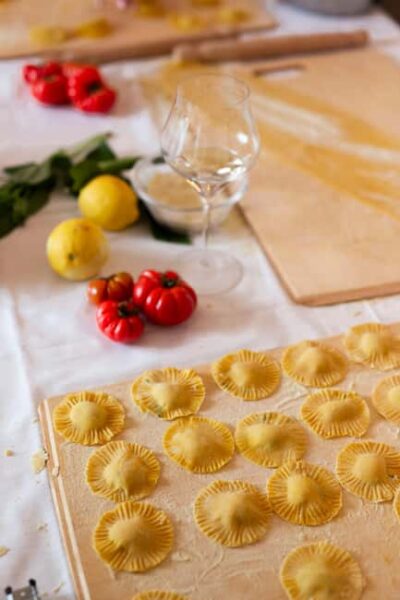
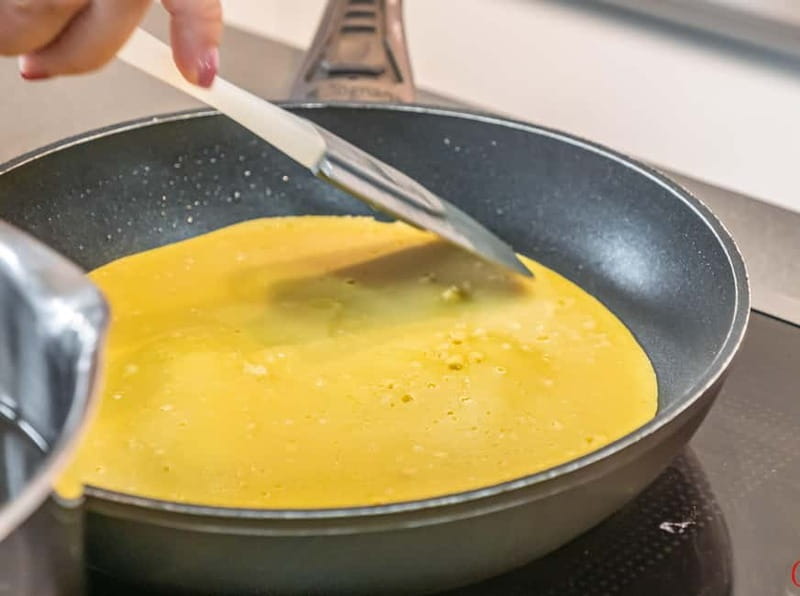
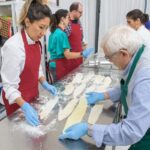
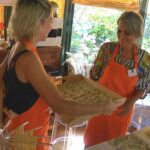
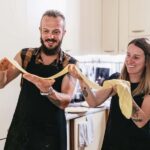
Next comes the main event: fresh pasta. The class teaches you to make many shapes, including tagliatelle, fettuccine, pappardelle, and tagliolini. That’s a big deal for value because you’re not learning one “demo” shape—you’re learning a family of techniques.
Even more helpful: learning multiple shapes makes you understand the dough workflow better. Cutting thickness, rolling consistency, and how you handle the dough are all linked. When you see how the process changes slightly for different noodle styles, it sticks.
Sauces: Pomodoro, Amatriciana, Cacio e Pepe, and Carbonara
Then you build your plate with sauce choices. The menu includes:
- Pomodoro
- Amatriciana
- Cacio & Pepe
- Carbonara
What you’re really learning here isn’t just which sauce is which. You’re learning how Italians think about pairings:
- Tomato-forward sauces call for freshness and balance.
- Cheese-and-pepper styles lean into texture and timing.
- Carbonara pushes you toward richer comfort flavors where technique matters.
If you like food that feels comforting but still precise, this sauce lineup is a strong match.
Dessert: Classic Tiramisù (or Chocolate Variation)
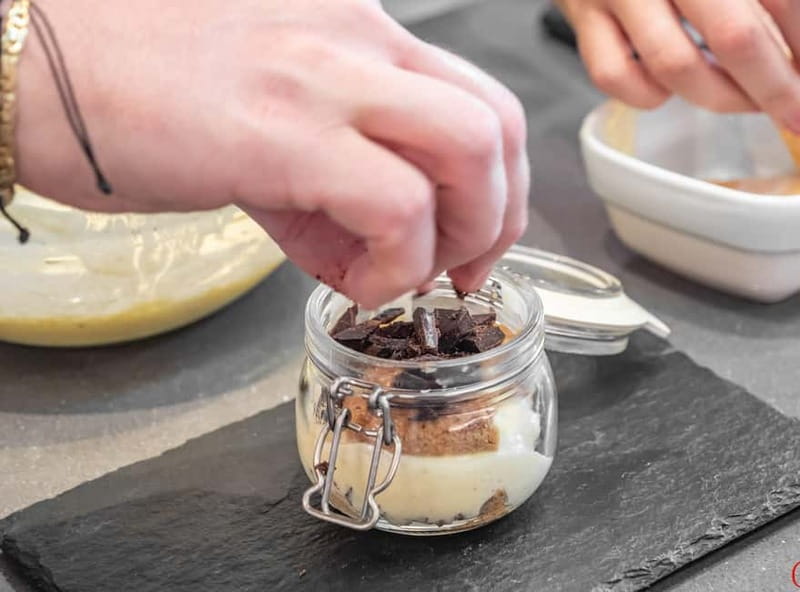
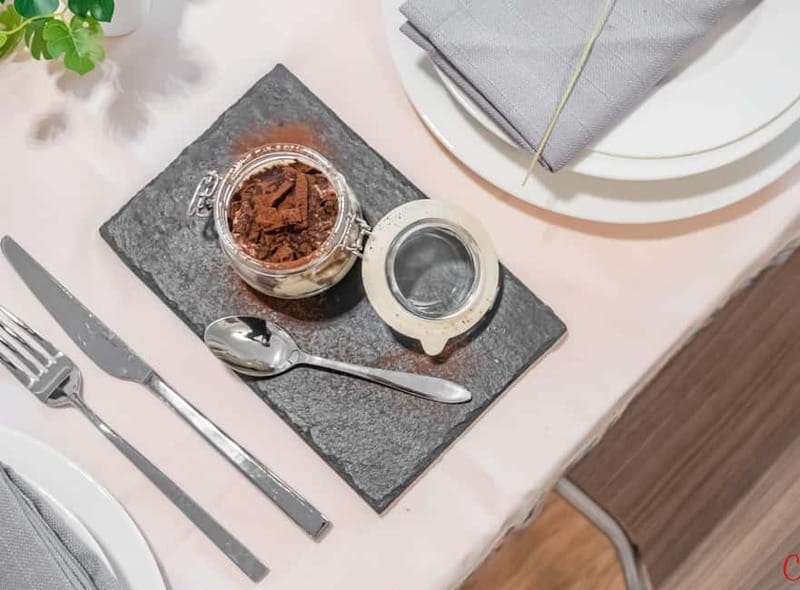
For dessert you make classic tiramisù—with the option of a chocolate version. This is the kind of dessert that can be hard to get right from recipes alone, because timing and texture matter.
In a cooking class format, you get a huge advantage: you can see how it should look as it comes together. Then, after cooking, you sit down and enjoy it as part of the meal—so you taste your work immediately rather than waiting until tomorrow.
Wine Pairing That Feels Like Part of the Meal
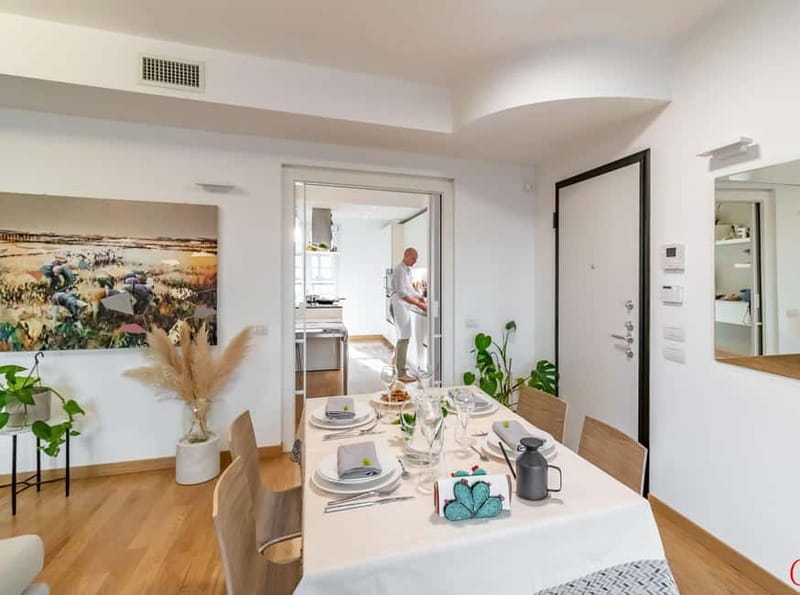
The wine portion isn’t an afterthought. It’s woven into the experience with help from Niccolò and a Certified Sommelier.
You’ll taste a variety of wines and get pairing guidance tied to what you’re making and eating. The experience is also clearly designed for people who want to understand, not just sip. The host can explain wine in practical terms—especially helpful if you care about why one bottle works better than another with a specific sauce.
And yes, there are more drinks beyond the wine tasting:
- Dessert wine is included at the end
- Limoncello is also included
If you like closing a meal with something bright and sweet, the limoncello finish makes a lot of sense. It’s a classic Italian end note that helps the night feel complete.
What “Hands-On” Means Here (and Why It Matters)
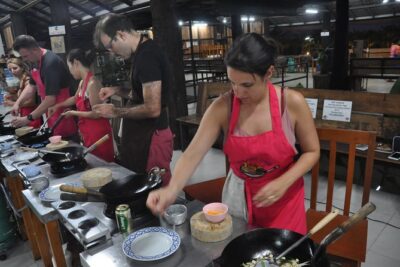
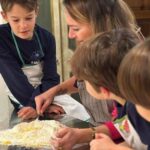
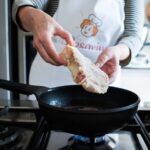
This is not a walk-in, watch-a-chef, leave-with-some-notes situation. The value is that you actually do the work: preparing the starter, making fresh pasta shapes, working on sauces, and crafting dessert.
That hands-on structure matters because it changes what you take home:
- You’ll remember steps better than ingredients.
- You’ll learn which parts are forgiving and which parts are picky.
- You can reproduce the results at home without guessing.
Also, the class provides the useful tools you’ll need. So you won’t show up worrying about equipment. Still, do wear comfortable shoes—this is kitchen work time, not museum-time walking.
One small consideration: you’ll be on your feet and working with food prep. If you’re traveling with mobility limits, the activity is listed as wheelchair accessible, but it’s still a kitchen environment, so it’s smart to gauge your own comfort with a hands-on setting.
Dinner Time: Sit Down and Eat What You Made
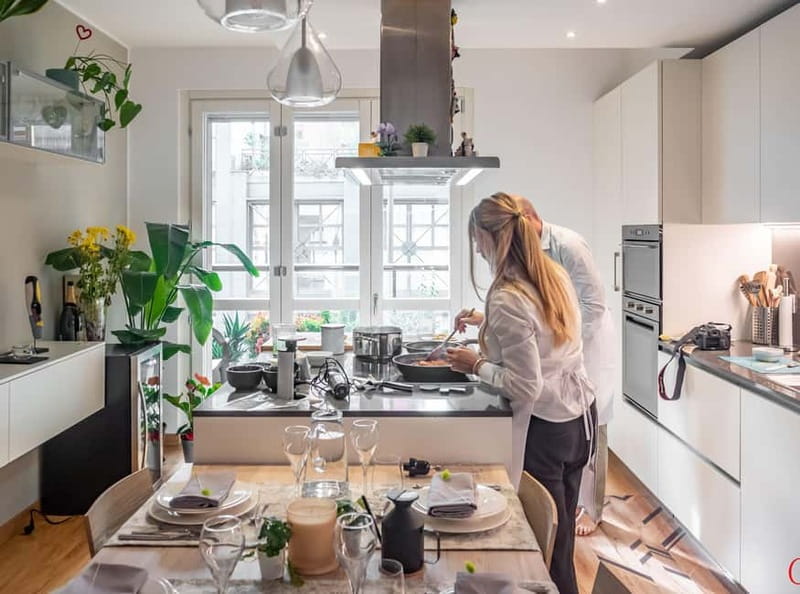
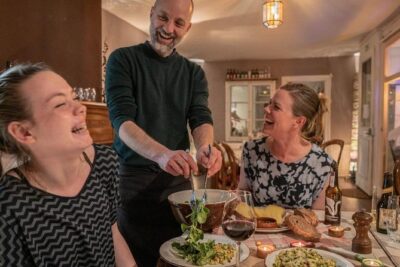
After cooking, you relax and enjoy everything together. That “eat right away” part is more important than it sounds. It lets you taste the dishes while they’re still at their best and while the instructions are fresh in your mind.
It also makes the experience feel like a true dinner, not a classroom. The meal includes the recipes prepared live during the class, which keeps it cohesive: you start with aperitivo, move through courses you made, then finish with dessert wine and limoncello.
Leave With a Recipe Book (So This Isn’t One-Night-Only)
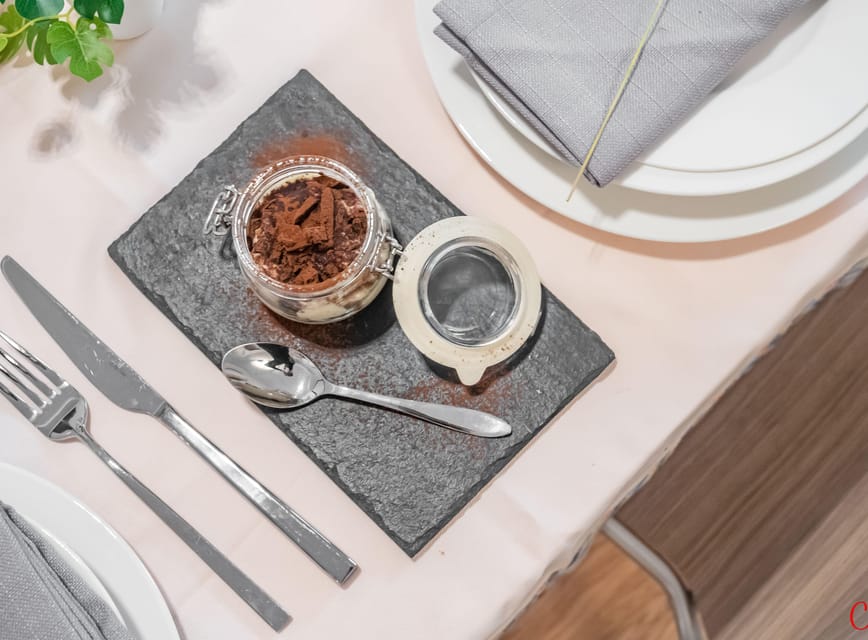
At the end, you take home a recipe book. That’s a big practical advantage. Cooking classes can turn into one great night and then… nothing. The recipe book helps you recreate the dishes at home without relying on memory alone.
In real terms, it’s what turns your experience into a future dinner plan. You’ll be able to make the same pasta shapes and revisit the sauce lineup, including tiramisù.
Price and Value: What You’re Really Paying For
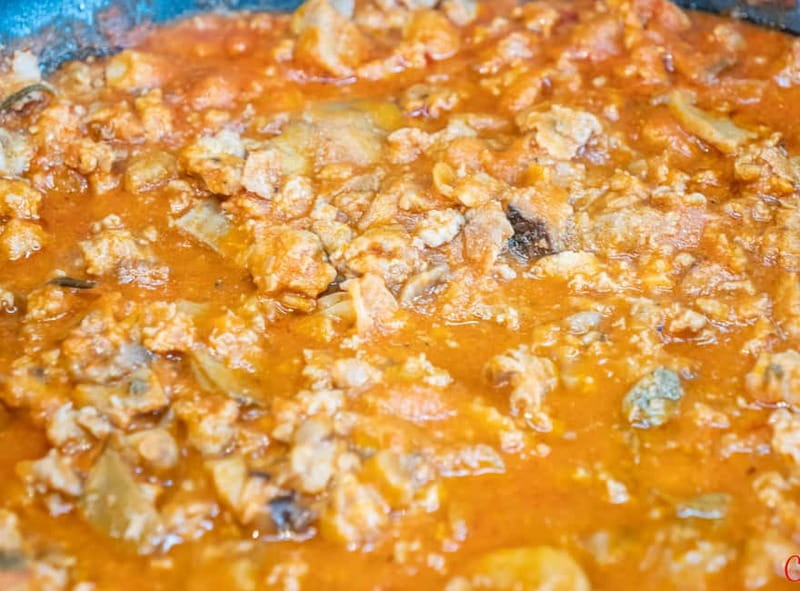
At $123.48 per person, the price lands in the mid-range for small-group food experiences in Milan. You’re paying for:
- A professional chef-led hands-on class (not just a tasting)
- A structured menu: starter, fresh pasta shapes, sauces, and tiramisù
- Wine tasting and pairing with Niccolò and a Certified Sommelier
- Alcoholic drinks included (plus dessert wine and limoncello)
- A recipe book to take home
- A meal at the end where you enjoy what you made
So the value isn’t just food. It’s instruction, time, ingredients, and the guided pairing component. If you want to learn cooking skills and drink like a reasonable adult while doing it, this is a strong deal compared to experiences where you mostly stand around.
Who This Class Is Best For
This is a great match if you:
- Want a real cooking experience in Milan that goes beyond tasting
- Like Italian food and want to learn multiple pasta shapes
- Enjoy wine and want pairing guidance, not just a sip-and-go tasting
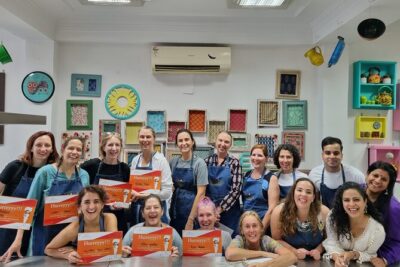
- Prefer small-group settings where you can actually interact
It might be less ideal if you:
- Don’t want to cook at all (this is hands-on by design)
- Need a very quiet, low-effort evening
- Are traveling with limited tolerance for standing and prep work
Should You Book This Milan Pasta and Wine Class?
I’d book it if you want an evening that feels like Italian home cooking with real technique—and you want the wine pairing to make sense with the food. The biggest strengths are the hands-on pasta instruction, the clear menu you can repeat, and the finishing combo of dessert wine plus limoncello.
If you’re on the fence, here’s the decision test: do you want to leave knowing how to make fresh pasta and tiramisù, or do you just want a taste and a story? If it’s the first one, this class is a very solid choice.
FAQ
FAQ
How long is the Milan pasta and dessert cooking class?
It lasts 3.5 hours.
What’s included in the price?
You get the welcome aperitif (Prosecco, fresh salami, and cheese), the exclusive cooking experience (starter, fresh pasta shapes and sauces, and dessert), dinner to enjoy what you prepared, and wine tasting with pairing plus dessert wine and limoncello. Bottled water, coffee and/or tea, snacks, soda/pop, and all fees and taxes are included.
Do you make fresh pasta and dessert during the class?
Yes. You learn to prepare multiple fresh pasta shapes and you make tiramisù (classic, with the option of chocolate).
Are wines part of the experience?
Yes. You’ll taste a variety of wines with Niccolò and a Certified Sommelier, and you also get dessert wine at the end.
Is there an age requirement for alcohol?
Yes. The minimum age for alcoholic drinks is 18.
What should I bring?
Wear comfortable shoes.
Where do I meet the instructor?
Meet at the intercom/entrance for apartment G1 in the condominium meeting point. Use the downward arrow on the display to find G1, ring the bell, turn right inside toward the staircase, find the second door and intercom, ring G1 again, and look for the first-floor left apartment.