REVIEW · VERSILIA
Small Group Market tour and Cooking class in Viareggio
Book on Viator →Operated by Cesarine: Cooking Class · Bookable on Viator
Five hours, one seriously good Italian meal.
This Viareggio market tour and cooking class is a smart way to learn how local people shop and cook, not just what to eat. I like the hands-on rolling-pin pasta focus, and I also like that the host talks you through seasonal produce with real-world market know-how. The main drawback to consider: it’s centered on pasta and tiramisu at the end, so if you’re hoping for big sightseeing stops or a long, formal tour of landmarks, this won’t be that kind of outing.
In practice, you’re trading a chunk of your afternoon for a meal you make yourself, with a bite of Tiramisù at the finish line and beverages included. The group stays small (up to 12), which usually means more direct help when your dough turns into, well, dough instead of the perfect sheet you pictured.
In This Review
- Key highlights you’ll feel right away
- Why Viareggio’s market + home kitchen pairing is worth your time
- Price and time: what $155.65 buys you in real terms
- Finding the start point in Viareggio (and getting there without stress)
- The market walk: seasonal produce, shop culture, and what to look for
- What to expect at the market
- A small caution
- Back at the kitchen: rolling-pin pasta that teaches you more than recipes
- Why handmade pasta is the real takeaway
- Making tiramisu: the sweet finish (and the part you’ll actually remember)
- What to pay attention to while cooking
- Beverages included: a small detail that makes the meal feel finished
- Small group size: why max 12 people actually matters
- Who should book this Viareggio cooking class?
- My decision guide: should you book it?
- FAQ
- Where does the experience start?
- What’s the duration of the cooking class and market tour?
- How much does it cost?
- Is this a small-group experience?
- What will I learn and cook during the class?
- Do I get to taste the food I make?
- Are beverages included?
- Do I receive a mobile ticket?
- Is it near public transportation?
- Can I cancel for a full refund?
Key highlights you’ll feel right away
- Small group size (max 12): more chances to ask questions while you cook
- Market learning from a local cook: help spotting seasonal produce and how to pick it
- Hands-on pasta making: rolling the dough the old-fashioned way
- Pasta plus tiramisu meal: you taste what you help prepare
- Beverages included: less scrambling for a drink while you’re working
Why Viareggio’s market + home kitchen pairing is worth your time
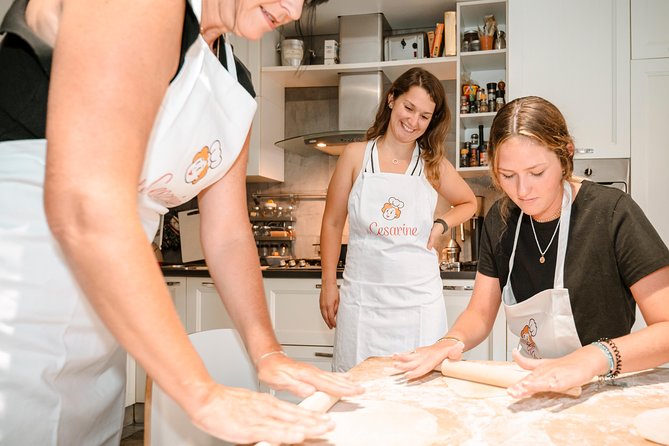
Viareggio isn’t just about wandering seaside streets and grabbing gelato. This experience gives you a different angle: you see what people actually buy, then you use those ingredients in a real cooking class at a home kitchen pace.
That structure matters. Markets teach you what’s in season and how locals think about choosing produce. The kitchen part turns that knowledge into something you can taste and remember. You walk away with both a skill (how pasta dough behaves when you roll it yourself) and a story (what you learned while shopping).
And yes, you do end up eating. Pasta first, then tiramisu, plus beverages. It’s one of those rare tours where the best part isn’t reserved for the last five minutes.
Price and time: what $155.65 buys you in real terms
The cost is $155.65 per person for about 5 hours. On paper, that can look steep if you’re comparing it to a casual lunch. But the value here isn’t only the food—it’s the combination of a guided market stop, ingredients and instruction, and the fact that you’re making two classic dishes.
You’re also paying for a small-group format. With a maximum of 12 people, you’re less likely to be stuck watching from the sidelines. If you enjoy learning by doing—rolling dough, handling tools, and asking why something works—that’s where this price starts to feel reasonable fast.
The time commitment is also clear. Five hours means you won’t be dragging your day into the evening, yet you still get a full arc: shop, cook, taste. If you only have a short window in Versilia, it fits well.
Finding the start point in Viareggio (and getting there without stress)
The activity starts in 55049 Viareggio, Province of Lucca, Italy, and it ends back at the meeting point. That matters because it keeps the logistics simple: you’re not piecing together rides across town after you’ve cooked and eaten.
It’s also listed as being near public transportation, which is a big plus in a coastal town where parking can be tight. If you’re using buses or trains for getting around, you’ll likely find this easier than meeting points tucked far from transit.
One more practical note: the experience uses a mobile ticket, so you can keep it on your phone and avoid last-minute paperwork.
The market walk: seasonal produce, shop culture, and what to look for
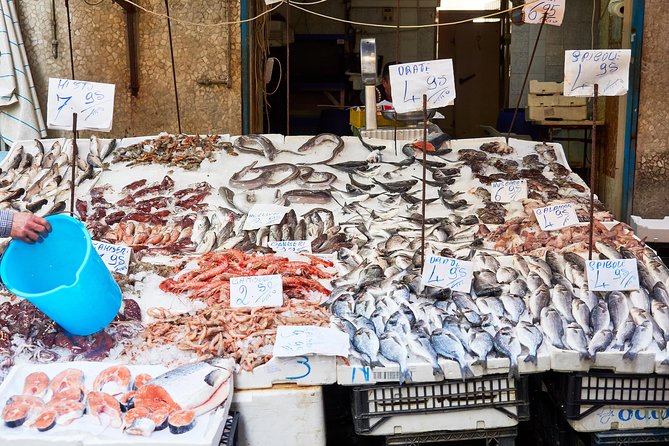
The market segment is where you learn the “why” behind Italian ingredients. Your host guides you through what’s seasonal and how to think about produce quality. You’re not just collecting items—you’re learning how a local cook reads the market.
The best part of market time is the conversation. You get to ask questions while you’re standing right in front of the food. That’s how you’ll understand things like which ingredients matter most for a pasta dish, and how choices at the stall can shape flavor later.
In one example, Paola and Massimo guided a group through local shops that included the oldest bakery in town and a delicious delicatessen shop. Even if your route differs, I love that the experience leans toward established, everyday spots—not just a trendy stop for photos. That’s where the real food culture lives.
What to expect at the market
- A walk with your local host explaining local ingredients and seasonal picks
- Time to look closely at produce and ask questions
- A transition from shopping mode to cooking mode
A small caution
Markets can mean standing and walking on uneven ground. If you’re sensitive to crowds or fatigue, build in comfortable shoes and a bit of patience. Since this is only about five hours total, the pacing is usually manageable—but it’s still a market, not a seated lecture.
Back at the kitchen: rolling-pin pasta that teaches you more than recipes
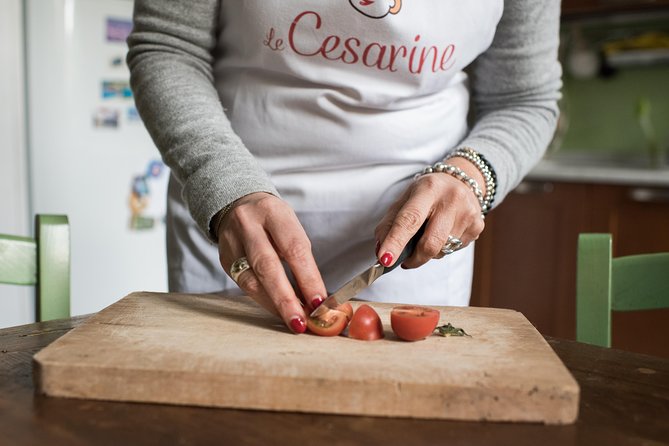
The cooking class happens in a home kitchen. That setup changes the feel in a good way. You’re not in a huge classroom with rows of people and a single demonstration. It’s hands-on, closer to how someone would cook at home with a group of friendly food lovers.
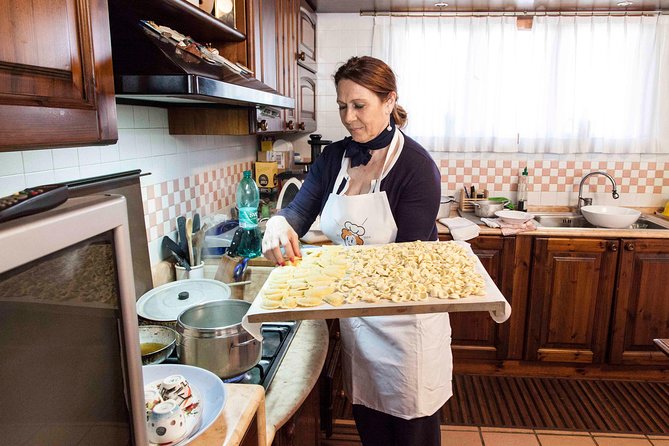
A standout from the most praised moments: pasta is made the old-fashioned way with rolling pins. That’s a small detail, but it’s a big deal. When you roll the dough yourself, you quickly learn texture and thickness, and you stop treating pasta as a product that appears magically in a package.
In practical terms, you’ll be preparing a pasta dish with your host. The exact technique details aren’t spelled out in the information you have, so I’d focus on this instead: expect to work with dough, follow instructions step-by-step, and get comfortable doing the process rather than just watching it.
Why handmade pasta is the real takeaway
Even if you don’t plan to recreate it every week at home, the lesson sticks. You’ll understand what changes when the dough is too thick, what good dough feels like, and why timing matters. That’s the kind of learning that makes future Italian meals more enjoyable.
Also, working with your hands keeps the whole experience grounded. You’re busy, you’re learning, and you’re not spending the whole time “waiting for the tour part to end.”
Making tiramisu: the sweet finish (and the part you’ll actually remember)
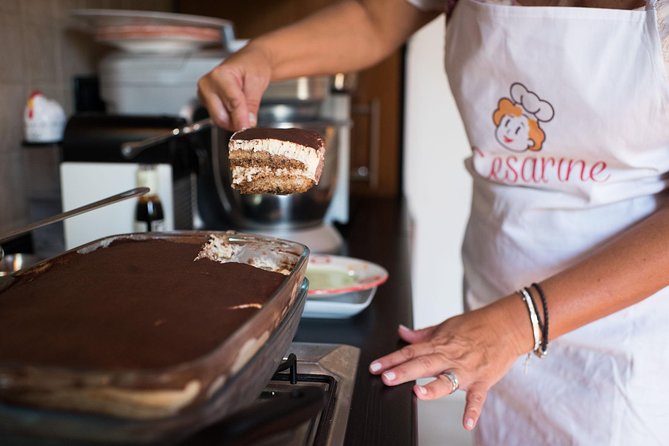
After pasta, you shift to tiramisu. This is where the experience earns its reputation as an easy, satisfying afternoon: you’re not only cooking, you’re tasting what you made.
Tiramisu is one of those desserts where technique matters, but you don’t need to be a pastry chef to have fun with it. The information you have confirms that you’ll prepare and taste tiramisu as part of the class, and that beverages are provided with your meal.
What to pay attention to while cooking
Since specific ingredient steps aren’t provided, the best advice is to treat this like a guided practice session:
- Follow the host’s instructions closely
- Ask questions if you’re unsure about consistency or timing
- Don’t rush the parts that depend on texture
And then, when it’s time to eat, slow down. You’ll taste the result of your own effort, which is the point. Tiramisu is usually forgiving on flavor even when the presentation isn’t perfect, but your attention to the host’s directions will help your dessert come out more like the real thing.
Beverages included: a small detail that makes the meal feel finished
The class includes beverages with the meal. For a cooking experience, that’s not a minor add-on. It means you stay in the “we’re eating together” mindset instead of pausing to hunt down a drink or pay extra during the most relaxed part of the evening.
If you plan to drink alcohol, keep it moderate. A cooking class is active and you’ll likely be on your feet earlier.
Small group size: why max 12 people actually matters
This tour caps at 12 travelers. That’s a meaningful limit for a cooking class because it affects how much attention you can get while you’re working with ingredients and tools.
In a larger setting, you might spend most of the time waiting your turn. Here, you’re more likely to get hands-on help when you need it—especially for tasks like rolling dough or assembling dessert. It also makes the experience more social in a natural way without becoming chaotic.
If you’re traveling solo or with a friend and you still want interaction, this group size hits a sweet spot. You can talk without feeling lost.
Who should book this Viareggio cooking class?
This is a great fit if you:
- Want a hands-on Italian cooking experience that includes both pasta and tiramisu
- Like learning from a local cook during a market visit
- Prefer a small-group format for more direct instruction
- Are okay with a home-kitchen style outing rather than big sightseeing
It may be less ideal if you:
- Want a sightseeing-heavy itinerary
- Don’t enjoy cooking or standing/walking around a market
- Are only looking for a quick bite without the learning component
Also, a quick reality check: the overall rating is 3.7 based on 3 reviews. That’s not enough information for guaranteed perfection. When ratings are based on a small number of reviews, experiences can vary. I’d use that as a reason to focus on what you personally want—hands-on pasta and tiramisu with market learning—and book if that matches your priorities.
My decision guide: should you book it?
I’d book this if you want a practical taste of Viareggio food culture that goes beyond ordering dishes. The combination of market education, rolling-pin pasta, and a real sit-down meal (pasta plus tiramisu with beverages) makes the price feel more like an education than a restaurant bill.
You should think twice if you’re expecting lots of landmark time. This is designed around food and process, not big scenic stops. If that aligns with your goals, you’re likely to have a memorable afternoon and bring home skills you can actually use.
FAQ
Where does the experience start?
It starts at 55049 Viareggio, Province of Lucca, Italy.
What’s the duration of the cooking class and market tour?
It lasts about 5 hours.
How much does it cost?
The price is $155.65 per person.
Is this a small-group experience?
Yes. It has a maximum of 12 travelers.
What will I learn and cook during the class?
You’ll prepare a pasta dish and tiramisu with your host.
Do I get to taste the food I make?
Yes. You’ll taste the pasta and tiramisu you prepare.
Are beverages included?
Yes. Beverages are provided with the meal.
Do I receive a mobile ticket?
Yes. The experience offers a mobile ticket.
Is it near public transportation?
Yes, it’s listed as being near public transportation.
Can I cancel for a full refund?
Yes. You can cancel for a full refund up to 24 hours in advance of the experience start time.