REVIEW · LIMA
Lima: Market Tour, 35 Fruits Tasting & Cooking Class
Book on GetYourGuide →Operated by SkyKitchen Peruvian Cooking Classes · Bookable on GetYourGuide
Fruit first, then you cook your lunch. This Lima experience is built around Surquillo Market and a 35+ fruit tasting, so you learn the ingredients before you ever turn on the stove. I like the way the guide connects what you see at market to what you cook later, and I also like the hands-on, eat-when-it’s-finished rhythm that keeps the day moving. One thing to consider: it’s a long stretch (330 minutes) with time standing and walking, so comfortable shoes matter.
You’ll start with a guided market wander at Mercado 1 de Surquillo, then head to the kitchen where fruit samples wait and cooking starts right after the intro. The class is small-group focused, and you get to sit down with your fellow cooks as each course is ready, which makes the meal feel social instead of rushed. If you’re very sensitive to alcohol flavors, note that a pisco sour is included.
In This Review
- What Makes This Market-to-Kitchen Experience Worth Your Time
- Mercado 1 de Surquillo: your first lesson in Peruvian ingredients
- The market walk: more than fruits, it’s the ingredient map
- 35+ fruit tasting: a crash course in Peruvian flavor balance
- From market to kitchen: pisco sour and a quick cuisine intro
- The 4-course Peruvian meal: hands-on cooking with an eat-when-ready flow
- What you’re actually eating: the value of cooking a full lunch
- Small-group pacing: why this feels personal instead of chaotic
- Transportation and time: fitting 330 minutes into a Lima day
- Price and value: why $120 can make sense here
- Who should book this Lima market tour and cooking class
- Should you book? A quick decision checklist
- FAQ
- What is the duration of the Lima Market Tour, 35 Fruits Tasting & Cooking Class?
- Where is the meeting point?
- How long is the market tour?
- What’s included in the price?
- Is transportation included?
- Is the pisco sour included?
- Are water and drinks included?
- Can the tour accommodate dietary restrictions?
- What language is the instructor available in?
- What’s not included?
What Makes This Market-to-Kitchen Experience Worth Your Time
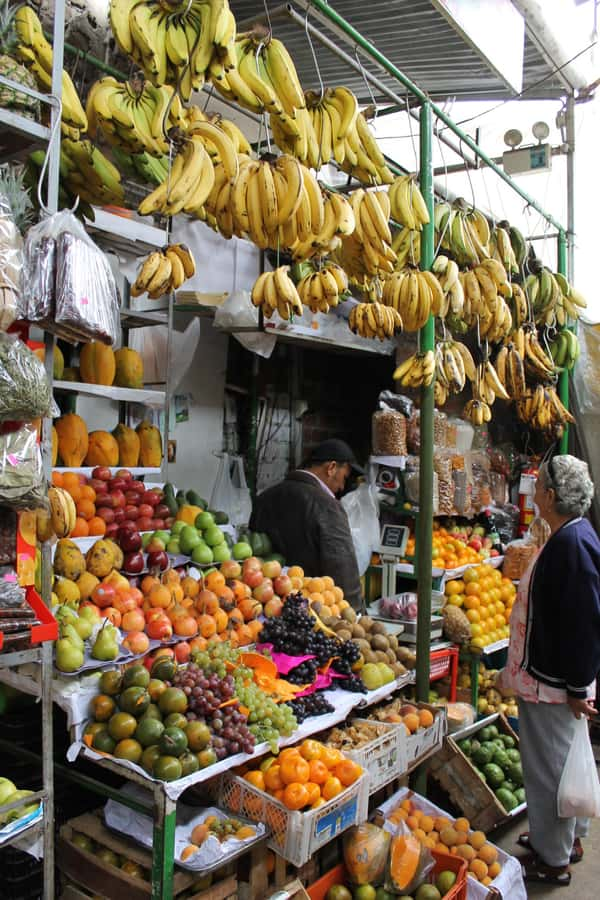
- Surquillo Market Nro 1: a guided walk where you learn what Peru actually cooks with
- 35+ fruit samples: tasting that teaches flavor, not just a photo op
- A real 4-course lunch you make: you chop, mix, cook, and eat each dish as it’s done
- Pisco sour included: a Peruvian-cuisine intro you can sip while you learn
- Unlimited water plus homemade fruit drink: practical hydration for a long day
Mercado 1 de Surquillo: your first lesson in Peruvian ingredients
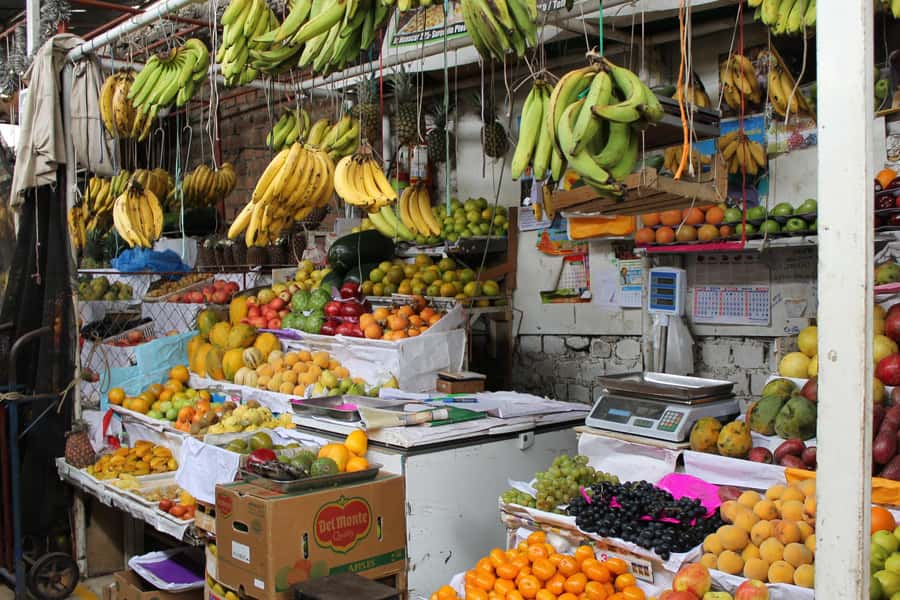
The day starts at the main entrance of Mercado 1 de Surquillo, right below the big sign that says Mercado 1. It’s easy to find if you use a ride-share and type Mercado 1 de Surquillo. If you’re taking a taxi, use Estación Ricardo Palma as your reference point; you’ll spot the market from there.
This market sits on block 53 of Paseo de la República, right by Estación Ricardo Palma. If you’re staying near Miraflores, it’s roughly a 10-minute walk from Ovalo de Miraflores, and about a 7-minute taxi ride from Estación Ricardo Palma. Also, don’t mix it up with Surquillo markets 2 through 7. This class goes to number 1.
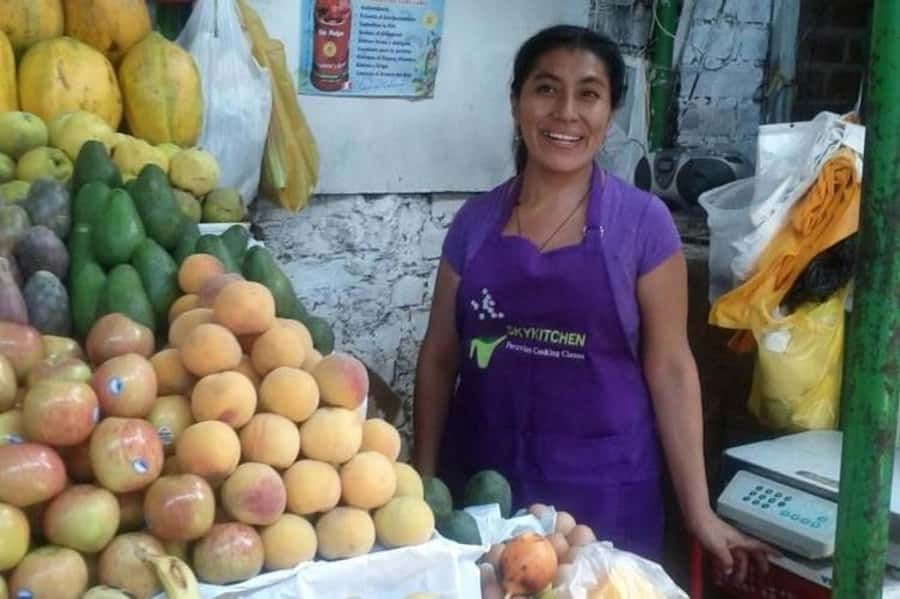
Once you meet the guide and your small group, you get about 50 minutes at the market. The goal isn’t just to look. It’s to learn how people choose produce, what matters when ingredients are fresh, and what shows up in everyday Peruvian cooking.
You can also read our reviews of more tours and experiences in Lima.
The market walk: more than fruits, it’s the ingredient map
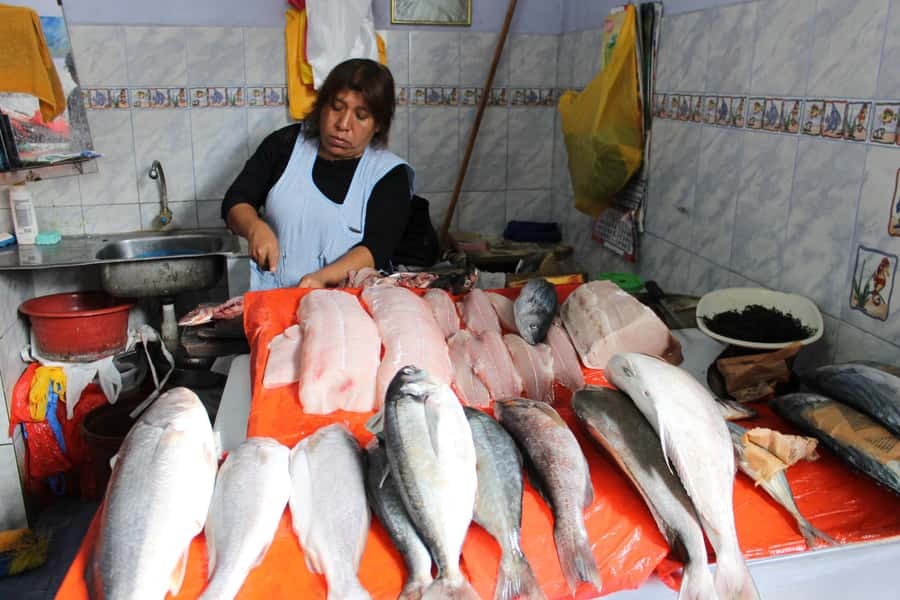
Market time is where the class becomes more useful at home. You’ll get explanations of lots of ingredients you might not recognize, not only the usual fruits and vegetables. Expect categories like legumes, herbs, meats, fish, seafood, and quinoa varieties. You’ll also hear about little-known plants, roots, and seeds from the Andes.
That matters because Peruvian food uses flavor built on real ingredients, not just sauces. When you understand what’s available and why vendors pick certain items, you start thinking differently about dinner back home. You also learn how many of these ingredients are tied to specific textures—thickening, crunch, freshness, and that earthy depth some dishes have.
Practically, you’ll be moving through stalls with your guide pointing out what to notice. Plan on asking questions. If there’s something you want to cook later, this is the moment to find out how it’s used.
35+ fruit tasting: a crash course in Peruvian flavor balance
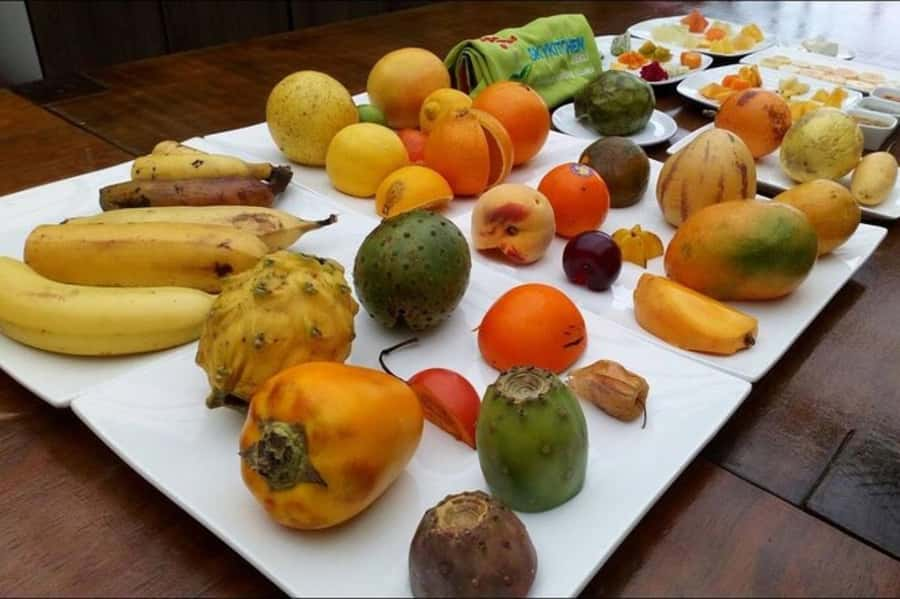
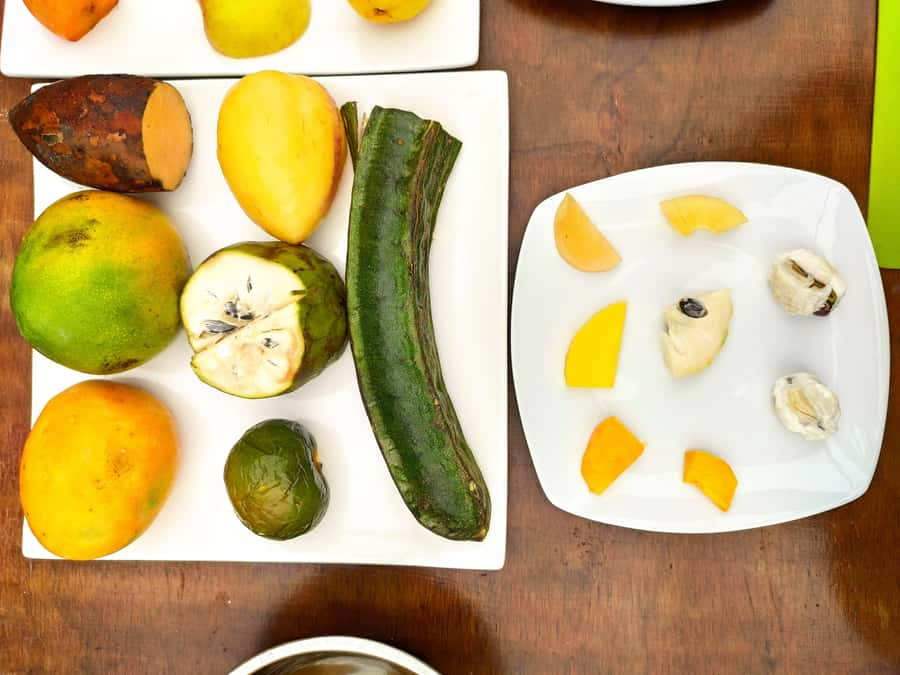
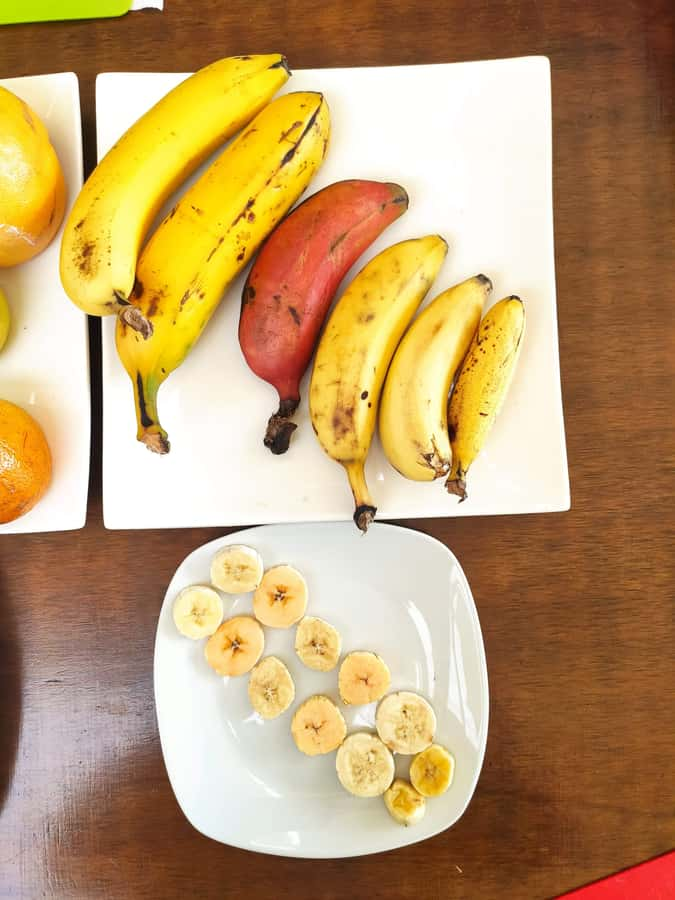
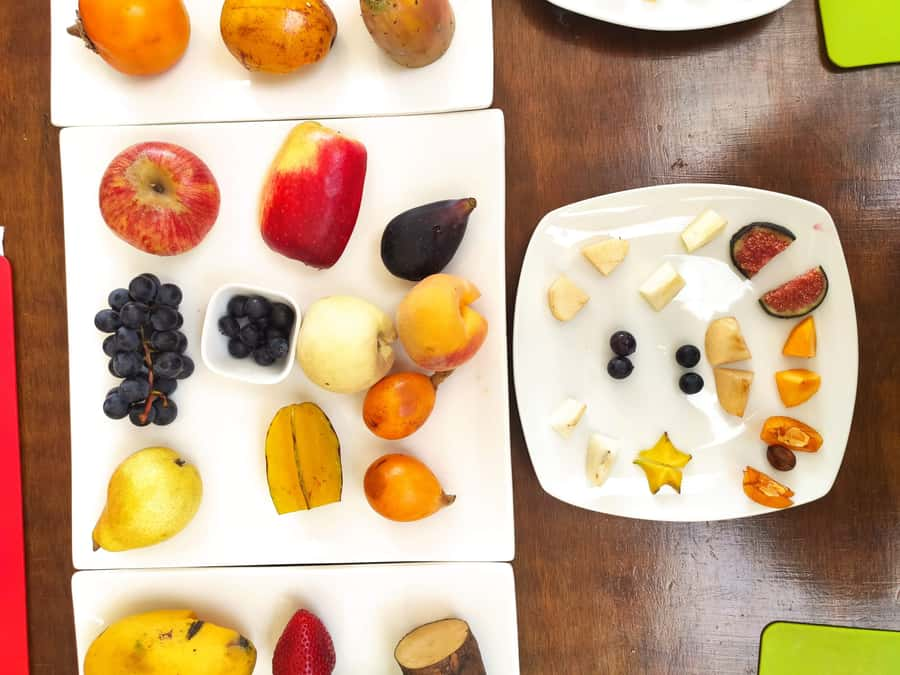
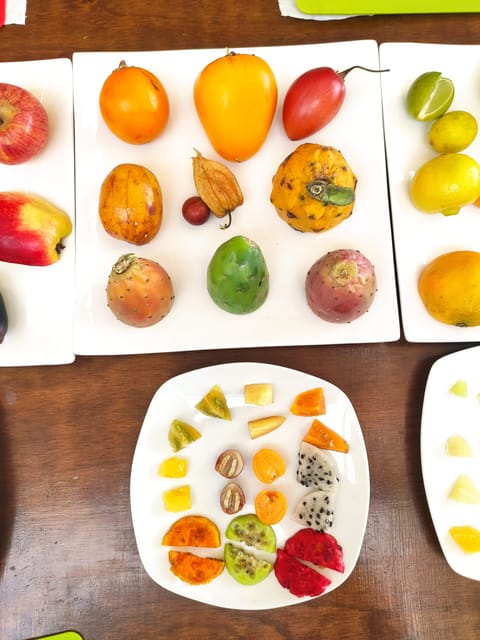
After the market, you don’t go quiet and watch. You taste. A tasting station brings you 35+ different exotic fruit samples. This is the part that feels like play, but it’s also where your cooking brain turns on.
I like that it’s not framed as a lecture. You’re sampling a range of fruits that naturally vary in sweetness, acidity, aroma, and texture. That helps you understand why Peruvian cuisine plays with contrast—bright and mellow, tangy and aromatic—especially when fruit is involved in drinks and plates.
You’ll also be sipping along as you move into the next stage. A homemade fruit drink is served with the food during the class, and unlimited water is included throughout. For a longer session, this is a smart setup because it keeps your energy steady when you’re working with knives later.
If you’re the type who only likes fruit in smoothies, this tasting can be a reality check in the best way: you’ll start noticing flavor even when it’s served in small pieces.
From market to kitchen: pisco sour and a quick cuisine intro
Right after the tasting, you transition to the kitchen. Here’s where the experience turns practical: you’ll learn about Peruvian cuisine while sipping a pisco sour (one is included).
This step is more than a drink moment. It’s your onboard briefing, connecting the flavors you just sampled to the cooking you’re about to do. Pisco sour is a classic anchor in the Peruvian food world, so having it during the intro helps you remember the big picture: sour, spice, fresh herbs, and balanced richness.
In the kitchen, you’ll also meet your instructor. The class is guided by an instructor (languages available are English, Spanish, and German), and your group gets direction for what to do next. If you’re worried about language, English is available, and Spanish and German are options too.
The 4-course Peruvian meal: hands-on cooking with an eat-when-ready flow
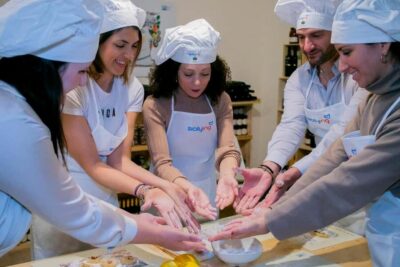
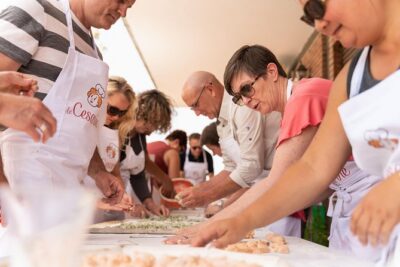
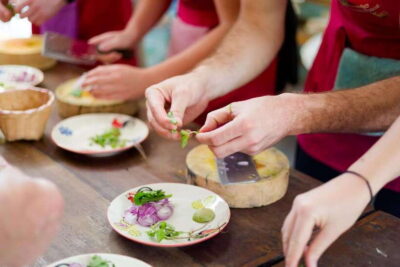
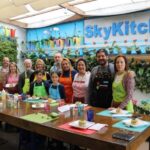
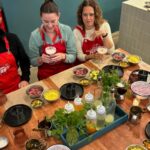
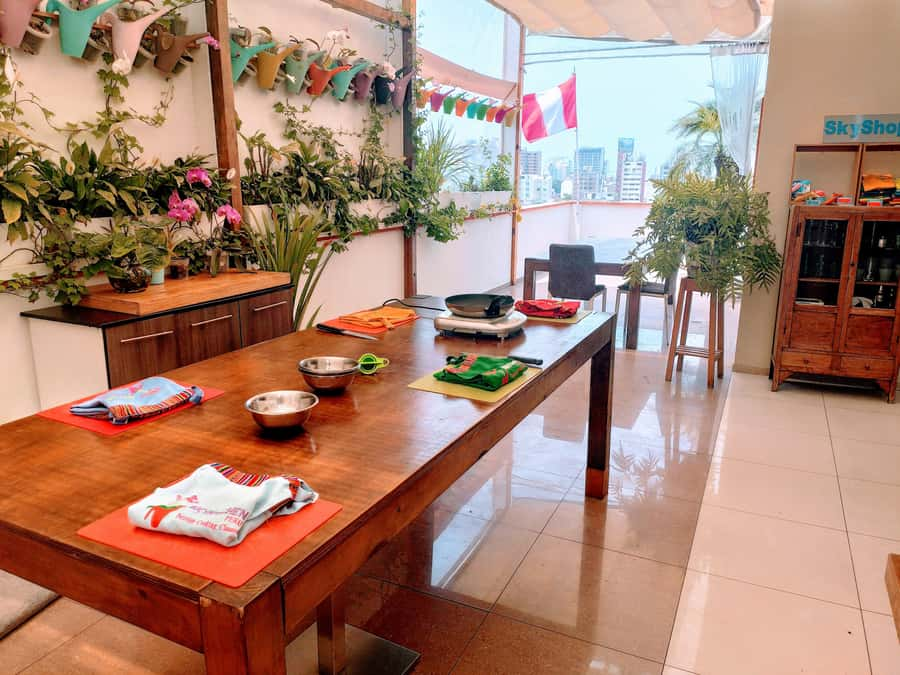
Now for the main event: a cooking class where you prepare a delicious Peruvian 4-course meal. You’ll be chopping, mixing, and cooking for each course, with the instructor watching so you’re not just following vague directions.
One of the best parts of this format is timing. As soon as a dish is finished, you eat it with your fellow participants. Then you chat with the instructor while they set up ingredients for the next course. That reduces the usual “sit and wait” problem in cooking classes where everyone finishes at the same time and you’re stuck hungry and confused. Here, you keep momentum.
You’ll also get aprons and kitchen tools provided during the class. That’s a relief if you’re traveling and don’t want to think about what gear to pack. Tools during the course are included, but they aren’t something you take home. If you want them later, you can purchase aprons and tools separately.
Food restrictions are mentioned as possible accommodations for common needs like vegetarian, vegan, lactose, and gluten—if you contact ahead of time. This is important because a cooking class lives or dies by ingredient swaps. If you have a clear restriction, reach out early so the kitchen can plan.
What you’re actually eating: the value of cooking a full lunch
A lot of food tours show you ingredients and then stop at samples. This one pushes all the way into meal-making: you cook the full 4-course lunch and eat it right away. That’s the big value jump, because you leave with more than taste memory—you gain a repeatable process.
Also, because the courses are served as they’re ready, you get a feel for how Peruvian dishes come together step by step. You’ll see how ingredient prep affects the final texture, how you manage flavors across courses, and how timing works in a real kitchen workflow.
And yes, there’s also a homemade fruit drink served with the food, plus unlimited water throughout the class. That combination helps you pace yourself, especially since you’re sampling fruit first and then cooking with more intensity.
Small-group pacing: why this feels personal instead of chaotic
This is described as a small-group tour, and you feel that in how the day is structured. You’re not squeezed into a large pack moving at one speed. You get time at market for explanations, and you get enough attention in the kitchen to actually learn what you’re doing.
The “chat while the next dish is being set up” rhythm helps too. Instead of just doing tasks and standing in silence, you can ask questions while ingredients are being prepared. If you want to know what you should buy at home stores to recreate the flavors, this is the moment to ask.
For me, that’s the real advantage of small-group cooking: you get feedback while you’re still in the process, not after the fact.
Transportation and time: fitting 330 minutes into a Lima day
The total duration is 330 minutes, which is about 5.5 hours. The schedule flows from market tour to fruit tasting to cooking class lunch, with transportation included from the market to the class.
That timing is long enough that you should plan your day around it. Don’t schedule something tight right before or right after. You’ll eat a full 4-course lunch you cooked, and you’ll likely want a slow wind-down afterward.
Because you start at the market and spend time in the kitchen, you’ll want comfortable shoes and a practical mindset. This isn’t a sit-down tour the whole time. You’ll be moving, tasting, and cooking.
Price and value: why $120 can make sense here
$120 per person sounds steep until you break down what’s included. Here’s what you’re paying for in plain terms: a guided market tour, transportation to the kitchen, 35+ fruit samples, a cooking instructor, all ingredients for a 4-course meal, water plus a homemade fruit drink, and a pisco sour. You also get aprons and kitchen tools for the class.
If you’ve ever tried to recreate a foreign meal at home without knowing ingredient choices, you know how quickly it gets expensive. This price is basically covering the lesson plus the food plus the kitchen time—so you’re not just buying a meal. You’re paying for a guided path from ingredient knowledge to hands-on technique.
Beer and wine aren’t included for purchase, so if you want extra alcohol, you’ll pay separately. The included drinks are meant to keep you refreshed while you cook and taste.
Who should book this Lima market tour and cooking class
This is a great fit if you want a food day that’s active, guided, and practical. You’ll likely enjoy it if you:
- like learning ingredients, not just eating finished dishes
- want a hands-on cooking class where you cook and eat a full lunch
- enjoy fruit and want to understand flavor beyond sweetness
- prefer a small-group setting with time to ask questions
You might think twice if you dislike alcohol flavors, because a pisco sour is included. You should also consider your comfort with standing and walking due to the market portion and kitchen work.
For language comfort, it’s available in English, Spanish, and German, so it works well for mixed groups too.
Should you book? A quick decision checklist
Book it if you want one Lima experience that connects three things: market ingredient education, fruit tasting, and cooking a full meal you can repeat later. The best reason to choose this over a simple dinner is the structure: you eat what you cook, course by course, with guidance along the way.
Skip or choose a different option if you want a short food stop or if you’re looking for a mostly passive tour. This is a working class, not just a tasting.
If you’re the kind of traveler who remembers how food tastes only after understanding what’s inside it, this one is a strong yes.
FAQ
What is the duration of the Lima Market Tour, 35 Fruits Tasting & Cooking Class?
The total duration is 330 minutes.
Where is the meeting point?
Meet at the main entrance of Mercado 1 de Surquillo, below the big sign that says Mercado 1.
How long is the market tour?
The market tour is about 50 minutes.
What’s included in the price?
The price includes a tour guide, market tour, transportation from market to class, 35+ fruit samples, the cooking instructor, all ingredients for the class, a 4-course lunch prepared by you, water and juice, and 1 pisco sour. Aprons and kitchen tools are provided during the cooking.
Is transportation included?
Yes. Transportation from the market to the class is included.
Is the pisco sour included?
Yes, you get 1 pisco sour as part of the experience.
Are water and drinks included?
Yes. There is unlimited water during the class, plus a homemade fruit drink served with the food.
Can the tour accommodate dietary restrictions?
Common food restrictions such as vegetarian, vegan, lactose, and gluten can be accommodated if you contact ahead of time.
What language is the instructor available in?
The instructor offers English, Spanish, and German.
What’s not included?
Beer and wine are not included (for purchase). Aprons and tools to take home are also not included (they are available for purchase).