REVIEW · LIMA
Lima: Market Tour and Cooking Class with Pisco Sour
Book on GetYourGuide →Operated by Exquisito Peru – Food Tours · Bookable on GetYourGuide
Fruit first, then ceviche. That’s Lima in 150 minutes. You get a guided walk through Surquillo Market, followed by a small-group cooking class where you make three Lima classics: ceviche, causa rellena, and a frothy pisco sour.
I really like the four-fruit sampling, because it turns market browsing into a quick lesson on Peruvian ingredients and flavors. And I like that the class is taught in English with steady help from the team—guide Shayla is noted for her clear translation during the cooking and drink-making.
One thing to consider: there’s no hotel pickup, and you’ll be standing and cooking for the full session, so plan for comfortable shoes and energy.
In This Review
- Quick Highlights
- Surquillo Market Fruit Tastings: a food lesson you can taste
- Inside the Cooking Class: ceviche, causa rellena, and pisco sour
- Ceviche practice: citrus, seasoning, and classic crunch
- Causa rellena: layered comfort with potato and avocado
- Pisco sour: the national cocktail, shaken and finished
- What you actually eat: from fruit to dessert
- Why the menu choices make sense for first-timers
- Price and value: $59 for three skills plus a market lesson
- Logistics that actually matter: meeting point, no pickup, and comfort
- Who should book this and who should skip it
- Should you book this Lima market and cooking tour?
- FAQ
- How long is the Lima Market Tour and Cooking Class with Pisco Sour?
- What dishes and drinks will I learn to make?
- Does the tour include fruit tasting?
- Is hotel pickup included?
- Where do I meet the guide?
- What language is the tour guide?
- How big is the group?
- Is this tour suitable for everyone?
- FAQ
- What should I bring?
- Are dietary restrictions accommodated?
Quick Highlights
- Surquillo Market fruit tasting tied to local stories and flavors
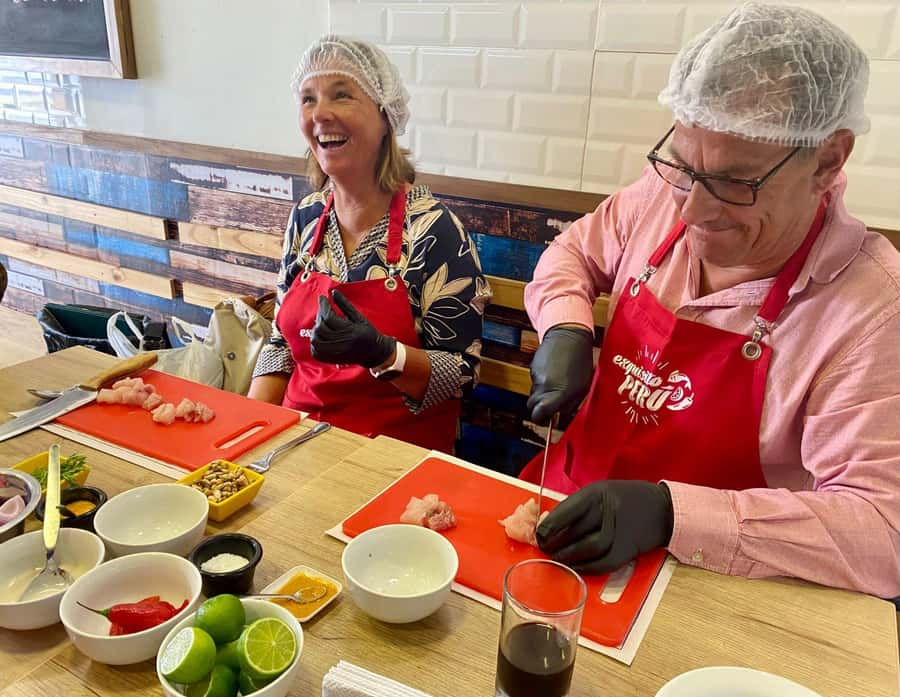
- Hands-on ceviche with citrus-marinated technique and classic garnishes
- Causa rellena work using mashed potato layers and avocado cream
- Pisco sour shaking skills, including lime, pisco, egg white foam, and Angostura bitters
- Small group (up to 10) with an English-speaking guide and chef support
- You eat what you make, plus a traditional Peruvian dessert
Surquillo Market Fruit Tastings: a food lesson you can taste
This tour starts at the Holiday Inn Lima Miraflores area, then heads into Surquillo Market for a guided look at how Peru eats day to day. The market part is not just strolling. You’re there to see ingredients up close, learn why they matter, and taste them in a way that sticks.
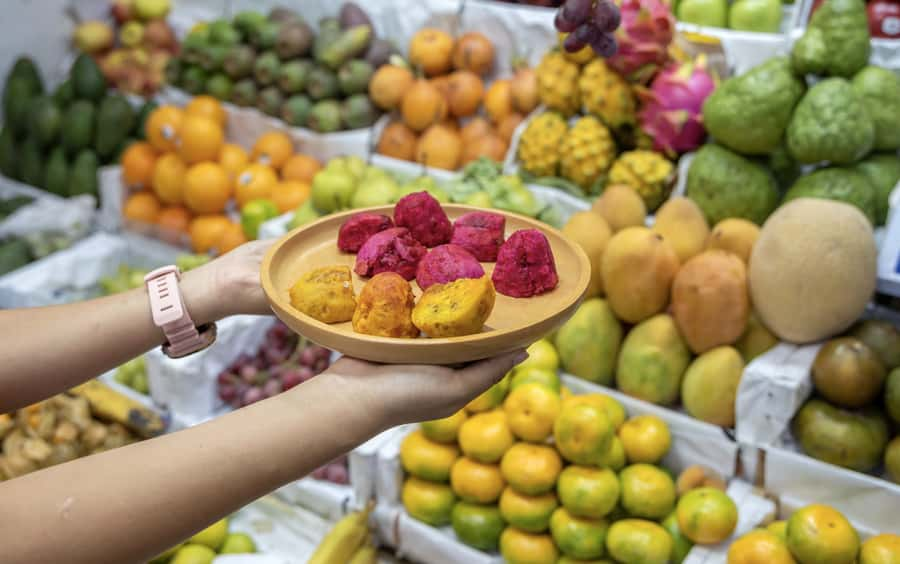
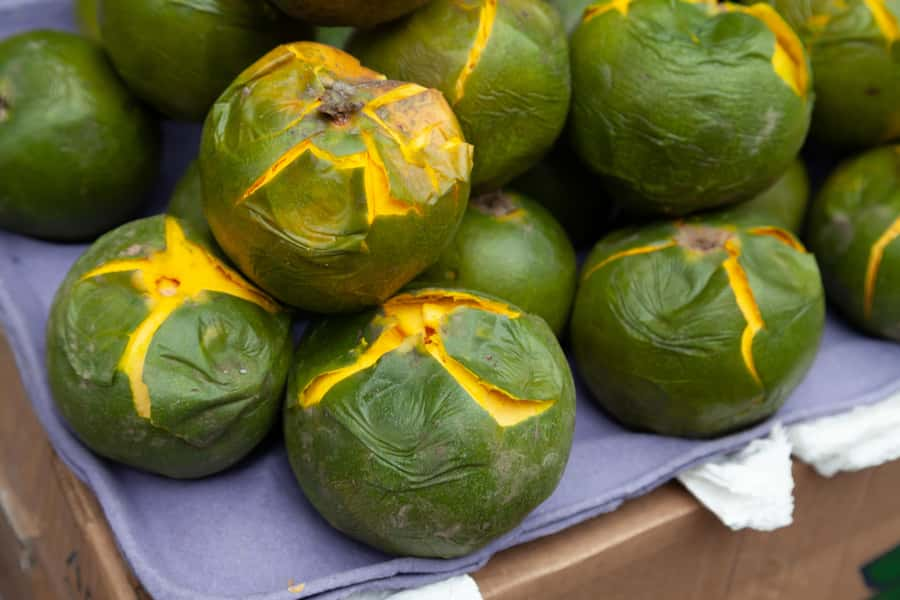
The big early payoff is the fruit tasting. You sample four unique fruits chosen by your guide for their cultural significance and distinct flavors. That’s a smart setup. You don’t just taste fruit. You learn how fruit and produce show up in sauces, marinades, desserts, and drinks across Peru.
As you walk, you’ll also hear stories from market vendors—where they come from, how they ended up selling food, and what people buy most. It’s one of the best ways to understand Peru without making it complicated. You get real voices and real food routines.
And don’t worry if you’re not a produce expert. The guide’s job is to translate the market into “here’s what to notice, here’s what to taste, here’s why it’s on every plate.” You’ll typically also get an orientation to key Peruvian staples along the route—things like corn and potatoes, plus more unusual finds you might not recognize at home.
A small caution: markets can mean uneven floors, lots of people, and fast-moving stops. If your feet aren’t happy, this part will feel longer than 150 minutes on paper. This is why comfortable shoes aren’t optional.
You can also read our reviews of more tours and experiences in Lima.
Inside the Cooking Class: ceviche, causa rellena, and pisco sour
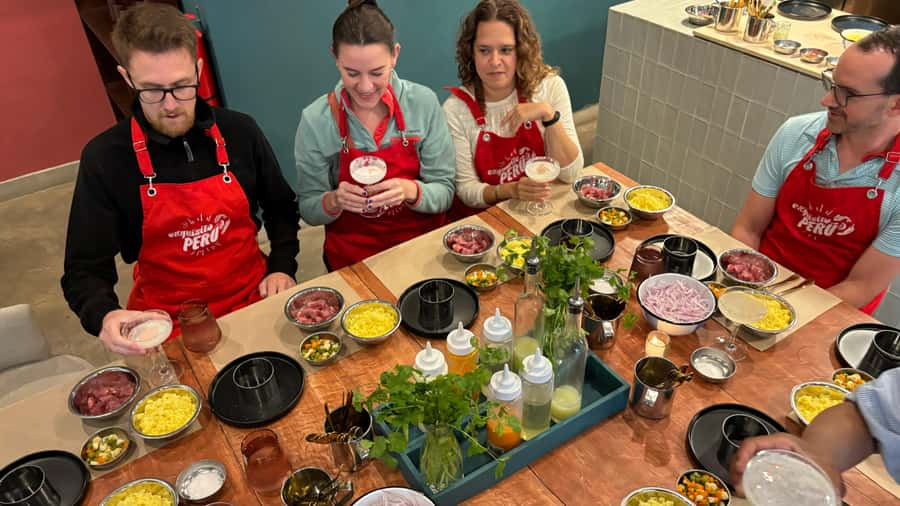
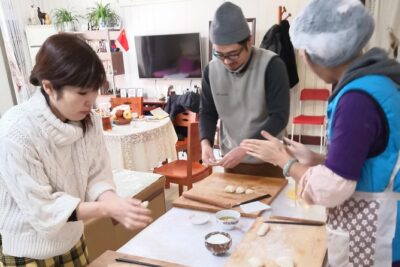
After the market, you move to a restaurant venue for the hands-on cooking class. This is where the experience becomes practical. You’re not watching from the sidelines. You’re learning the steps you’d need to repeat at home, even if your kitchen doesn’t look like theirs.
Ceviche practice: citrus, seasoning, and classic crunch
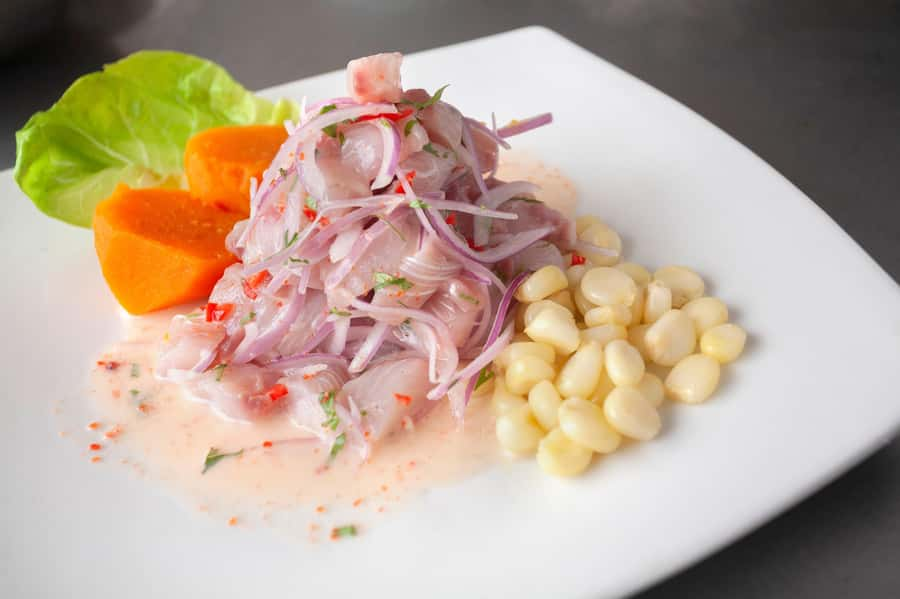
First up is ceviche, Peru’s iconic fresh-fish dish. You’ll learn how the fish is marinated in citrus juices, seasoned with Peruvian spices, and finished with crisp garnishes such as red onions and sweet potatoes.
What makes this lesson valuable is the structure. Ceviche can sound simple until you try it. The guide and chef help you understand timing and balance: enough citrus to “cook” the fish, not so much that it turns rubbery, and enough seasoning so it tastes like Peru, not just lime.
Causa rellena: layered comfort with potato and avocado
Next is causa rellena, a favorite that’s built in layers. You’ll prepare mashed potatoes, add creamy avocado, and then assemble a filling—chicken or seafood, depending on how the class runs.
This dish teaches you something useful about Peruvian cooking. It’s not only about heat. It’s about texture and layering: smooth potato base, creamy avocado, then a savory center. Even if you’re not a confident home cook, this is a forgiving method because the flavors are bold and the form is designed for “assembly.”
Pisco sour: the national cocktail, shaken and finished
Then you shift from food to drink with pisco sour. You’ll learn how to mix the cocktail using pisco brandy, fresh lime, a frothy egg white topping, and Angostura bitters for balance.
The egg white foam part is the detail that makes it feel like a real technique class, not just a taste. If you’ve only had pisco sour from a menu, you’ll appreciate how much difference a good shake makes. Your hands learn the rhythm, and your glass reflects it.
And yes, this is a moment you’ll look forward to. The drink isn’t an afterthought. It’s part of the meal you’ve been building from ingredients all morning.

What you actually eat: from fruit to dessert
A big reason this tour works is timing. You start with market fruit to wake up your palate, then you cook dishes that each have a different texture and flavor role.
You’ll eat the ceviche and causa rellena you prepare. You also toast with your freshly mixed pisco sour. That matters because you’re not just learning steps—you’re tasting the result while the flavors are still fresh and the technique is still in your head.
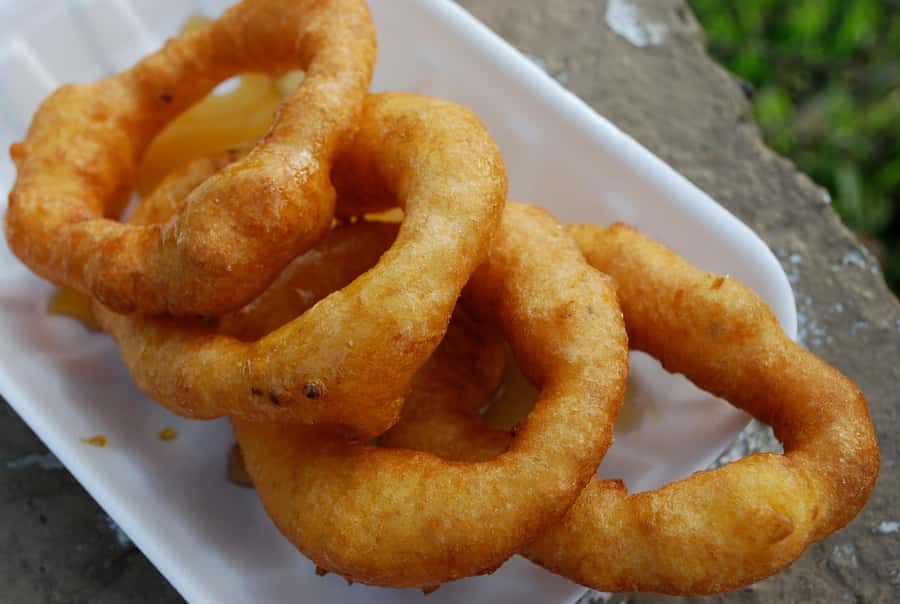
The tour also includes a traditional Peruvian dessert. Depending on what’s offered, it may be arroz con leche (creamy rice pudding) or picarones (sweet treats drizzled with chancaca syrup). Either way, it gives you a sweet landing after salty, citrusy, and savory flavors.
Portions aren’t described in detail, but the flow makes it clear you should expect enough food to feel like a full culinary experience, not a snack tour dressed up as dinner.
One practical note: you’ll stand during the class, so if you’re sensitive to long stretches, bring your best attitude and plan for it. Water and sunscreen are also on your packing list for a reason.
Why the menu choices make sense for first-timers
If you’re new to Peruvian food, these dishes are a smart set.
Ceviche shows Peru’s citrus-and-seasoning approach and the importance of balance—fresh, tangy, sharp, and finished with crunchy garnishes. Causa rellena shows the comfort-food side and the way potatoes and avocado work together. Pisco sour ties everything into a drink culture built from the same ingredients you’re learning at the market.
And the tour doesn’t treat this as random “food trivia.” You’re also learning how Peruvian cuisine reflects Indigenous, Spanish, and Asian influences. You don’t have to memorize it. You just start noticing how techniques and flavors overlap across regions and time.
This is where that small-group format helps. With up to 10 participants, you’re more likely to get real-time questions answered—especially during the hands-on steps where timing matters.
Price and value: $59 for three skills plus a market lesson
At $59 per person for about 150 minutes, you’re paying for three things that are hard to replicate alone:
1) A guided market fruit tasting that teaches ingredients without guesswork.
2) A chef-led cooking class where you prepare ceviche, causa rellena, and pisco sour.
3) A meal result: you eat what you make and finish with dessert.
If you tried to copy this on your own, you’d likely spend time finding ingredients, booking a class, and figuring out technique. Here, the group size is capped, the teaching is in English, and you get the full sequence in one block of time.
Also, this is a good value style tour for Lima. It’s compact. You don’t need half a day for the market, another half for a cooking workshop, and a separate night out for dessert and drinks.
Logistics that actually matter: meeting point, no pickup, and comfort
There’s no hotel pickup or drop-off, so you’ll need to get to the meeting point yourself. The guide waits just outside the entrance of the Holiday Inn Lima Miraflores on Calle Alfonso Ugarte 117.
Important detail: there’s another entrance on Ricardo Palma Avenue that can cause mix-ups. Your guide will be wearing a red lanyard with Exquisito Peru’s logo.
Once you’re there, you’ll likely spend much of the session standing—first in the market walk, then during prep and assembly. This is why the “bring comfortable shoes” line is the most honest item in the packing list.
Bring:
- Comfortable shoes
- Hat and sunscreen
- Camera
- Water
Dietary needs matter too. The tour says you should notify them in advance about dietary restrictions or allergies. Just note that the activity is not suitable for people with food allergies, so you’ll want to take that seriously.
Who should book this and who should skip it
This tour fits best if you want a real food experience without advanced cooking skills. The class is designed for beginners, and the English guide support makes it easier to follow along.
It also fits well if you like learning through doing. You get market stories, then you build three dishes/drinks you can remember later—ceviche, causa rellena, and pisco sour.
It’s less ideal for:
- Pregnant women
- Wheelchair users
- People with food allergies
And if you’re traveling with limited stamina for standing, plan around it. This is a hands-on session, not a sit-and-smile tasting.
One last small tip: if you’re the type who forgets to eat during sightseeing days, this is a good counter. The tour builds in food and drink, so you’re not hunting for meals while you’re hungry and distracted.
Should you book this Lima market and cooking tour?
Yes—if you want Lima in one short session and you like practical cooking lessons tied to real ingredients. This is the kind of class where the market fruit tasting doesn’t feel like filler, and the food choices are strong for first-timers.
I’d especially recommend it if you care about understanding the “why” behind Peruvian flavors—because you’re getting guide explanations, vendor stories, and three hands-on techniques that connect market ingredients to the final plate.
Skip it if you can’t do standing, have food allergies, or you strongly prefer a purely seated, low-activity tour.
If you’re on the fence, here’s the simplest way to decide: if making ceviche and shaking a pisco sour sounds fun (and not intimidating), this is a solid way to spend your time in Lima.
FAQ
How long is the Lima Market Tour and Cooking Class with Pisco Sour?
The tour runs for about 150 minutes.
What dishes and drinks will I learn to make?
You’ll learn to prepare ceviche, causa rellena, and a classic pisco sour.
Does the tour include fruit tasting?
Yes. The market portion includes tasting four unique fruits.
Is hotel pickup included?
No. Hotel pickup and drop-off are not included.
Where do I meet the guide?
You meet the guide just outside the entrance of the Holiday Inn Lima Miraflores on Calle Alfonso Ugarte 117 (not the Ricardo Palma Avenue entrance). The guide wears a red lanyard with Exquisito Peru’s logo.
What language is the tour guide?
The tour guide speaks English.
How big is the group?
The group is small, limited to 10 participants.
Is this tour suitable for everyone?
It is not suitable for pregnant women, wheelchair users, or people with food allergies.
FAQ
What should I bring?
Bring comfortable shoes, a hat, a camera, sunscreen, and water.
Are dietary restrictions accommodated?
You should notify the provider in advance about dietary restrictions or allergies.