REVIEW · ATHENS
Athens: Greek Souvlaki Pita Gyros Cooking Class with a Local
Book on GetYourGuide →Operated by Athens Cooking Classes · Bookable on GetYourGuide
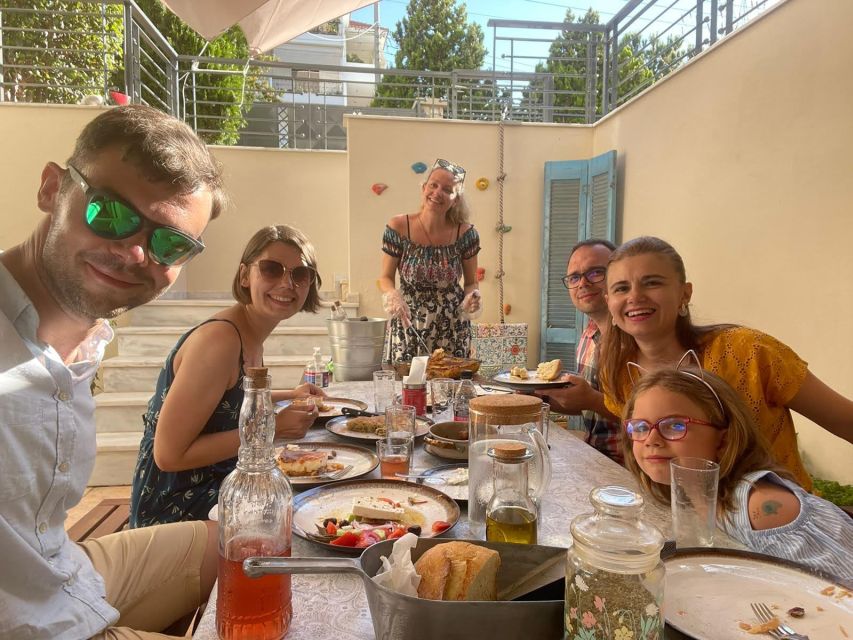
Gyros, done at home in Athens. I love the hands-on pace, and I love that you leave with recipes you can actually use later. One thing to plan around: this isn’t suitable for people with mobility impairments.
This is a 3-hour, city-center cooking class built around a Greek family meal mindset. You keep it casual from the start, grab a beer or wine from the fridge, and work side-by-side with your English-speaking instructor, Dionysia, and her family.
The format is simple: you cook, you eat, you learn. If you’re not hungry—or you want a quiet, sit-and-watch experience—you might find the “cook as much as you can” energy too much.
In This Review
- Quick reasons this gyro class works
- A Cozy City-Center Kitchen, Not a Factory Class
- What You Cook: Pita Gyros From Scratch (Everything Matters)
- The Gyro Lesson: Five Seasoning and Cooking Ways
- Drinks, Zero Waste Habits, and Greek Food Stories at the Table
- Dessert Ends the Meal the Greek Way
- How the 3 Hours Usually Feels (and Why It’s Built for Hungry People)
- Price and Value: Is $129 Reasonable for Gyros and More?
- Who Should Book This Athens Gyros Class (and Who Should Skip It)
- Should You Book It?
- FAQ
- What do I cook in the Athens class?
- Is the class hands-on?
- What drinks and food are included?
- What desserts are included?
- Are recipes included to take home?
- Is the instructor English-speaking?
- Is pickup available from the meeting point?
- Is this class suitable for people with mobility impairments?
Quick reasons this gyro class works
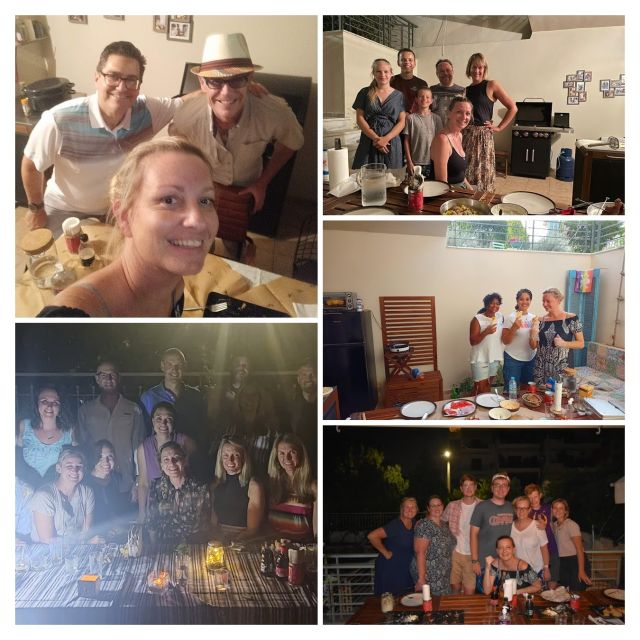
- Pita dough from scratch: you make the foundation, not a shortcut.
- Gyros taught five ways: seasoning and cooking methods you can repeat.
- Unlimited drinks and food: you keep eating until you’re genuinely done.
- Zero-waste culture: leftover habits help prevent food waste.
- Dessert options: Patsabouropita or a Greek-style cheesecake.
- Family-kitchen teaching style: easy instructions, lots of conversation.
A Cozy City-Center Kitchen, Not a Factory Class
What makes this cooking class feel different is the setting. You’re not shuffled through stations or handed pre-made parts. You’re in a home-style kitchen space designed to feel like their kitchen, with that relaxed, lived-in rhythm that makes learning easier.
The story behind the move to the city center also matters. This started as a humble seaside home adventure, then grew—so now you get the family vibe without feeling like you’re far from Athens. It’s the kind of setup that keeps the mood friendly, not staged.
When you arrive, it’s not all speeches. You’re encouraged to act like you’re joining the meal: grab something from the fridge, roll up your sleeves, and start cooking. If you like classes where you can ask questions and talk food, this is your lane.
You can also read our reviews of more tours and experiences in Athens.



What You Cook: Pita Gyros From Scratch (Everything Matters)
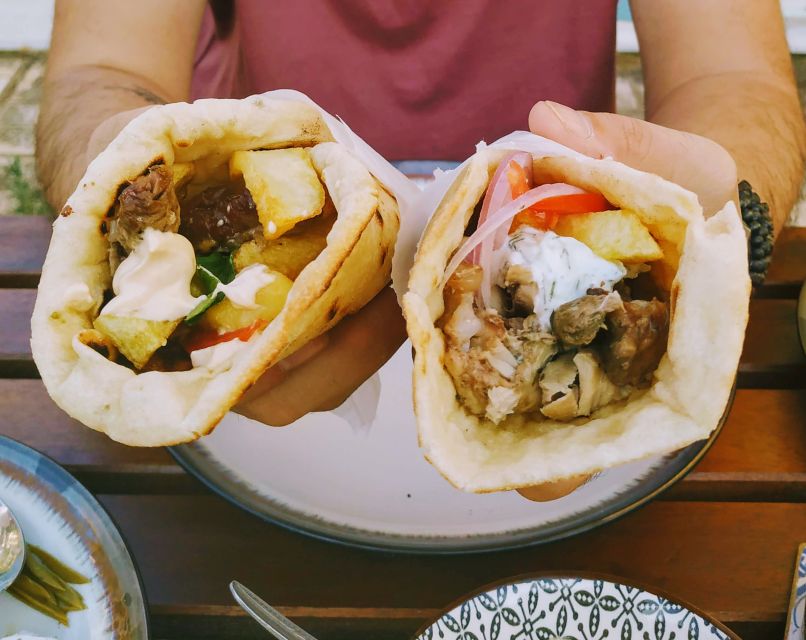
Here’s the core promise: you’ll make Greece’s favorite street food components from scratch. No pre-made ingredients. No shortcuts. You’ll cook enough that “snack and go” isn’t really a thing here.
You start with the pita bread dough, guided toward soft, pillowy results. This is more than cooking bread—it’s learning what Greek-style pita feels like as dough and as finished bread. Even if your first batch isn’t perfect, the takeaway is how to think about texture, timing, and handling.
Then you build toward gyros in parts. You’ll learn seasoning and cooking approaches that make the meat taste like the real thing, and you’ll hear the reasoning behind the choices. It’s not random spice dumping. It’s learning how Greeks think about flavor as a system.
And yes, you get to eat what you make. That changes the whole class experience. You can taste as you go, which helps you understand why each step matters rather than just following directions.
The Gyro Lesson: Five Seasoning and Cooking Ways
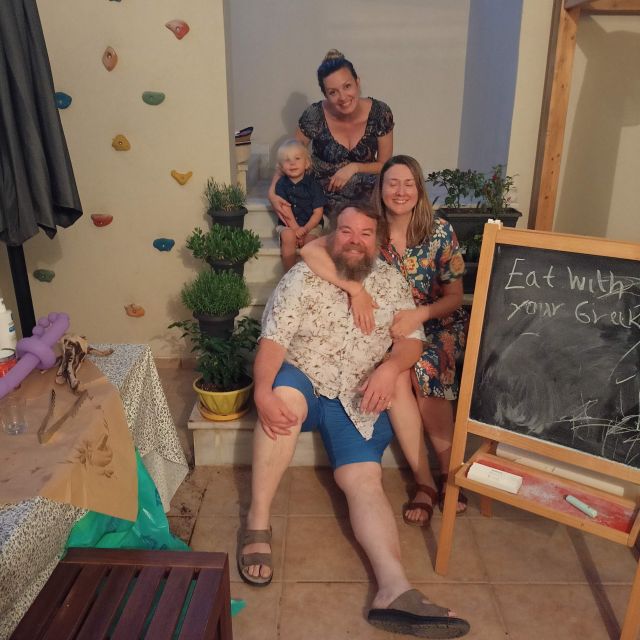
One of the biggest values is that you don’t just get one version of gyros. You’ll learn gyros five different ways, with specific guidance on seasoning and cooking.
That matters because gyros flavor isn’t one magic trick. It’s a mix of how you season, how you handle heat, and how you bring everything together. Learning multiple methods means you can adapt back home based on your tools—pan, grill, oven, or whatever you have.
I also like the way the class frames technique as flexibility. You’re not memorizing a single rigid recipe. You’re gaining choices you can use later, which is exactly what helps at-home cooking succeed.
Drinks, Zero Waste Habits, and Greek Food Stories at the Table
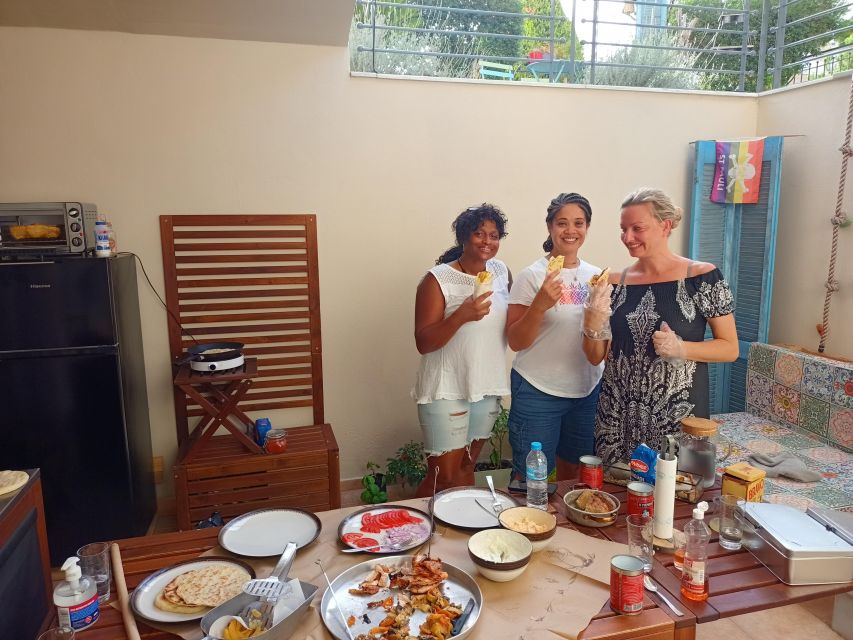
This is not a lecture-heavy class. Most of the learning happens while you cook and eat. As dishes come together, Dionysia shares stories behind traditions and recipes, plus personal recommendations to help you experience Athens beyond the obvious stops.
That storytelling component is useful because it gives meaning to what you’re tasting. When someone explains the “why” behind a method, you remember it. And when you talk about food culture in a real kitchen setting, you pick up details that don’t fit on a museum placard.
The zero-waste culture angle is also practical. This is where the class becomes more than just cooking skills. If you can’t finish something or you prefer not to eat a dish, you can usually take it with you, and the rest is handled so nothing goes to waste—donated or used by the family. That’s a small habit with a big effect, and it’s the kind of mindset that travels well.
Dessert Ends the Meal the Greek Way
After cooking the savory portion, you switch gears to dessert. Your sweet options are Patsabouropita or a Greek-style cheesecake.
I like that the dessert choice keeps the class feeling grounded in real Greek home cooking. It’s not just a token end. It’s a proper finishing course that matches the hearty meal format—especially if you’ve been eating as much as you can during the class.
Dessert also gives you a final chance to slow down and enjoy the room. Once you’re done with the work, you’re encouraged to relax, sit down, and savor everything you made together.




How the 3 Hours Usually Feels (and Why It’s Built for Hungry People)
This experience runs about 3 hours, which is a smart length for hands-on cooking. Long enough to learn multiple steps, taste plenty, and still finish with dessert. Short enough that you’re not exhausted before you eat.
The pacing also seems designed to avoid that “rushed” feeling. Dionysia and her family keep the flow moving without making it feel like a race. You do real work—kneading, prepping, cooking—but you get guidance that keeps you from getting stuck.
The class is also very much built for people with an appetite. The message is clear: come with great appetite, because you can eat as much as you can. If you have a small appetite, you’ll still enjoy the class, but the full value depends on you leaning into the meal.
One small consideration: this isn’t a good fit if you need step-by-step accessibility accommodations. It’s not suitable for people with mobility impairments based on the activity details.
Price and Value: Is $129 Reasonable for Gyros and More?
At $129 per person, you should judge value by what’s included, not just the word “class.”
Here’s what you get in this 3-hour experience:
- Hands-on cooking for pita gyros with components made from scratch
- An English-speaking instructor (Dionysia) and cooking equipment
- Unlimited drinks and food
- Recipe take-home so you can repeat flavors later
When unlimited food and drinks are part of the deal, the math shifts. If you’re the kind of traveler who wants more than one meal’s worth of experience in one evening, this becomes easier to justify.
It’s also not just eating. You’re paying for technique, tasting, and learning a menu you can re-create. That’s where cooking classes can earn their keep—especially when recipes are provided.
The main way this price might feel less worth it is if you:
- don’t eat much (because unlimited portions are part of the value),
- don’t drink at all (since drinks are included),
- or prefer a strictly observational activity.
Who Should Book This Athens Gyros Class (and Who Should Skip It)
This class is best for you if you want a hands-on Greek food experience in a real family kitchen. It’s ideal for couples, friends, and families who enjoy cooking with guidance and then sitting down to enjoy the meal without the awkwardness of a formal restaurant dinner.
You’ll also like it if you care about details like:
- making pita dough from scratch,
- learning seasoning and cooking methods (not just assembly),
- getting dessert that feels authentically Greek.
Skip it if you:
- need mobility accessibility support,
- want a quiet, non-participatory tour,
- or have expectations of a short tasting only. This is a full meal experience.
Should You Book It?
If your plan includes Athens food, and you want something more personal than a walk-and-sample tour, I’d book this. The strongest reasons are simple: you cook the core items from scratch, you learn gyro methods you can replicate, and you get a full meal with unlimited food and drinks plus recipes to take home.
Book it now if you’re excited to eat well and learn by doing. Don’t book it if you’re mobility-limited or you don’t want to participate in the cooking.
FAQ
What do I cook in the Athens class?
You’ll make pita bread dough and learn how to prepare gyros, including seasoning and cooking in five different ways. You also make dessert.
Is the class hands-on?
Yes. It’s designed as a hands-on cooking experience with equipment provided, so you can actively prepare components and cook.
What drinks and food are included?
The class includes unlimited drinks and food, and you’ll be able to eat as much as you can.
What desserts are included?
You can choose between Patsabouropita or a Greek-style cheesecake.
Are recipes included to take home?
Yes. You’ll receive the recipes so you can recreate the food later.
Is the instructor English-speaking?
Yes, the instructor is listed as English.
Is pickup available from the meeting point?
Pickup can be arranged if you request it.
Is this class suitable for people with mobility impairments?
No. It’s listed as not suitable for people with mobility impairments.