REVIEW · ATHENS
Pick Your Plates, Cook & Savor- Greek Cooking Class in Athens
Book on Viator →Operated by Eat with your Greek Cousin · Bookable on Viator
Greek cooking gets hands-on fast. This Athens class is built around choice: you pick what you’ll make, then you’re the one rolling phyllo and cooking from start to finish, not watching someone else work. I especially like the dietary flexibility (vegan, vegetarian, gluten-free, dairy-free), and you can tailor options like dips and even phyllo to fit. One consideration: the main dish and salad choices are set up per couple, so if you’re solo you’ll likely cook alongside someone else’s group for those parts.
Guides here come with real family energy. Expect instruction in English, a small group (up to 12 people), and a meal that turns into the best kind of long table—wine in hand, stories flying, and plenty of time to ask questions.
In This Review
- Key Highlights Worth Your Time
- Pick Your Plates: How the Menu Choice Really Works
- Starter pies: the phyllo part
- Dip choices: Greek flavors, with flexible rules
- The 3-Hour Flow in a Real Greek Kitchen (What Happens When)
- 1) Start in the kitchen and map out your picks
- 2) Roll fresh phyllo and make your starter pie
- 3) Mix dips from scratch
- 4) Cook one main dish per couple
- 5) Finish with a Greek salad choice
- 6) Sit down and share your meal together
- Phyllo Pies, Dips, and Techniques You Can Actually Reuse
- The phyllo technique: why it matters
- Dips: the flavor lessons
- Mains and Salads: A Couples-Based Setup That Works (Most of the Time)
- If you’re a couple or small group
- If you’re solo
- Taste the Meal Together: Wine, Coffee, and a Family-Style Finish
- The family factor (and why it’s not just a marketing line)
- Dietary Options: How They Handle Vegan and Gluten-Free Without Making It Awkward
- Price and Value in Athens: What You’re Paying For
- Practical Tips Before You Go (So You Enjoy Every Minute)
- Go in with a food mindset, not a perfection mindset
- Wear clothes you don’t mind getting flour-adjacent
- Plan for the meeting point area
- Bring questions
- Should You Book Eat With Your Greek Cousin?
- FAQ
- How long is the Greek cooking class in Athens?
- What’s included in the price?
- Can the class handle vegan, gluten-free, or dairy-free needs?
- How many people are in the group?
- What dishes do you cook?
- Where does it start and end?
Key Highlights Worth Your Time
- Pick-your-menu cooking: starters, dips, mains, and salads are all choice-based.
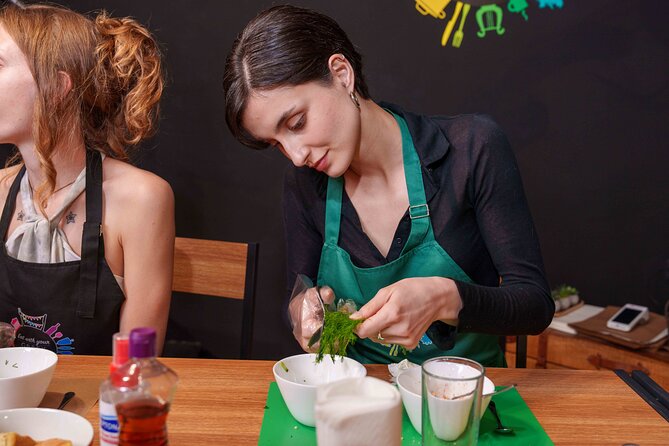
- Fresh phyllo skills: you learn the rolling technique (including the playful sun method).
- Greek dips you can repeat: tzatziki, tirokafteri, and skordalia-style options are on the menu.
- Dietary care that feels practical: gluten-free dough and clean prep space are part of the plan.
- Shared meal after cooking: lunch and dinner-style portions, plus wine, coffee, and tea.
- Small group focus: maximum 12 people means you’re not lost in the crowd.
Pick Your Plates: How the Menu Choice Really Works
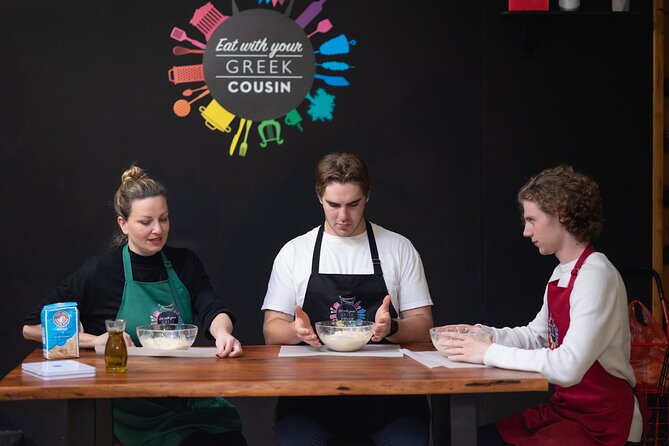
This isn’t a class where the menu is locked and you just follow along. The whole point is that you build your own plate lineup—your way—based on what you want to eat.
Here’s how the structure works in plain terms:
- You choose a phyllo starter pie per person.
- You choose a dip per person.
- You choose a main dish per couple.
- You choose a Greek salad per couple.
That set-up does two useful things. First, it keeps the kitchen moving smoothly in a small group. Second, it makes the meal more fun because everyone ends up sharing multiple dishes rather than eating just one thing they made.
You can also read our reviews of more tours and experiences in Athens.

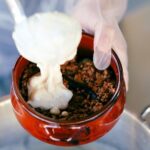
Starter pies: the phyllo part
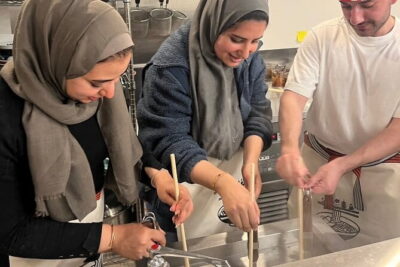
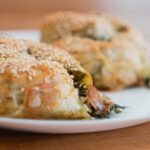
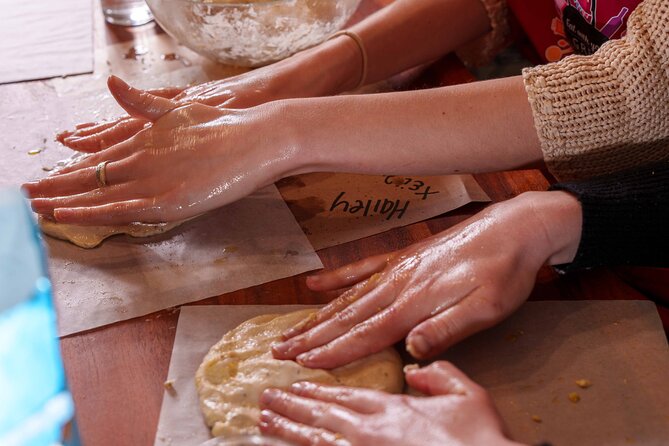
The menu options include handmade phyllo pies with choices like spinach, feta, feta with honey & sesame, eggplant, or mushroom. You’ll roll the dough yourself, and the teaching includes a method that makes the process feel less intimidating (the sun method comes up in instruction).
Dip choices: Greek flavors, with flexible rules
Your dip options include:
- Tzatziki
- Spicy feta spread (tirokafteri) with vegan/dairy-free swaps using plant-based feta
- Garlic dip (skordalia) which is naturally vegan
You’re not just picking flavors—you’re picking how you want the meal to fit your needs.
The 3-Hour Flow in a Real Greek Kitchen (What Happens When)
The class runs about 3 hours, and it moves in a way that keeps you busy but not rushed. The day’s structure is basically: cook, taste while you cook, then sit down together and eat everything you made.
Here’s a realistic sequence of what you’ll do.
1) Start in the kitchen and map out your picks
Right away, you’ll decide what you’re making. This matters because Greek food is about technique and timing—choosing what you want sets you up with the right prep rhythm for your pies, dips, and your couple’s main.
You’ll get guided help from the host (Dionysia) and family—often with her husband Costa in the mix—so you’re not left to figure out phyllo and knife work on your own.
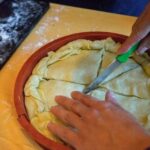

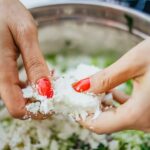


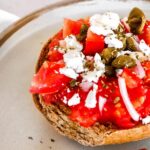
2) Roll fresh phyllo and make your starter pie
This is the signature moment. You’ll learn how to handle the dough, roll it out, and form your pie. The best part is that it’s hands-on: no one steps in and takes over your hands.
If you’ve tried to make phyllo at home before, you know how intimidating it can be. Here, you’re taught in a way that turns it into a skill you can actually recreate later, not a one-time magic trick.
3) Mix dips from scratch
While your starter is coming together, you’ll move into dips. Options include tzatziki, tirokafteri-style spicy feta spread, or skordalia-style garlic dip (naturally vegan).
Even if you’re not a confident cook, this is a stage where you can feel competence quickly. Dips often let you learn how Greek seasoning balances work, and you’ll take those ideas home in a way that matters.
4) Cook one main dish per couple
The main dish choices include:
- Wine and sun-dried tomato bites (yiayia’s style) with Greek wine and sun-dried tomatoes
- Orzo with shrimp, chicken, mushrooms, or eggplant
If you come as a couple, you’ll each get a role in the main prep. If you’re coming solo, just know you’ll likely team up with other people for the couple-based main and salad choices.
5) Finish with a Greek salad choice
Salad options include:
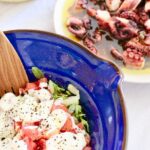
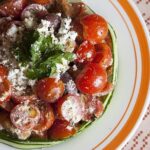
- Classic Greek salad, with vegan/dairy-free swaps using plant-based feta
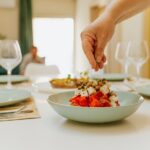
- Cretan dakos, also doable vegan/dairy-free with plant-based feta
6) Sit down and share your meal together
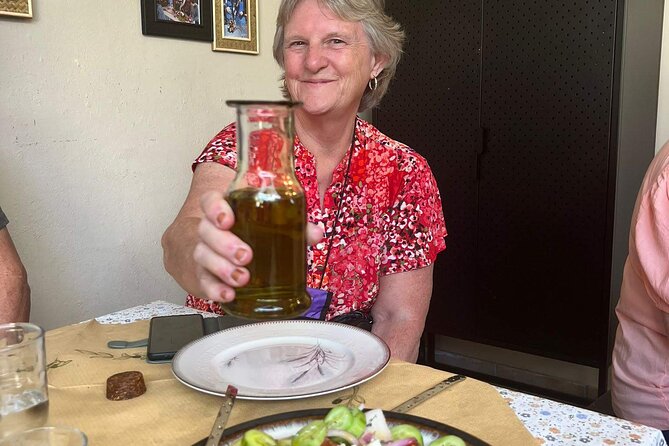
Once cooking is done, you all eat what you made. Alcoholic beverages are included, plus coffee and/or tea. Some groups also enjoy the meal with a rooftop feel, which adds a relaxed end-of-class vibe without feeling like a stuffy dinner.
This communal portion is a big reason the class feels so satisfying. You’re not just testing recipes—you’re tasting the results alongside people cooking the same way you are.
Phyllo Pies, Dips, and Techniques You Can Actually Reuse
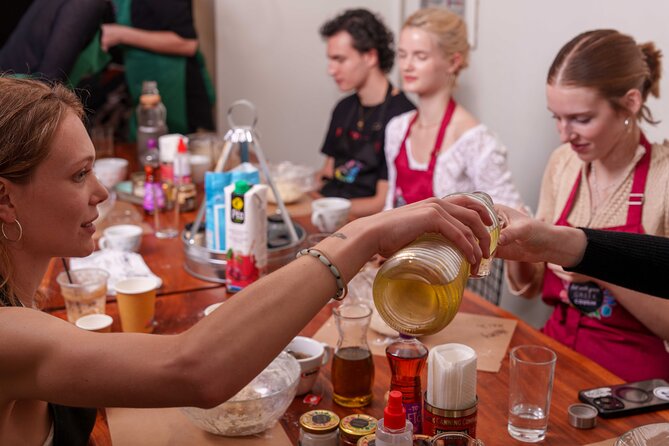
Most cooking classes leave you with photos and a vague memory. This one is designed to leave you with hands-on skills you can repeat.
The phyllo technique: why it matters
Rolling phyllo is the kind of skill that changes everything. If you can handle that dough, you can make far more than just one pie. The class focuses on your ability to roll and shape, using an approach that makes the process less about luck and more about technique.
And because you’re taught in English, you can ask direct questions as you go. You’re also not watching someone else do the hardest part while you stand by.
Dips: the flavor lessons
Greek dips are a great “home cooking” win because they’re built for sharing. You’ll learn how to make choices that match your diet—especially with the ability to do dairy-free or vegan swaps.
Options like tirokafteri-style spice and skordalia-style garlic dip give you a couple of different flavor directions, so when you’re home you can decide whether you want creamy, garlicky, or spicy.
Mains and Salads: A Couples-Based Setup That Works (Most of the Time)
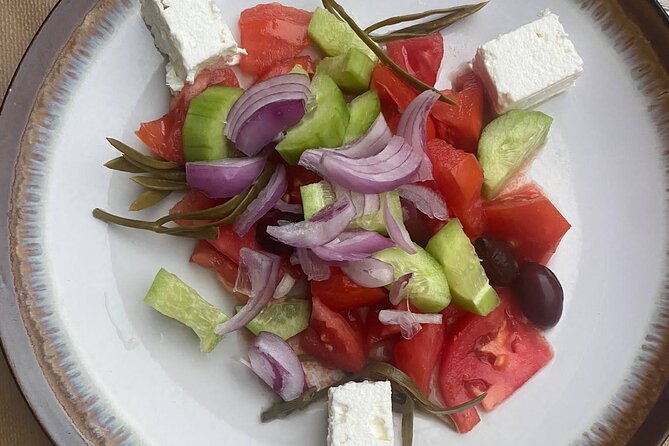
The class uses a per-couple structure for the main dish and salad. This is practical in a small group kitchen, but it’s worth calling out so you can plan your expectations.
If you’re a couple or small group
You’ll likely get a smooth experience here. You’ll pick one main together, cook it together, and then choose one salad to match. When the food hits the table, it feels like your shared creation.
If you’re solo
You can still have a great time, but you should expect to pair up for the main and salad choices. If you don’t love group logistics, that’s the one part of this class setup that may feel less flexible.
The upside: once cooking is done, you’ll still eat everything you made—starter pie and dip per person—plus the shared main and salad.
Taste the Meal Together: Wine, Coffee, and a Family-Style Finish
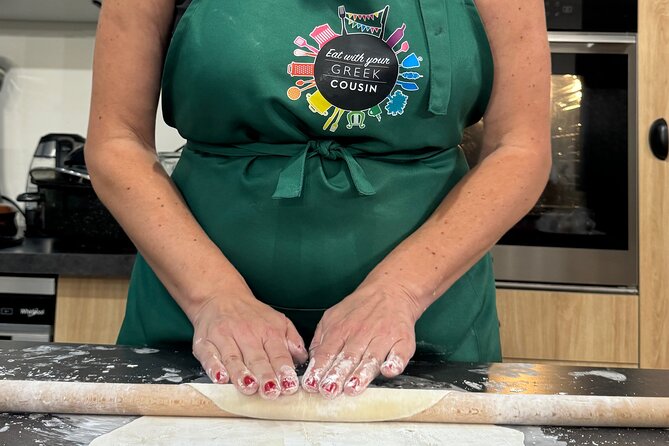
Food is only half the deal. The other half is what happens right after: everyone shares the dishes at the table.
Here’s what’s included with the meal:
- Lunch
- Dinner
- Alcoholic beverages
- Coffee and/or tea
That combination matters because it shifts the class from a “workshop” into a real Greek meal experience. You’ll taste as you go, then you’ll sit down for the full spread with your group.
The family factor (and why it’s not just a marketing line)
The hosts teach with a family approach. Names you may hear in the process include Dionysia and Costa, and the kitchen energy is the kind that makes beginners feel welcome.
You can also expect a real-food sourcing feel—fresh ingredients and short lead times are part of the experience style, including market sourcing and fresh animal/produce prep happening close to class time.
Dietary Options: How They Handle Vegan and Gluten-Free Without Making It Awkward
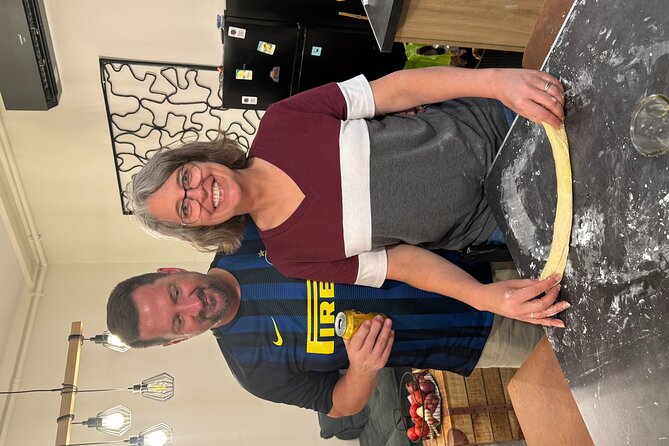
This is one of the strongest reasons to choose this class.
You can tailor dishes for:
- Vegan
- Vegetarian
- Gluten-free
- Dairy-free
And it’s not just a list of accommodations. There’s a clear plan for key items:
- Plant-based feta options are used for dips and salads that normally rely on dairy.
- For gluten-free needs, gluten-free dough may be prepared in advance, with a clean prep space set up so you can cook without worrying about cross-contact.
If you’ve been burned by cooking classes that offer a sad substitute, you’ll appreciate how practical this feels. The menu choices are built so the kitchen can support different diets while keeping the experience intact.
Price and Value in Athens: What You’re Paying For
At $107.17 per person for about 3 hours, the value is mostly in what’s included and what you do.
You’re not paying for a quick tasting where you sample a bite and go. You’re paying for:
- hands-on cooking (including rolling phyllo)
- a full meal setup (lunch and dinner)
- alcoholic beverages
- coffee and/or tea
- a small group experience (max 12)
In other words, the price covers both the teaching and the eating. For Athens, where food experiences range from street-food and markets to ticketed dinners, this sits in a sweet spot: interactive and meal-focused, without needing extra add-ons.
Two things to keep in mind:
- tipping isn’t included (tips aren’t mandatory in Greece, but it’s appreciated if you enjoyed the service)
- there’s no private transportation included, so you’ll want to use public transit or walk from your lodging
Practical Tips Before You Go (So You Enjoy Every Minute)
A cooking class is still a kitchen. A few practical choices can make your experience smoother.
Go in with a food mindset, not a perfection mindset
Phyllo takes practice, even for people who cook at home. The point is learning the technique steps while you’re supported, not walking out with a perfectly uniform pie.
Wear clothes you don’t mind getting flour-adjacent
You’ll be rolling dough and doing hands-on prep. Even if you work carefully, kitchen work has a way of leaving a trace.
Plan for the meeting point area
The class starts at Panepistimiou 64, Athina 105 64, Greece, and ends back there. Since the tour is near public transportation, build in time to get there without stress.
Bring questions
Because you’ll be working side-by-side with the host/family team, ask what you need while you’re doing the steps—especially around phyllo handling and your dip or pie choices.
Should You Book Eat With Your Greek Cousin?
If you want a Greek cooking class that’s hands-on, menu-driven, and small-group focused, I’d book this. The combination of rolling phyllo, choosing your own dips and salads, and sitting down for lunch and dinner with wine makes it feel like an actual Greek meal, not just a demo.
Book it especially if:
- you care about dietary flexibility (vegan, vegetarian, gluten-free, dairy-free)
- you want practical recipes and repeatable techniques
- you’d enjoy cooking with family-style warmth from Dionysia and Costa in a small kitchen setup
Skip it (or at least think it over) if:
- you strongly dislike group logistics, since the main and salad are structured per couple
- you want a class with private, door-to-door transportation (this one doesn’t include it)
If your goal is skills plus a satisfying meal, this Athens class is a strong choice.
FAQ
How long is the Greek cooking class in Athens?
It lasts about 3 hours.
What’s included in the price?
Lunch and dinner are included, along with alcoholic beverages and coffee and/or tea.
Can the class handle vegan, gluten-free, or dairy-free needs?
Yes. The class can tailor dishes for vegan, vegetarian, gluten-free, and dairy-free diets. Plant-based swaps are available for options like feta-based dishes, and gluten-free dough may be prepared with a clean space for preparation.
How many people are in the group?
The class has a maximum of 12 travelers.
What dishes do you cook?
You choose a phyllo pie starter per person, a Greek dip per person, and then a main dish and salad choice per couple.
Where does it start and end?
It starts at Panepistimiou 64, Athina 105 64, Greece, and ends back at the same meeting point.