REVIEW · KRAKOW
Krakow: Pierogi Power Cooking Class with Marta
Book on GetYourGuide →Operated by Pierogi Power · Bookable on GetYourGuide
Pierogi power is serious fun. This Krakow cooking class turns a home kitchen in Salwator into a hands-on lesson in Polish comfort food, from scratch dough to a sweet finish.
I like that you get real hands-on practice: you’ll make the pierogi dough and filling together, then cook and eat what you made. I also like the full meal arc, starting with tea or coffee and ending with homemade cheesecake with salty caramel sauce and more coffee or tea.
One thing to consider: it’s held in a private home and it isn’t suitable for people with food allergies, since you’ll be making and eating the same dishes together.
In This Review
- Key things that make this class worth it
- Why pierogi in Salwator feels like local life
- Getting to ul. Władysława Anczyca 11 / 5 without stress
- Step one: tea or coffee, aprons, and a quick Polish food story
- Making pierogi dough and filling from scratch (and not getting lost)
- Cooking your pierogi and eating them right away
- Cheesecake with salty caramel: the sweet finish done the Polish way
- Price and value for 3 hours in someone’s kitchen
- When to add Kościuszko Mound to your day in Krakow
- Who this class is best for (and who should skip it)
- FAQ
- FAQ
- How long is the cooking class?
- What’s the price per person?
- What language is the instruction in?
- Where does the class take place?
- How do I get there from Rynek Główny?
- What food and drinks are included?
- Do I just watch, or do I cook?
- Is transportation included in the price?
- Is it suitable for food allergies?
- My booking call: should you sign up?
Key things that make this class worth it
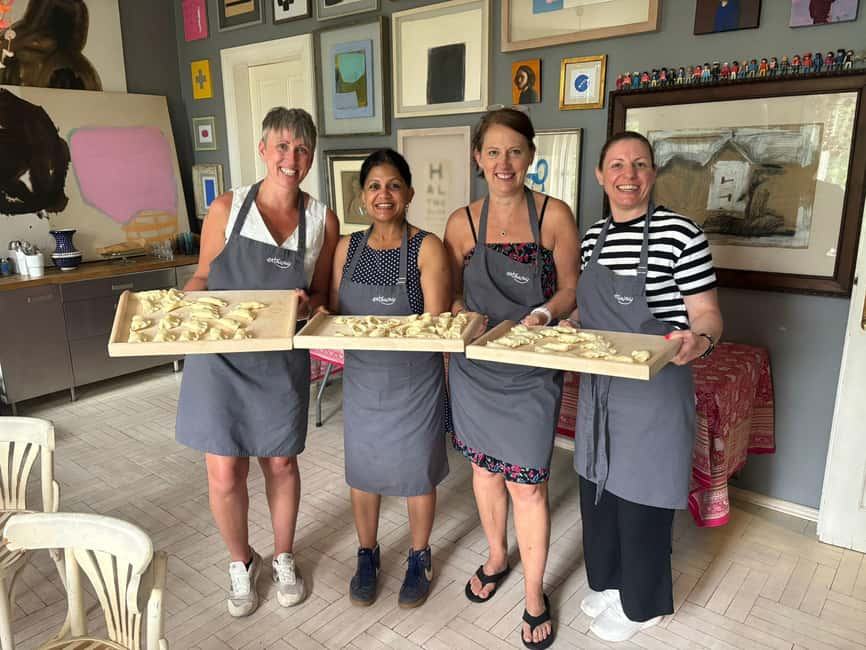
- English-led instruction with an expert who explains what you’re doing and why it matters.
- Your own board for assembling dumplings, with guidance at every stage.
- From-scratch pierogi: dough and filling are made together, not assembled from a box.
- A proper meal, not just a snack, with pierogi served for everyone to enjoy.
- Dessert payoff: homemade cheesecake paired with salty caramel sauce.
- A cozy start in Salwator with tea or coffee and aprons on before cooking begins.
Why pierogi in Salwator feels like local life
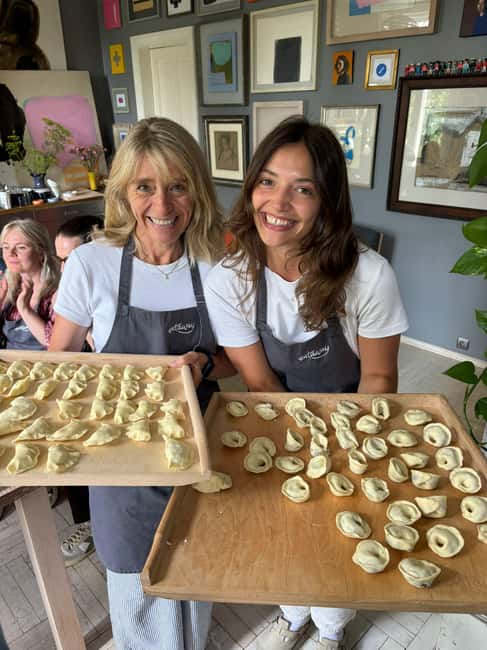
Krakow already has the food basics down. What this experience adds is the way it brings you into the process—how pierogi are shaped, how fillings are portioned, and what texture you’re aiming for when the dough comes together.
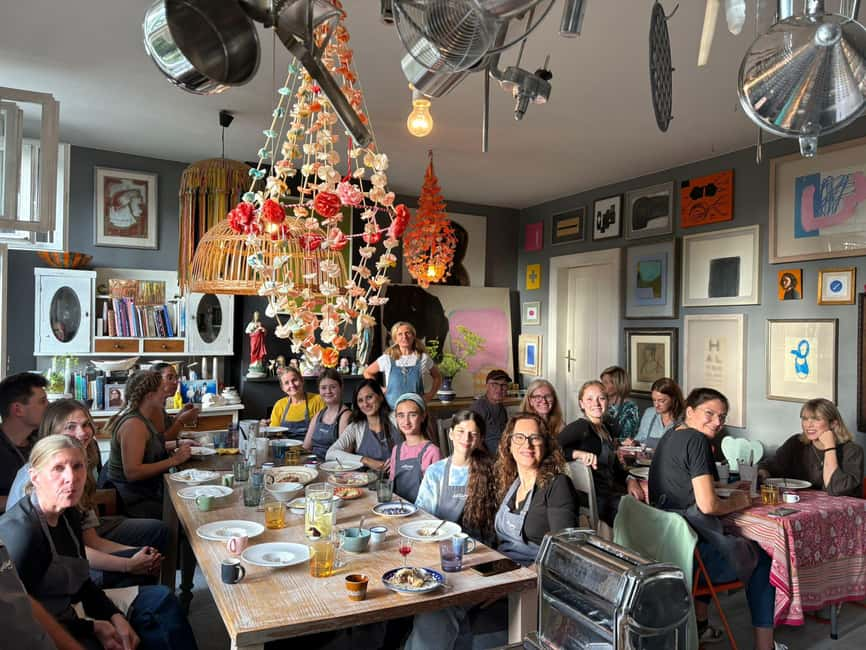
The location choice matters. Salwator is one of the city’s most scenic, older-feeling areas, and meeting in a home kitchen keeps things relaxed. You’re not in a showroom-style classroom. You’re cooking in a real space where someone lives, which makes the whole evening feel like learning with a friend rather than rushing through a schedule.
And you’re not just tasting. You’re doing. You leave with practical muscle memory—how dough should feel, how to keep filling from leaking, and how to judge when pierogi are ready.
You can also read our reviews of more tours and experiences in Krakow.

Getting to ul. Władysława Anczyca 11 / 5 without stress
Your meeting point is ul. Władysława Anczyca 11 / 5, apartment 5. It’s easy to reach, and the directions are straightforward once you’re in the Salwator direction.
From Rynek Główny, you’re looking at about:
- 10 minutes by taxi
- 15 minutes by tram, if you take tram 1, 2, or 6 toward Salwator
Take the stop after Salwator Pętla—the description is that it’s the final stop where trams turn around after the Salwator Pętla stop. Then you’ll walk about 4 minutes uphill to the apartment.
If you prefer, you can use Uber or another taxi option. Transportation to the location isn’t included, so plan on covering that yourself.
Step one: tea or coffee, aprons, and a quick Polish food story
The class starts with a welcome drink of tea or coffee in the host’s kitchen. Then aprons go on, and the cooking actually starts right away.
Before you touch dough, Marta shares the background: the history of Polish cuisine and the place pierogi hold in it. For me, that kind of context is more than trivia. When you know why a dish became iconic, you pay attention to details differently—texture, seasoning, and the logic behind the fillings.
Expect the flow to be calm and explanatory. The pace is built around learning, not just producing food. You’ll get a sense for what the end result should look like, which makes the later hands-on steps easier.
Making pierogi dough and filling from scratch (and not getting lost)
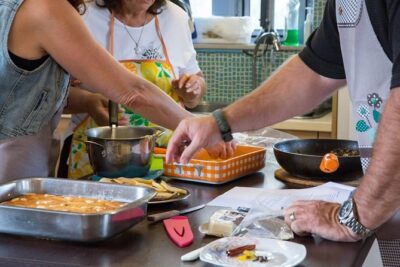
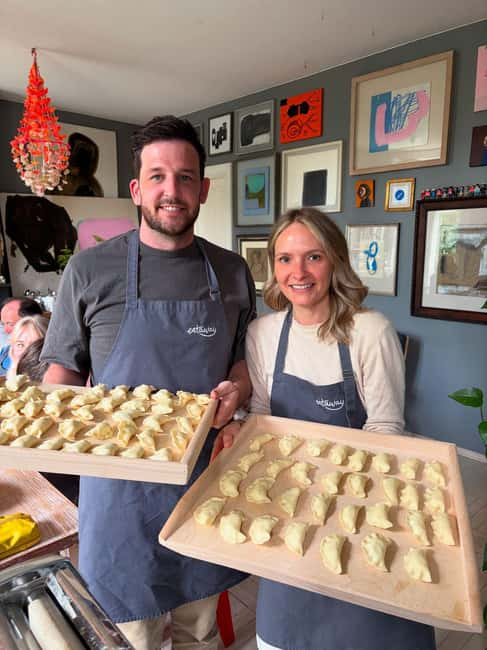
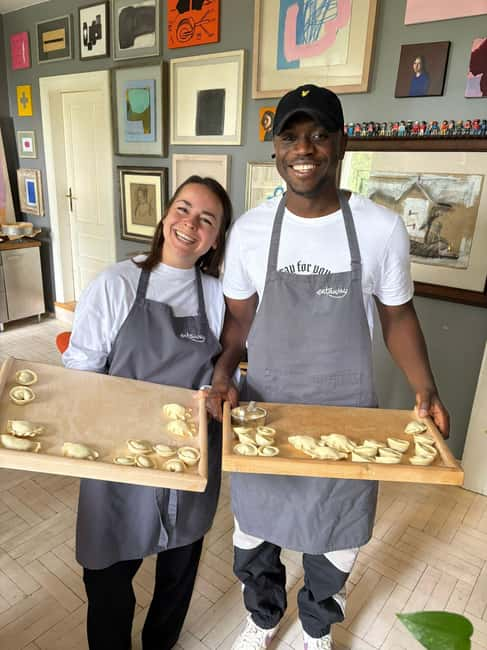
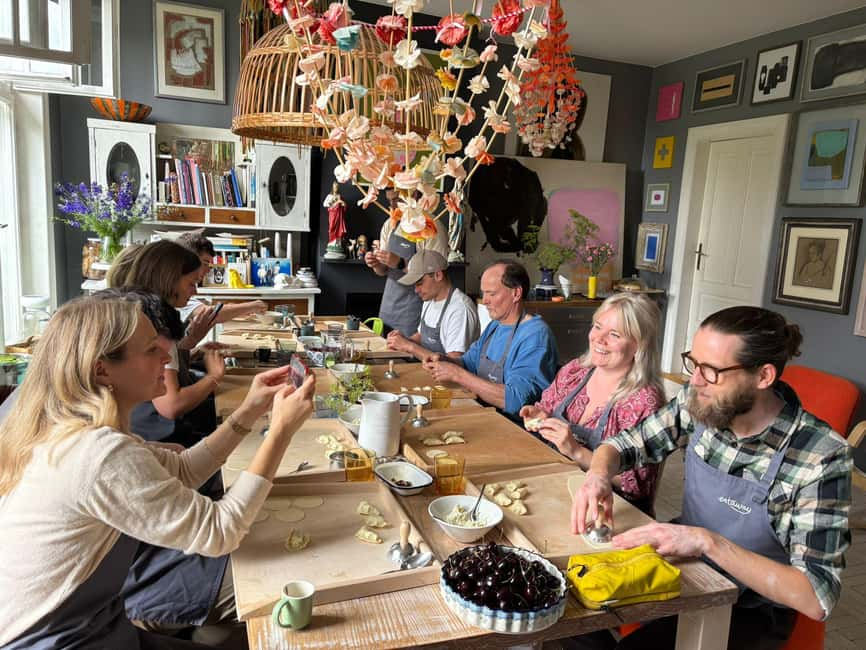
This is the heart of the experience. Everyone prepares pierogi dough and filling together, then assembles dumplings on their own board.
Here’s what makes it practical:
- You’re not following a list with zero support. Marta assists at every stage, so you can correct technique before it becomes a batch problem.
- You get ownership of the work. Each guest works at their own spot, so you’re actively shaping, portioning, and learning the feel of the process.
- You learn the “why” behind the taste. The class highlights the secrets to achieving that special flavor, which helps when you try again later at home.
Dough work is one of those tasks that sounds simple until you do it. You’ll learn how to build the dough correctly and handle it well enough to hold filling without turning messy. Filling is the other key. It’s not just about what goes in; it’s how you portion it so every pierogi tastes balanced and cooks the same way.
One detail to watch: pierogi are easy to overfill. The guidance you get here helps you avoid that. A good shape means better cooking and less stress.
In some sessions, the structure may include making multiple pierogi types. One class experience specifically mentions making three types, and that’s the kind of thing you might see depending on the group and menu. Either way, the focus stays on technique and comfort with the basics.
Cooking your pierogi and eating them right away
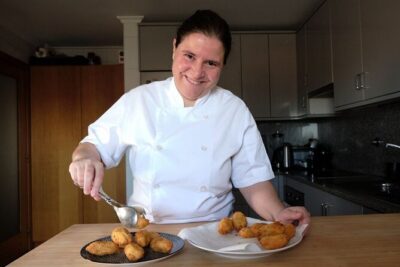
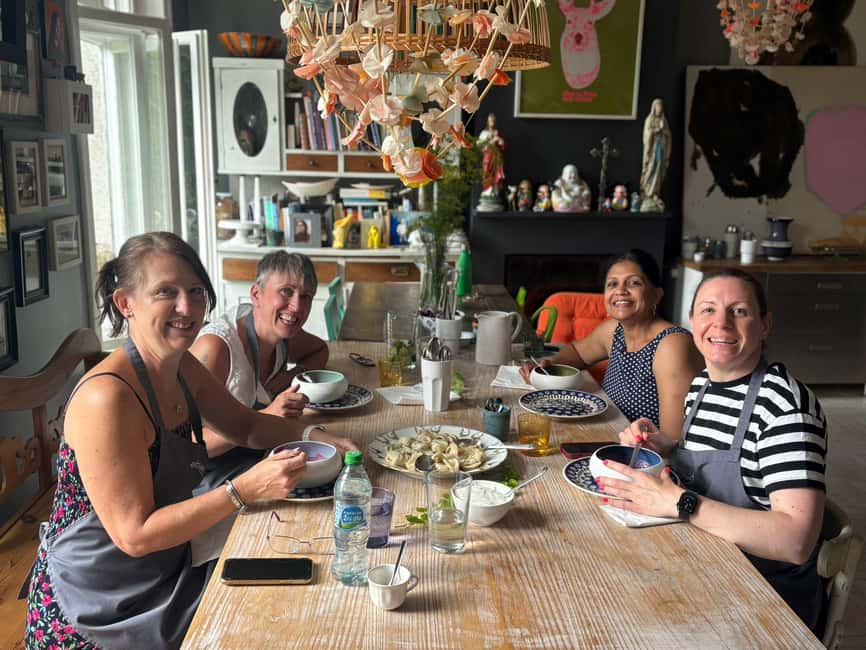
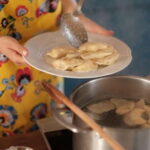
Once the dumplings are assembled, you’ll cook the pierogi and eat them together. This part matters because it turns technique into taste, fast.
Cooking pierogi on-site also helps you learn the real target texture: you see how they change as they cook, and you understand when to pull them off the heat. That’s the kind of knowledge you can’t fully get from a recipe alone.
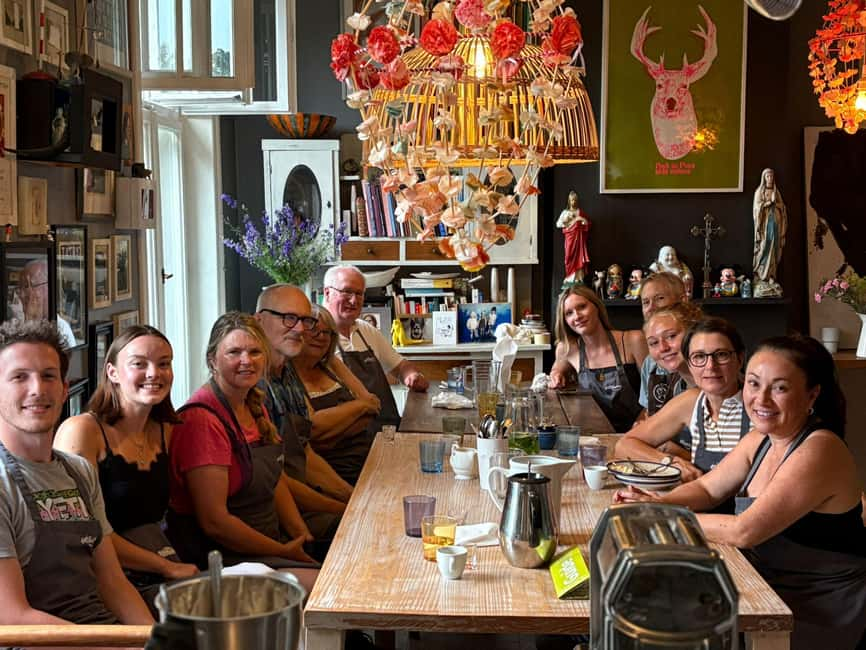
You’ll also share the table with the whole group. There’s plenty to go around, so you’re not stuck waiting for your own portion or calculating whether you ate enough.
One useful note from the experience itself: the meal can include more than just the pierogi. In an example class, pierogi were served with soup and salad along with the dumplings. Even if the exact sides shift, the intent is clear: this is a real meal, not a tiny tasting.
Cheesecake with salty caramel: the sweet finish done the Polish way
After the savory part, the class ends with homemade cheesecake with salty caramel sauce, plus fresh coffee or tea.
Cheesecake is a great finale because it’s both a treat and a palate reset. The salty caramel is the key detail here: it adds contrast, so the sweetness doesn’t feel one-note. It also fits well after a dish like pierogi, which can be rich and filling.
If you’re the kind of person who likes to eat thoughtfully—tasting, noticing salt level, texture, and how flavors line up—this dessert is the kind that rewards attention. And if you just want something comforting after cooking, it still hits the spot.
Price and value for 3 hours in someone’s kitchen
The price is about $80 per person for a 3-hour class.
What you’re paying for isn’t just the ingredients. You’re paying for:
- Instruction in English, including explanation of Polish cuisine and pierogi history.
- Active participation in making dough and filling from scratch.
- A guided process with assistance at every stage.
- A full food package: welcome drink, pierogi cooking and eating, and homemade cheesecake with coffee or tea.
In plain terms, this is value if you want an authentic food memory and practical skills—not just a bite of something local. If you prefer watching from the sidelines, this won’t be your best match. But if you enjoy hands-on cooking and want to return home with technique you can actually repeat, the cost starts to make sense quickly.
When to add Kościuszko Mound to your day in Krakow
Your class happens in the Salwator area, and it’s well set up for a longer food-and-views plan.
If you want something outdoors before or after cooking, consider the Kościuszko Mound nearby. It’s one of Krakow’s popular spots, and it gives city views. That makes it a natural pairing because you can turn your day into two different kinds of Krakow: hands-on local food, then a high-up city perspective.
This is also a good fallback if you’re traveling on a schedule. The class runs about 3 hours, so you can fit in a short sightseeing window without feeling like the whole day gets consumed.
Who this class is best for (and who should skip it)
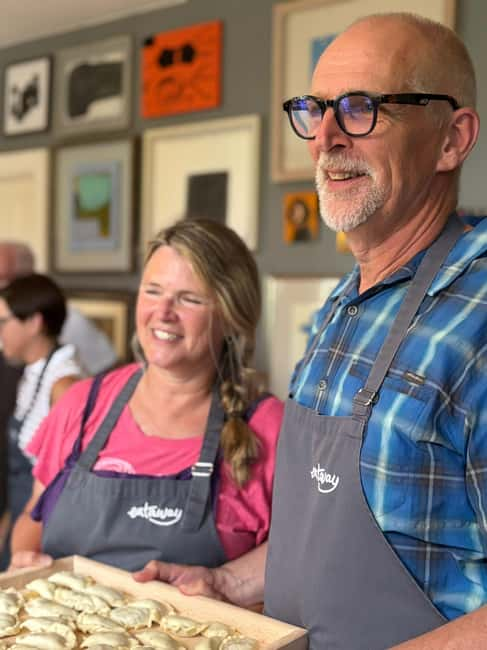
This is a strong fit if you:
- want a hands-on Krakow experience (shaping dumplings counts more than eating them)
- like learning food culture and not just recipes
- enjoy comfort food and want to understand what makes it taste right
- are okay with cooking in a private home setting
You might want to skip or choose another option if:
- you have food allergies, since the class is not suitable for guests with allergies
- you’re expecting a restaurant-style experience with staff taking care of everything
- you want very fast instruction with minimal participation (this is built around doing the work)
Also bring comfortable clothes. You’ll be cooking, and being able to move easily makes the class nicer.
FAQ
FAQ
How long is the cooking class?
It lasts 3 hours.
What’s the price per person?
The class is listed at $80 per person.
What language is the instruction in?
The instructor teaches in English.
Where does the class take place?
It’s held in a private home in the Salwator area of Krakow, at ul. Władysława Anczyca 11 / 5.
How do I get there from Rynek Główny?
You can taxi in about 10 minutes, or take tram 1, 2, or 6 toward Salwator. Get off at the stop after Salwator Pętla (the final stop where trams turn around), then walk about 4 minutes uphill.
What food and drinks are included?
Included items are a welcome drink (tea or coffee), pierogi making and cooking, and homemade cheesecake with salty caramel sauce, plus fresh coffee or tea.
Do I just watch, or do I cook?
You cook. You’ll help make pierogi dough and filling from scratch, and you’ll prepare dumplings on your own board with assistance.
Is transportation included in the price?
No. Transportation to the location isn’t included.
Is it suitable for food allergies?
No. The class is not suitable for people with food allergies.
My booking call: should you sign up?
If you want a memorable Krakow experience that’s equal parts learning and eating, book it. This class gives you the big payoff: from-scratch pierogi technique, plenty of food, and a clear sweet finale with cheesecake and salty caramel. It’s also a great choice if you like local character—cooking in a home in Salwator feels personal in the best way.
Skip it only if food allergies are an issue or if you’d rather not get your hands involved. Otherwise, for $80 and a 3-hour window, it’s one of the more satisfying ways to understand Polish comfort food beyond a menu.